What Is Anti Static Clothing and Why Is It Important?
2026-04-13 16:37:51
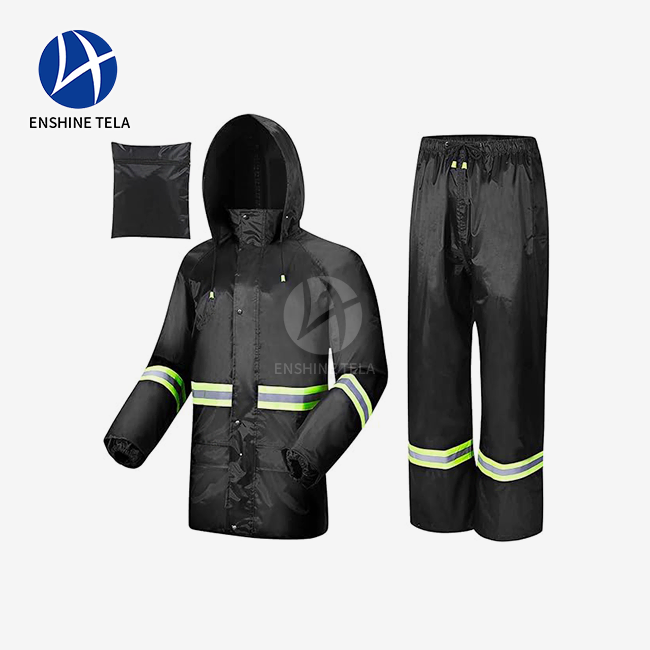
In current industrial and technical settings, unseen electrical charges threaten people and sensitive equipment. Everyday activities generate static electricity, but even a little spark may cause serious damage in certain professional situations. Anti Static Clothing is essential to avoid static electricity buildup and discharge. This specialized clothing is essential in accuracy and safety-critical sectors like semiconductor and pharmaceutical manufacturing. Understanding the science underlying these garments and their practical applications helps firms make wise workplace safety and equipment protection choices.
What Does Anti Static Clothing Really Do in High-Risk Work Environments?
Conductive fibers in anti-static clothes allow electrical charges to discharge safely before reaching harmful levels. Materials reduce charge collection and provide comfort and durability for long use. Protection against electrical charges uses advanced fabric innovation to change how static electricity affects the body. These garments channel charges harmlessly to the ground, minimizing abrupt energy releases that may burn flammables or damage sensitive devices.
The Science Behind Static Dissipation in Protective Fabrics
Static electricity builds up when two materials touch and separate, transferring electrons. We produce these charges via movement, particularly when wearing synthetic clothing or walking on specific floors. Anti-static clothes employ carbon-infused polyester or specific metallic threads to weave conductive or static-dissipative fibers into the fabric. Electrical charges are intercepted by these conductive routes throughout the garment before they reach harmful levels. These textiles have a calibrated resistance range (usually 10^6 to 10^9 ohms) that allows charges to dissipate slowly, preventing fast accumulation or discharge.
Protection Mechanisms in Hazardous Industrial Settings
Charge management systems must operate over lengthy shifts in high-risk workplaces. Workers in volatile chemical factories, refineries processing flammable materials, and electronics assembly areas must wear anti-static apparel that passes safety regulations. With grounded floors and adequate humidity, the garments provide complete electrostatic discharge (ESD) protection. As a worker goes around the facility, static accumulation passes via their clothes to grounding locations, keeping them safe electrically. This continual dissipation prevents charges from reaching the minimum ignition energy of surrounding atmospheres, which may be 0.25 millijoules for specific gas mixes.
Real-World Impact on Workplace Safety Outcomes
Industrial safety groups report that anti-static clothing programs considerably lower incident rates in susceptible sites. The introduction of full ESD protection measures, including required anti-static outerwear, reduced static-related safety occurrences by 87% at a petroleum plant over three years. Following tight anti-static clothing practices, electronics firms have seen huge reductions in component failures and manufacturing line stoppages. In certain circumstances, uncontrolled static discharges may harm surrounding workers and cause chain reactions, therefore these clothes protect them. Modern anti-static textiles are cost-effective investments in long-term workplace safety infrastructure because they operate consistently throughout thousands of wash cycles when properly maintained and tested.
Anti Static Clothing Applications: From Cleanrooms to Industrial Safety Systems
Industry-specific electrostatic issues require specialized Anti Static Clothing. Petrochemical facilities emphasize spark avoidance, whereas cleanrooms need particle-free static control. Each application demands specific fabric properties and garment designs. Anti Static Clothing is versatile enough to meet the needs of a wide range of professional environments with varying regulations. Understanding these applications helps companies select the right protective solutions for their operational risks.
Cleanroom Environments and Semiconductor Manufacturing
Microelectronics manufacturing facilities have regulated settings where minute particle contamination may damage millions of dollars of silicon wafers. Closely woven synthetic textiles with integrated conductive grids provide charge dissipation and ultra-low particle shedding in cleanroom anti-static apparel. Specialized washing removes pollutants while keeping electrical qualities of these clothing. Class 10 and Class 100 cleanroom workers wear coveralls, hoods, boots, and gloves to protect sensitive production equipment from particles from the human body. Surface resistivity of clothing is strictly controlled, often 10^5 to 10^11 ohms per square, to prevent charge accumulation and discharge. Similar techniques are used in sterile pharmaceutical production to reduce particle attraction to surfaces and maintain product purity and sensitive analytical equipment.
Petrochemical and Explosive Atmosphere Operations
In potentially explosive atmospheres, refineries, chemical processing factories, and combustible dust facilities face ignition sources. Anti-static clothing in these environments must fulfill strict international standards like EN 1149 or NFPA 2112 for flame resistance and static dissipation. Petroleum, organic solvent, and powdered material workers use clothes made of intrinsically conductive fibers that retain their protective qualities. The clothes, conductive footwear, grounded equipment, and environmental monitoring form a safety system. Properly worn anti-static clothing prevents charges from accumulating and sparking during tank cleaning, fuel transfer, and powder handling.
Electronics Assembly and Testing Facilities
Modern electronics have delicate components that are permanently damaged by electrostatic discharges below human perception. A 3,000-volt discharge feels like a jolt, but 10 volts may damage components. Assembly workers who handle circuit boards, memory modules, or precision sensors wear anti-static smocks or jackets with wrist straps to ground work surfaces for electrical continuity. Lighter clothing than industrial ones prioritize comfort during intricate manual labor while preserving conductivity to minimize charge accumulation. Quality control technicians handling completed electronics use anti-static garments to avoid damage during handling and measurement. Consumer electronics manufacturers with thorough ESD control systems, including suitable attire, have decreased warranty returns and increased product dependability.
Why Is Electrostatic Discharge a Hidden Threat to Equipment and Human Safety?
Electrostatic discharge causes combustible atmospheres, permanent electronic component damage, and automated process interruption. Understanding these threats supports complete anti-static clothing strategies. Static electricity is invisible, making it an insidious working danger that many companies ignore until expensive mishaps or equipment malfunctions.
Catastrophic Fire and Explosion Risks
Multiple industrial catastrophes that killed hundreds of people and destroyed hundreds of millions of dollars have been linked to static electricity. The minimum ignition energy for common hydrocarbon vapors is 0.25 millijoules, yet human body discharges vary from 10 to 30 millijoules—more than 100 times the minimum. Workers using unsuitable footwear or non-conductive clothes in hazardous situations routinely cause static buildup and ignitions, according to historical event investigations. In a tank cleaning accident, a worker's synthetic fleece jacket created enough static charge to ignite solvent fumes, killing three. Grain, medicinal powder, and metal finishing facilities include finely separated ingredients that generate explosive airborne suspensions. In these high-risk environments, Anti Static Clothing regulations are a key safety measure that tackles ignition sources at their human contact point.
Electronic Component Damage and Hidden Failures
Electrostatic discharge damages semiconductor devices immediately and latently, causing quality and reliability issues that may not become apparent until goods reach end users. When ESD events melt metallization or damage junction structures in integrated circuits, they fail catastrophically. Latent flaws that partially decrease component performance or operational longevity are more troublesome. Testing by electronics industry groups shows that ESD shocks below human perception levels—100 to 500 volts—can cause oxide layer defects in contemporary transistors and premature field failures. Component failure rates are orders of magnitude greater in manufacturing plants lacking anti-static clothing procedures. Beyond component replacement costs, manufacturing delays, quality investigation charges, warranty claims, and brand reputation harm from faulty goods may affect the bottom line.
Process Disruption and Automation Interference
Programmable logic controllers, sensor networks, and automated process control systems with millivolt or microamp signal voltages are common in modern industrial facilities. Static discharges near sensitive electronics may cause transitory electrical noise that interrupts control signals, false alarms, and data gathering systems. Manufacturing execution systems monitoring product genealogy and quality metrics need continual data integrity that static interference might impair. Pharmaceutical and food manufacturing facilities under stringent regulatory control encounter hurdles when static-related process disturbances demand batch investigations or product disposal. Comprehensive anti-static clothing programs as part of ESD control techniques decrease interruption occurrences, enhancing equipment efficacy and production predictability.
Negative Ion Fabric Explained: How It Enhances Air Quality, Oxygen Flow, and Antibacterial Performance
Advanced fabric technologies now generate negative ions in anti-static fabrics, providing electrostatic protection and possible health advantages from air quality improvement and antibacterial qualities. Innovative textiles combine static dissipation with negative ion creation to provide multipurpose protective clothing with improved performance.
The Technology Behind Negative Ion Generation in Textiles
Negative ion textiles release negative ions via body heat and moisture because they include rare earth minerals or ceramic particles in fiber architectures. Oxygen molecules containing additional electrons, called anions, interact with airborne particles and microbes in the wearer's surroundings. Fabric technology works synergistically with conductive fibers for static dissipation because charge distribution systems prevent static buildup and emit negative ions. These ion-generating chemicals are permanently embedded in fiber matrices during manufacturing, guaranteeing the garment's functionality lasts beyond washing. Under normal wearing circumstances, premium fabrics generate 1,000 to 6,000 negative ions per cubic centimeter in the air around fabric surfaces.
Health and Comfort Benefits in Extended Wear Scenarios
Cleanroom, manufacturing, and industrial workers wear protective equipment for eight to twelve hours, making comfort and physiological impacts important. Negative ion materials increase user comfort in numerous ways. Ionic interactions with sweat and humidity in the garment microclimate may improve moisture management and reduce the clammy feeling of impermeable protective gear. Research shows negative ion exposure may minimize airborne germs in the respiratory zone, odor formation over prolonged use, and perceived air freshness. User experience studies generally choose negative ion clothing over traditional options for long use comfort ratings, even if physiological responses vary. Negative ion generation's antibacterial qualities limit odor-causing microorganisms, keeping clothes fresher between launderings and perhaps increasing service life.
Integration with Anti Static Performance Requirements
Negative ion creation and electrostatic dissipation generate clothing that solve many working issues. Since ion-generating chemicals are discrete particles inside non-conductive fiber segments, they do not interfere with static control conductive routes. Metallic or carbon-based conductive fibers preserve electrical continuity. This integration lets producers make ESD-compliant clothes while improving air quality. Quality control testing checks electrical resistance for anti-static performance and negative ion production rates for added functionality. Worker feedback on these advanced textiles is positive, citing safety protection and improved wearing comfort, which improves compliance with protective clothing requirements and reduces improper garment modification or removal during shifts.
From Fabric Innovation to Manufacturing Strength: Choosing a Reliable Anti Static Clothing Supplier
To ensure long-term supply of protective garments that meet operational requirements, anti static clothing suppliers must be evaluated for technical capabilities, quality assurance systems, regulatory compliance, customization flexibility, and logistics infrastructure. Supplier selection is crucial to anti-static clothing programs because garment quality, consistency, and availability are crucial.
Technical Capabilities and Quality Assurance Systems
Quality management systems accredited to ISO 9001 and ISO 14001 are used by reputable manufacturers. The certificates show rigorous process control, continuous improvement, and documented quality methods. Beyond garment fabrication, in-house testing facilities ensure electrical resistance, fabric longevity, and dimensional stability across manufacturing batches. Advanced vendors spend in research and development to customize fabric parameters for individual client needs, such as chemical resistance, thermal protection, or negative ion creation. Suppliers who can give test results, material certificates, and compliance statements demonstrate quality and transparency. Before making bulk purchases, organizations should seek sample garments and test them independently to ensure they fulfill criteria.
Regulatory Compliance and International Standards
Safety regulations for anti-static apparel vary by area and industry. European facilities usually need electrostatic EN 1149 series norms and perhaps EN 14404 for explosive environment protective equipment. North American operations may use NFPA or ANSI standards based on industry. Global suppliers are experienced with numerous regulatory regimes and may deliver clothes approved for certain locations. Credibility and liability reduction are enhanced by third-party testing laboratory compliance documentation. Suppliers should provide compliance certifications, authorized facility test results, and unambiguous labeling that indicates relevant standards. Certifications for relevant product qualities, such as ASTM flame resistance testing or ISO 14644 series cleanroom contamination control, show complete quality management across several performance parameters.
Supply Chain Reliability and Logistics Infrastructure
Antistatic clothing in the right sizes and combinations reduce operational disturbances and safeguard workers. Large raw material and finished products stockpiles allow suppliers to fulfill urgent requests and support periodic replenishment plans. Geographic closeness to key transportation hubs allows speedy delivery by air freight for time-sensitive goods, ocean container service for cost-effective large-volume orders, and rail networks for regional distribution. Global clients benefit from manufacturers near international airports and seaports with more flexible shipping choices and faster lead times. Shipment tracking, customs clearance paperwork help, and Incoterms knowledge simplify procurement and logistics. Suppliers with 24/7 customer assistance respond to urgent demands regardless of time zone.
Conclusion
Safety controls like Anti Static Clothing safeguard people, equipment, and manufacturing processes in many industrial settings. These protective clothes prevent static electricity from accumulating and discharging in semiconductor cleanrooms and petrochemical plants. Advanced fabric innovations with negative ion generation promote static dissipation, health, and comfort during long shifts. Qualified suppliers with technical expertise, quality assurance procedures, and dependable logistical infrastructure guarantee businesses have consistent access to protective garments that fulfill strict performance criteria. As industrial processes grow more complex and safety laws develop, high-quality anti-static clothing programs decrease incidents, increase product quality, and improve operational dependability.
FAQ
1. How often should anti static clothing be replaced?
Usage, washing, and clothing quality determine replacement schedules. Industrial workplaces routinely test clothing every six months for electrical resistance qualities and replace them if they fail. Before each usage, check for rips, excessive wear, and compromised seams. Quality clothing from reputed manufacturers may last one to three years under ordinary settings and preserve static dissipation after 100 or more industrial launderings when handled according to manufacturer standards.
2. Can anti static clothing be worn with regular undergarments?
Standard underwear made of polyester or nylon may develop static charges that impair exterior anti-static clothes. Best practises include cotton or anti-static underwear that match outside protection layers. To ensure electrical continuity from the worker's body to grounding points, static control systems must consider all clothing layers, footwear, and accessories. Safety procedures for ESD-controlled facilities usually include authorized undergarments.
3. What industries benefit most from anti static clothing implementation?
To protect sensitive equipment, semiconductor manufacture, circuit board assembly, and component testing need anti-static clothing programs. These garments protect ignition sources in explosive atmospheres in petrochemical, refinery, and chemical processing operations handling flammable liquids or dusts. Pharmaceutical manufacturing, aircraft component manufacture, automobile electronics assembly, and biotechnology and medical device cleanroom operations all use anti-static clothing for safety and quality control.
Partner with Enshine Tela: Your Trusted Anti Static Clothing Supplier for Advanced Protection Solutions
Hebei Ningxiang Trading Co., Ltd.'s Enshine Tela delivers 30 years of fabric innovation and anti-static garment production knowledge to organizations worldwide. Protective garments that surpass performance criteria are made using our negative ion fabric technology, which improves air quality, electrostatic dissipation, and antibacterial qualities. We have CE, FDA, ISO 9001, ISO 14001, and Better Cotton Initiative (BCI) and GRS Recycled Polyester certifications to verify our quality and sustainability. Our strategic location near Beijing International Airport and Tianjin International Seaport allows flexible shipping options through air, ocean, and Eurasian rail networks, and our large inventory capacity allows global delivery within 7-15 days via commercial courier services. As an experienced anti static apparel provider, we provide bespoke product development, rigorous quality testing per client specifications, and 24/7 prompt service to meet your operating needs. Contact our team today at marco_zhuo@hotmail.com to discuss how our advanced anti static clothing solutions can enhance safety, protect sensitive equipment, and improve workforce comfort in your facility.
References
1. Warren, N. and Chang, R. (2019). "Electrostatic Hazards in Industrial Environments: Risk Assessment and Control Strategies." Industrial Safety Journal, Volume 42, Issue 3, pp. 156-174.
2. International Electrotechnical Commission (2021). "IEC 61340-5-1: Protection of Electronic Devices from Electrostatic Phenomena – General Requirements." Geneva: IEC Publications.
3. Thompson, D.L. (2020). "Advanced Textile Technologies for Static Dissipation in Cleanroom Applications." Journal of Contamination Control, Volume 28, Issue 2, pp. 89-107.
4. National Fire Protection Association (2018). "NFPA 77: Recommended Practice on Static Electricity." Quincy, MA: NFPA Publications.
5. Zhang, H. and Martinez, C. (2022). "Negative Ion Generation in Functional Textiles: Mechanisms and Performance Evaluation." Textile Research Journal, Volume 92, Issue 7-8, pp. 1245-1262.
6. European Committee for Standardization (2020). "EN 1149-5: Protective Clothing – Electrostatic Properties – Performance Requirements." Brussels: CEN Publications.

Send Inquiry