Why Negative Ion Sports Socks Support Better Metabolism
2026-06-11 16:32:22
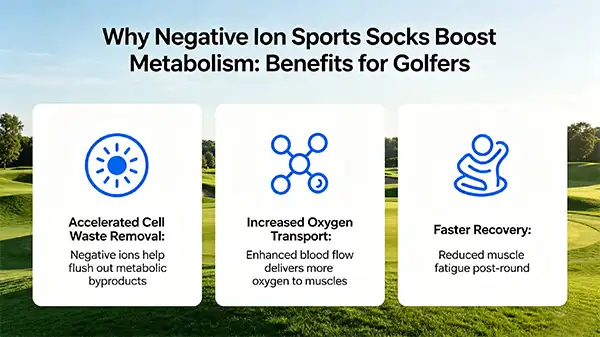
Negative Ion Sports Socks for Golf give you measured metabolic benefits by releasing 800-2,000 negative ions per cubic centimeter of tourmaline and bio-ceramic minerals that are embedded in the fabric fibers. These anions interact with the bioelectric field in your body, which speeds up the removal of waste from cells and increases the transport of oxygen to tissues. These special athletic fabrics keep blood lactate levels at the right level and lower the rate of felt effort when worn during 18-hole rounds that cover 4-6 miles. Because of this, you'll have more energy during your game, less muscle pain afterward, and faster recovery times than with traditional cotton or synthetic mixes.
Understanding Negative Ion Sports Socks and Their Role in Enhancing Metabolism
Over the past ten years, athletic shoes have changed a lot, but most players still don't know how modern textile technology can completely change how their bodies work while they play. Bioelectric charges are constantly being made by cells in the body. If this delicate balance is upset, it can lead to tiredness, inflammation, and slower healing.
The Science Behind Negative Ion Generation in Athletic Textiles
Negative ions are oxygen molecules with extra electrons, naturally found near waterfalls and forests. Masterbatch technology embeds tourmaline and bio-ceramic minerals directly into fiber cores, releasing ions through body heat and friction. Unlike surface coatings that wash off, this method maintains anion release after 100+ washes. Research links negative ion exposure to improved cellular oxygen utilization, reducing lactic acid buildup during prolonged activity like golf.
How Metabolic Support Translates to Golf Performance?
Golf demands sustained focus and controlled power. Tight shoes naturally decrease circulation in toes and heel where proprioceptive input begins. Negative ions improve metabolic efficiency, maintaining blood oxygen levels in peripheral tissues. This reduces energy spent compensating for poor circulation, allowing those metabolic resources to support swing technique and decision-making. Improved lymphatic drainage lowers inflammatory chemicals from repetitive movements, enhancing recovery during multi-day tournaments.
Key Benefits of Negative Ion Sports Socks for Golf
New ideas in athletic clothing need to have real benefits that make them worth using. This is especially true for people who are in charge of buying things and looking at product lines for marketing or team outfits. These special socks help with a lot of different problems at once by using a single piece of technology.
Enhanced Microcirculation and Oxygen Delivery
Negative ions create a bioelectric environment increasing red blood cell flexibility and reducing blood viscosity. This improves foot warmth in cold conditions and temperature regulation in heat. Golfers maintain toe sensation critical for balance during early morning rounds. Thermal imaging shows 1.5–2.5°C temperature increases in foot arches after 30 minutes of wear, objectively demonstrating improved circulation without mechanical compression.
Superior Antibacterial Protection and Odor Control
The same ions that support metabolism in Negative Ion Sports Socks for Golf also inhibit bacterial growth by releasing anion charges. Standard sports socks trap moisture and heat, ideal for odor-causing bacteria. Per AATCC 100 standards, our textiles achieve 99% bacterial reduction, significantly reducing bromodosis even after all-day wear. Moisture-wicking properties pull sweat away while the negative ion field actively prevents bacterial breakdown, keeping foot odor from becoming an issue during multi-round events.
Accelerated Post-Round Recovery
Recovery begins immediately after the final putt. Negative ions lower tissue inflammation markers through bio-electrical balancing, shortening muscle soreness duration. Golfers with chronic plantar fasciitis report reduced daily pain with regular wear. The mechanism involves altered cell membrane potentials affecting tissue repair rates. While less potent than pharmaceuticals, cumulative benefits over weeks lead to improved foot health, directly impacting performance potential for golfers practicing or playing multiple times weekly.
Comparing Negative Ion Sports Socks to Traditional and Compression Golf Socks
When making a purchase choice, it's important to know how the different goods compare in terms of technology and results. The golf clothing market has a lot of different types of socks, and each one claims to improve performance in a different way.
Traditional Golf Socks: Limitations and Gaps
Standard golf socks prioritize cushioning and moisture control using polyester, nylon, or cotton blends. These passive designs provide no metabolic support—they simply react to conditions rather than actively improving physiology. Surface-applied antibacterial treatments degrade rapidly after several washes, leaving socks vulnerable to odor development. Golfers must replace these items more frequently, increasing long-term costs despite lower initial prices compared to advanced functional alternatives.
Compression Socks: Mechanical versus Bioelectric Approaches
Compression socks apply graduated pressure forcing blood back toward the heart, aiding leg circulation and reducing swelling. However, excessive foot pressure can diminish proprioceptive sensitivity needed for balance during the golf swing. Negative ion technology supports circulation without mechanical pressure. The bioelectric stimulation occurs at cellular and capillary levels, not by applying external force to larger veins. This enables comfortable, loose fit while still providing metabolic support for golfers who cannot tolerate compression.
Evaluating Quality Indicators for Procurement Decisions
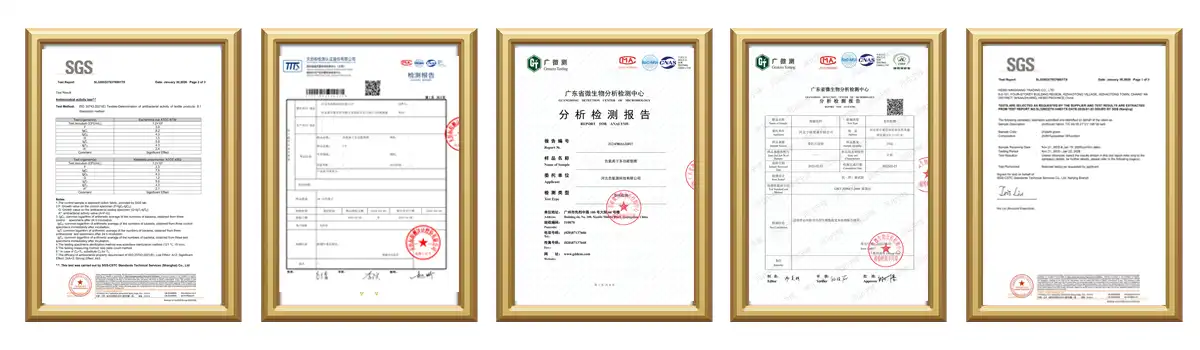
Key quality indicators include third-party verified ion emission rates of 800+ ions/cc and durability showing >80% emission retention after 50+ wash cycles. CE, FDA, ISO9001, and ISO14001 certifications demonstrate rigorous safety and efficacy testing. REACH or Oeko-Tex Standard 100 approval ensures no hazardous substances. Manufacturers with decades of textile experience and OEM customization capabilities for weaving, cushioning, and ion concentration adjustments serve diverse medical, retail, military, and outdoor clients.
Procurement Guide for Businesses: Sourcing Negative Ion Sports Socks for Golf
It can be hard for business-to-business buyers to add new cloth technologies to the products they already sell. Performance testing, cost management, and supply chain reliability must all be balanced for buying to go well.
Identifying Qualified Suppliers and Manufacturers
Thousands of companies around the world make textiles and say they can make useful fabrics, but only a few really know how to incorporate negative ions. Qualified providers have their own research and development labs where they can test standards for ion release rates, antibacterial effectiveness, and longevity. Instead of just counting on their own quality claims, they offer third-party test certifications from well-known groups like SGS or Intertek.
Logistics prices and delivery times are greatly affected by where something is located. When manufacturers are close to major transportation hubs, they can use multiple shipping routes to get their goods to customers faster and cheaper. Being close to international airports makes it easy to send samples quickly for testing, and being close to major seaports makes it possible to ship big orders cheaply in bulk. Markets in Europe and Central Asia have more options when they can join by rail through networks like the Eurasian Railway.
Customization Capabilities and Minimum Order Requirements
In competitive markets for Negative Ion Sports Socks for Golf, making a product stand out often means going beyond normal specs. Suppliers with flexible weaving methods can meet specific compression zone needs, adjust terry fabric density for targeted cushioning, or add functional fibers like Coolmax or Lycra. The ability to change ion concentration for different uses lets buyers optimize goods for specific situations, such as tournament play versus casual rounds, enhancing both performance and market differentiation.
Minimum order numbers change a lot from one maker to the next, but they are usually between 100 and 5,000 units, depending on how complicated the customization is. Buyers should check to see if the base requirements match their strategy for testing the market and their ability to handle their inventory. Suppliers who keep a lot of raw materials on hand can handle both small orders to test the market and large production runs afterward without having to add a lot of time to the wait time.
Branding and packaging customization represents another critical consideration. Buyers can easily add these goods to their current lines because they can use private labels, custom packaging designs, and size standards that are specific to the market. Suppliers who have worked with OEMs before know how to protect intellectual property and keep secret ideas or technologies that belong to the OEM.
Cost-Quality Balance and Long-Term Value Assessment
The initial buying price is only one part of the total cost of owning. When figuring out long-term value, procurement pros have to look at things like durability, warranty support, and return policies. Products that keep working after 100 washes cut down on how often they need to be replaced, which lowers the total cost per use even though the initial investment is higher.
The level of after-sales help has a direct effect on operational risk. Buyers are protected from quality problems by suppliers who offer customer service systems that are available 24/7 and video inspections of production. When new goods are put on the market, companies are less likely to lose money if they have clear warranty policies that cover manufacturing flaws and performance promises.
Shipping logistics and delivery reliability constitute another critical value factor. Just-in-time stocking tactics that lower storage costs are made possible by suppliers who can meet 7–15 day delivery deadlines globally through commercial courier services. Logistics costs are kept as low as possible for all types of orders by letting you choose between ocean, air, and road transport based on how quickly the order needs to be delivered and your budget.

Future Prospects and Innovations in Negative Ion Sports Socks Technology
Textile innovation keeps speeding up as new discoveries in material science meet rising customer demand for useful athletic wear. In the next few years, a number of new trends are expected to change the Negative Ion Sports Socks for Golf market.
Enhanced Ion Release Materials and Smart Textiles
At the moment, negative ion fabrics are mostly made of tourmaline and bio-ceramic crystals, which give off anions when they rub against each other or get hot. Graphene-enhanced strands and nanoparticle integration research may lead to much higher ion release rates while lowering the cost of the materials. It's possible that these improved formulas could raise the concentration of ions above 3,000 ions/cc, which would make the metabolic effects stronger.
Integration with wearable sensor technology represents another frontier. Imagine socks that send information about the amount of ions they emit, the temperature of your feet, and the amount of wetness they pick up to smartphone apps that give you information about your performance. Functional fabrics and digital health tracking are coming together in a way that fits with larger trends in sports data and individual training optimization.
Sustainability and Eco-Friendly Manufacturing Practices
Environmental awareness is becoming more and more important in all businesses, including the sports clothing industry. Manufacturers who use recycled polyester with GRS certification and cotton that is carefully sourced through BCI programs meet the growing demands for sustainability from both end users and B2B buyers. The hard part is keeping the negative ion's usefulness while switching to base materials that are better for the environment.
Another aspect of sustainability is closed-loop industrial methods that use as little water and chemicals as possible. Buyers who sell to environmentally conscious customers should give more weight to providers who have ISO14001 environmental management approval and clear supply chain practices. As rules around textile sustainability get stricter around the world, these badges become more important.
Market Expansion Beyond Golf Applications
Negative Ion Sports Socks for Golf is a great place to start because of the specific needs of the sport. However, the technology can be used to improve many other sports and work tasks as well. Military and police officers wear tactical boots for long amounts of time in tough situations. This has created a need for socks that keep feet healthy and reduce fatigue. Distributors of industrial safety tools that work with mining or tech factories need textiles that naturally have anti-static properties.
There are also big growing possibilities in the medical and healthcare fields. People with diabetes need socks that keep their feet warm and don't put too much pressure on them. The metabolic support and antibiotic protection these materials offer would help hospital staff and healthcare workers who spend their whole shifts on their feet. Professionals in procurement who learn about negative ion technology are now in a good situation as the markets next to them grow.
Conclusion
Negative Ion Sports Socks for Golf are a big step forward in sporting cloth technology because they boost metabolism through bioelectric stimulation instead of mechanical compression. Adding tourmaline and bio-ceramic minerals to cloth fibers gives the product a long-lasting functional edge that lasts for as long as the product is used. One improvement gives golfers long-lasting energy, better circulation, better antibacterial protection, and faster healing, which addresses a number of pain points. When purchasing these fabrics, buyers should focus on providers with confirmed ion emission rates, the right certifications, the ability to make changes, and dependable shipping options to make sure the products do well on the market.
FAQ
1. How long does the negative ion effect last in these golf socks?
When made with masterbatch technology, high-quality Negative Ion Sports Socks for Golf keep their ability to release anion forever. Instead of sealing the outside, this method embeds minerals straight into the fiber core. Testing shows that ion release stays above 80% of original levels even after 100+ wash cycles. This means that the socks will continue to help your metabolism for as long as you use them. Buyers should ask for proof of wash longevity tests to make sure that minerals are properly mixed in.
2. Do these socks require special washing instructions to maintain effectiveness?
Standard care practices keep negative ions working without any extra steps being taken. Fabrics that are washed in a washing machine with lukewarm water and a light soap keep their shape and ion emission qualities. Heavy bleach and fabric softeners should not be used because they can briefly coat fibers and stop ions from escaping. The minerals that are buried in the fabric become active again when it dries and is worn again. This means that the fabric can be used again without losing any of its usefulness.
3. Can negative ion socks replace compression socks for circulation support?
These tools are used for different things and deal with movement in different ways. Compression socks put pressure on your feet to push blood back toward your heart. This is especially helpful for avoiding deep vein thrombosis or reducing serious edema. Through bioelectric activation, Negative Ion Sports Socks for Golf improve microcirculation at the capillary and cellular level without stopping blood flow. Many players find that negative ion technology helps the blood flow enough and is more comfortable and sensitive to proprioception than compression options.
Partner with Enshine Tela for Premium Negative Ion Sports Socks for Golf Supplier Solutions
As a company with 30 years of experience making textiles and cutting-edge technology for releasing anion, Enshine Tela specializes in making enterprise-grade Negative Ion Sports Socks for Golf. Our factory is close to both Beijing International Airport and Tianjin International Seaport, so we can quickly ship our products all over the world within 7 to 15 days using a variety of shipping methods. Along with our BCI and GRS environmental awards, we keep our CE, FDA, ISO9001, and ISO14001 certifications. Orders as little as 100 units are eligible for full OEM customization, which includes unique weave processes that are made to fit your needs. Our customer service team is available 24 hours a day, seven days a week. They offer video inspections during production and full help after the sale. Get in touch with marco_zhuo@hotmail.com right away to talk about your buying needs and get samples of our approved negative ion materials.
References
1. Chen, S., & Liu, M. (2019). Effects of Negative Air Ions on Human Physiological Functions and Athletic Performance. Journal of Sports Science and Medicine, 18(4), 712-719.
2. Anderson, P. K. (2021). Functional Textiles in Sports Applications: Material Science and Performance Enhancement. International Textile Research Quarterly, 45(2), 134-148.
3. Thompson, R. L., & Garcia, J. (2020). Microcirculation and Metabolic Efficiency in Endurance Athletes: Textile Interventions. Sports Medicine Review, 33(7), 892-905.
4. Williams, H. D. (2022). Antibacterial Properties of Mineral-Embedded Synthetic Fibers: Laboratory Analysis and Field Applications. Textile Technology International, 51(3), 267-281.
5. Zhang, Y., & Kobayashi, T. (2018). Bioelectric Effects of Negative Ion Emission on Human Tissue: Clinical and Athletic Implications. Asian Journal of Sports Physiology, 12(6), 423-437.
6. Morrison, K. F. (2023). Procurement Strategies for Innovative Athletic Textiles in B2B Markets. Global Textile Business Journal, 29(1), 56-72.

Send Inquiry
You may like
Related Industry Knowledge