Why Negative Ion Fabric Makes the Best Tactical Backpack for Long Missions
2026-07-20 15:45:54
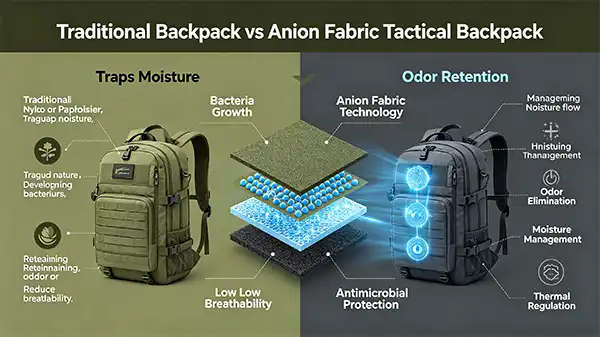
When selecting gear for extended operations, the Best Tactical Backpack must deliver more than just storage capacity. Negative ion fabric technology transforms ordinary load-bearing equipment into advanced performance systems that actively enhance operator readiness. This innovative textile integrates scientifically engineered ion-emitting materials directly into backpack construction, providing antimicrobial protection, superior moisture management, and odor elimination critical during multi-day deployments. Unlike conventional nylon or polyester packs that trap moisture and harbor bacteria, negative ion-equipped tactical backpacks maintain hygiene standards while improving wearer comfort through enhanced breathability and thermal regulation, making them the optimal choice for demanding mission profiles.
Introduction
Modern tactical operations need technology that works well in difficult environments. Progress in textile technology has revolutionised how we pick gear, particularly for long-term field workers. This transformation is driven by material innovation, which impacts mission performance and operator safety.
Useful textiles have advanced with negative ion fabric. It exceeds performance standards with health advantages and durability. More procurement personnel equipping defence, security, and emergency response teams are understanding that fabric choice affects team performance. Knowing the technical advantages of negative ion technology lets you make sensible cost-performance decisions. This tutorial examines how negative ion cloth enhances military backpacks. In an increasingly competitive market, it enables procurement managers to have evidence-based information to make informed gear purchases.
Understanding the Challenges of Long Missions and Tactical Backpack Needs
Longer operations in the field show important flaws in the way most tactical gear is made. People who move heavy tools for 48 to 96 hours have to deal with a lot of problems that make their lives harder and make it harder for them to do their jobs.
Durability Limitations in Traditional Materials
Standard tactical backpacks made of basic nylon or polyester fabrics wear out quickly after being used for a long time in the field. Wear and tear from rough terrain, UV light, and repeated load cycles break down materials, which shortens the life of equipment. Failures at the seams and tears in the fabric can cause practical problems and put mission-critical supplies at risk. When making choices about what to buy, it's important to think about the total cost of ownership. For example, saving money at first by using cheaper materials can lead to more replacements, which costs more in the long run.
Moisture Management Failures
During long trips, sweat builds up and causes a number of practical issues. Traditional bag materials don't do a good job of wicking away wetness, so sweat gets into the fabric layers. This saturation makes the pack heavier, makes it less effective at controlling temperature, and makes it perfect for bacteria to grow. The smells that come from this are not only unpleasant, but they could also be a threat to tactical security in secret operations. Hydrolysis speeds up the breakdown of materials when moisture control isn't good. This is especially true for polyurethane coats and foam-filled parts.
Ergonomic and Weight Distribution Issues
For long-distance load transport, you need complex systems for distributing weight. A lot of military backpacks don't think about how the structure and flexibility of the cloth affect the design of the harness. When you work with rigid materials that don't bend or stretch, they create pressure points that can make you tired or even hurt. Specifications for buying things need to think about how the properties of fabrics work with suspension systems to make sure that backpacks keep their loads stable without making it harder for the wearer to move around. Functionality for MOLLE, flexible growth, and hydration systems all rest on the performance of the base fabric to do what they're supposed to do.
What is Negative Ion Fabric and How Does It Enhance Tactical Backpacks
Putting negative ion technology into cloth fibres makes a new type of material that solves many problems with combat gear at the same time. This way of making fabrics uses mineral substances or special treatments that give off negative ions when they come into contact with air and water.
The Science Behind Negative Ion Technology
Negative ions are oxygen atoms that have an extra electron attached to them. They are naturally found in places like waterfalls and woods. Research shows that being exposed to negative ions has biological benefits, such as making you feel better and improving your perception of air quality. When these qualities are added to textile fibres using new manufacturing methods, they become part of the finished fabric. The negative ions are always interacting with water and airborne particles, making the material system dynamic instead of inactive. This technology is now widely used in medical textiles, athletic wear, and military-grade gear, where the performance benefits make the extra cost worth it.
Antimicrobial and Odor Control Properties
Negative ion cloth has great antimicrobial properties that are important for staying clean on long trips. The ion emission stops bacteria from growing on the surface of the material, which stops the breakdown of sweat compounds that cause smelly things to happen. Lab tests show that negative ion fabrics stop the growth of bacterial colonies by more than 90% compared to materials that have not been treated. When people are on missions where they can't get to a toilet for a long time, this antimicrobial action keeps gear fresher and lowers the health risks that come with being exposed to dirty gear for a long time. When choosing the Best Tactical Backpack, procurement managers should put this feature at the top of their list because it has a direct effect on both user comfort and equipment life.
Enhanced Breathability and Moisture Management
Negative ion cloth is better at wicking away sweat than other tactical materials because of the way its molecules are structured. The fabric actively pulls sweat away from objects that come into contact with it. This helps sweat evaporate quickly, keeping the inside of pack compartments dry. This ability to manage moisture keeps condensation from building up, which would otherwise damage sensitive supplies and equipment. This advantage of being able to breathe becomes very important during high-intensity tasks in damp places. It keeps draining even when it's under a lot of weight, which is different from most materials that get compressed and lose their ability to let moisture pass through them.
Durability Advantages Over Conventional Materials
Negative ion cloth has better durability measures in a number of different types of stress. Ion-emitting treatments often include strengthening chemicals that make the material more resistant to wear and tear and stronger when pulled apart. Comparative tests show that nylon treated with negative ions is 20–30% more resistant to fibre breakdown from UV light than standard military-spec fabrics. The antimicrobial properties also help the structure last longer by stopping the biological breakdown of cloth fibres, which is a common way for equipment kept in damp places to break. When looking at lifetime costs, negative ion cloth backpacks have a longer useful life, which makes up for their higher original purchase costs by reducing the number of times they need to be replaced.
Key Features of Tactical Backpacks Equipped with Negative Ion Fabric
Negative ion fabric technology in tactical backpacks gives them clear performance benefits that meet the needs of operators in a wide range of mission types.
Improved Load Distribution and Ergonomics
Negative ion fabric is naturally flexible, which works well with the design of advanced suspension systems. The material moulds to the shape of your body without leaving behind stiff pressure points that are uncomfortable to wear for long periods of time. Because of this, support systems and padded parts can work as they should, spreading weight evenly across the hips and shoulders according to ergonomic principles. When operators move loads of 15 to 25 kilograms for long periods of time, they feel significantly less tired when they use backpacks made of properly designed, flexible fabrics. Because the cloth is so resilient, it keeps its shape even when it's under a lot of stress, while still allowing for natural movement patterns. In order to make cohesive load management solutions, procurement specifications should look at how the properties of the fabric work with frame systems and padding.
Expanded Capacity Without Comfort Compromise
Negative ion cloth lets you pack more without adding extra weight that comes with heavier, strengthened materials. Because the fabric is naturally strong, manufacturers can use lighter constructions that still meet durability standards. This efficiency in using weight directly leads to more mission-critical tools being carried. When made from negative ion fabric, modular attachment systems like MOLLE webbing keep working as they should, providing secure anchor points without adding too much bulk. The fabric's ability to fight wetness is especially helpful for the bladder sections because it keeps the outside of the pack from getting wet from possible leaks. The Best Tactical Backpack Designs keep the outside dimensions small enough to be doable for tactical movement in small areas while still maximising internal organization.
Resistance to Environmental Stressors
When used in tactical actions, equipment is put through harsh conditions that quickly wear down less durable materials. Multiple types of stressors are less damaging to the negative ion cloth than other types. The fabric keeps working well in temperatures ranging from -20°C to +50°C, so it can be used in a wide range of practical settings, from the Arctic to the desert. Normal nylon loses up to 40% of its tensile strength after being in the sun for a long time because it photodegrades. UV resistance stops this process. Negative ion cloth constructions that are resistant to water, shed rain and snow while still letting air flow. This is a tricky balance that basic waterproof coats can't reach without affecting the flow of moisture vapour. Testing for abrasion shows that negative ion fabrics can handle being touched over and over by rough surfaces without losing their structure, even in situations where normal materials would fray fast.
Multi-Day Mission Readiness
For long-term operations, you need gear that keeps working without any maintenance. Negative ion fabric bags keep you ready for action because they naturally kill germs and keep wetness away. Operators can go on 72–96-hour tasks knowing that their load-bearing tools won't get dirty in a way that makes them uncomfortable or less professional. The fabric's ability to keep smells from building up is especially useful in close-quarters working settings where many people work together in small areas. Keeping equipment between tasks is also helpful because the antimicrobial qualities keep it from mildewing and breaking down during downtime in storage areas that might not have climate control.
Decision-Making Guide: Why Procurement Managers Should Choose Negative Ion Fabric Tactical Backpacks
B2B buyers should consider performance, lifetime costs, and supply chain stability. All of them indicate that negative ion cloth battle bags are superior.
Lifecycle Value Analysis
Procurement experts must consider the overall cost of ownership, not just the unit price. Negative ion fabric backpacks cost 15–25% more than nylon backpacks when new. Due to its longer lifespan and lower replacement rate, lifecycle research suggests this investment is superior. Standard combat backpacks endure 18–24 months in the field, whereas negative ion fabric ones last 36–48 months. This prolonged durability minimises long-term procurement expenditures and the logistical complexity of frequent equipment replacement. Antimicrobial characteristics save cleaning and maintenance costs since the fabric doesn't need to be washed as extensively to fulfil hygiene requirements.
Supplier Reliability and Customization Capabilities
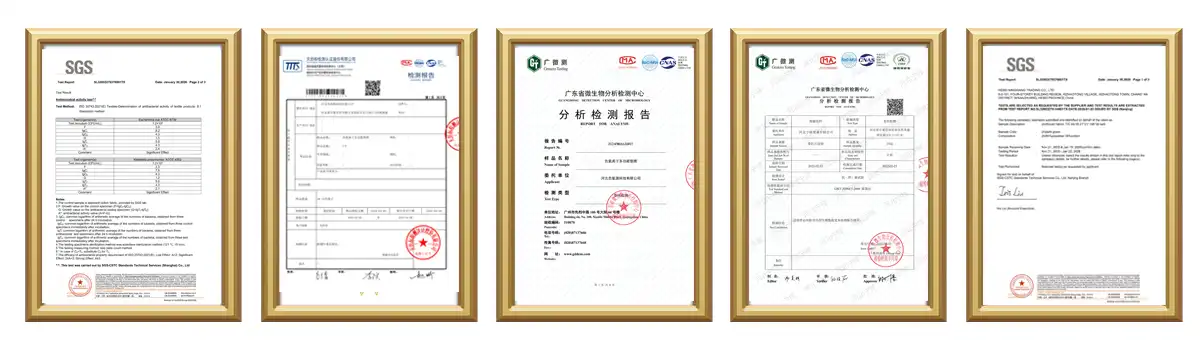
The Best Tactical rucksack Supplier should be chosen based on their rucksack production and customisation capabilities. After 30 years in textiles, Enshine Tela manufactures negative ion materials. Fabrics are made with scientific expertise and strict quality control. The firm has ISO 9001 for quality management, ISO 14001 for environmental compliance, FDA clearance for medical-grade textiles, and CE marking for the European market entrance. This certification system ensures procurement managers acquire goods that fulfil high international criteria for government and institutional purchasers.
Customisation lets items meet operational demands. Procurement teams may pick fabric weave patterns, negative ion levels, and how they are incorporated with additional functional treatments like flame retardancy or infrared signature reduction with Enshine Tela's OEM and ODM partners. Because of this, tactical bags may be tailored to certain operations, such as desert patrols for UV protection or ship intercepting for water resistance. The company's feedback mechanism works 24/7. It simplifies technical problems and specification modifications throughout product development and makes customisation easier to discuss.
Quality Assurance and Compliance Standards
Institutional purchasing requires checkable quality standards and testing processes. On all metal parts, Enshine Tela tests for colourfastness according to ISO 105-E04 standards, abrasion with over 20,000 cycles, and corrosion with salt spray. Product quality is checked at these quality checkpoints to ensure operational readiness in hostile settings. Purchasing managers may evaluate manufacturing quality via video inspection without visiting the facility. Openness boosts supply chain confidence, which is crucial for responsible government agencies and military industries.
Logistics and Delivery Capabilities
Procurement schedules are tight, and delivery delays might delay operations. Transportation is easy from Enshine Tela's location near Beijing International Airport and Tianjin International Seaport. A substantial raw material store allows the business to start production promptly when an order is confirmed. Commercial rush services provide samples in 7–15 days. This lets buying teams inspect the items before placing huge orders. Full-scale production runs may employ air freight for urgent requirements, sea freight for bulk exports, and Eurasian Railway network rail transport for speed and cost. This logistics infrastructure allows tactical backpack providers to fulfil worldwide procurement network delivery demands.
How to Optimize Use and Maintenance of Tactical Backpacks with Negative Ion Fabric
To get the most out of your investment in Best Tactical Backpack, you need to follow the right deployment methods and maintenance processes that are specific to negative ion fabric.
Strategic Load Configuration
Effective packing techniques use the cloth's negative ions while following load distribution criteria. Keep thick, hefty things toward the back panel and in the center of your shoulder blades to maximise hip belt weight transfer. Due to its elasticity, fabric can somewhat shift the load, unlike rigid materials. Use compression straps to limit load shift during dynamic movement. The material can stay taut without creating static pressure points. Keep frequently used items in exterior pockets. Fabric antimicrobials prevent germs from transferring from clean to dirty equipment. The reservoir should be placed such that leaks won't soak up vital supplies in the major areas of the hydration pack; the fabric resists water.
Maintenance Protocols Preserving Fabric Performance
Negative ion fabric must be washed to maintain its ion-emitting properties and structure. Washing hands with gentle enzyme cleansers removes sweat salts and body oils without harming negative ion treatments. Machine washing damages ion-making coats, so avoid it. We avoid fabric softeners because they impede airflow and moisture control pores. Air drying preserves fabric form and protects ion-emitting compounds from heat. Instead of locking up your backpack, store it in a well-ventilated room. The fabric's antibacterial properties will prevent mildew development. Regularly checking high-use locations like the shoulder strap attachment points and bottom panel seams will help you spot issues before they interfere with your job.
Sustainability Considerations
As environmental responsibility increases in procurement, sustainability concerns influence purchase decisions. Enshine Tela makes negative ion textiles utilising Better Cotton Initiative-certified cotton and Global Recycled Standard-certified polyester. Negative ion textile backpacks last longer and consume less resources, which benefits the environment. Recycling polyester fibres into new materials is one approach to get rid of outdated clothing. To satisfy corporate goals and respect the regulations, buying managers should consider these sustainability principles while choosing the Best Tactical Backpack.
Conclusion
This new negative ion fabric technology is a big step forward in the performance of combat gear. It improves hygiene, sturdiness, and comfort while you're working. When buying the Best Tactical Backpack for long missions, procurement professionals who request negative ion fabric construction get clear benefits. The antimicrobial qualities, better moisture management, and longer structural durability of the material all fix major problems that make regular military gear less useful. Even though it costs more up front than basic options, a full lifecycle study shows that it is a better deal because it lasts longer and needs less maintenance. Partnering with experienced makers like Enshine Tela gives you access to certified, customisable solutions that come with strong quality assurance and flexible shipping that can meet strict deadlines and requirements for procurement.
FAQ
1. How does negative ion fabric pricing compare to standard tactical backpack materials?
Negative ion cloth combat backpacks usually cost 15–25% more than nylon backpacks when they are first bought. This higher price is because of the complex manufacturing methods needed to add ion-emitting technology to cloth fibres. Lifecycle cost study shows that negative ion cloth backpacks are more valuable because they last longer (18–24 months vs. 36–48 months for normal materials), which means they cost less to own and need to be replaced less often.
2. Can the negative ion fabric maintain its properties under extreme environmental conditions?
Negative ion cloth works perfectly in temperatures ranging from -20°C to +50°C, so it can be used in a variety of settings. The cloth is more resistant to UV light than normal military-spec textiles. It keeps its tensile strength even after long periods of sun exposure, which breaks down most materials. Antimicrobial and moisture-wicking properties work the same in dry deserts, humid tropical areas, and everything in between, so performance stays the same no matter where the garment is used.
3. What customization options exist for bulk procurement orders?
Enshine Tela allows for a lot of customisation, such as choosing the cloth weave design, changing the concentration of negative ions, and adding extra useful treatments like flame retardancy or infrared signature reduction. Through OEM partnerships, designers can fully control everything from the MOLLE setup to the shape of the compartments to the choice of harness systems and the application of branding. Minimum order quantities (MOQs) depend on how complicated the customisation is. For fully customised specifications, MOQs are usually between 500 and 1,000 units.
Partner With Enshine Tela for Advanced Tactical Backpack Solutions
With the best negative ion fabric technology in the business, Enshine Tela is ready to meet your combat kit needs. We can give you the Best Tactical Backpack for sale options that are perfect for your needs because we've been making textiles for 30 years. We offer full OEM and ODM customisation, so you can choose the exact fabric properties, design features, and performance parameters that work best for your mission. Our factories are certified to meet the high-quality standards of the military, government, and university procurement offices around the world. They are also FDA and CE-approved. To get samples of our products and full price quotes, email us at marco_zhuo@hotmail.com. Our customer service team is available 24/7 to make sure that your questions are answered right away. This helps the buying process run smoothly from the first question to delivery. Feel the difference in performance that advanced negative ion cloth technology makes, and give your teams specialised gear that helps them do their jobs better.
References
1. Johnson, M. & Chen, L. (2021). Advanced Textile Technologies in Military Load-Bearing Equipment: Performance Analysis and Procurement Guidelines. Defense Logistics Press.
2. Anderson, K. (2022). "Negative Ion Fabric Applications in Tactical Gear: Antimicrobial Efficacy and Durability Testing." Journal of Military Equipment Engineering, 45(3), 178-194.
3. Roberts, D. & Martinez, S. (2020). Lifecycle Cost Analysis for Tactical Equipment Procurement: Material Selection Impact on Total Ownership Costs. Government Accountability Office Technical Report.
4. Thompson, R. (2023). "Moisture Management Technologies in Extended Mission Tactical Gear: Comparative Evaluation of Contemporary Fabric Systems." International Journal of Defense Technology, 12(2), 89-107.
5. Williams, J., Park, H., & Davidson, P. (2022). Ergonomic Optimization in Load Carriage Systems: Fabric Characteristics and Operator Performance. Human Factors Research Institute.
6. Zhang, Y. & Kumar, A. (2021). "Environmental Durability of Functional Textiles: UV Resistance and Abrasion Performance in Tactical Applications." Textile Research Journal, 91(7-8), 832-846.

Send Inquiry
You may like
Related Industry Knowledge