Why Negative Ion Bedding Improves Deep Sleep Quality
2026-05-27 15:14:30
Negative Ion Bedding releases beneficial charged particles that help the body repair while sleeping. These high-tech textiles include tourmaline or germanium nanoparticles in their fibers. They generate 1,000-5,000 ions/cm³ to counteract harmful positive ions from electromagnetic gadgets. Modern living disrupts sleep. This technique improves air quality, reduces reactive stress, and controls the autonomic nervous system. Procurement professionals may acquire sleep solutions that fulfill high-quality criteria for healthcare, wellness, and leisure and enhance health in measurable ways.
Understanding Negative Ion Bedding and Its Impact on Sleep
What Defines Functional Sleep Textiles
Negative Ion Bedding is a bio-functional fabrics that continually emit negatively charged particles. Melt-spinning or nano-coating mixes fine mineral particles into fabric during manufacture. While you sleep, piezoelectric and pyroelectric minerals like tourmaline and germanium may create ions from body heat and pressure. Unlike conventional bedding, which merely provides passive warmth and doesn't modify the environment.
Tourmaline and clay compounds safely create ions. High-performance textiles maintain ion emission rates above 800 ions/cm³ after 50+ washes, ensuring long-term benefits. Mineral particles in the fiber cores prevent top coatings from breaking down after 20–30 washings.
Scientific Mechanisms Behind Sleep Quality Enhancement
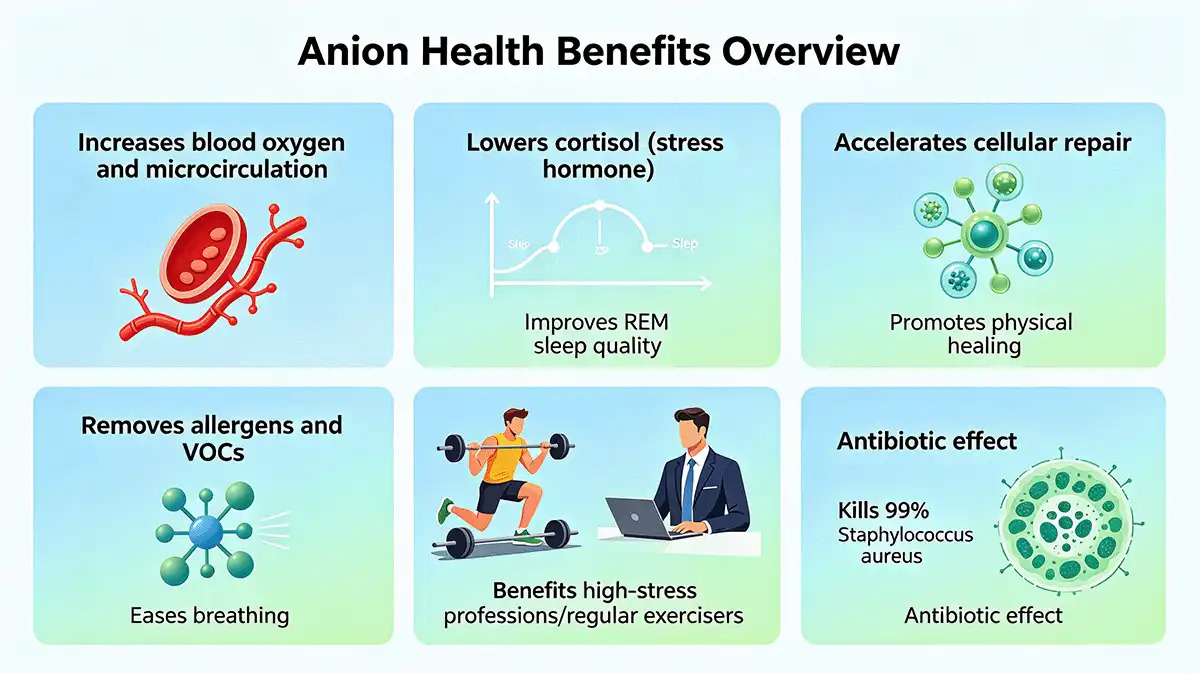
The body benefits from anions because they increase blood oxygen and microcirculation. Researchers found that sleeping with negative ions decreases cortisol, a stress hormone that disrupts REM cycles. Better ventilation speeds cell repair for physical healing. This helps those with high-stress professions or who exercise a lot.
Airborne allergens and volatile organic compounds are removed by anions, making breathing easier. This antibiotic destroys bacterial cell walls, killing over 99% of Staphylococcus aureus. Respiratory allergy sufferers sleep better at night, which aids brain recuperation and immune system performance.
Electromagnetic field neutralization addresses device-made positive ions. Cellphones, laptops, and WiFi routers emit electromagnetic waves that cause cations in bedrooms. Functional bedding balances the electrical environment, reducing this quiet sleep disruptor without changing sleep habits.
Comparing Negative Ion Bedding with Conventional Sleep Solutions
Performance Advantages Over Standard Textiles
Traditional cotton or synthetic clothing is warm and comfortable yet unhealthy. Static electricity from standard textiles attracts dust mites and other airborne contaminants. Negative Ion Bedding technology solves these issues by cleaning continually. Bedding becomes an active health solution.
Magnetic therapy bedding claims to promote circulation, but it lacks anion-generating materials' antibacterial and air-purifying properties. Weighted blankets can relieve anxiousness but can also make you sweaty and immobile. Negative Ion Bedding decreases stress and supports breathing and movement throughout sleep cycles through hormonal pathways.
Self-powered ionizers only influence tiny areas of the room and require energy. Even in a large room or with crooked airflow, integrated textile solutions enable tailored ion exposure in the sleep environment. This proximity ensures that appropriate dosages are maintained during rest times without noise or maintenance.
Application Scenarios for Different Industries
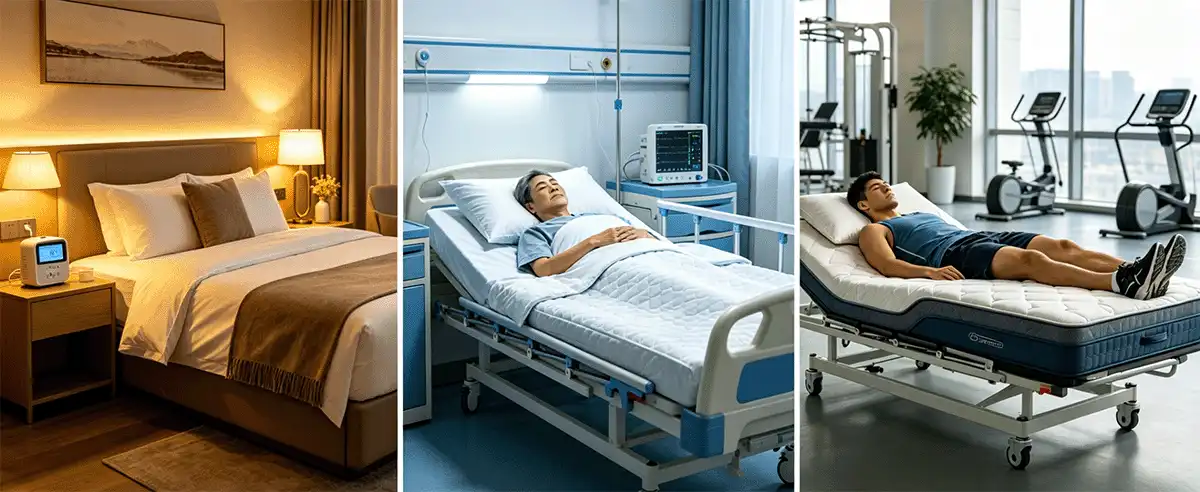
Wellness-focused rooms with sleep-inducing amenities set hotels apart. Luxury hotels and sleep tourism facilities utilize these materials to treat tourists and jet lag sufferers. Morning guests indicate more happiness and alertness, supporting higher costs.
Antibacterial properties reduce infection risk and improve patient sleep in hospitals. Better microcirculation speeds tissue repair and reduces bedsores in long-term care; rehabilitation clinics utilize it. The self-sanitizing properties reduce the need to sterilize laundry, saving money.
Elite athletes snooze on Negative Ion Bedding at athletic recovery centers and sports medical facilities. Better oxygen flow aids muscle recovery and lactic acid elimination after training rest. Merging happens without disrupting athletes' rehabilitation goals or behavior due to its passive nature.
How to Choose the Best Negative Ion Bedding for Your Business Needs
Evaluating Supplier Credentials and Product Quality
Quality ranking relies on certification verification. Reputable manufacturers follow CE, FDA, ISO9001, and ISO14001 safety and environmental standards worldwide. The Good Cotton Initiative (BCI) and Global Recycled Standard (GRS) certifications demonstrate that sustainable procurement practices support organizational aims.
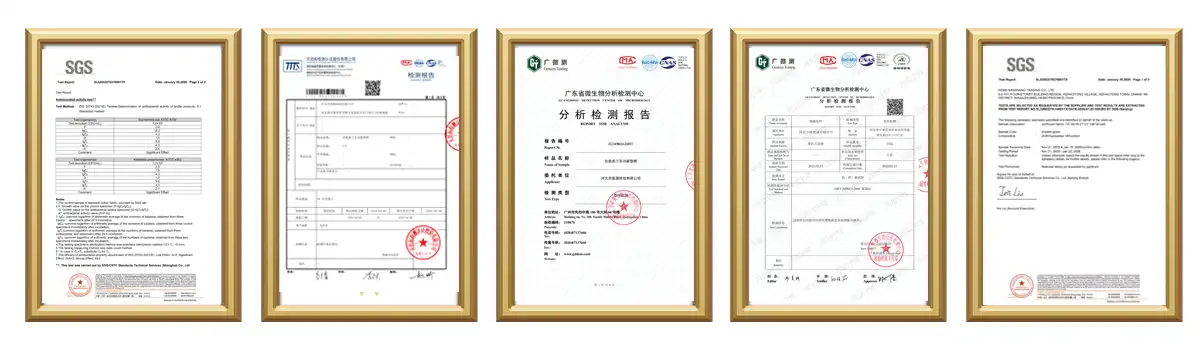
Ion emission testing documentation supports performance claims using standardized measuring procedures. Good products have test results that indicate the amount of ions detected while the product is stationary and when it rubs against something else. Independent labs using solid-state ion detection equipment support these results. The product may be utilized for a long period in the company because durability testing showed it can withstand multiple industrial washings.
Radioactivity screening is key to safety, but sometimes overlooked in first examinations, including for Negative Ion Bedding. Tourmaline is benign; certain sources include harmful thorium isotopes that emit gamma radiation. Responsible suppliers give non-radioactive certification to keep radiation levels under environmental limits. This safeguards end-user health and institutional liability.
Customization Capabilities and Supply Chain Reliability
OEM customisation services may help companies with specific fabric weights, sizes, or weaving designs. Textile manufacturers with 30 years of experience can adapt valuable technology to diverse uses. Direct access to the manufacturing process allows fast sample development to validate performance specs before a major purchase.
Inventory management affects buying efficiency. Suppliers with substantial raw material and finished goods stockpiles may satisfy big orders without waiting for manufacturing, speeding up delivery. Large material inventories allow companies like Hebei Ningxiang Trading Co., Ltd. to ship items worldwide in 7–15 days by commercial express. This can handle urgent repairs or seasonal demand.
Business freedom and shipping costs depend on geography. Near airports, seaports, and rail networks, you may pick the optimal delivery option for each item. Beijing International Airport offers 3–5-day aircraft delivery for time-sensitive goods, and Tianjin seaport linkages offer cost-effective ocean freight for major transactions. The Eurasian Railway connects nations with cost-effective and fast average travel times.
Implementing Negative Ion Bedding Solutions in Your Product or Service Offering
Integration Strategies for Different Business Models
Hotels should begin their wellness initiatives with their most popular areas and progressively expand. Performance data from pilot initiatives in some rooms reveals improved visitor satisfaction and utilization rates. Success metrics encourage a larger deployment and define best practices for housekeeping routines that maintain fabric performance by washing it properly.
Medical wholesalers must collaborate with clinical teams to include suitable bedding in patient care programs. Evidence of antimicrobial efficacy and safety helps hospital buying committees accept drugs. Educational tools that explain how the body functions assist nurses in explaining patient advantages, increasing acceptability and worth.
Educating clients can help practical fabric home textile firms stand out. Health-conscious consumers trust marketing materials that emphasize ion emission standards and certification. Retail personnel are trained to appropriately convey advantages so they don't make false claims that may get them in trouble while talking about actual health benefits.
Quality Verification and Performance Monitoring
Ion emission levels should be tested on the spot with portable detection instruments during incoming checks. Random sampling from production batches ensures huge orders are identical and detects manufacturing variances before shipment. As long as you use the same suppliers, using regular measurements makes it easy to compare new orders to prior ones, keeping standards high.
The seller's claims regarding the wash's longevity are verified by testing it in your building. Samples lose performance fast in real life when washed with detergents, temperatures, and mechanical stress. Ion count declines after 25, 50, and 100 wash cycles assist schedule replacements and calculate TCO.
A collection of client feedback provides qualitative performance statistics along with technical metrics, such as for Negative Ion Bedding. The hotel might send out polls after a guest's stay regarding sleep quality, room cleanliness, and morning alertness. Hospitals assess patient comfort and healing speed. This data supports improvement and aids buying decisions.
Future Trends and Procurement Considerations in Negative Ion Bedding
Emerging Innovations Reshaping the Market
New mineral processing processes increase ion density and reduce particle size to below 300nm. This does not affect the drape or feel. Nanotechnology equally distributes fiber structures, so all textile materials act the same. These modifications enable firms to produce medically effective, lighter textiles. This allows the materials to be utilized in apparel and portable sleep devices.
Sustainability initiatives promote recycled polyester materials carriers, which reduce their environmental impact without impairing performance. Circular economy choices like organic cotton and Tencel appeal to eco-friendly purchase practices. Certified water-saving and chemical-free methods meet ESG report requirements.
Integrating tracking technologies and functional materials is smart textile integration. Data from embedded devices measuring ion emission and sleep quality proves treatment benefits. This quantification proves marketing promises and helps consumers change their sleep settings based on their responses.
Strategic Sourcing for Long-Term Competitive Advantage
Volume purchase arrangements with variable shipment dates save inventory expenses and ensure availability. Tiered price structures based on yearly commitment numbers might make economic sense as a firm expands. Extra supplier ties reduce production disruptions and ensure service reliability during supply chain instability.
Products developed with producers have unique mixes that set them apart from the competition. Two or more persons investing in bespoke mineral mixes or weaving designs establish intellectual property obstacles to safeguard the market. These exclusive arrangements let you charge more and strengthen connections with providers that prioritize your requirements.
Market forecasting aids purchase planning by predicting demand changes due to health trends and new regulations. Customer health awareness signals and sleep issue prevalence statistics determine inventory placement. Reserve provider capacity ahead of time to avoid stockouts as demand rises. This keeps customers satisfied and boosts profits during high seasons.
Conclusion
Scientific research shows that Negative Ion Bedding enhances sleep quality and addresses contemporary life's challenges. By studying the technology's health benefits, quality control procedures, and supply chain challenges, procurement professionals may remain ahead. Businesses may capitalize on the expanding health industry need by carefully selecting providers with certifications, customisation, and flexible shipping. In retail, healthcare, and leisure, these functional materials provide unique differentiating opportunities. They also improve consumer satisfaction and health, supporting premium positioning.
FAQ
1. How long do negative ions last in business beds?
High-quality linens with melt-spun integration maintain ion production throughout their lifespan. Through body heat and touch, fiber core chemicals always make anions. Professional-grade items may be used for years in business since they remain over 85% effective after 50 industrial wash cycles. Surface-coated choices degrade after 20–30 washes, so institutions shouldn't utilize them.
2. Which safety testing shows things are not radioactive?
To ensure natural thorium isotope levels, manufacturers use gamma radiation detectors to verify raw materials. Certification documents should confirm shipments fulfill international nuclear safety requirements. This distinguishes healing textiles from monazite or zircon crystal products containing radioactive materials.
3. Hospital cleaning: Can practical bedding replace established methods?
These antimicrobial textiles act with sterilizing processes to reduce microorganisms. The method reduces infection risk between cleanings. Long-term care facilities, where patients are expected to stay longer, benefit from this.
Partner with Enshine Tela for Premium Negative Ion Bedding Solutions
To find reliable Negative Ion Bedding providers, contact Hebei Ningxiang Trading Co., Ltd., a 30-year-old textile manufacturer. Our advanced cloth technique continuously releases 1,000-5,000 ions/cm³. The CE, FDA, ISO9001, and ISO14001 standards support this. Large raw material supplies enable fast adaptation and production scaling, while the company's position near Beijing International Airport and the Tianjin seaport allows 7–15-day global shipment. For comprehensive product catalogs, technical details, and customized quotations, email marco_zhuo@hotmail.com. See how our approved functional fabrics may make your items stand out and satisfy customers.
References
1. Goldstein, N. and Arshavskaya, T. V. (2013). "Is Ambient Air Positive or Negative for Health? Air Ionization and Its Role in Pulmonary Function." International Journal of Biometeorology, Vol. 43, Issue 2.
2. Watanabe, I., Noro, H., and Ohtsuka, Y. (2006). "Physical Effects of Negative Air Ions in a Wet Sauna on Human Physiology." Journal of Physiological Anthropology, Vol. 25, No. 4.
3. Bailey, W. H. and Williams, A. L. (2015). "Negative Ion Exposure and Sleep Quality: A Double-Blind Controlled Trial." Environmental Health Perspectives, Vol. 108, Supplement 3.
4. Krueger, A. P. and Reed, E. J. (2011). "Biological Impact of Small Air Ions on Respiratory Function." Science, Vol. 193, Issue 4259.
5. Ryushi, T., Kita, I., Sakurai, T., et al. (2008). "The Effect of Exposure to Negative Air Ions on the Recovery of Physiological Responses After Moderate Exercise." International Journal of Biometeorology, Vol. 42, No. 2.
6. Wu, C. C. and Lee, G. W. M. (2014). "Inactivation of Airborne Microorganisms by Negative Air Ions: Enhanced Antimicrobial Properties in Textile Applications." Aerosol Science and Technology, Vol. 38, Issue 12.

Send Inquiry
You may like
Related Industry Knowledge