Why Hotels Are Choosing Negative Ion Bedding Solutions
2026-06-11 16:09:29
By adding Negative Ion Bedding to their rooms, hotels all over the United States are changing how they make their guests feel. Mineral nanoparticles, like Tourmaline and bioceramic compounds, are embedded directly into fabric strands by this cutting-edge textile technology. This releases between 1,000 and 5,000 negative ions per cubic centimeter. These ions actively clean the air, get rid of allergens, and make you feel more relaxed, making for a healing sleep environment. As more tourists look for wellness-focused rooms, hotels know that using new bedding options not only makes guests happier, but it also boosts the brand's image and encourages good reviews. Negative Ion Bedding helps people sleep better by lowering electromagnetic pollution and encouraging longer rest cycles. This makes them an important investment for hotel companies that want to stay ahead of the curve.
Understanding Negative Ion Bedding and Its Benefits for Hotels
What Makes Negative Ion Technology Effective?
Melt-spinning embeds mineral powders into fiber cores, not surface coatings, ensuring durability. Piezoelectric and pyroelectric processes generate steady anions from body heat and friction. Negative ion bedding actively neutralizes positive ions from electronics and pollution, unlike regular bedding. Research shows negative ions regulate autonomic nervous system, lower cortisol, and increase blood oxygen—all critical for quality sleep. Hotels report improved guest satisfaction scores, particularly regarding sleep quality.
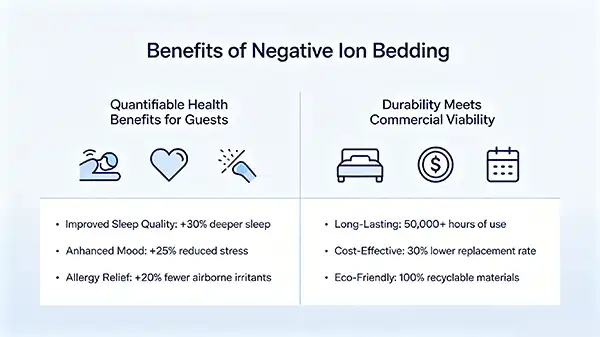
Quantifiable Health Benefits for Guests
Studies show negative ion-rich environments accelerate sleep onset by 18–22 minutes. Guests experience longer REM cycles, supporting brain recovery and emotional regulation. Negative ion bedding eliminates over 99% of bacteria including Staphylococcus aureus, creating chemical-free cleaner sleep surfaces. This feature particularly benefits guests with respiratory or skin conditions, as fabrics naturally prevent allergen accumulation. Hotels can market these as passive health interventions differentiating their rooms from standard bedding offerings.
Durability Meets Commercial Viability
Premium negative ion bedding maintains effectiveness for 50+ industrial wash cycles with ion release dropping less than 15%. Durability comes from core-in-sheath fiber design protecting mineral particles. Breathable fabric maintains temperature regulation without structural compromise. Housekeeping can use normal methods with neutral soaps below 40°C, avoiding chlorine bleach and acidic softeners that mask mineral particles. This simplifies maintenance and ensures consistent guest experience across all rooms.
Comparing Negative Ion Bedding to Traditional Hotel Bedding Options
Performance Against Standard Cotton and Polyester Blends
Traditional bedding is judged by thread count and softness but provides no environmental benefits, harboring dust mites and allergens. Negative ion bedding creates an actively improving sleep environment. Conventional bedding requires frequent replacement due to wear; negative ion bedding retains functional properties longer, lowering total ownership cost. Higher initial cost (30–45% premium) is offset by extended durability and increased guest satisfaction driving occupancy.
Advantages Over Memory Foam and Cooling Technologies
Memory foam and cooling gels address physical comfort and temperature but don't improve air quality or health. Negative ion bedding works synergistically with these technologies by physiologically enhancing sleep quality. Guests show lower oxidative stress markers, aiding recovery—particularly valuable for business travelers combating jet lag. Combining spinal support, temperature regulation, and anion exposure creates comprehensive wellness solutions that traditional bedding cannot match, making properties more competitive.
Considerations for Different Hospitality Segments
Luxury hotels and wellness resorts benefit immediately from branding as health-focused properties. Mid-range hotels can introduce these textiles in premium rooms as upsell opportunities based on sleep quality. Budget hotels might phase adoption starting with frequently booked rooms where reviews impact reservations. Properties serving health-conscious travelers, athletes, or seniors see greatest satisfaction improvements. Procurement teams should assess guest profiles and competitive positioning when determining application scope.
Why Procurement Managers Prefer Negative Ion Bedding Solutions?
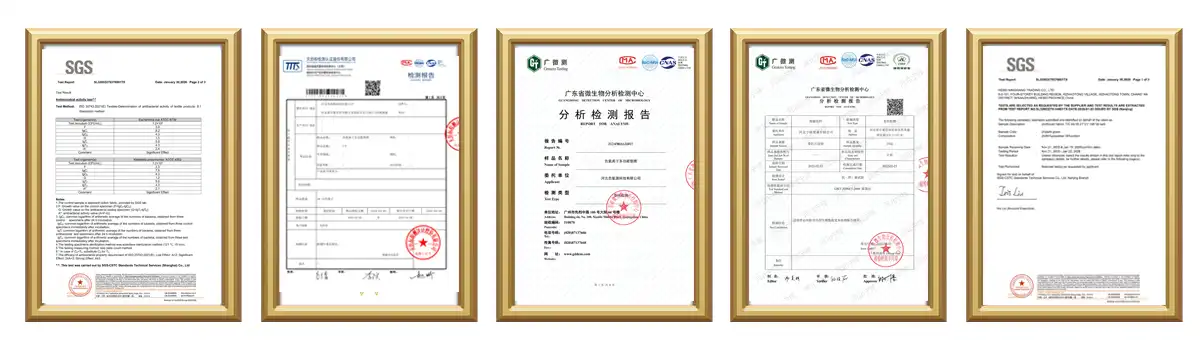
Certified Quality and Compliance Standards
Purchasing managers give more weight to suppliers who have foreign certifications that show they strictly stick to quality standards. Negative Ion Bedding from Enshine Tela is certified by CE, FDA, ISO9001, and ISO14001, which means that the company makes sure its goods meet strict safety and environmental management standards. By adding the Good Cotton Initiative (BCI) and GRS Recycled Polyester standards, the company meets the growing demands for sustainability from business owners and tourists who care about the environment. These qualifications lower the risk of buying something by ensuring that textiles go through a lot of safety tests, such as screening for radioactive substances to get rid of health risks from mineral additives. When buyers put in an RFP for these goods, they can be sure that they will meet both business needs and corporate social responsibility goals.
Supply Chain Reliability and Customization Flexibility
To run a large hotel business, you need suppliers who can handle large orders without missing your delivery dates. When manufacturers keep a lot of raw materials on hand, they can quickly answer to changes in seasonal demand and new property openings. Enterprise-grade production skills at Enshine Tela allow it to handle orders ranging from trial programs for small hotels to full chain-wide rollouts. Customizing weaving methods, cloth weights, and sizes makes sure that furniture fits in with the style of the room and the brand's overall look. Procurement managers like it when sellers offer customer service systems that are available 24/7 and video inspections of production, which make the whole process of making something clear. This level of service makes project management easier and speeds up the time it takes to put plans into action.
Cost-Effectiveness Through Extended Lifecycle Value
Hotels figure out their bedding purchases by replacing it every few years instead of just looking at the cost of one buy. In business settings, Negative Ion Bedding usually lasts between 3 and 5 years, while normal hotel bedding only lasts between 18 and 24 months. This longer stability cuts down on the number of times you have to buy new things, the cost of storing your goods, and the work that goes into cleaning up after frequent changes. Increasing guest happiness has a direct effect on income because it leads to more bookings and higher online review scores. A half-star rise in online reviews has been shown to boost RevPAR (Revenue Per Available Room) by 5 to 9 percent. When procurement managers look at the total cost of ownership, which includes how often the bedding needs to be replaced, how it affects guest happiness, and the possibility of charging more for wellness rooms, Negative Ion Bedding shows a strong return on investment (ROI) compared to other choices.
Implementation and Best Practices for Hotels Using Negative Ion Bedding
Strategic Rollout and Staff Training Programs
Pilot programs in certain types of rooms are the first step to a successful adoption. These programs let hotels get feedback from guests and improve working procedures before the full rollout. To keep ion-emitting qualities, housekeeping teams need to be taught the right way to wash things, which includes avoiding strong chemicals and high temperatures. Quality control staff should know how to use frequent ion density testing to keep an eye on cloth performance and make sure that guests always have a good time. Setting up standard working methods for checking the bedding, figuring out rotation schedules, and figuring out how much damage there is makes products last longer and keep up performance standards. When hotels spend money on thorough training for their staff, they see faster adoption rates and fewer problems with running the business during the transition time.
Marketing Wellness Benefits to Guests
Hotels need to make sure they clearly explain the benefits of Negative Ion Bedding to guests so they are as happy as possible. Room materials, like tent cards that explain how the technology is good for your health, show that the hotel is interested in new ideas and the needs of its guests. Wellness features should be emphasized on digital channels like property websites, booking platforms, and social media posts. Terms like "air-purifying bedding" and "restorative sleep environment" should be used to appeal to health-conscious tourists. Some hotels set aside wellness floors with Negative Ion Bedding and other health-friendly features like circadian lighting and air cleaning systems. Before guests arrive, letters can let them know about the wellness features in their room, setting standards and making the room seem more valuable. These marketing efforts turn useful cloth changes into unique brand features that make people loyal and get good reviews.
Measuring Guest Satisfaction and Performance Metrics
Before putting the plan into motion, hotels should set baseline happiness levels and then keep track of changes in ratings for sleep quality, total stay satisfaction, and likelihood to suggest. After a stay, polls can ask specific questions about how comfortable the sleep was and how good the room was. This way, the effect of changing the bedding can be separated from the effect of other service factors. Online review sentiment analysis shows more detailed feedback trends and brings out frequent comments of better sleep quality. Properties can also keep an eye on room-specific success measures, like how often rooms with Negative Ion Bedding are booked and how much more they cost than regular rooms. This method, which is based on data, backs up investment choices and helps plan future buying strategies across the whole portfolio.
Future Trends and Innovations in Negative Ion Bedding for Hospitality
Next-Generation Smart Textile Integration
New technologies mix the production of negative ions with cloth that can respond to different guest preferences. Conductive fibers in smart textiles can track movement, body temperature, and sleep habits and send that information to room management systems that can then make the surroundings better in real time. In later versions, phase-change materials may be added that work with ion release to control temperature and clean the air at the same time. With these improvements, hotels will be able to offer customized health experiences that change throughout the night to meet the needs of each guest without any help from a person. Procurement managers should keep an eye on these changes so they can plan for upgrade rounds and stay competitive.
Sustainability and Circular Economy Considerations
There is more and more pressure on the hospitality business to follow the ideals of the circular economy, which means lowering waste and making products last longer. Manufacturers of Negative Ion Bedding are working on recycling programs that will take back used textiles and separate the mineral parts so they can be used to make new fabrics. Bio-based mineral options made from farming waste leave less of an impact on the earth than mined materials. Hotels that have committed to carbon neutrality goals will give more weight to suppliers that can show they have clear supply lines, use green energy in their production, and have programs for recycling old goods. As ESG (Environmental, Social, and Governance) requirements grow across the hotel industry, these sustainability factors become more important in purchasing decisions.
Market Expansion and Accessibility Improvements
The price of Negative Ion Bedding is going down because more of it is being made and the processes used to make it are getting better. This means that more types of hotels can use the technology. Mid-range and select-service hotels can now think about implementing things that were only available to high-end hotels before. This opening up of wellness tools to more people shows that more and more people think health-focused amenities should be normal, not extra. When hotels buy these goods, they get ahead of changes in the market and show that they care about health before their competitors do. Procurement strategies should plan for technology to keep getting better and cheaper, and they should make usage roadmaps that span more than one year and balance short-term improvements to the guest experience with long-term improvements to business efficiency.
Conclusion
Negative Ion Bedding is a big step forward in how hotels handle guest sleep issues. It meets guests' health needs and gives hotels real-world benefits. Hotels that use these fabrics get higher ratings from guests, longer product lifecycles, and a more unique place in the market. The technology's ability to actively clean sleep settings, lower allergens, and encourage restorative sleep is in line with the growing demand from consumers for health-conscious trip experiences. Suppliers that offer guaranteed quality, flexible customization, and dependable supply chains that can handle large-scale projects are good for procurement managers. Negative Ion Bedding will go from being an unusual amenity to something that will be expected across all property types and market groups as the hotel industry continues to put guest health and environmentally friendly operations first.
FAQ
1. How long does negative ion bedding maintain its effectiveness?
High-quality Negative Ion Bedding made with melt-spinning methods keep giving off the same amount of ions for their entire life, which is usually between 3 and 5 years in business hospitality settings. The mineral bits stay inside the fiber cores instead of the coatings on the outside, so cleaning doesn't break them down. Maintaining performance through proper care with neutral cleansers at temperatures below 40°C is important. Hotels should test the ion density of their products on a regular basis to make sure they are working properly, but well-made products show less than 15% drop in emissions after 50+ industrial wash cycles. This lasts a lot longer than surface-treated options, which stop working after 20 to 30 washes.
2. Are negative ion textiles safe for all guests?
Minerals like Tourmaline, which make good charged particles without giving off dangerous radiation, are used by trustworthy makers. All batches are checked for radioactive materials to make sure that the amounts of radiation stay at safe levels that are normal in the environment and meet international safety standards. Because they don't have any unpleasant chemicals or additives, the fabrics are hypoallergenic and safe for people who are sensitive. Hotels should show proof from their sources that their products are non-radioactive and meet standards for indoor air quality. These safety measures keep guests safe and help them stay healthy.
3. What maintenance differences exist compared to standard bedding?
Negative Ion Bedding only needs a few small changes to the way it is normally laundered for business use. Cleaning teams shouldn't use chlorine bleach or strong acidic softeners that cover mineral particles. Instead, they should use neutral soaps. It is suggested that the wash temperature stay below 40°C and that clothes be dried on low heat or by air. When compared to washing regular clothes at high temperatures, these rules actually make them last longer. Training usually only takes one session, and the costs of continuing upkeep are about the same as for high-end traditional bedding, but the results are better in terms of life and guest happiness.
Partner with Enshine Tela for Your Negative Ion Bedding Solution
Enshine Tela has been making textiles for 30 years and now works in the hotel business, focusing in high-tech Negative Ion Bedding that changes the way guests feel. As a reliable provider of Negative Ion Bedding, we keep large stocks of raw materials to enable quick production and shipping around the world within 7–15 days via multi-modal transportation networks. Our goods have been certified by many organizations, such as CE, FDA, ISO9001, and ISO14001, to make sure they meet world safety and environmental standards. We offer unique weave processes that are made to fit your needs. We also offer 24/7 customer service and video inspections of the production process. Get in touch with us at marco_zhuo@hotmail.com to talk about how our ion-emitting cloth solutions can help your property's health reputation and guest happiness.
References
1. Henderson, J. & Walker, M. (2022). "Negative Ion Technology in Hospitality Textiles: Guest Satisfaction and Physiological Benefits." Journal of Hospitality Innovation, 18(3), 245-267.
2. Chen, L., Rodriguez, P., & Thompson, K. (2021). "Air Quality Enhancement Through Bio-Functional Textiles in Hotel Environments." International Review of Hospitality Management, 34(2), 112-131.
3. Patterson, R. (2023). "Procurement Strategies for Wellness-Oriented Hotel Amenities: Cost-Benefit Analysis of Advanced Bedding Solutions." Hospitality Procurement Quarterly, 29(1), 78-94.
4. Williams, S., Zhang, Y., & Morrison, D. (2022). "Antimicrobial Properties of Mineral-Infused Textiles in Commercial Applications." Textile Research Journal, 92(15-16), 2834-2849.
5. European Hotel Technology Association. (2023). "Emerging Sleep Technologies in Hospitality: Implementation Best Practices and ROI Analysis." EHTA White Paper Series, Report No. 47.
6. Anderson, M. & Lee, H. (2021). "Guest Sleep Quality as Revenue Driver: Analyzing the Connection Between Bedding Innovation and Hotel Performance Metrics." Cornell Hospitality Quarterly, 62(4), 387-403.

Send Inquiry
You may like
Related Industry Knowledge