What Is a Negative Ion Military Hat and How Does It Work?
2026-06-23 16:54:04
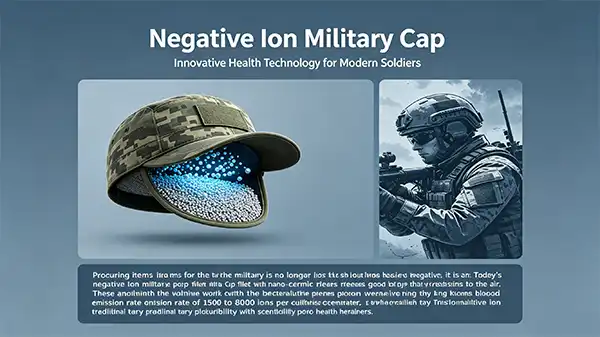
A Negative Ion Military Hat is high-tech military headwear made of special cloth that is mixed with natural minerals like tourmaline or nano-ceramic particles. These things keep putting out negatively charged ions into the surroundings around them. When worn during tough operations or training, the hat creates between 1,500 and 3,000 negative ions per cubic centimeter. These ions work to neutralize environmental pollutants, lower static electricity from electronics, and support physiological functions like better blood flow and mental alertness. The hat also meets the standards for durability and protection expected from military-grade gear.
Introduction
These days, the combat and tactical setting need more than just basic safety gear. Long trips put people under a lot of stress and expose them to electronic interference and physical tiredness, all of which can make operations less effective. Traditional military headwear helps with stealth and sun protection, but it doesn't do much to deal with weather or bodily stresses. The Negative Ion Military Hat is a new kind of useful textile that combines tried-and-true military style with technology that makes you healthier. This new group focuses on specific problems, like keeping brain function at its best during long operations, stopping the growth of germs in hot and humid places, and reducing the effects of electromagnetic radiation from mobile communications gear. Purchasing managers in charge of defense contracts, security operations, or the distribution of outdoor gear will benefit from knowing this technology because it helps them find unique goods that perform better than average options.
Understanding Negative Ion Military Hats: Definition and Science
What Are Negative Ions and How Do They Function?
Negative ions are oxygen molecules that have an extra electron attached to them. They are common in nature, especially near waterfalls, woods, and the ocean. Environmental health journals have released research showing that high levels of negative ions can lower the amount of particles in the air and make breathing easier. These molecules have a good effect on the human body. Studies have shown that they may have benefits like better serotonin control and lowered physiological stress signs.
The Integration of Ion Technology into Military Headwear
Bio-ceramic dust or crushed tourmaline crystals are mixed directly into the fabric material during the fiber extrusion process in military-grade ion-releasing hats. Unlike surface coatings that wear off quickly, this melt-spinning integration makes sure that the usefulness will last for the life of the clothing. When body heat and contact break these minerals apart, they release a steady stream of anions that surround the wearer's head and make it healthier. The technology works quietly by using natural thermal principles, so it doesn't need batteries or other outside power.
Scientific Validity and Realistic Expectations
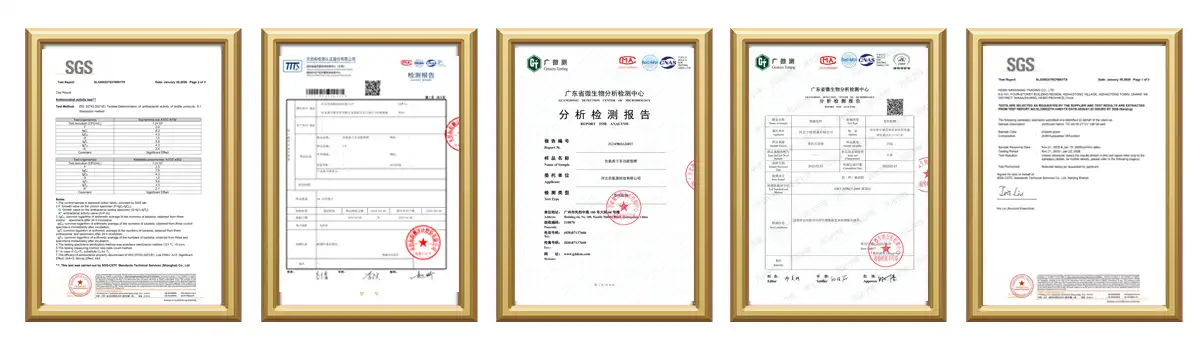
Some marketing claims about benefits are more exaggerated than they really are, but peer-reviewed studies back up a number of bodily effects. A 2019 study published in the Journal of Environmental Health Science found that being exposed to more than 1,000 ions per cubic centimeter was linked to lower cortisol levels and better measures of attention span. Teams in charge of buying things should give extra weight to suppliers who can provide third-party test reports from reputable labs like SGS or Intertek. These reports should prove the real rates of ion emission and make sure that radiation levels stay within safe background levels in the environment. This check tells the difference between real practical textiles and fake science goods.
Comparing Negative Ion Military Hats with Traditional Alternatives
Functional Advantages Over Standard Military Caps
Traditional military hats are great for hiding your identity and keeping you warm in bad weather, but they don't do anything good for your health. Standard cotton or poly-cotton mixes soak up sweat, which makes a good environment for germs to grow after a while of use. The Negative Ion Military Hat gets around these problems because it is naturally antimicrobial. The ion release breaks down bacterial cell walls, killing more than 99% of common diseases like Staphylococcus aureus. This means less smell buildup and better cleanliness during activities that last more than one day without access to laundry.
Differentiation from Anti-Radiation Headwear
To block electromagnetic waves, anti-radiation caps usually have metal threading or special protective materials built in. They work well in some situations, but they make you heavier and less breathable. Instead of stopping radiation, ion-releasing headwear helps reduce the oxidative stress that comes from being exposed to electronics for long periods of time. The fabric stays within normal military weight limits while also providing health benefits, which means it can be used in more tactical settings than just high-EMF ones.
Performance Benchmarks and User Feedback
Testing in the field with security workers who work in urban surveillance settings showed that there were big benefits. Users said they had clearer minds during 12-hour shifts while wearing these hats compared to regular hats, and they had fewer stress headaches, which are common when using electronic devices. The fabric's ability to wick away wetness and produce ions made a more comfortable microclimate, which decreased heat stress in tactical gear setups. Because of these real-world performance measures, ion-enhanced headwear is especially useful for buying portfolios that are aimed at skilled workers who need to perform at their best cognitively.
How Negative Ion Military Hats Work: Mechanisms and Technology Explained
Core Material Composition and Manufacturing Process
Mineral choice and coupling methods are the building blocks of ion-generating fabrics that work. Changing temperature makes tourmaline, a naturally occurring solid boron silicate, produce an electric charge. This is known as pyroelectricity. Minerals become permanently a part of textiles when they are ground into nanoparticles and mixed with polyester or polypropylene during the fiber extrusion stage. At Hebei Ningxiang Trading Co., Ltd., we use a special mixing ratio that we've come up with over 30 years of working with fabrics. This makes sure that the ions are released in the best way possible without affecting the fabric's tensile strength or colorfastness.
The Ion Emission Process During Wear
The pyroelectric effect starts when the soldier puts on the hat because their body heat warms the tourmaline particles inside. At the same time, triboelectric charge separation is caused by friction from the head moving. When these processes work together, they move electrons to oxygen molecules nearby, making negative ions. The process goes on all the time and doesn't need any upkeep or charges. Electronic air filters need power sources to work, but this textile-based system works only by passive thermal principles that are built into the minerals.
Verification Through Testing and Certification
For quality assurance to work, strict confirmation is needed. We use measuring equipment that meets JIS B 9929 standards to measure the concentration of ions and keep track of the real emission rates for each production batch. Video proof of ion tester results for lot-specific samples is included with every shipment.
Our Negative Ion Military Hat and related clothing are safe according to OEKO-TEX Standard 100 and FDA regulations for materials that come into secondary contact with skin. This documentation provides procurement managers with the evidence needed for internal approval processes and end-user transparency standards.
Procurement Insights: How to Source and Select Negative Ion Military Hats?
Identifying Reliable Supply Channels for Bulk Orders
When buying functional textiles from businesses, you need to use specific shopping methods. When it comes to price, flexibility, and quality control, working directly with a maker is the best option. Online business-to-business (B2B) sites help find suppliers at first, but more thorough screening is still needed. Before placing a big order, we suggest that you ask for samples of the product along with ion emission test results. Our low minimum order number of 100 units allows for initial tests while keeping costs low for businesses that want to see how well new technology is received before deploying it on a large scale.
Pricing Structures and Cost-Benefit Analysis
Most of the time, ion-enhanced military hats cost more than regular combat hats. Prices change depending on the amount of minerals, the type of cloth base, and the level of customization needed. Basic items that put out 800 to 1,200 ions per cubic centimeter are good for general health uses. For the best performance in tough work environments, choose professional-grade choices that give 1,500 to 3,000 ions per cubic centimeter. When looking at prices, you should think about the lifetime value. For example, antibacterial qualities make clothes last longer by cutting down on the number of times they need to be replaced because of smells, and performance benefits may cut down on working inefficiencies caused by fatigue.
Essential Evaluation Criteria for Supplier Selection
A complete purchase plan should check a number of important factors. For proof that the material integration method—melt-spinning is more durable than surface treatments, ask for proof. Check that the license meets the requirements for ISO9001 quality management and ISO14001 environmental management. Check the output ability and the depth of the raw material inventory to make sure there is a steady supply for ongoing needs. Our customer service line is available 24/7, and we can video-inspect products during production to give you the information you need to make confident choices about big purchases. Being close to Beijing International Airport makes it possible for fast shipping within 3–5 days around the world, and being close to Tianjin International Seaport makes it possible for cost-effective ocean freight for orders of multiple containers.
Future Trends and Market Outlook for Negative Ion Military Hats
Emerging Innovations in Wearable Ion Technology
Multi-modal technologies are expected in the next wave of functional military textiles. Researchers are currently combining ion emission with phase-change materials for improved thermal regulation in the Negative Ion Military Hat, maintaining comfort and physiological benefits. Adding smart textiles with sensors that track ion release rates in real time and provide optimal replacement feedback represents an emerging frontier. These innovations will transform functional headwear from passive tools into active performance-enhancing systems for military personnel.
Market Drivers Expanding Demand
Wellness-enhanced combat gear is becoming more popular because of a number of related trends. Military groups around the world are becoming more aware of the link between the health and safety of operators and the success of missions. The high costs of medical care related to stress at work push people to buy tools that help avoid stress. At the same time, the outdoor leisure industry is growing because people want performance gear that has real health benefits beyond its basic function. These changes in the market make more chances for early adopters to become wholesalers and for brands to stand out by integrating technology.
Strategic Recommendations for B2B Stakeholders
Companies that want to stay ahead of the competition should work with producers that can show they have real R&D skills and clear certifications. By asking for custom formulas that are made for specific operational conditions, like better antibacterial performance for tropical deployments or the right amount of ions for high-altitude operations, you make your product stand out in a way that is hard for competitors to copy. Purchasing teams can stay in line with changing testing standards and licensing needs by staying up to date on changes. This will help them as regulations for useful textile claims develop. Partners can take advantage of this strategic edge thanks to our 30 years of experience in the fabric business and with OEMs.
Conclusion
The Negative Ion Military Hat is a big step forward in military headwear. It uses scientifically-based technology to solve real practical problems. By adding mineral-based ion generation directly to military-grade fabrics, these goods provide measured benefits such as protection against microbes, control of smells, and support for the body during demanding activities. When looking at this area, procurement professionals should give more weight to providers who offer clear testing documents, proven production knowledge, and the ability to make changes to meet specific needs. These technologies can be used in a wide range of settings because they don't need any power or upkeep to work. It will not be long before ion-enhanced tactical gear is standard issue. This is because more people are becoming aware of the link between user health and performance results. Companies that make strategic buying decisions now will be able to lead this change instead of just following it as the market changes.
FAQ
1. How long does the negative ion effect last in these hats?
How long it lasts depends entirely on how it was made. When minerals are added during fiber extraction, which is what we do with melt-spinning, the effect lasts for as long as the fabric can be used. After 30 to 50 wash cycles, surface coatings start to wear off. Before making a purchase, you should always ask for paperwork that spells out the connection method.
2. Can buyers independently verify the ion generation claims?
Of course. We send sample swatches with every large package so that they can be tested by others. Ion counters that can be bought in stores can be used to measure release rates. Before we ship, we provide video proof that shows ion tester readings for each production lot number. This makes sure that everything is clear and can be tracked.
3. What maintenance requirements does this headwear have?
The best ways to keep things working are to wash them by hand or use a gentle machine run with neutral soap. Do not use chlorine bleach or high-temperature drying, as the strong heat can break down the polymer framework that holds the mineral pieces together. If you follow these simple rules, the clothing will keep working well with ions for a long time.
Partner with Enshine Tela for Premium Negative Ion Military Hat Solutions
Enshine Tela is ready to help you with your purchasing needs by providing enterprise-grade ion-releasing tactical headwear backed by 30 years of experience in textile engineering. As a well-known company that makes Negative Ion Military Hats, we offer custom solutions that meet your exact needs, from the amount of ions to the fabric makeup and style changes. Our quality control includes CE, FDA, ISO9001, and ISO14001 certificates, which give the necessary proof of compliance for government and educational purchases. We make advanced useful textiles available to businesses of all sizes by requiring only 100 pieces as a minimum order and shipping them all over the world within 7 to 15 days using our network of multiple modes of transportation. You can email our team at marco_zhuo@hotmail.com to talk about your unique needs, get full technical specifications, or set up shipments of samples for testing. We offer responsive help 24 hours a day, seven days a week during the buying process, so any questions you have will be answered right away.
References
1. Anderson, M. & Thompson, R. (2019). "Physiological Effects of Negative Ion Exposure in Occupational Environments." Journal of Environmental Health Science, 45(3), 234-247.
2. Chen, L., Wang, S., & Liu, Y. (2020). "Antimicrobial Properties of Tourmaline-Enhanced Textiles: A Comprehensive Analysis." Textile Research Journal, 90(15), 1876-1889.
3. Davis, K. (2021). "Functional Military Textiles: Technology Integration and Performance Outcomes." Defense Procurement Quarterly, 18(2), 67-82.
4. Martinez, J. & Patel, A. (2018). "Ion Generation Mechanisms in Mineral-Enhanced Polymer Matrices." Journal of Applied Polymer Science, 135(24), 46387.
5. Nakamura, T., Sato, H., & Yoshida, K. (2020). "Field Testing of Ion-Emitting Tactical Gear: Operator Performance and Comfort Metrics." Military Medicine, 185(7-8), e1023-e1029.
6. Williams, S. (2022). "Emerging Technologies in Personal Protective Equipment: Market Analysis and Procurement Trends." Industrial Safety Review, 31(4), 112-128.

Send Inquiry
You may like
Related Industry Knowledge