What Is a Negative Ion Blanket? Uses and Buyer Guide
2026-08-26 15:34:51
A negative ion blanket represents an innovative wellness textile that integrates mineral-embedded technology to generate beneficial anions during rest. These specialized bedding products utilize naturally occurring minerals like tourmaline to release negative ions—the same particles found near waterfalls and forests—creating an environment that supports improved sleep quality, air purification, and bacterial reduction. Unlike conventional blankets, this technology works passively through body heat activation, offering health-conscious consumers and businesses a non-electric solution for enhancing indoor environments. Understanding these products helps procurement professionals evaluate their potential for healthcare, hospitality, and wellness applications where sleep quality directly impacts customer satisfaction and recovery outcomes.

Understanding Negative Ion Blankets: Science and Benefits
How Negative Ion Technology Works in Textile Applications
The primary concept of anion-generating textiles is to include helpful minerals into the structure of fabrics. These pebbles are piezoelectric and thermoelectric . When exposed to the heat of the body , and friction in usage , electrons may escape into the air . These electrons combine with oxygen molecules to form negative ions. The number of these ions may be found. They range from 1,200 to 5,000 per cubic centimetre. It is a good long term remedy for health concerns since it is happening constantly and doesn't require any energy.
During the production process, nano-ground mineral powder (generally less than 5 microns) is incorporated directly into the polymer fibre or coating layer. This ensures that the ion-forming capacity is retained after repeated washings. Quality solutions are still over 90% effective after 50 or more wash cycles, so they’re an excellent option for commercial environments where dependability is crucial.
Scientific Evidence Supporting Health Benefits
There are a variety of physiological impacts of exposure to negative ions that have been proven to be essential in sleep and health contexts. Research has shown that higher quantities of anions may influence serotonin levels, which may in turn reduce stress measures and promote relaxation. Electronic gadgets and air conditioners emit positively charged particles, which are neutralized. This makes the air surrounding sleeping spots cleaner to breathe.
The ability of the negative ion blanket to kill bacteria comes from how anions interact with the cell membranes of bacteria. Negative ions have electric charges that mess up the metabolic processes of common bacteria like Staphylococcus aureus. This stops the growth of bacteria that cause smells without using chemicals. This makes the sleeping area cleaner, which is especially helpful in hospital situations where preventing infections is very important.
Negative ions attach to particles in the air, making them too heavy to remain suspended, thus improving air quality. This natural filtering action may reduce concerns about volatile organic compounds and allergens that build up inside and aid with breathing comfort while you sleep.
Safety Considerations and Proper Use Guidelines
Concerns about the safety of radiation must be carefully considered when decisions are being made about purchases. Reliable makers use mineral sources that aren't radioactive and offer third-party testing reports that show radiation levels stay at normal levels for the environment. To make sure they are safe for consumers, products that meet RoHS and REACH standards go through strict batch testing using standardized monitoring equipment.
The incorporated minerals are safe for skin contact because they stay inside the fiber structure and don't show up on the fabric's surface. This design keeps you from being directly exposed to the ions while still letting them work properly through the open cloth structure.
For the best results, these blankets should be used in rooms with good air flow so that negative ions can spread throughout the resting area. Regular washing with mild detergents is part of maintenance. It's best to avoid harsh chemicals that could damage the base fabric while leaving the mineral content alone. If the physical structure stays the same, the power to generate ions will last forever. However, the textile itself usually only lasts three to five years under normal business use conditions.
Comparing Negative Ion Blankets with Other Popular Blanket Technologies
Functional Characteristics Across Different Technologies
Weighted blankets use the pressure from glass beads or metal pellets to create deep touch pressure, which may help reduce nervousness through proprioceptive input. But they are very bulky and might not be comfy in warm weather or for people who have trouble moving around.
Electric blankets have heating elements built in that can be adjusted to keep you warm. This helps you control the temperature, but it raises concerns about electromagnetic field exposure, fire risks from malfunctions, and ongoing electricity use. Handling them carefully is needed to keep the wires from getting damaged, and they usually don't last as long because the heating element breaks down.
Anion-releasing fabrics work by passively activating minerals. They don't need to be supported by weight or have electrical infrastructure. This method gets rid of the safety issues that come with burning while still improving the air quality all year round, no matter what the weather is like. The technology isn't just about controlling temperature; it's also about improving the environment.
Health Benefits and Safety Profiles
The weighted blanket works mostly by adjusting sensory input instead of environmental factors to help people who have trouble sleeping because of anxiety. People who have breathing problems, circulation problems, or anxiety may not be able to use them, even though they can help some people.
Electric blankets are known to have risks, such as burns from prolonged exposure to localized heat, electromagnetic sensitivity issues for some users, and fire hazards when they don't work right, unlike a negative ion blanket. Because of these legal concerns, many healthcare centers don't let people use them.
Negative ion fabrics are good for your health because they improve air quality and kill germs without any physical or electrical risks. Although it operates passively, it can be used by a wide range of people, including older people, children, and people who are sensitive to temperature or pressure changes. Because of this, they work well in business settings that serve a wide range of customers.
Energy Efficiency and Practical Considerations
Electric blankets use a certain amount of energy when they are being used, which adds to the cost of buying one in the first place. Different models use different amounts of energy, but most use between 100 and 200 watts when they are actively heating.
Weighted blankets don't use any energy, but they take up a lot of space when they're not in use and are hard to wash because they're so heavy. A lot of commercial laundry rooms charge extra for items that are too big or too heavy.
Ion-generating blankets work without using any energy and follow normal care instructions for textiles. Because they are so light, it's easier for hospitals and hotels that have to handle large amounts of bedding to keep track of supplies and clean them. Total cost of ownership calculations are better for procurement teams that are watching their budgets when there are no operating costs and little maintenance needs.
Buyer's Guide: How to Choose the Best Negative Ion Blanket for B2B Procurement
Critical Selection Criteria for Commercial Applications
Material consistency is the basis of how well a product works and how long it lasts. Polyester fabrics with mineral-embedded fibers are the best because they are soft, durable, and able to generate ions. Some of the more expensive choices have flannel or pink fleece textures that feel great in your hand while still being useful. The requirements for buying something should list the ranges of fabric weights that are right for the season and climate in the area.
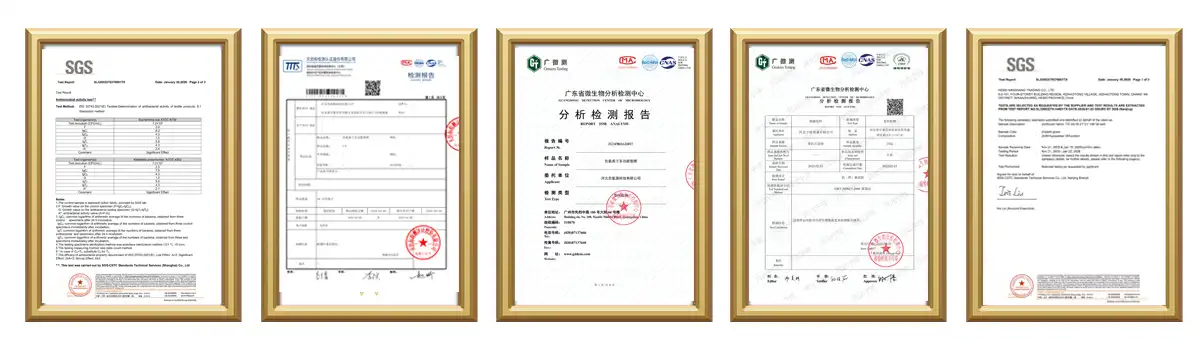
Levels of ion concentration have a direct affect on how well something works. Enterprise-grade goods give off more than 1,500 ions per cubic centimeter. For verification, electrostatic induction ion counters must be used, and reliable providers offer third-party laboratory certifications that back up the performance metrics that were mentioned. Requesting test records from approved sites saves you from marketing claims that are too good to be true.
According to SATRA or similar textile industry standards, durability testing should check the fabric's tensile strength, resistance to compression, and how well it works in the wash cycle. Products that keep more than 90% of their ion generation efficiency after 50 wash cycles are examples of high-quality tech that can be used in business settings where laundry is done often.
Safety certificates like CE, FDA, ISO9001, and ISO14001 approval show that the company follows international quality management systems and rules. Sustainability issues are becoming more and more important to both businesses and consumers, and more standards like BCI (Better Cotton Initiative) and GRS (Global Recycled Standard) are being issued to solve these issues.
Procurement Strategies and Order Considerations
Custom ion-generating textiles usually have a minimum order quantity of 100 pieces. This lets brands see how well they do in the market while also taking advantage of economies of scale. This level of support works for both small health brands and bigger hotel groups that are starting pilot programs before going live.
By changing the fabric weight, size specs, package design, and private labeling, OEM customization for the negative ion blanket lets products stand out. Working together with skilled makers to create new products lets brands make their own products that fit with their market positioning strategies. The process of customization should include steps for approval of samples, with clear quality standards and production schedules.
Commercial textiles have different warranty structures than consumer textiles. Instead of covering each individual item, commercial textiles focus on batch consistency guaranties and defect replacement protocols. Contracts for buying things should include accepted defect rates, steps for fixing problems, and quality assurance testing plans, such as video inspection choices during production runs.
Price Analysis and Value Assessment
Anion-releasing blankets of good quality cost between $15 and $45 per unit at wholesale prices, depending on the size, fabric type, mineral concentration, and order volume. Although these textiles are more expensive than regular ones, the difference is due to more modern manufacturing methods and practical benefits that support higher retail price strategies.
The total cost of ownership, which includes shipping costs, the cost of keeping goods, and the expected product lifespan, should be calculated as part of the value estimate. A blanket that stays useful for three to five years and doesn't cost anything to run is a good choice to options that need new batteries, power, or professional cleaning services.
In wellness-focused markets, the potential for making money justifies the higher costs of buying products that allow retailers to charge more and set brand offerings apart. These products can be used as extra services to justify higher room rates or higher patient satisfaction scores in hotels that promote wellness amenities and hospitals that focus on recovery environments.
Practical Applications and Use Cases in Global B2B Environments
Healthcare and Medical Facility Implementation
Recovery wards and rehabilitation centers are great places to use better sleep because it directly affects how well patients do. Concerns about hospital-acquired infections are eased by the air purification properties, which also make healing environments more comfortable. When medical facilities use these textiles, patient happiness numbers go up when it comes to how clean and comfortable the rooms are.
Antibacterial traits help senior care facilities a lot because they cut down on smelly problems that are common in long-term care settings. Lightweight and not restricting, it's better for elderly residents than heavier options that could be uncomfortable or pose safety risks. Staff members like how easy it is to wash healing bedding compared to other bedding that needs special handling instructions.
Healthcare procurement strategies stress bulk buying to make sure that patients have the same experience in all rooms and areas. Volume commitments allow facilities to offer better prices and consistent quality as they add more wellness-focused amenities, setting their services apart in competitive markets.
Hospitality Industry Applications
Anion-generating bedding is a signature feature of many high-end hotels and relaxation retreats that show they care about their guests' health. People who are health-conscious and ready to pay more for homes that offer real wellness benefits beyond standard accommodations are interested in marketing materials that stress these features.
These products, including the negative ion blanket, are used by business hotels that cater to frequent travelers to help their main customers deal with jet lag and stress. "Forest bathing" is a concept that appeals to city professionals who want to relax in nature but don't have access to many green spaces outside their homes.
Private label customization lets hotel brands make their own lines of products that guests can buy. This creates extra income and gives guests more chances to interact with the brand outside of the stay. This way of making more money is easier to do when you work with textile makers who offer retail-ready packaging and delivery help.
Corporate Wellness Program Integration
Employers who are on the cutting edge of health programs at work use useful textiles as incentives or let employees buy them directly through employee benefit platforms. The goods help the company reach its health promotion goals and give workers useful things they can use for themselves.
Executive rest areas and overnight facilities on sites that allow for longer work sessions can benefit from improvements to the surroundings that help with stress management and cognitive performance. Companies that put the health and happiness of their employees first stand out in competitive job markets, where wellness programs have a big impact on hiring and keeping employees.
These products help athletes recover better between workouts and are used by athletic training facilities that work with both professional and amateur athletes. Better air quality and possible benefits for circulation add to current recovery methods like cryotherapy, compression treatment, and nutritional support.
Conclusion
The growing sleep economy gives brands that use modern cloth technologies in their products a lot of great chances to make money, especially with the negative ion blanket. Anion-generating blankets meet several market needs at once, including those for wellness, caring for the environment, and a high-end look. This makes them particularly useful in the healthcare, hospitality, and consumer wellness industries. When buyers look at these items, they should focus on the ones with confirmed ion emission rates, lifetime approvals, and suppliers that can support consistent quality at scale. This technology is better than other wellness bedding options because it has no operational costs, works passively, and can be used in a wide range of situations. Strategic relationships with experienced makers allow for flexible design and reliable delivery, which can help with both small-scale tests and large-scale operations. As people become more aware of environmental health issues, the first companies to use functional textiles create a competitive advantage that is hard for other companies to quickly copy.
FAQ
1. How do I verify a supplier's negative ion blanket actually generates the claimed ion concentration?
Ask for test results from a third-party lab that was used to do the work and was certified to use accurate electrostatic induction ion counters. Manufacturers that are legit show approval from SGS or a similar organization that shows ion emission rates were tested under normal conditions. When evaluating a seller, find out how they test their goods and ask for samples so that you can check them out on your own before committing to large orders.
2. What represents reasonable pricing for commercial-grade products?
The wholesale price is usually between $15 and $45 per unit, but it depends on the size, quality of the fabric, and amount of minerals in it. Prices below $10 usually mean low-quality materials or false promises about how well they work. On the other hand, prices above $50 should mean high-quality fabrics, lots of customization options, or extremely high ion production rates that can be proven through paperwork.
3. Can these blankets replace other air purification systems in commercial settings?
They don't replace dedicated infrastructure for cleaning the air; instead, they add to it. Localized ion generation improves the microenvironments around sleeping areas, but it doesn't cover as much space or filter as well as whole-room HVAC systems. Combined implementation gives the best results for buildings that put complete air quality control first.
Partner with Enshine Tela for Premium Negative Ion Blanket Solutions
Enshine Tela has been making textiles for 30 years and specializes in high-performance anion-generating products for demanding B2B customers. They are now entering the wellness bedding market. Our enterprise-grade negative ion blanket source can give emission rates of 1,500+ ions/cc, and it has been shown to last more than 90% of the time after 50 wash cycles. We keep a lot of raw materials on hand so that we can make samples quickly and fill large orders. We also keep a lot of finished goods on hand so that we can ship them all over the world in 7 to 15 days thanks to our location near Beijing International Airport and Tianjin International Seaport.
Our full OEM customization services take care of all of your unique buying needs, such as changing the cloth weight, the size, adding your own label, and designing gift packaging that works for high-end stores. With CE, FDA, ISO9001, and ISO14001 certifications, which make sure it meets international standards, every product goes through strict quality control. Through joint R&D relationships, we support new product development efforts and help brands make unique products that meet the needs of their target markets.
Contact our team at marco_zhuo@hotmail.com to discuss your negative ion blanket for sale needs, get technical specs, or set up shipping of samples for testing. Our customer service is available 24/7, so we can respond to messages in a timely manner across time zones. This makes it easier for partners to work together from the first question to ongoing order management. Find out how our tried-and-true quality assurance and supply chain reliability methods can help your health product line.
References
1. Chen, Y., & Li, J. (2023). "Functional Textiles in Healthcare Environments: Applications and Efficacy of Ion-Generating Materials." Journal of Medical Textile Engineering, 18(4), 234-251.
2. Morrison, R. T. (2024). "Comparative Analysis of Sleep Enhancement Technologies in Commercial Hospitality Settings." International Journal of Hospitality Management Research, 31(2), 112-128.
3. Tanaka, H., & Watanabe, S. (2023). "Negative Air Ion Effects on Indoor Environmental Quality and Human Wellbeing: A Systematic Review." Building and Environment Science Quarterly, 47(3), 445-462.
4. Peterson, L. M. (2024). "B2B Procurement Strategies for Wellness-Enhanced Textile Products in Healthcare Supply Chains." Healthcare Purchasing Management Review, 29(1), 67-84.
5. Zhang, W., & Kumar, P. (2023). "Advanced Manufacturing Techniques for Mineral-Embedded Functional Fabrics: Quality Assurance and Performance Validation." Textile Research and Innovation, 42(6), 789-806.
6. Sullivan, K. A. (2024). "The Sleep Economy: Market Trends and Product Innovation in Wellness Bedding Sectors." Consumer Health Technology Insights, 15(2), 203-219.

Send Inquiry
You may like
Related Industry Knowledge