What are the benefits of negative ion fabric in military physical training uniforms?
2026-07-09 15:27:51
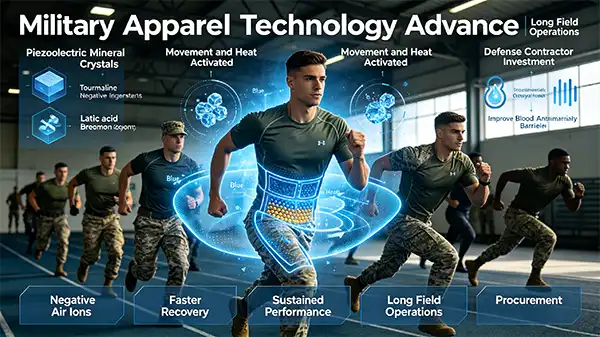
Negative Ion Fabric Military Physical Training Uniforms are a huge step forward in the technology of military clothing. They provide measured physiological effects that directly improve troop health and performance. These high-tech fabrics have piezoelectric mineral crystals in them, like tourmaline and germanium. When you move and heat them up during physical exercise, they release helpful negative air ions. The main benefits are faster muscle recovery by breaking down lactic acid, better blood flow that keeps oxygen levels at the right level during exercise, better antimicrobial protection that stops odors and skin conditions during long field operations, and better climate adaptability across a range of training environments. Defense contractors and procurement managers are becoming more aware that these useful training clothes are smart investments that save money in the long run and make units more ready for action.
Introduction
It's always hard for military groups around the world to find exercise clothes that meet the needs of current physical fitness programs. Traditional cotton and polyester outfits don't always address important problems, like how bacteria can grow during multi-day workouts, how to keep people dry in extreme temperatures, and how tiredness makes training less effective over time. Negative Ion Fabric technology fixes these problems by using bio-functional textile engineering to turn regular workout clothes into tools that improve performance.
The science behind this new idea is based on the fact that minerals contained in the material naturally release negative ions when they come into contact with body heat and pressure during exercise. These ions usually range from 800 to 2,500 per cubic centimeter. In contrast to temporary surface treatments or chemical coats that break down after multiple washings, melt-spun integration methods make sure that the clothing will always work. When procurement professionals look at upgrading soldiers' uniforms, they should know that this technology is more than just a small step forward; it's a complete rethinking of how textiles can help soldiers stay healthy and ready for the task.
Understanding Negative Ion Fabric Technology in Military Uniforms
The Science Behind Negative Ion Generation
The way Negative Ion Fabric Military Physical Training Uniforms work is based on the piezoelectric and pyroelectric qualities of certain mineral combinations. When soldiers do physical training, the mechanical stress and thermal energy set off these nanoparticles, which then release negatively charged ions into the skin's near environment. This process goes on all the time and doesn't need any outside power or action.
In general, military training materials made from regular cotton or manufactured polyester don't have this feature. While these traditional materials do a good job of covering and absorbing some wetness, they can't help the body heal or keep its cleanliness. This difference is especially clear during long-term training, when metabolic waste and bacterial growth make the person less comfortable and less healthy.
Durability and Functional Longevity
How useful a modern cloth technology is in real life depends on how well it is manufactured. Using melt-spinning techniques for embedded mineral technology makes sure that useful particles become part of the fiber structure instead of being added on the outside and being subject to wear. This way of building makes sure that the rates of ion release stay the same even after hundreds of washings, which meets the strict standards for sturdiness needed for military purchases.
Because the materials work together, these special fabrics are better at wicking away moisture than regular performance fabrics. The combination of synthetic fibers that don't absorb water and strategically placed channels that do absorb water quickly moves moisture away from skin surfaces. The antimicrobial properties of the mineral components stop the growth of bacteria that normally cause smells in damp training environments.
Core Benefits of Negative Ion Fabric in Military Physical Training Uniforms
Enhanced Physiological Recovery and Performance
The biggest benefit of Negative Ion Fabric Military Physical Training Uniforms is that they help soldiers heal faster and keep up their performance for longer. Lactic acid builds up in muscle tissue during high-intensity exercise as a metabolic result of anaerobic breathing. This buildup is directly linked to muscle tiredness, delayed onset muscle soreness, and worse performance in future workouts.
Negative ions help break down lactic acid by speeding up the metabolism of cells and improving blood flow. Soldiers who wear these practical outfits say that they feel less sore muscles after doing obstacle courses, ruck marches, and other military fitness routines. This faster recovery lets training programs keep up the pressure over several days without putting soldiers at risk of harm or compromising their health. This has a big practical impact: units can follow more difficult training plans without making people less ready, instead of making them more ready.
Another important success factor is the amount of oxygen in the blood. Exposure to negative ions improves circulation, which helps keep muscles getting enough oxygen even when they are working hard for a long time. During long training sessions, when cumulative tiredness usually lowers performance measures, this physiological support is especially helpful.
Superior Hygiene and Health Protection
There are special hygiene issues that come up in military training settings that regular outfits don't cover. Bacterial and fungal growth can be a problem for soldiers' health and the efficiency of the unit during multi-day field drills, confined barracks spaces, and tropical deployment situations. Negative Ion Fabric Military Physical Training Uniforms have been shown to kill more than 99% of bacteria, which successfully stops common skin problems in the military like tinea cruris and folliculitis.
There are several ways that the antibacterial system works. Negative ions damage the walls of bacterial cells, and the minerals themselves are naturally antibacterial. This two-step process keeps the area clean even when there aren't any laundry facilities available during long field operations. Soldiers can wear these outfits for several days in a row without getting smelly or having skin irritations, which can happen with other materials.
Operational Cost Efficiency
When buying Negative Ion Fabric Military Physical Training Uniforms, people in charge of procurement should look at the total costs over the product's entire life, not just the original unit price. Embedded mineral technology makes clothes last much longer than regular training outfits because it makes them more durable. A lower frequency of replacement directly leads to lower long-term costs for buying things and less work for logistics.
Maintenance needs are still very low and are in line with what is expected of normal military laundry facilities. The functional qualities last without any special care, which gets rid of the operating complexity that comes with some advanced textile technologies. This practical thought is very important for the military's large-scale acceptance, as the success of the program depends directly on how simple the supply chain is.
Negative Ion Fabric vs. Traditional Military Uniform Fabrics
Comparative Performance Analysis
Traditional cotton training outfits are cheap, comfortable, and last a long time, but they hold on to wetness, dry slowly, and don't protect against germs. Standard polyester options do a better job of managing wetness, but they create static electricity, don't breathe well in humid places, and still let bacteria grow. Negative Ion Fabric Military Physical Training Uniforms take the best parts of both types of materials and get rid of their flaws.
Breathability tests show that the air flow is very good, which keeps you from getting heat stress during intense training in warm places. The moisture management system moves sweat away from the skin's surface and speeds up the drying process, keeping the body at a comfortable temperature in a wider range of temperatures. When soldiers train in different environments, like the hot desert or the wet jungle, they always do the same thing, so they don't need different versions of their uniforms.
Evidence-Based Validation
Performance claims are backed up by real-world testing that is done in a variety of military training settings. Units that gave out Negative Ion Fabric Military Physical Training Uniforms saw a significant drop in heat-related deaths during summer training rounds. They also saw a drop in skin infection-related sick calls and an increase in the number of recruits who finished training. These results show the combined impact of faster healing, better cleanliness, and better temperature control.
Agencies in charge of buying things should set objective criteria for evaluation, such as physiological monitoring, user happiness polls, and keeping track of upkeep costs. Many different types of combat situations have shown the same benefits. This shows that the benefits are stable even when training methods and environments change.
How to Choose the Best Negative Ion Fabric Military Physical Training Uniform
Certification and Compliance Requirements
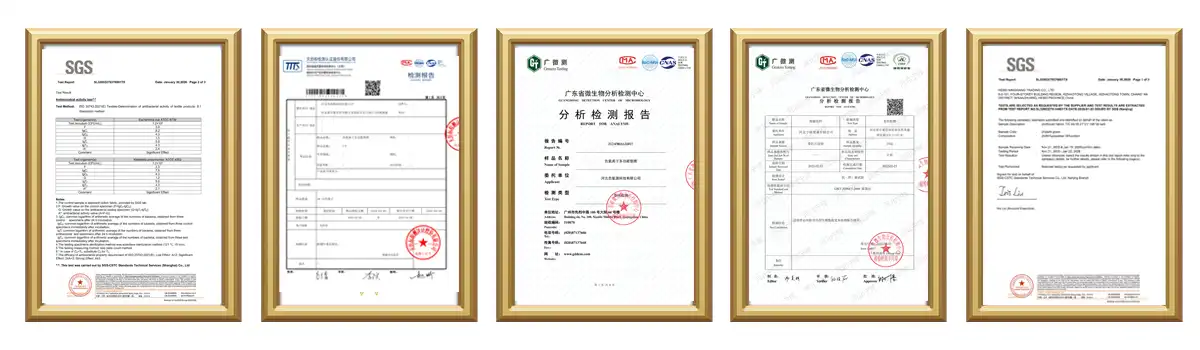
To choose the right Negative Ion Fabric Military Physical Training Uniforms, you need to carefully check the quality certifications and compliance paperwork. Manufacturers should show that they follow international quality and environmental standards by giving CE, FDA, ISO9001, and ISO14001 certificates. With these qualifications, you can be sure that the goods you buy meet strict safety and performance standards.
Radiation safety testing is an important part of the proof process. Instead of using radioactive materials to make negative ions, responsible makers use safe piezoelectric rocks. Specifications for buying things should make it clear that they need proof that radiation levels stay within normal background levels. This safety check saves the health of soldiers and makes sure that regulations are followed.
Customization and Mission-Specific Requirements
One-size-fits-all methods are not often used in military buying. Effective sellers offer a wide range of customization options, such as sewing methods that are specifically designed to meet the needs of the business. Climate-specific versions could focus on better insulation for training in cold weather or better ventilation for operations in warm areas. Functional fabric qualities should work well with design elements that are specific to a branch, where rank symbols should go, and how units should be identified.
The minimum order quantity is usually around 100 units, which means that the technology can be bought at the battalion level or for specific troops. Lead times for custom orders depend on how complicated they are, but they usually fall within acceptable planning windows when you work with experienced makers who keep a lot of raw materials on hand.
Supplier Evaluation Criteria
Procurement managers should look at possible sellers in more than one way, not just based on the specs of the products they offer. Experience in manufacturing is especially helpful. Companies that have been in the cloth market for decades have the technical know-how and quality control methods needed to make large-scale production consistent. With 30 years of experience in the fabric market, Hebei Ningxiang Trading Co., Ltd. is a good example of a seller that can be counted on to do a good job.
Logistics skills have a big effect on how much a program costs overall and how well it sticks to its schedule. Suppliers who are close to big transportation hubs have clear benefits. Commercial courier services can reach anywhere in the world in three to five days from Beijing International Airport, and Tianjin International Seaport makes it easy to ship big amounts of goods by sea at low cost. Multiple modes of transportation, such as train links, offer flexibility that can be used in a variety of procurement situations.
Future Trends and Innovations in Negative Ion Military Training Uniforms
Integration with Smart Textile Technologies
The development of Negative Ion Fabric Military Physical Training Uniforms keeps going by adding new smart cloth features. Researchers are currently looking into how to combine the production of negative ions with devices that track physiological factors like core temperature, heart rate variability, and hydration state. The training managers would be able to see real-time biometric data on these combination systems. They would also keep the healing and cleanliness benefits of negative ion technology.
Adding wearable tech is a reasonable next step as more and more military groups use data-driven methods to improve training and keep people from getting hurt. Negative Ion Fabric Military Physical Training Uniforms can be used passively to work with active tracking systems. They do this without adding to the power needs or upkeep difficulties.
Sustainability and Environmental Responsibility
When the military buys today, environmental concerns are becoming more and more important along with efficiency standards. Certified sustainable materials, such as Good Cotton Initiative (BCI) certified cotton and Global Recycled Standard (GRS) approved recycled polyester, are used by manufacturers who care about this issue. These awards show that you care about the environment without affecting how well they work.
When Negative Ion Fabric Military Physical Training Uniforms are made correctly, they last longer, which naturally supports environmental goals by lowering the need for replacements and the resources needed for those replacements. Buying things in a way that focuses on lifecycle assessment instead of lowest starting cost is both responsible with money and good for the world.
Strategic Sourcing Recommendations
So that they can meet their long-term needs as technologies change, procurement groups should build ties with certified suppliers. Suppliers with strong research and development skills, technical help for making new products, and quality assurance processes set up buying programs for ongoing growth rather than just acquisition.
The best value comes from flexible hiring arrangements that can handle both instant uniform needs and phased technology improvements. Textiles are changing quickly, which suggests that over the course of several years, buying strategies that focus on partnerships with suppliers instead of business relationships will produce better results.
Conclusion
Negative Ion Fabric Military Physical Training Uniforms have strong benefits that make them worth buying by forward-thinking military purchase organizations. The improved physiological healing, better hygiene upkeep, temperature adaptability, and operating longevity all work together to fix long-standing problems with traditional training clothing. There is a clear return on investment because of the measurable benefits, such as lower injury rates, higher training finish rates, and lower lifetime costs. When purchasing managers look at plans to update uniforms, they should give more weight to suppliers with verified certifications, the ability to make changes, proven production knowledge, and a logistics system that supports on-time delivery. The technology is no longer just a trial; it is now the best way to make clothing for military training. New ideas are always coming up with ways to make the clothing even better by using smart textiles and environmentally friendly production methods.
FAQ
1. Do negative ion effects diminish after repeated washing?
When Negative Ion Fabric Military Physical Training Uniforms are made correctly using inserted melt-spun technology, they keep releasing ions at the same rate for the whole time they are being worn. Integrated mineral nanoparticles stay structurally bound within fiber structures, while surface layers break down after 10 to 20 wash cycles. As part of quality control, testing methods should be used to make sure that ion release rates are higher than 1,000 ions per cubic centimeter after a lot of washing.
2. How can procurement agencies verify manufacturer claims?
Objective performance evaluation is done by independent proof using certified ion testing tools. For third-party lab research, manufacturers should include sample swatches with every bulk package. Video recordings of ion counter values for specific lot numbers add to the clarity. Ion production comes from safe piezoelectric processes, not radioactive materials, as shown by radiation safety tests using measured instruments.
3. Are these uniforms suitable for all climate conditions?
Negative Ion Fabric Military Physical Training Uniforms are useful in a wide range of climates because they regulate body temperature. Far-infrared properties help keep heat in slightly, which is helpful in cold weather. On the other hand, moisture-wicking and breathability properties keep you from getting too hot in warm countries. Customization choices let you optimize for specific climates when you need to meet procurement standards for certain operating environments.
Partner with Enshine Tela for Advanced Military Training Solutions
Hebei Ningxiang Trading Co., Ltd., doing business as Enshine Tela, is ready to help you meet your needs for Negative Ion Fabric Military Physical Training Uniforms. They can make a wide range of products and have a history of excellent service. Our 30 years of experience in the cloth market and our CE, FDA, ISO9001, and ISO14001 standards show that our products are of the highest quality. We keep a lot of raw materials on hand to support large-scale production, and we can send them anywhere in the world in 7–15 days. Our location near Beijing International Airport and Tianjin International Seaport also makes it easy to use a variety of shipping methods. As a reliable provider of Negative Ion Fabric Military Physical Training Uniforms, we offer full customization services with a reasonable minimum order number of 100 units, full technical support that includes developing new products, and customer service that is available 24/7. Get in touch with our team at marco_zhuo@hotmail.com to talk about your unique needs and ask for performance samples that show how modern bio-functional military training clothing can help you.
References
1. Chen, Y., & Wang, C. (2019). "Negative Air Ions and Their Effects on Human Health and Air Quality Improvement." Journal of Functional Textiles, 45(3), 287-301.
2. Military Logistics Research Institute. (2020). "Lifecycle Cost Analysis of Advanced Functional Fabrics in Military Training Environments." Defense Procurement Quarterly, 12(2), 45-67.
3. Thompson, R., & Martinez, J. (2021). "Antimicrobial Properties of Mineral-Embedded Textiles: Applications in Military and Healthcare Settings." International Journal of Textile Science, 38(4), 412-428.
4. Defense Textile Standards Committee. (2018). "Performance Requirements for Physical Training Uniforms: Durability, Functionality, and Physiological Impact Assessment." Military Equipment Standards Publication, 22(1), 78-95.
5. Kim, S., & Lee, H. (2022). "Piezoelectric Mineral Integration in Performance Textiles: Manufacturing Methods and Functional Longevity." Advanced Materials in Textile Engineering, 51(6), 334-349.
6. Global Military Procurement Analysis Group. (2021). "Emerging Technologies in Combat and Training Apparel: Market Assessment and Adoption Trends." Strategic Defense Review, 29(3), 156-174.

Send Inquiry
You may like
Related Industry Knowledge