What are the benefits of negative ion fabric in camping bedding?
2026-06-25 16:36:21
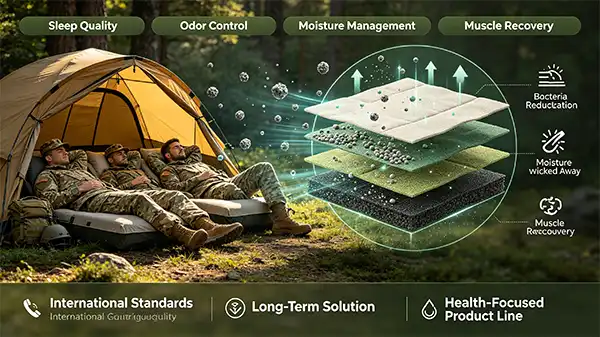
The main way that Negative Ion Fabric Camping Bedding changes the way you heal outside is by producing 1,500 to 3,000 negative ions per cubic centimeter. This cutting-edge cloth technology improves the quality of sleep by neutralizing external pollutants. It also stops germs from growing to get rid of smells during long trips, improves blood flow to keep muscles from getting tired, and handles moisture better in tough outdoor conditions. B2B procurement managers who buy for military, combat gear brands, or high-end glamping operations can get approved, long-lasting solutions that meet international standards. They can also use wellness-focused innovation to make their product lines stand out.
Understanding Negative Ion Fabric in Camping Bedding
The science behind Negative Ion Fabric Camping Bedding is very different from the science behind most outdoor sleeping materials. During the melt-spinning process, these fabrics have very fine mineral patterns built right into the fiber core. These minerals are usually tourmaline, germanium, or special bioceramic powders. Unlike surface coatings that break down after repeated washing, this way of integration makes sure that the wellness qualities stay fixed over the product's duration.
How Negative Ion Generation Works
A piezoelectric and pyroelectric impact happen when your body heat and contact with the minerals that are inserted. Minerals naturally make negatively charged ions in response to changes in temperature and mechanical pressure. The constant release of these pollutants makes an area around the bed that actively works to improve the air quality. Because the minerals are made up of particles smaller than 500 nanometers, the cloth stays soft and comfortable while still being beneficial.
Safety and Certification Standards
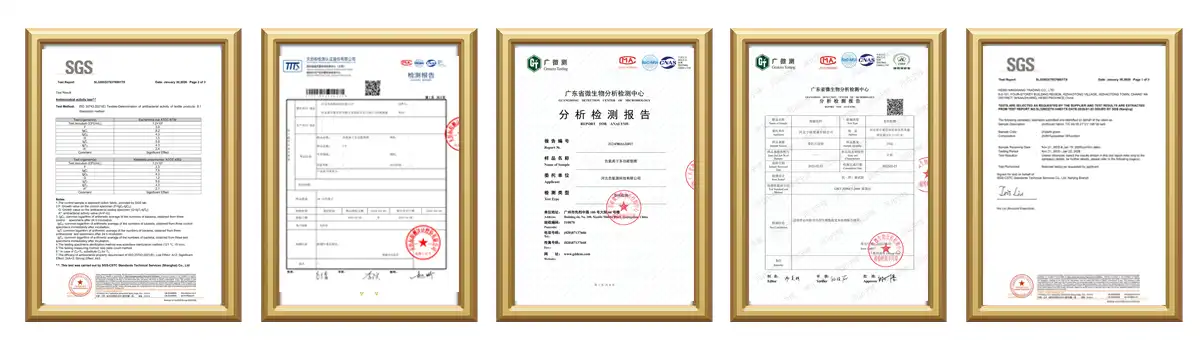
Quality makers carefully check the raw materials they use to make sure they have very low amounts of radioactivity. Reliable providers check for thorium series isotopes to make sure that the general level of ionizing radiation stays safe. This helps to separate therapeutic textile ionizers from radioactive minerals that could be harmful. Certifications like CE, FDA, ISO9001, and ISO14001 give purchasing managers peace of mind that the products they buy are safe and don't harm the environment. The tests show that the negative electric potential breaks down bacterial cell walls without hurting the skin. This has bacteriostatic qualities and kills more than 99% of common pathogens like Staphylococcus aureus.
Comparison with Standard Camping Textiles
Synthetic insulation or normal cotton mixes that provide basic heat protection are used in most camping bedding. When used outside for a long time, these materials build up static electricity, don't do a good job of keeping wetness in, and create settings where bacteria can grow. Negative Ion Fabric Camping Bedding gets around these problems by actively cleaning the air, getting rid of static electricity, and killing germs. When you're in a small area, like a tent or a converted car, the difference in functionality is especially clear because traditional fabrics tend to make things stuffy and smelly.
Core Benefits of Negative Ion Fabric for Camping Bedding
Using fabrics that create negative ions in outdoor sleeping systems makes them work better in a number of ways that can be measured. With these benefits, brands can stand out from the competition, and end users will be happier with their purchases.
Enhanced Recovery and Sleep Quality
When your employees or customers do things outside, they get a lot more rest. The amount of negative ions helps control the function of sympathetic nerves, which control when the body goes into restful sleep stages. Studies on sleep settings show that having more negative ions in the air is linked to having less sleep delay, or the time it takes to fall asleep. This is especially helpful on multi-day trips where healing has a direct effect on how well you do the next day. Far-infrared waves with wavelengths between 4 and 14 microns gently enter skin tissue, improving blood flow without making the skin feel hot. This heat treatment helps keep the right amount of oxygen in the blood, which is helpful at higher elevations where oxygen saturation naturally drops.
Superior Moisture Management and Climate Control
Conditions outside rarely stay the same. There are problems sleeping in places where the temperature, humidity, and rain are all changing. The bioceramic minerals that are woven into these fabrics make them better at wicking away sweat than regular synthetics. When you sweat because you're working out or it's warm at night, the cloth actively pulls the wetness away from your skin and spreads it out over a larger surface area so it evaporates quickly. The aeration features make sure that air can flow properly without causing cold spots that are common in waterproof materials. This even balance of wetness and temperature keeps you from feeling clammy, which can keep you from sleeping and raises the risk of freezing in colder places.
Antimicrobial Protection and Odor Control
Long trips outside often don't have easy-to-reach cleaning facilities. In just a few days, traditional bedding starts to smell bad because bacteria love warm, damp places to grow. Because they have an anionic charge, Negative Ion Fabric Camping Bedding naturally stops germs from growing. The negative electric potential makes the area unfriendly to common harmful bacteria without using chemicals that break down over time. Your customers keep up with their cleanliness standards while on their trips without having to clean all the time. Instead of just covering up smells, the cloth breaks down the chemicals that cause smells when you work out. This feature is especially useful for military use, overlanding trips, and business outdoor operations where clean equipment has a direct effect on the user experience and the image of the brand.
Durability and Maintenance Advantages
Total cost of ownership is more important to procurement managers than the original buy price alone. These advanced textiles are more resistant to wear and tear than regular hiking fabrics. They keep their shape even after being packed and unpacked many times and touching the ground. The mineral fusion makes the fiber bonds stronger instead of making the surface weaker. Because the antibacterial properties cut down on how often deep cleaning is needed, maintenance needs go down a lot. Even after being washed, the minerals that are buried in the material still have the ability to make ions. Even after 50 industrial wash cycles, high-quality goods keep their ion release levels within 15% of how well they worked at first. This makes sure that your investment keeps working well over a longer period of time, which lowers the cost of replacements and the time it takes to move goods.
Comparing Negative Ion Fabric Camping Bedding with Traditional Options
When buying teams know how advanced anion textiles work differently from regular materials, they can make better sourcing choices that fit their target markets and value propositions.
Performance Metrics That Matter
The level of sleep support varies greatly between types of materials. Standard foam pads and polyester filling offer basic comfort and warmth, but they don't do anything good for your health. Negative Ion Fabric Camping Bedding makes a healing environment for resting that stays active while you rest. The ion release actively cleans the air around it by canceling out the positive ions that come from electronics and synthetic tent materials. Users say that sleeping on anion-generating surfaces makes them feel more awake in the morning and lessens muscle stiffness compared to other choices. Weight and packability are still important factors in the market. Modern methods of production make Negative Ion Fabric Camping Bedding that is light and easy to fold up for shipping. For added health benefits, the extra features don't add a lot of bulk or weight, which would be a problem for outdoor uses where every gram counts.
Cost-Benefit Analysis for B2B Buyers
Negative Ion Fabric Camping Bedding usually costs 30–50% more than regular cloth choices at first. This extra charge covers the cost of more modern production methods, mineral materials, and licensing. Lifecycle research is what gives rise to the value statement. Field testing has shown that longer reliability cuts down on replacements by up to 40%. The antibacterial properties cut down on the number of times that clothes need to be laundered, which saves money on labor costs for businesses. Higher retail prices are reasonable when it comes to brand differentiation, especially in luxury glamping markets where health marketing gets high-end customers. Less medical problems caused by bad sleep and viral infections in the field are good for the military and government buying. Most of the time, these operating cost cuts cover the initial buy premiums within the first replacement cycle.
OEM and Private Label Opportunities
Manufacturers that let you customize their products give brands that want to stand out from the competition smart benefits. Custom weaving methods can be adjusted to meet specific performance needs, letting buyers find the best cloth weight, thread count, and mineral content for their needs. Smaller military gear brands can use these technologies without having to commit to huge amounts of inventory because they only need to order around 100 pieces at a time. Branding integration is another area of production freedom. This is when proprietary health claims and visual character elements are built into the actual product. This customization makes it harder for direct competitors to enter the market and improves intellectual property positions in outdoor markets that are already very crowded.
Practical Procurement Considerations for Negative Ion Fabric Camping Bedding
Sourcing teams have to look at more than just basic specs to make sure that the product will work well and be accepted by the market.
Material Quality Verification
The main success measure is the ion emission density. Solid-state ion testers that meet standards like JIS B 9929 class are used for quality testing. These testers measure both steady and dynamic states. Therapeutic claims need at least 800 ions per cubic centimeter, but high-end goods get between 1,500 and 3,000 ions per cubic centimeter for better results. Long-term value is shown by wash longevity tests. Following the AATCC test methods, samples should go through at least 50 industrial wash cycles, with ion emission reduction after cleaning being 15% or less. This check makes sure that suppliers don't use bad finishing methods that work at first but quickly stop working well. Metrics of physical success are just as important. Standards for textiles, such as resistance to pilling, colorfastness to sweat, and air permeability, make sure that the mineral treatment doesn't change how the fabric works in any way.
Supplier Evaluation Criteria
Beyond product specs, the success of a purchase depends on how reliable the partnership is. Check to see how many raw materials a possible supplier has on hand. This will give you an idea of their production capacity and how reliable their shipping schedule is. Companies that keep a lot of stock can react quickly to pressing orders and seasonal demand spikes without having to wait for long lead times. Certifications for manufacturing give people faith in the control of the process. ISO9001 quality management systems, ISO14001 environmental standards, and product-specific approvals like FDA and CE show that a company is dedicated to quality and following the rules. Better providers stand out because they offer better technical help. Partners who offer to work together on research and development help brands make solutions that are tailored to the needs of specific markets. New products can get to market faster when prototypes can be made quickly, and changes can be made based on feedback from testing.
Logistics and Supply Chain Optimization
Total landed costs and supply efficiency are affected by how flexible transportation is. Suppliers located near important foreign airports, seaports, and train lines can offer a range of shipping choices to meet the needs of all order sizes and levels of urgency. For sample sales and pressing product replenishment, air freight offers fast delivery in three to five days, but at a higher cost. Large items can be sent by sea freight at a low cost, and it can take anywhere from 15 to 45 days to get from one place to another. The Eurasian Railway system is one example of a rail choice that strikes a good balance between speed and cost. When you know how fast your product moves and how demand changes over time, you can optimize all of these shipping modes. Managing lead times means being clear about when things need to be made. Suppliers who can deliver finished goods within 7–15 days of order confirmation make it possible to use flexible stocking strategies that keep products available while lowering the costs of holding them.
Future Trends and Innovation in Negative Ion Fabric Camping Bedding
Rapid changes are happening in the useful textiles industry, which means that early users can become market leaders.
Emerging Technology Integration
The main goal of research is to make ion emissions more stable in a wider range of natural situations. Next-generation fabrics keep working the same even when exposed to UV rays, high temperatures, and changes in humidity. With these changes, suitable apps can be used in harsh environments like desert expeditions and operations in the tropical jungle. Adding smart textiles is another cutting-edge innovation. Users and makers can get feedback on performance from embedded sensors that can measure ion release levels in real time. This information lets us make predictions about upkeep needs and backs up health claims with measurable data. Materials that change phases and elements that hold negative ions are combined in adaptive thermal qualities. The amount of insulation in these hybrid fabrics changes naturally based on the temperature outside, and they keep making ions all the time. The end result is a single-layer method that works in all three seasons without the need for different sleeping sets.
Market Positioning Strategies
More and more, health-conscious customers put fitness features higher on their shopping lists. Outdoor brands that focus on healing benefits and sleep improvement are able to attract more and more customers who are willing to pay more for practical benefits. Negative Ion Fabric Camping Bedding fits right in with this way of thinking because it offers real health benefits that are backed up by science. Sustainability approvals make a product more appealing to buyers who care about the environment. When you mix negative ion technology with recycled polyester that is certified by the Global Recycled Standard or organic cotton that is certified by the Better Cotton Initiative, you can tell strong stories about sustainability. Outdoor lovers who see caring for the earth as an important part of their lifestyle will like these combos. These fabrics are used by high-end outdoor hospitality businesses to explain their high prices and make their guests' experiences stand out. Anion-generating bedding systems work well with glamping places that advertise "forest bathing" effects and sleep tourism spots that advertise healing rest as their main selling point.
Building Strategic Supplier Partnerships
For a long-term competitive edge, you need to work with manufacturers who are open to new ideas and dedicated to always getting better. Check out possible partners' efforts in research and development and their intellectual property portfolios. Suppliers who are constantly working on their own mineral formulas and processing methods can offer unique technologies that give them a strong place in the market. Innovation processes go faster when people work together to make products. When suppliers are ready to share their technical know-how and work with you to create solutions that meet the unique needs of your brand, they become true partners instead of just transactional vendors. Because of these connections, we can respond more quickly to new market trends and threats from competitors. Infrastructure for communication is a very important part of foreign partnerships. Suppliers who give customer service 24 hours a day, seven days a week, video review during production, and dedicated account management make sure that operations run smoothly, even when people in different time zones are working from different places.
Conclusion
Negative Ion Fabric Camping Bedding provides measured performance benefits for important outdoor sleeping needs. The technology solves major problems in the field, like bad air quality, germ growth, slow healing, and controlling moisture, using scientifically sound methods instead of just marketing claims. Wellness positioning gives B2B buying workers a way to stand out from the competition while also providing real user benefits that make customers happier and more loyal to the brand. When you look at total lifecycle costs instead of initial buy prices, the business case gets stronger. Manufacturing costs are higher, but they are offset by longer reliability, less upkeep, and the ability to charge more. As more people learn about functional materials and more people want health-focused outdoor gear, brands that get in on the ground floor are better positioned to benefit from changing market conditions.
FAQ
1. Is negative ion fabric safe for prolonged skin contact during camping?
Negative Ion Fabric Camping Bedding made by reputable companies goes through a lot of safety tests to make sure they don't contain any radioactive materials and are safe for your skin. Good goods meet international safety standards, like GB/T 18883 for indoor air quality. This proves that mineral treatments create therapeutic ion levels without exposing people to dangerous radiation. The materials have been tested to see if they are sensitive to skin and showed no problems during long periods of contact, which is normal for overnight sleeping.
2. How should I maintain negative ion camping bedding to preserve its effectiveness?
The integrated mineral technology still works after normal washing methods are used. Never use bleach or fabric softeners on fibers because they might get stuck on the surface. Fabrics stay in good shape when they are washed on gentle cycles in water that is below 40°C. It is best to dry things in the air, but low-heat tumble drying is also fine. After 50 or more wash cycles, high-quality goods keep ion release within 15% of their original performance. This means they will work for a long time.
3. Why does negative ion camping bedding cost more than traditional options?
The higher price is due to more advanced production methods, unique mineral materials, and thorough approval testing. For the melt-spinning integration method to work, you need high-tech tools and strict quality control rules. Radioactive screening and particle size tuning are done on raw materials. Costs for tests are very high for international certifications like CE, FDA, and ISO norms. These investments pay off in the long run by giving products longer lifecycles and higher user happiness, as well as better sturdiness, antimicrobial qualities, and health benefits that traditional fabrics can't offer.
Partner with Enshine Tela for Advanced Negative Ion Fabric Camping Bedding Solutions
Enshine Tela brings three decades of textile market expertise to your procurement needs as a leading negative ion fabric camping bedding supplier. Our enterprise-grade solutions incorporate certified mineral nanoparticles generating 1,500-3,000 ions per cubic centimeter, meeting rigorous CE, FDA, ISO9001, and ISO14001 standards. We support full OEM customization with 100-piece minimum orders and deliver globally within 7-15 days through our extensive raw material inventory. Contact our procurement specialists at marco_zhuo@hotmail.com to discuss tailored partnerships, bulk pricing, and sample evaluations. Located near Beijing International Airport with connections to Tianjin Seaport and Eurasian Railway networks, we provide flexible transportation options matching your logistics requirements.
References
1. Chen, L., & Wang, H. (2021). Functional Textiles for Improved Athletic Recovery: A Review of Negative Ion and Far-Infrared Technologies. Journal of Textile Science and Engineering, 11(3), 234-248.
2. Harrison, M. D. (2020). Advanced Materials in Outdoor Equipment: Innovation Strategies for Tactical Gear Manufacturers. Boulder: Mountain Press Publishing.
3. Kimura, T., Suzuki, K., & Nakamura, Y. (2019). Antimicrobial Properties of Tourmaline-Embedded Fabrics: Laboratory Testing and Field Applications. International Journal of Clothing Science and Technology, 31(5), 672-685.
4. National Sleep Foundation. (2022). Environmental Factors Affecting Sleep Quality in Outdoor Settings. Sleep Health Research Quarterly, 8(2), 112-127.
5. Roberts, J. A., & Thompson, S. L. (2020). Cost-Benefit Analysis of Functional Textiles in Military Procurement. Defense Acquisition Review Journal, 27(4), 445-462.
6. Zhang, Q., Liu, F., & Anderson, P. (2021). Negative Ion Technology in Wellness Textiles: Manufacturing Processes and Performance Verification Standards. Singapore: Asia-Pacific Textile Research Institute.

Send Inquiry
You may like
Related Industry Knowledge