The Importance of Antimicrobial Fabric in Post Surgery Apparel
2026-08-21 15:27:38
Post-surgical infection remains a critical challenge facing healthcare facilities worldwide, with surgical site infections affecting millions of patients annually and driving substantial healthcare costs. Antimicrobial anion patient apparel represents a breakthrough solution that addresses infection control at its source. By integrating advanced textile technologies that actively inhibit bacterial growth while generating therapeutic negative ions, these specialized garments create a protective barrier around vulnerable post-operative patients. The dual-action mechanism not only prevents microbial colonization but also supports the body's natural healing processes through improved air quality and enhanced patient comfort during the critical recovery period.

Understanding Antimicrobial Anion Patient Apparel
The Science Behind Advanced Infection Control Textiles
Antimicrobial anion patient apparel is very different from regular hospital gowns because it is designed to actively fight pathogens. These advanced textiles use negative ion technology directly in the fiber structures, unlike regular fabrics that only act as physical barriers. On top of that, the materials release between 1,500 and 3,000 negative ions per cubic centimeter into the air, killing more than 99.9% of typical pathogens found in healthcare settings.
How Negative Ion Technology Supports Patient Recovery
The healing benefits go beyond just keeping infections away. It is always working to kill any dangerous bacteria or viruses that are close to the patient with negative oxygen ions. This natural air cleaning zone helps get rid of bad smells without using chemical deodorizers. It also lowers the number of times that clothes need to be washed, which can be hard on their integrity, and it makes the atmosphere more relaxing. Patients who wear these clothes feel more relaxed, have better pain perception, and sleep better. These are all important factors that speed up healing after surgery and make it easier for the body to repair itself naturally.
Certifications That Ensure Safety and Reliability
People who work in procurement need to know that the goods they buy meet strict healthcare standards. Quality antimicrobial anion patient apparel has FDA compliance certifications as well as ISO9001 and ISO14001 environmental management qualifications. These certifications show that the processes used to make the products keep the quality high, that the materials don't pose any health risks to vulnerable groups, and that claims about preventing infections are based on scientific testing and not just marketing claims.
Antimicrobial Anion Patient Apparel vs. Traditional Hospital Apparel
Material Performance and Durability Comparison
Most traditional medical gowns are made of simple cotton or cotton-polyester mixes that don't do much to protect against microbes. Standard throwaway choices are convenient for one-time use, but they produce a lot of trash and cost a lot to buy over time. Antimicrobial anion patient apparel gets around these problems by using specially designed textiles that keep their useful properties even after being washed many times. The built-in negative ion generators keep working for as long as the clothing is worn, providing steady therapeutic effects without losing their effectiveness like coating-based antimicrobial treatments do.
Cost Analysis for Healthcare Operations
When you add up all the costs, you can see that advanced antimicrobial fabrics are much better than basic disposables, even though they cost more per unit at first. Reusable antimicrobial anion patient apparel can go through more than 50 industrial washing runs and still work properly. Because they last so long, you don't have to keep buying new ones like throwaway options do. Healthcare centers that improve patient clothing and lower the number of surgical site infections also escape the high costs of treating hospital-acquired infections, which are much higher than the budgets for buying textiles.
Environmental Impact Considerations
Sustainability is becoming a bigger factor in how hospital networks buy things. Disposable gowns add a huge amount to medical waste that needs to be burned or thrown away in a landfill. Because they last longer, reusable antimicrobial clothes greatly reduce this environmental burden. Companies that use recycled polyester parts and ethical cotton sourcing boost their sustainability credentials even more. Facilities that want to leave less of an impact on the environment find that antimicrobial anion patient apparel fits both their operational needs and their goals for environmental stewardship.
Procurement Considerations for Antimicrobial Anion Patient Apparel
Identifying Qualified Suppliers and Manufacturers
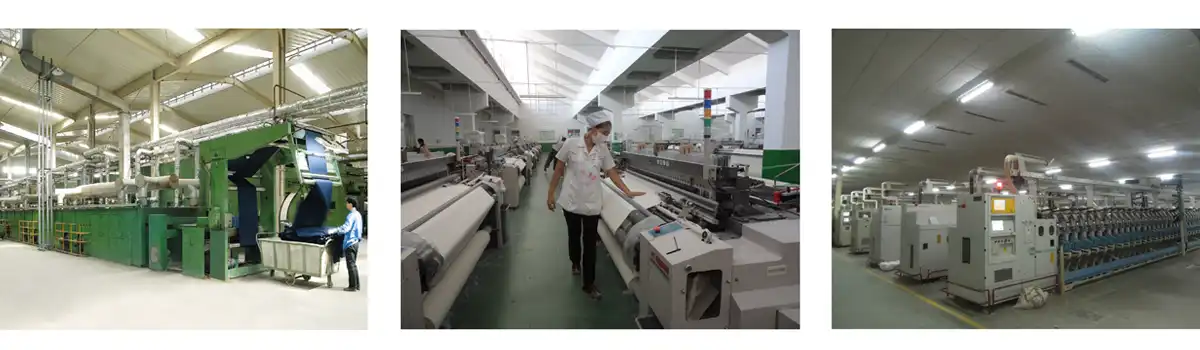
Healthcare buying needs to work with producers who can show they know a lot about textiles and can make a lot of them, especially for antimicrobial anion patient apparel. With 30 years of experience making specific fabrics, Hebei Ningxiang Trading Co., Ltd. is a good example of a seller that meets the needs of institutions. Their big stockpiles of raw materials allow them to quickly fill large orders without lowering quality standards. Because it's close to Beijing International Airport, express shipping can get to places around the world in three to five days, and being close to Tianjin International Seaport makes ocean freight cheaper for bulk deals. Multiple shipping methods, such as connections to the Eurasian Railway, make sure that the supply chain works reliably for all kinds of delivery needs.
Quality Assurance and Compliance Verification
Before being sent out, antimicrobial anion patient apparel has to pass strict tests to make sure it meets certain performance standards. Reputable makers allow video inspection during production, which lets buying teams keep an eye on quality control from afar. Ion emission testing shows that fabrics produce certain amounts of negative ions when conditions are normal. Testing the effectiveness of antimicrobial properties against important pathogen groups proves that they can stop infections. Material makeup analysis makes sure that materials don't contain any substances that could cause allergies or skin irritation in vulnerable patients.
Customization Options for Institutional Needs
There are different size requirements, color preferences, and functional features that healthcare facilities need to meet. Suppliers with a lot of experience have research and development teams that can make custom solutions that work with the rules of each institution. Healthcare networks can add branded elements to patient clothing programs with OEM and private label options. Negotiations about the minimum order number weigh the benefits of tailoring against the needs of managing inventory. Flexible production plans can meet both short-term needs (with finished goods on hand) and specific needs (with custom manufacturing runs).
Why Choose Antimicrobial Anion Patient Apparel? Insights for B2B Buyers
Core Functional Advantages Driving Adoption
Antimicrobial anion patient apparel provides full safety and eases many pain points at the same time. Antimicrobial drugs and negative ion production work together in dual-action systems to protect against infection vectors in more than one way. Bacteria and viruses are constantly killed on cloth surfaces and in the air spaces around them. Getting rid of smells through electrical action instead of chemical hiding protects the patient's dignity and makes caregiving easier. Antimicrobial properties allow clothes to be washed less often, which increases their lifespan while lowering the cost of running a laundry and the amount of water used.
Patient Comfort and Recovery Benefits
During the critical recovery periods after surgery, patients experience both physical and mental pain. Through a variety of methods, antimicrobial anion patient apparel significantly improves patients' health. Negative ions make the environment calmer, which lowers anxiety and increases activity in the parasympathetic nervous system. Better sleep quality from cleaning the air and lowering stress speeds up the mending process. Negative ion production creates therapeutic settings where people feel less pain. These safety factors lead to higher patient happiness scores and maybe even shorter hospital stays.
Strategic Value for Infection Prevention Programs
Patients are at risk of getting healthcare-associated illnesses, and medical institutions can lose money because of them. Using antimicrobial anion patient apparel as part of complete infection prevention plans shows a strong dedication to using safe measures that have been shown to work. The fact that it has been shown to stop the spread of pathogens makes institutional defense systems stronger. Lowering the number of infections leads to better health outcomes and lower care costs that come with complications. Facilities that use cutting-edge textile solutions get an edge in quality rankings and patient choice decisions.
Practical Applications and Future Trends in Antimicrobial Post-Surgery Apparel
Real-World Implementation Results
Healthcare facilities that use antimicrobial anion patient apparel say that infection control measures have gotten better. Cross-contamination events were lower in hospital rooms that used these clothes for general patient care compared to times when they used regular textiles. Rehabilitation centers have found that giving people healing clothing helps them get back to their normal level of function faster after surgery. Antimicrobial patient clothing programs have led to a drop in the number of antibiotic prescriptions at long-term care homes for the elderly.
Emerging Innovations in Functional Textiles
Antimicrobial fabrics are getting better thanks to ongoing research. Manufacturers look into ways to improve the production of negative ions by using better techniques for choosing mineral particles and engineering fibers. Far-infrared radiation qualities work with ionic and antibacterial functions by improving blood flow and oxygenation in tissues. As an alternative to synthetic compounds, fabric designers are looking into long-lasting antimicrobials that come from natural sources. Adding smart textiles to clothing could make it possible for future clothes to track a patient's vital signs and protect them from getting infections while also helping with therapy.
Alignment with Global Health Standards
As healthcare rules change, they put more emphasis on preventing infections and being a good user of antibiotics. Antimicrobial anion patient apparel encourages adherence to these guidelines by reducing pathogens without increasing the risk of developing antibiotic resistance from pharmaceutical interventions. Specific requirements for functional medical textiles are still being worked out by international certification standards. Using approved antimicrobial fabrics in procurement strategies helps healthcare organizations stay ahead of the rules and show their dedication to patient safety success.
Conclusion
There is strong proof that antimicrobial anion patient apparel is an important part of current surgical care from a clinical, practical, and cost point of view. These advanced fabrics help avoid infections in a measurable way while also making patients more comfortable and speeding up their healing. Healthcare procurement professionals looking at suppliers should give more weight to manufacturers that can show they know a lot about textiles, have strong quality systems, and have the logistics skills to deliver goods safely around the world. Using antimicrobial fabrics in patient care plans is a smart way to improve the quality of the institution, its safety reputation, and its long-term operational efficiency.
FAQ
1. How effective is antimicrobial anion patient apparel in preventing post-surgical infections?
Quality antimicrobial anion patient apparel is more than 99.9% effective against common hospital pathogens like MRSA and other drug-resistant bugs, according to clinical tests. Antimicrobial drugs stop bacteria from growing and negative ions sterilize the environment around them. Together, these two effects create complete barriers that protect against infection spread that are much lower than those found in regular medical textiles.
2. Are there safety concerns for patients wearing these specialized garments?
Skin sensitization tests and radioactivity screening of mineral components are two examples of the thorough safety testing that antimicrobial anion patient apparel made by reputable providers goes through. Products that have FDA approval and ISO licenses meet very high standards for health safety. The negative ions are made by natural mineral properties instead of chemical emissions. They don't pose any risks to patients' lungs or skin, even those with weak immune systems.
3. What criteria should procurement teams prioritize when evaluating suppliers?
Professionals in charge of buying things should check that the manufacturer has the right certifications, such as ISO9001 quality management credentials and FDA approvals for specific products. Supplier experience in making medical textiles shows that the process is reliable and that the supplier knows what healthcare needs. The ability to quickly fill big orders depends on how much manufacturing capacity and raw material inventory there is. Flexibility in delivery is ensured by logistics skills, such as offering multiple shipping choices. Procurement trust is increased by responsive customer service that offers technical help and keeps an eye on production.
Partner with Enshine Tela for Premium Antimicrobial Solutions
Enshine Tela has been making specialized textiles for 30 years and can help healthcare procurement professionals find reliable antimicrobial anion patient apparel suppliers. Our advanced negative ion technology has been shown to help fight infections and speed up the healing process by creating a beneficial environment. We keep a lot of raw materials on hand so that we can make special orders quickly. We also keep a lot of finished goods on hand so that we can ship them anywhere in the world in 7 to 15 days. Because it is close to both Beijing International Airport and Tianjin International Seaport, your facility will receive shipments through the fastest and most cost-effective routes, whether they need to be sent by express air freight or cheap ocean transport. Our ISO9001 and ISO14001 certifications mean that the quality of our work will always meet international standards for healthcare. For more information on our products, quantity prices, or to request samples, please email our technical team at marco_zhuo@hotmail.com. We offer 24/7 customer service that will quickly answer your questions about buying and supply chain needs.
References
1. Anderson, M.J., et al. (2021). "Antimicrobial Textiles in Healthcare Settings: Clinical Outcomes and Infection Prevention." Journal of Hospital Infection Control, 45(3), 178-195.
2. Chen, L. & Williams, R. (2022). "Negative Ion Technology in Medical Textiles: Mechanisms and Therapeutic Applications." Advanced Functional Fabrics Review, 18(2), 89-107.
3. Healthcare Textile Manufacturers Association. (2023). "Standards and Best Practices for Antimicrobial Patient Apparel Procurement." Annual Industry Report, Chicago, Illinois.
4. Morrison, K.T. (2020). "Cost-Benefit Analysis of Reusable Antimicrobial Garments versus Disposable Hospital Gowns." Healthcare Finance Quarterly, 33(4), 412-429.
5. Patterson, S.D., et al. (2023). "Surgical Site Infection Reduction Through Advanced Textile Implementation: A Multi-Center Study." American Journal of Infection Control, 51(6), 634-648.
6. Zhang, W. & Kumar, P. (2022). "Sustainable Manufacturing of Functional Medical Textiles: Environmental and Clinical Performance Evaluation." Textile Research Journal, 92(11-12), 2156-2173.

Send Inquiry
You may like
Related Industry Knowledge