The Complete Guide to Antimicrobial Bed Sheets
2026-09-03 17:10:17
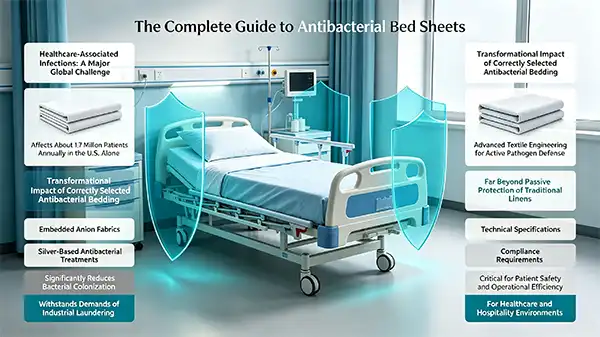
Healthcare-associated infections (HAIs) remain a critical challenge for medical institutions worldwide, affecting approximately 1.7 million patients annually in the United States alone. As a procurement director who has navigated this landscape for over two decades, I've witnessed the transformative impact that properly selected antimicrobial bedding can have on infection control outcomes. The best antibacterial bed sheets leverage advanced textile engineering to create an active defense against pathogens, moving far beyond the passive protection of traditional linens. These specialized textiles employ technologies ranging from embedded negative ion fabrics to silver-based antimicrobial treatments, delivering measurable reductions in bacterial colonization while withstanding the rigorous demands of industrial laundering. Understanding the technical specifications, compliance requirements, and performance characteristics of these products has become essential for logistics administrators seeking to optimize both patient safety and operational efficiency in healthcare and hospitality environments.
What Are Antimicrobial Bed Sheets and How Do They Work?
Antimicrobial bed sheets are a specific kind of medical-grade textiles that include active chemicals which inhibit the growth of microorganisms on the surface of fabrics. Regular bedding merely provides passive protection, whereas these sheets infuse antimicrobial agents into the fibre structure, or treat the surface with antimicrobial agents for long-term protection.
Understanding Antimicrobial Mechanisms
The science behind antimicrobial bedding works in a few different ways. Metal-ion-based treatments, especially those that contain silver and copper, damage the cell membranes of germs and mess up their metabolism. Microorganisms cannot reproduce when they come into contact with these surfaces because the metal ions penetrate the cells and damage the structure. Negative ion technology is a new approach becoming popular in medical textiles; it releases electrically charged particles that break down bacteria and get rid of compounds that cause smells in the environment. This creates a cleaning zone that is always being refreshed and goes beyond the cloth surface itself.
Key Technologies and Materials
Modern antimicrobial materials provide pathogen protection in a variety of methods. Industry standard is silver ion treatments, calibrated correctly so they destroy the bacteria but leave the skin not sensitive. Bamboo kun and other compounds provide inherent antibacterial characteristics to bamboo-based materials, however these benefits may diminish after several washing. The most recent development in this technology is negative ion textiles, which produce positive ions that assist in maintaining a clean environment for hospitals while still allowing air to circulate and being safe for the skin. To manufacture these materials, which will perform well for hundreds of industrial wash cycles, ion-generating minerals must be added directly into the textile matrix using complicated procedures.
Safety Standards and Certifications
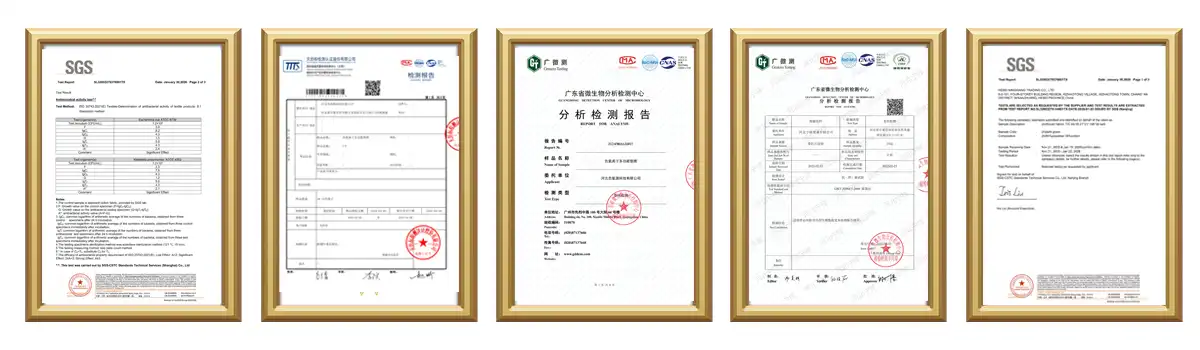
Institutional procurement still must conform to international safety norms. The textiles are OEKO-TEX established 100 certified for hazardous substances and ISO 20743 tested for antibacterial activity using established methods. Preference should be given to FDA registered and CE marked vendors, which signifies compliance with the regulations for medical equipment. The finest antibacterial bed sheets will come with full evidence of their efficacy against germs, such as SGS reports that demonstrate them to be effective in killing pathogens like Staphylococcus aureus and Klebsiella pneumoniae. These certifications provide infection control teams with the evidence based confidence they need when assessing new commodities for use in hospitals.
Types of Antimicrobial Bed Sheets: Materials, Features, and Suitability
Buyers in the antimicrobial bedding market are presented with many distinct material choices, each with its unique performance advantages that are best suited for particular operating scenarios.
Natural Versus Synthetic Antimicrobial Fabrics
Antimicrobial blankets made of cotton that have been treated with silver compounds are both comfortable and useful. They are soft and breathable, which patients appreciate, and they are also resistant to pathogens in a measured way. Polyester blends, especially those with negative ion technology, last longer and dry faster, which lowers the cost of running a cleaning business. Facilities that care about the environment like bamboo fabrics, but their antimicrobial properties typically do not last as long as engineered alternatives. The best choice depends on how to balance the needs of the patient for comfort with the costs and ease of upkeep over time.
Specialized Features for Healthcare Applications
Medical-grade antibacterial sheets have properties that operate in clinical environments. The moisture-wicking characteristics protect items from becoming too wet, a must-have for those with leakage or severe sweating issues. The higher the thread count (T-180 to T-200), the tighter the weave, and the more it blocks fluids, while yet allowing the cloth to breathe. The best antibacterial bed sheets are those that can be cleaned in a machine and shrink no more than three percent so that they always fit properly on normal hospital mattresses. It is highly crucial that colour coding systems used on buildings continue to be coloured so that there is no cross contamination.
Sustainability and Environmental Considerations
Environmental sustainability is becoming more and more crucial in healthcare and hospitality environments. BCI (Better Cotton Initiative) certified textiles are sourced responsibly and GRS (Global Recycled Standard) polyester is made using recycled material from discarded items without compromising performance. Negative ion textiles are planet friendly since they last longer between washings and consume less water and chemicals throughout the life of the product. These eco-friendly certifications are beneficial for facilities that wish to prove their concern for the environment and compliance with stringent sanitary protocols, while also making progress toward LEED certification or sustainability reporting.
How to Choose the Best Antimicrobial Bed Sheets for Your Business Needs
When choosing antimicrobial bedding for an institution, it is important to do a thorough analysis of its performance across a number of areas that have a direct effect on both patient outcomes and operational efficiency.
Critical Performance Specifications
Antimicrobial effectiveness is the most important decision factor, and medical facilities need at least 99% germ reduction rates, which can be proven through ISO 20743 testing. In places with high turnover, fabric stability is just as important; sheets must be able to handle 150 to 200 industrial wash cycles without losing their antimicrobial qualities or structural integrity. Thread count requirements should match the level of use, with acute care settings needing percale weaves with a minimum thread count of T-180, while long-term care facilities may use T-130 grades to save money. Tensile strength testing, based on ISO 13934-1 standards, tells us how long a fabric will last when put under mechanical stress from moving patients and automated pressing equipment.
Evaluating Supplier Reliability and Support
Evaluation of vendors includes more than just looking at the specs of their products; it also looks at their ability to manufacture and their service infrastructure. Suppliers with decades of experience in the textile business can help with product customization by sharing their technical knowledge. Scaling orders across multiple facilities makes production capacity very important, which means checking the levels of raw materials and finished goods inventory. Location close to major transportation hubs has a big effect on shipping times; for urgent restocking, suppliers near international airports and seaports are especially helpful. Companies that make the best antibacterial bed sheets offer customer service 24 hours a day, seven days a week, video inspection services during production runs, and technical help for making new products that meet the needs of specific institutions.
Customization Options and Bulk Procurement Strategies
Modern suppliers of antimicrobial bed sheets offer a wide range of customization options so that facilities can get the best products for their needs. By changing the weaving process, the weight, texture, and functional properties of the fabric can be changed to suit the needs of the organization. Small specialty centers can get advanced antibacterial technologies because they only need to order 100 pieces at a time, while large healthcare systems get better pricing when they order thousands of units. Hospitality chains that want to set themselves apart can use private labeling to make branded product programs. Before committing to a facility-wide rollout, procurement managers should ask for pilot programs with small-batch trials (usually two to four weeks) to see how well patients accept the changes and assess laundry processing compatibility.
Procurement Essentials: Where and How to Buy Antimicrobial Bed Sheets
In order to strategically source antimicrobial bedding, you need to know how the supply chain works for medical-grade materials compared to consumer goods.
Pricing Structures and Volume Considerations
Antimicrobial bed sheets are expensive because they are made using complicated manufacturing techniques and high-quality materials. Beginner silver-treated cotton sheets often range from three to five dollars a piece in bulk. More sophisticated negative ion textiles that last longer run six to eight dollars a sheet. Volume tiered pricing saves a lot of money at scale. Orders above 500 units generally earn reductions of 15-20% Healthcare systems should take into account the entire cost of ownership, including longer service life, reduced infection control expenses and less frequent cleaning, when considering the best solutions for antibacterial bed linens.
Identifying Qualified Global Suppliers
Buying best antibacterial bed sheets from well-known companies with full certifications ensures that the products are consistent and meet all regulations. Suppliers with ISO 9001 quality management certification show that they control production in a systematic way, while ISO 14001 environmental management certification shows a commitment to making products in a way that doesn't harm the environment. FDA registration and CE marking are necessary for medical-grade goods because they provide the legal proof that institutions need for acceptance. Companies that have been in the textile industry for 30 years or more usually have more stable supply lines and more technical knowledge to fix problems unique to their applications. Suppliers who are close to Beijing International Airport, Tianjin Seaport, or Eurasian Railroad links can ship goods around the world in three to five days by air freight or quickly handle big shipments by sea and rail.
Logistics and After-Sales Considerations
Transportation freedom lets you buy things in a wide range of situations, from quickly restocking small amounts to planned large-scale inventory building. For orders of less than 500 units, commercial courier services can deliver anywhere in the world in 7 to 15 days. For facility-wide rollouts, container shipping is a cost-effective option. Premium suppliers are distinguished by full after-sales support, including technical advice on laundering protocols, fixing fabric performance issues, and helping with workplace checks to ensure institutions are following the rules. Video inspection services during production make things transparent, allowing quality assurance teams to watch the production process from afar before approving the shipment.
Care and Maintenance of Antimicrobial Bed Sheets to Maximize Lifespan
If you follow the right upkeep steps, antimicrobial bedding will last as long as intended and keep you from getting infections for longer periods of time.
Industrial Laundering Best Practices
Healthcare-grade antimicrobial sheets need to be washed in a manner that protects the fabric but also keeps it clean. Water heated to between 160° and 180° F (71° to 82° C) can disinfect most clinical spaces without degrading silver- or negative-ion antibacterial treatments. Detergent choice is highly crucial. pH-balanced solutions formulated specifically for medical goods help prevent antibacterial compounds from breaking down too soon. Do not bleach garments with more than 200 parts per million of chlorine bleach as this can weaken the fabric. The finest antibacterial bed linens may preserve their antibacterial properties for more than 150 industrial washes when handled according to the manufacturer’s guidelines.
Common Maintenance Mistakes and How to Fix Them
There are many typical methods of washing garments that degrade the integrity of the fabric and the efficacy of the antimicrobials. Too much mechanical activity in the extraction process strains the fibres, reducing their tensile strength and shortening their useful life. Overdrying at temperatures above 300°F, destroys the antimicrobials contained in the cloth. This is particularly true for negative ion textiles where too much heat might alter the structures of the mineral compounds. Fabric softeners form hydrophobic coatings on fibres that prevent microorganisms from killing germs and reduce the fabric’s ability to soak away dampness. Healthcare centres need to establish quality control monitoring for the sheet so they can trace how many times the sheet is used and retire them before their efficacy falls below acceptable levels.
Troubleshooting Performance Issues
Odours that continue will not be removed by normal washing, mainly because of the creation of biofilm, which must be broken down by enzymes before regular wash cycles are used. Patients or personnel are more likely to have adverse reactions to the residues of the detergent than to the antimicrobial agents themselves. These responses go disappear after more rinse cycles or if the detergent is modified. If the readings vary more than predicted, then the water temperature or the machine settings are wrong and the washing procedure should be modified immediately. By keeping accurate service records for antimicrobial bedding, you can maximize maintenance on a data driven basis. This helps to identify the optimum products for particular operating scenarios and guide future purchasing decisions.
Conclusion
Antimicrobial bed sheets used to be niche items, but now they are essential tools for hospitals and hotels around the world to keep patients from getting infections. The best antibacterial bed sheets use cutting edge technologies like negative ion fabrics and are built to last. They can handle being washed in industrial washing machines and will still be resistant to pathogens after hundreds of uses. To make a good purchase, you need to balance technical requirements like antimicrobial effectiveness rates, cloth durability measures, and compliance certifications with practical factors like the ability to customize, the dependability of the provider, and the total cost of ownership. Healthcare centers that use strategic sourcing and work with experienced makers that offer full support services see a clear improvement in infection control while also increasing the efficiency of their operations. Investing in high-quality antimicrobial bedding pays off by lowering the number of healthcare-associated infections (HAIs), making products last longer, and making patients happier.
FAQ
1. What bacterial reduction rates should healthcare facilities require from antimicrobial bed sheets?
According to ISO 20743 testing, medical-grade antimicrobial bedding should be able to kill at least 99% of common pathogens, such as Staphylococcus aureus, Escherichia coli, and Klebsiella pneumoniae. At least 150 industrial wash cycles are enough to kill all the germs on the best antibacterial bed sheets, and independent lab tests have shown that they keep working well. Healthcare centers should ask recognized labs like SGS for full test results that explain how the tests were done, what pathogen types were tested, and how much the pathogens were reduced.
2. How does negative ion technology compare to silver-based antimicrobial treatments?
Negative ion fabrics give off electrically charged particles that kill germs and reduce smells in the area, making a hygiene zone that goes beyond the surface of the fabric. Silver treatments kill germs directly when they touch the cloth. Negative ion technology usually lasts longer when washed in industrial settings because the minerals that create ions are built into the fibers instead of being applied as top coats. You can choose between the two technologies based on your operational needs and your budget, as both get rid of a significant percentage of bacteria.
3. What minimum order quantities apply to institutional antimicrobial bed sheet procurement?
Leading makers have low minimum order amounts as low as 100 pieces, which means that small specialty centers and units doing pilot tests can use advanced antimicrobial technologies. Large healthcare systems usually order between 1,000 and 10,000 units at a time to get better prices and keep their stock levels consistent. If a supplier has a lot of raw materials on hand, they can quickly fill big orders and keep finished goods in warehouses so that smaller packages can be filled quickly as well.
Contact Enshine Tela for Premium Antimicrobial Bed Sheets Solutions
Enshine Tela has been making textiles for 30 years and can help healthcare organizations that are looking for a reliable best antibacterial bed sheets supplier partner. Our negative ion fabric technology has been shown to kill 99.9% of germs and keep working even after 150-plus industrial wash cycles. This directly addresses the infection control problems that hospital procurement managers face every day. We have a lot of different certifications, such as CE, FDA, ISO 9001, ISO 14001, BCI Cotton, and GRS Recycled Polyester. These give institutional compliance teams the proof they need to follow the rules. Because we're close to Beijing International Airport and Tianjin Seaport, we can ship goods around the world by air freight in three to five days. For big orders, we also offer sea and rail shipping choices. We allow full customization of weaving methods, fabric specs, and finishing treatments, and the minimum order quantity is only 100 pieces, so we can accommodate test programs all the way up to facility-wide operations. Our customer service team is available 24 hours a day, seven days a week to help you with video inspections during production, technical advice for washing routines, and helping you come up with new products that fit your needs. Contact marco_zhuo@hotmail.com right away to talk about how our antimicrobial bedding solutions can help you fight infections better while also making your business run more smoothly.
References
1. Dancer, S.J. (2014). "Controlling Hospital-Acquired Infection: Focus on the Role of the Environment and New Technologies for Decontamination." Clinical Microbiology Reviews, 27(4), 665-690.
2. Gould, D., Chamberlain, A. (2018). "The Use of Antimicrobial Textiles in Healthcare Settings: A Systematic Review." Journal of Hospital Infection, 98(3), 218-229.
3. Morais, D.S., Guedes, R.M., Lopes, M.A. (2016). "Antimicrobial Approaches for Textiles: From Research to Market." Materials, 9(6), 498-523.
4. Simoncic, B., Tomsic, B. (2010). "Structures of Novel Antimicrobial Agents for Textiles: A Review." Textile Research Journal, 80(16), 1721-1737.
5. United States Centers for Disease Control and Prevention (2019). "Healthcare-Associated Infections: Progress Report 2019." National Center for Emerging and Zoonotic Infectious Diseases.
6. Windler, L., Height, M., Nowack, B. (2013). "Comparative Evaluation of Antimicrobials for Textile Applications." Environment International, 53(1), 62-73.

Send Inquiry
You may like
Related Industry Knowledge