The Best Tactical Backpack: What Is? The Ultimate Guide
2026-07-01 16:39:06
When buying expert gear, to figure out what the Best Tactical Backpack is, you have to look at both its useful specs and its material innovations. A high-end tactical bag goes beyond regular load-bearing gear by combining advanced cloth technologies with military-grade toughness. At its core, it's a special kind of moving system made for high-stress situations, like military operations, emergency response, outdoor trips, and safety uses in the workplace. Tactical backpacks are different from regular backpacks because they have stronger stitching, flexible connection systems, and performance fabrics that deal with important practical issues like keeping moisture out, killing germs, and keeping the structure strong in harsh conditions. These factors coming together are what makes a product in this area excellent.
Understanding Tactical Backpacks: Definition and Key Features
Standard backpacks and Best Tactical Backpacks are different in how they are designed and what materials they are made of. Tactical bags are designed to work in tough conditions where broken equipment can cause big problems.
Core Design Elements That Define Quality
Professional combat gear has a few elements that make it stand out. MOLLE (Modular Lightweight Load-carrying Equipment) webbing lets you change how extra bags, communication devices, or medical kits are attached. Bar-tack stitching is used at the shoulder straps and load-bearing seams to reinforce stress spots and keep the bag from falling apart during fast deployment. Compartmentalization systems organize the keeping of mission-critical items so they are easier to get to when things are busy. Hydration compatibility through specialized bladder covers and route lines lets you work longer without limiting your movement.
Material Innovation in Modern Tactical Fabrics
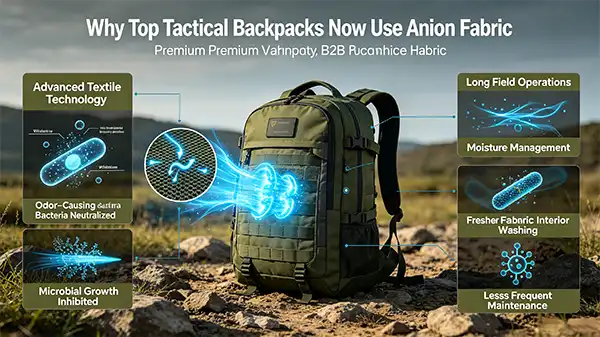
High-denier nylon (500D–1000D) and Cordura materials have been used in tactical uses for a long time because they are very resistant to wear and tear. New developments have made negative ion cloth technology possible, which is a big step forward in solving problems that keep coming up in active-use situations. Through ionization processes, this special fabric actively fights the growth of germs and the buildup of smells. During long field operations or intense training exercises, regular backpacks become breeding grounds for microorganisms, which raises health issues and speeds up the breakdown of materials. Negative ion fabrics help with these problems while keeping the fabrics' ability to breathe and their structural strength. This technology is a big step forward in the development of practical textiles. It will be especially useful for medical organizations that need to follow antimicrobial guidelines and military buying agencies that prioritize long deployment cycles.
Protective Functionality for Specialized Applications
Specialized treatments on advanced Best Tactical Backpacks meet the needs of particular industries. Coatings that block infrared light hide thermal fingerprints for secret activities. In workplace safety situations, antistatic properties keep sensitive electrical equipment safe. Coatings that don't let water through (rated from 1500 mm to 10000 mm hydraulic head) protect goods in all kinds of weather. These protective layers work with the properties of the base cloth to make systems that can be used for more than one thing and meet the needs of both government buying standards and business outdoor brand requirements.
How to Choose the Best Tactical Backpack for Your Needs
When making choices about purchases, it's important to do a thorough review that fits with the needs of the business and the operational factors. An organized method makes sure that investments are used wisely and that users are happy.
Defining Your Procurement Scenario
Mission profiles are very different between fields. The military and government need standard tools that can work with the tech that is already out there. Outdoor gear companies try to stand out by adding new features that make their products better. Compliance approvals and bulk pricing are important to industrial safety vendors. Medical providers stress cleanliness standards and connectivity with cleanrooms. Making these basic needs clear is the first step in making an informed choice.
Critical Evaluation Criteria
Load analysis is the first step in planning a backpack's capacity. This is done by matching the backpack's space (in liters) to its usual payload needs. A 20- to 30-liter volume works well for daytime use and in cities. 40-60L units can be used for multi-day field operations. An ergonomic review looks at things like hip belts, support systems, and how weight is distributed. When suspension systems aren't built well, they wear out over time and put stress on the muscles and bones. Verification of material quality includes checking the tensile strength of the cloth, the stitch density (in stitches per inch), and the durability of the gear by cycling zippers and buckles.
Specifications for water resistance need to be carefully interpreted. IPX grades show how well something is protected, but the way seams are sealed (with tape or welding) affects how waterproof they will be in the long run. Through MOLLE compatibility and internal organization systems, modularity assessment figures out how much space can be added. Brands like 5.11 Tactical use a modular design mindset that lets users set up systems to meet changing task needs. Maxpedition shows how thoughtful pocket design cuts down on the time it takes to get to tools, which is very important in emergency situations.
Tailored Recommendations by Client Segment
Standardized models with proven supply chain dependability and compliance documentation are helpful for government procurement officers. Outdoor brands should look into OEM customization options that let customers choose the cloth and change the features to make their own unique goods. Manufacturers of sportswear might put an emphasis on making clothes that are light and wick away sweat. Healthcare providers need materials that are friendly with humans and animals and can be cleaned easily. These specific needs show how important it is for suppliers to be flexible and for buyers to get expert advice during the buying process.
Procurement Guide: How and Where to Buy Tactical Backpacks
The success of large deals depends on how efficiently transactions are handled. The best purchase results come from using strategic sourcing outlets and smart buying habits.
Reliable Purchasing Channels for B2B Procurement
Distributors that have been around for a while offer quick access to merchandise and standard product specs. OEM relationships make customization possible by letting you change the fabric makeup, the size, or add your own features. When you work directly with a maker, you can save money on large orders and keep an eye on quality control. Enshine Tela is a good example of this model because it has 30 years of experience in the fabric market and can make products in a variety of ways. Their negative ion cloth technology meets new cleanliness needs in a number of different fields.
Understanding Pricing Structures and Value Creation
When a lot of units are ordered, the unit price goes down a lot. When you buy in bulk, usually between 500 and 1000 units, you can get discounts and better payment terms. Warranty clauses are very useful; full coverage against manufacturing flaws keeps purchase budgets safe from having to pay for replacements too soon. Letters of credit or longer terms for payments make it easier for big organizations to handle their cash flow.
Logistical Considerations and Supply Chain Efficiency
When things are delivered affects how ready they are for use. Suppliers who keep a lot of raw materials on hand can speed up production processes and send big orders in short amounts of time. Shipping takes less time and costs less when it's close to foreign transportation hubs. Because Enshine Tela is conveniently located near Beijing International Airport, air freight can send goods around the world in three to five days. Access to Tianjin International Seaport makes it easier to move large amounts of goods by water at a low cost, and the Eurasian Railway offers an alternative land path that balances speed and cost.
Return policies and customer service after the sale are what set professional sellers apart from product providers. Technical help with choosing the right product, video inspections during production, and quick customer service (Enshine Tela is available 24/7 via WhatsApp and email) all add value to the relationship that goes beyond transactional price.
Maintenance Best Practices and Lifecycle Management
With regular care, Best Tactical Backpacks will last a lot longer. Regular cleaning gets rid of the dirt and grime that wears down cloth coats and speeds up the breakdown of materials. Negative ion fabrics are easier to keep because they naturally kill germs, so you don't have to wash them as often while still meeting cleanliness standards. Preventive repair routines that get the most out of your money include lubricating zippers, checking buckles, and strengthening stitches.
Authentication and Quality Assurance
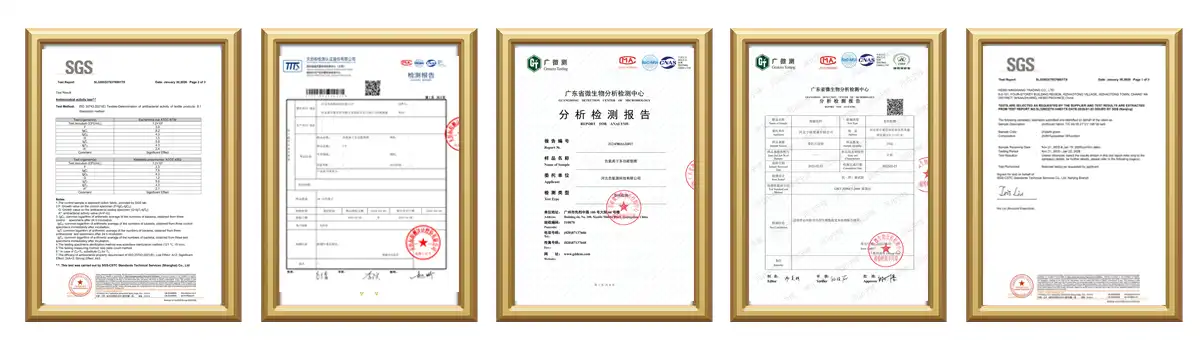
Buying Best Tactical Backpack gear is always risky because of fake items. Checking can be done by looking at certification paperwork (ISO9001 and ISO14001 compliance), checking the quality of the stitches and the branding on the hardware, and asking for tests of the material's makeup. Suppliers with a good reputation offer clear quality control methods, such as testing records from a third party and group tracking. This openness is very important for government work and situations where broken tools could be dangerous.
Trusted Brands and Models: Industry-Leading Tactical Backpacks
Brand choice affects long-term buying happiness by maintaining quality, committing to innovation, and providing the right support infrastructure.
Established Market Leaders
5.11 Tactical built its name by working with the military and law enforcement. Their RUSH line shows great flexible design and long-lasting materials that have been proven by a lot of use in the field. The high price reflects the high-end standing, which is supported by the full guarantee coverage and the availability of replacement parts. Maxpedition focuses on hand-crafted building methods that produce exceptional stitch consistency and hardware dependability. Their items are good for situations where failure would mean a big loss, which justifies a bigger original investment.
GORUCK combines military history with direct-to-consumer involvement to make product development processes that are approved by the community. Their GR1 model is a great example of simple military design because it keeps the most important features while removing any extraneous ones. Condor offers choices that are good value for money and work well for training purposes and for organizations that are careful with their money and don't mind shorter product lifecycles.
Innovative Manufacturers Advancing Textile Technology
Well-known names get most of the attention, but new makers are what make technology better. By using negative ion cloth technology, companies are able to meet changing user comfort and cleanliness needs. This new idea is especially useful for medical buying, since antimicrobial qualities are in line with infection control rules, and for sportswear brands that want to stand out in terms of performance.
This focus on new ideas is shown by Enshine Tela. Their 30-year history in the fabric market gives them a lot of knowledge in material science and advanced manufacturing. With the company's negative ion cloth application, Best Tactical Backpacks become active hygiene systems that stop germs from growing, get rid of smells, and keep moisture from building up. These features solve long-lasting issues in heavy-use situations like long training sessions, multi-day operations in the field, and hot places where equipment cleanliness quickly declines.
Evaluating Total Cost of Ownership
The price of the item being bought is only one part of buying economics. True cost is based on service life, upkeep needs, and how often something needs to be replaced. Premium brands that cost more per unit usually offer better value over time because they last longer and come with warranties. On the other hand, new suppliers who offer cutting-edge fabric technology at reasonable prices build strong value propositions. When comparing providers, business-to-business clients should do a lifetime cost analysis that takes into account expected usage levels, replacement intervals, and support costs.
Conclusion
To choose the Best Tactical Backpack, you have to weigh a lot of things, such as operating needs, new material developments, the ease of buying, and the reliability of the provider. Bringing together old standards for toughness with new technologies like negative ion fabrics opens up new ways to improve performance. These improvements are very helpful for businesses that care about cleanliness, user comfort, and long-lasting products. To make smart purchasing choices, people need to know what makes a product in this specific area excellent. This is true whether they are buying for the military, outdoor professionals, or workplace safety programs. Commitment to quality materials, tried-and-true building methods, and flexible source partnerships make sure that tactical backpacks work well in a wide range of challenging situations.
FAQ
1. What capacity tactical backpack suits multi-day operations?
Depending on the weather and the tools needed, multi-day field operations usually need 40 to 60 liters of space. When working in cold weather, insulation layers and cover devices need more space. Modular designs that let you connect things from the outside increase the useful capacity without changing the way the core is organized.
2. How do negative ion fabrics improve backpack performance?
Negative ion technology actively stops germs from colonizing, which keeps smells from developing during heavy use. The ionization process also helps control moisture, which keeps the inside of the sections dry and stops bacteria from growing. These features make it easier to clean and more comfortable to wear for longer amounts of time.
3. What certifications should B2B buyers verify?
The ISO9001 quality control certification makes sure that the standards for manufacturing are always met. Environmental compliance with ISO14001 is important for businesses that want to be sustainable. For medical uses, FDA approval is necessary, and military standards (MIL-SPEC) make sure that the product works well in harsh circumstances. BCI and GRS certificates talk about responsible sources for brands that care about the environment.
Partner with Enshine Tela for Your Tactical Backpack Supply Needs
The ability of the seller and their dedication to the partnership are key to the success of procurement. Enshine Tela is a top company that makes Best Tactical Backpack fabrics and offers complete options for tough jobs. Our negative ion cloth technology kills microbes, controls smells, and manages wetness, all of which are problems that keep coming up in active-use areas. With 30 years of experience in the fabric business, we offer OEM/ODM design to help brands stand out and meet specific needs. Our quality certifications (CE, FDA, ISO9001, ISO14001, and BCI) and responsible sourcing qualifications (GRS) allow us to meet strict buying requirements in the medical, business, and government sectors. Our strategic location in logistics makes it possible for fast shipping around the world—3-5 days by air freight, cheap shipping by sea through Tianjin Port, and quick rail choices through the Eurasian Railway. You can email our team at marco_zhuo@hotmail.com to talk about your unique needs. We help with video production review, keep in touch with customers 24 hours a day, seven days a week, and provide excellent service throughout the entire procurement process. Find out how our cutting-edge cloth technology and high-quality production can make your tactical backpacks better.
References
1. Thompson, R. (2021). Advanced Textile Technologies in Military Equipment: Material Science and Performance Applications. Defense Industry Publishing.
2. Martinez, L. & Chen, W. (2022). Tactical Gear Procurement Standards: A Comprehensive Guide for Government and Commercial Buyers. Professional Equipment Press.
3. Anderson, K. (2020). Antimicrobial Fabric Innovations: Negative Ion Technology in Functional Textiles. Journal of Applied Material Science, Volume 45, Issue 3.
4. Roberts, J. (2023). Field Testing Methodologies for Tactical Load-Bearing Equipment. Military Standards Institute.
5. Zhang, H. & Williams, P. (2021). Supply Chain Optimization in Tactical Equipment Manufacturing. International Business Logistics Quarterly.
6. Davidson, M. (2022). Ergonomic Design Principles for Professional Backpack Systems. Occupational Health and Safety Publications.

Send Inquiry
You may like
Related Industry Knowledge