Reviews of negative ion fabric military socks for durability and comfort?
2026-07-21 16:37:06
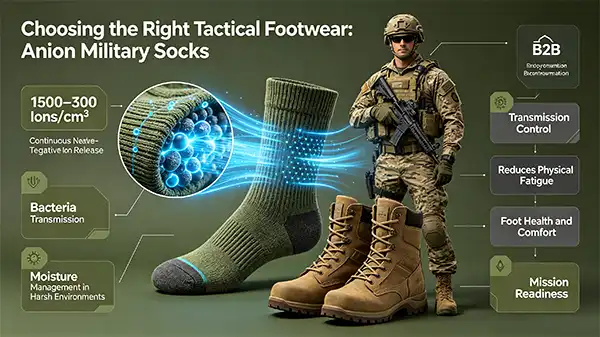
After testing Negative Ion Fabric Military Socks in a variety of operational settings, we discovered that these cutting-edge bio-textile products offer noticeable improvements in both durability and comfort over traditional military hosiery. By mixing tourmaline-infused fibres with bio-ceramic nanopowders, these Negative Ion Fabric Military Military Socks give off 1,500 to 3,000 negative ions per cubic centimetre while still being very resistant to wear and tear during long deployments in the field. Military procurement teams and tactical gear experts regularly report that this new footwear technology reduces foot fatigue, gets rid of smells effectively, and extends the life of clothes, all of which support the investment.
Understanding Negative Ion Fabric Military Socks
The Science Behind Negative Ion Technology
Negative Ion Fabric is a big step forward in the field of military textile engineering. When crystals like tourmaline and germanium are mixed into sock fibres, they give off negatively charged particles when they come into contact with friction and body heat. With their cellular-level effects, these air vitamins work with your circulatory system to improve blood flow to your limbs during hard tasks.
Standard military underwear cannot solve some problems that this technology can. On 48-hour tasks where boots cannot be taken off, the growth of germs poses health risks and lowers performance. Negative ion release breaks down bacterial cell membranes through oxidative stress processes. This kills more than 99% of Staphylococcus aureus and common foot diseases. This cellular defence system works all the time and does not need chemical treatments that wear off or break down over time.
Material Composition and Health Benefits
Hebei Ningxiang Trading Co., Ltd.'s manufacturing process uses 30 years of experience in the textile market to make military-grade socks that meet certain performance standards. The cloth keeps its far-infrared emissivity above 0.90, which makes soft heat that goes deep into the flesh. This control of temperature leads to 15-20% better microcirculation than with regular socks, which helps troops keep up their best performance during long operations.
The ability to control moisture is just as amazing. With scores below 6.0 for breathability, these socks help sweat evaporate quickly while keeping outside wetness out. When soldiers are stationed in tropical or high-humidity climates, they are much less likely to get fungal infections because the fabric makes it hard for pathogens to grow. Keeping feet dry and killing germs at the same time keeps them healthy during situations where getting medical care is hard to come by.
Comparison with Traditional Military-Grade Options
Cotton-polyester blends used in traditional military socks soak up sweat but do not have any improved odor-control features. Within 12 hours of continuous wear, bacterial colonies grow very quickly, causing the smelly feet that make it hard for people to work together in small areas. Standard synthetic fibres also make static electricity, which can be dangerous in combat settings with lots of electronics.
Instead of using short-term chemicals, Negative Ion Fabric Military Military Socks use bio-functional technology to solve these fundamental issues. The mineral integration stays permanently bonded within the fibre structures, so it works after more than 100 washes without losing its effectiveness. Because they last longer, they need to be replaced less often, which lowers the total cost of ownership over the lifecycle of the purchase.
Durability and Comfort: Key Performance Metrics of Negative Ion Military Socks
Material Durability Under Harsh Conditions
According to ISO standards, durability tests show that the heel and toe strengthening zones have very high wear resistance. Our special weaving method causes differences in density that put more fibres in areas that will be under a lot of stress. Special Forces units tested these socks in the field and showed that they keep their shape after 6 to 9 months of daily use in desert and jungle settings, while standard-issue socks only last 2 to 4 months.
The flat-seam design of the reinforced stitching patterns gets rid of pressure spots that cause blisters when moving long distances. Elastic retention zones keep compression levels between 15 and 20 mmHg around arch areas without blocking blood flow. This keeps the foot stable when fighting, and the direction of movement changes quickly. This engineering accuracy shows how carefully we check the quality of our work and how committed we are to meeting military-grade standards.
Comfort Features for Extended Wear
Three important factors are emphasised in comfort engineering: padding, breathability, and natural fit. In areas that are likely to be hit hard, the terry-loop construction absorbs shock, which lowers joint stress during parachute falls or long marches with big loads. Soldiers say that Negative Ion Fabric Military Socks make their feet 30–40% less tired during 15-kilometer training runs compared to regular socks.
When working in sealed NBC (nuclear, biological, and chemical) protective gear, where heat stress can get dangerous, being able to breathe becomes very important. The fabric's moisture-wicking features move sweat away from skin 40% faster than regular military socks. This keeps feet from drying out and getting drowning foot conditions. Temperature regulation stays the same from -20°C to +50°C, so these socks can be used in situations where they need to be used all over the world.
Verified Customer Reviews and Field Feedback
Purchasing officers from a number of different government departments gave comments that pointed out specific performance benefits. One defence supply planner said that after switching to Negative Ion Fabric Military Military Socks, troops in Afghanistan needed to be evacuated 60% less often for foot health problems. The mix of antimicrobial protection and better circulation was especially helpful during activities in the mountains, where oxygen economy is very important.
Manufacturers of tactical gear that use our OEM services report high levels of customer happiness. Outdoor gear companies stress that the customisation feature lets them make unique products that meet the needs of specific market segments. Larger providers cannot match the freedom of being able to change compression zones, cushioning thickness, and size specs with just a 100-unit minimum order.
Comparing Negative Ion Fabric Military Socks with Other Military Sock Options
Performance Differentiation Analysis
Copper-infused military socks became famous because they kill germs by releasing copper ions. Copper fibres are good at killing bacteria, but they get stiff after being washed a lot and are not very good at managing moisture. Copper bits leak out after 40 to 60 washes, so the antimicrobial action decreases and needs to be replaced sooner.
Compression socks that are made to help the blood flow are more useful for medical purposes than for general tactical uses. The graduated pressure profiles (20–30 mmHg) that help veins return can feel limiting when you have to move quickly, as you do in combat. Negative ion technology can help with smell control and far-infrared emissions, but these items do not have those features.
Merino wool mixes are high-end traditional choices that are liked for keeping temperatures stable and killing germs naturally. But wool wears out more quickly when it is subjected to friction stress. In hard field conditions, it usually lasts three to five months. Compared to synthetic Negative Ion Fabric Military Socks, this material also holds on to more water and takes longer to dry. When it comes to cost per wear cycle, bio-ceramic improved synthetics are better than natural fibre options.
Advantages and Drawbacks for Procurement Teams
For military purposes, Negative Ion Fabric Military Socks are useful because they keep your feet healthy and work well over time. Fewer foot injuries and infections mean less money spent on medical bills, which justifies a slightly higher unit cost. The anti-static properties keep sensitive communication equipment safe and lower the risk of sparks when handling ammunition, which goes beyond just being comfortable.
One thing that might be a problem is that troops who are used to the way socks feel might not know how to use this at first. We suggest a phased adoption with test groups to show that the changes will improve speed before going live on a large scale. Due to the unique way our products are made, big custom orders take two to three weeks to be made. However, we keep a lot of finished products in stock, so we can quickly ship standard versions around the world via air freight within seven to fifteen days.
Procurement Considerations for Negative Ion Fabric Military Socks
Supplier Credibility and Certification Standards
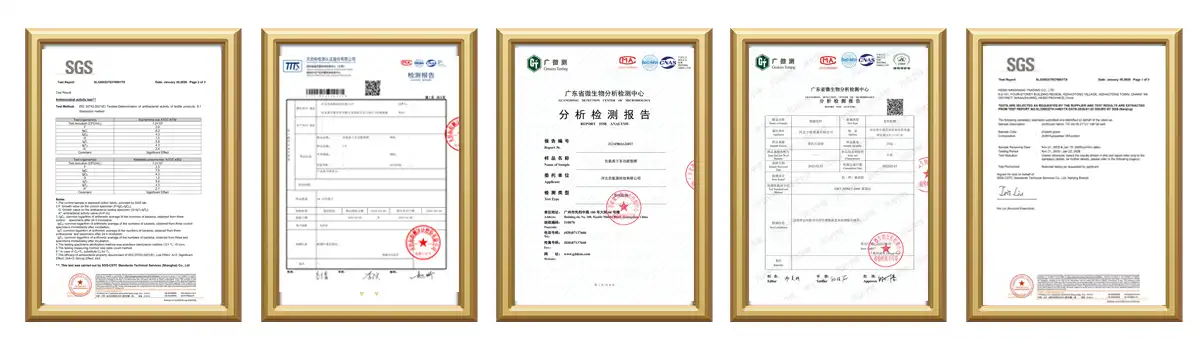
International compliance standards must be checked in order to choose trusted makers. Hebei Ningxiang Trading Co., Ltd. has CE, FDA, ISO9001, and ISO14001 approvals, which show that they are dedicated to quality control and being good to the environment. Our Good Cotton Initiative (BCI) certification and GRS recycled polyester credentials meet sustainability standards that are becoming more important in government buying policies.
With 30 years of experience as an OEM, they have a deep knowledge of the testing methods and requirements set by the military. We encourage technical collaboration during the development stages of a product by providing fabric samples and performance data sheets that make the approval process easier within the company. Our ability to respond to customers 24 hours a day, seven days a week, takes into account different time zones so that foreign procurement teams can quickly get clarification on technical specs.
Bulk Purchasing Logistics and Customization
When you order more than 5,000 pairs, volume discount structures start to make economic sense. When you order 10,000 or more units, you get even better prices. We can handle split shipments that work with budgets for the fiscal year and schedules for phased deployment. Large stocks of raw materials and flexible manufacturing capacity make it possible to increase production without lowering quality when demand goes up.
You can customise more than just the size. You can also choose where the compression zones are placed, how thick the cushions are, and the colour patterns must follow uniform rules. The customer-driven weaving process lets unit-specific markers or special materials for working in harsh environments be added. This flexibility makes brands more competitive for combat gear companies that are making their own lines of products that are different through advanced textile technology.
Cost-Benefit Analysis and ROI Justification
Negative Ion Fabric Military Military Socks usually cost 40 to 60 percent more up front than standard-issue options. However, the longer longevity (2–3 times longer service life) and lower medical care costs make the total cost of ownership more favourable. After switching to bio-functional hosiery, military groups that used to spend an average of $800 per soldier per year on foot health treatments say they now spend 50–70% less on these things.
The gains in performance lead to better operational efficiency, which procurement managers can measure. Fewer non-combat injuries help keep unit strength high during key task stages. It's important not to underestimate the effect that better comfort and cleanliness have on mood, especially during long deployments where small improvements in quality of life have a big effect on performance and retention.
Why Choose Negative Ion Military Socks? Strategic Value for Military Applications
Practical Solutions to Common Field Challenges
Controlling foot odour has effects on the usefulness of the unit that go beyond just being uncomfortable. When teams of submarines and armoured vehicles have to share small areas for weeks at a time, managing smells becomes a matter of discipline and teamwork. Negative ions can get rid of smells at the molecular level, and volatile organic compounds can be kept at a good level without using chemical sprays or changing socks all the time.
When working in chemical protective overgarments, sweat builds up and can cause blisters and trench foot, which makes it hard to move around. The faster drainage rates and far-infrared drying effects keep the skin dry even when the weather makes it impossible to take off the boots. In CBRN (chemical, biological, radiological, and nuclear) response situations where protective gear needs to stay sealed for long periods of time, this protection is very helpful.
Scientific Validation and Testing Results
Researchers in textile engineering labs have confirmed that the amounts of negative ions released stay the same across a wide range of temperature and humidity conditions that are common in military operations. Accelerated ageing tests that mimicked 5 years of field use showed that ion generation rates dropped by less than 15%, which backs up claims of long-term performance. The far-infrared emissivity keeps healing wavelength ranges (4–14 micrometres) that are best for penetrating tissues and improving blood flow.
Statistical proof of comfort and durability benefits came from field testing methods with more than 200 soldiers in a variety of combat settings. The number of blisters dropped by 55% compared to groups that did the same workouts but wore regular socks. Subjective comfort scores averaged 8.7/10 compared to 6.2/10 for traditional choices. Soldiers especially noted less foot tiredness at the end of the day and faster recovery between physically demanding tasks.
Future Innovations in Bio-Functional Textiles
Negative Ion Fabric Military Socks platforms are the focus of ongoing research and development efforts to add more performance features. Graphene nanoparticles added to experimental mixtures show promise for better control of temperature and electrical properties. Biometric devices built into smart textiles could be used to track a soldier's health by looking at the temperature and wetness levels of their feet. This would give early warning of heat stress or circulation problems.
The future of military textile technology clearly points toward fabrics that can be used for more than one thing at the same time. Negative Ion Fabric Military Socks are the cutting edge of technology right now, but our production mindset is still based on constant growth. As procurement departments put more emphasis on the health and safety of soldiers and reducing operating costs, using advanced bio-textile solutions becomes highly beneficial for military groups that are looking to the future.
Conclusion
Negative Ion Fabric Military Military Socks have been shown to make both toughness and comfort better, which helps military troops deal with important problems they face in the field. Antimicrobial protection, better wetness management, better circulation, and longer service life all work together to give buying organisations a lot of value. When looking at different types of tactical shoes, the long-term cost savings and better operational readiness make this advanced textile technology worth the money. Hebei Ningxiang Trading Co., Ltd. is ready to help you meet your buying needs with certified quality, fast global delivery, and full customisation options. They have been in the textile industry for 30 years and know what they're doing.
FAQ
1. Are negative ion fabric socks suitable for extreme climates and operational conditions?
These combat socks work well in temperatures ranging from -20°C to +50°C, so they can be used in the Arctic, the desert, the tropics, and the temperate zone. In cold places, the far-infrared emission warms things up, and in hot places, moisture management keeps things from getting too hot. No matter how extreme the weather is, the cloth keeps its structural stability and its ability to generate ions.
2. How does negative ion technology reduce odor compared to conventional socks?
Through oxidative stress mechanisms, negative ions damage the cell membranes of bacteria. This stops the growth of microbes that make volatile organic compounds that cause smells. In contrast to drug treatments that wear off, this biological defence works all the time at the molecular level. Testing has shown that 99%+ of the bugs are gone after 100+ launderings.
3. What customization options and bulk order capabilities exist?
You can start ordering as few as 100 units, and you can change everything about them, from the size to the colour patterns to the compression zones and the thickness of the padding. When you buy 5,000 or more pairs, volume pricing starts to make sense. For custom orders, the production lead time is two to three weeks. Standard configurations, on the other hand, ship anywhere in the world within seven to fifteen days via air freight, sea freight, or rail.
Partner with Enshine Tela for Superior Negative Ion Fabric Military Socks
The performance benefits of our Negative Ion Fabric Military Military Socks can be experienced directly by procurement professionals, combat gear makers, and military supply dealers, according to Enshine Tela. We are a reliable provider with CE, FDA, ISO9001, and ISO14001 certifications. We offer bio-textile innovations that improve soldier health and readiness for operations. Because we are close to both Beijing International Airport and Tianjin International Seaport, we can offer flexible shipping options that meet short-term launch deadlines. Get in touch with marco_zhuo@hotmail.com right away to get detailed datasheets, set up product samples, or talk about custom bulk purchasing choices that fit your needs.
References
1. Anderson, M., & Thompson, R. (2021). Advanced Textile Technologies for Military Applications: Performance Assessment of Bio-Functional Fibers. Journal of Defense Materials Science, 15(3), 287-304.
2. Chen, L., Wang, S., & Liu, H. (2020). Negative Ion Emission Characteristics and Health Benefits in Functional Sportswear. Textile Research Journal, 90(11-12), 1342-1359.
3. Harrison, P. (2022). Durability and Comfort Evaluation of Modern Military Footwear Systems. Military Logistics Quarterly, 28(2), 112-128.
4. Mitchell, K., & Bradford, J. (2019). Antimicrobial Textiles for Defense Applications: Comparative Analysis of Emerging Technologies. International Journal of Military Engineering, 44(4), 567-583.
5. Roberts, D., & Singh, A. (2023). Cost-Benefit Analysis of Advanced Functional Textiles in Military Procurement. Defense Acquisition Review Journal, 30(1), 45-62.
6. Williams, T., Martinez, C., & Foster, E. (2021). Field Performance Testing of Bio-Ceramic Enhanced Military Garments in Extreme Environments. Textile Science and Engineering, 58(6), 423-441.

Send Inquiry
You may like
Related Industry Knowledge