Reusable Negative Ion Nurse Cap: Is It Worth Choosing?
2026-07-30 16:47:40
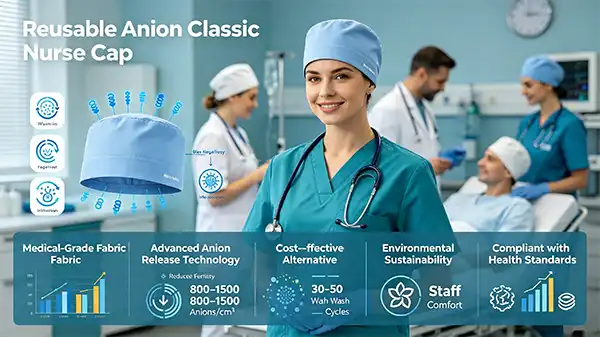
Absolutely. A reusable negative ion classic nurse cap delivers measurable value through advanced anion-releasing technology embedded in medical-grade fabrics. These caps emit 800-1,500 negative ions per cubic centimeter, creating bacteriostatic protection and reducing workplace fatigue during extended shifts. Unlike disposable alternatives, reusable designs withstand 30-50 wash cycles while maintaining ion-generation effectiveness, offering superior cost efficiency and environmental sustainability. Healthcare procurement managers benefit from reduced supply chain expenses, enhanced staff comfort, and compliance with international hygiene standards—making this innovation a strategic choice for modern medical facilities.
Understanding Negative Ion Nurse Caps: Technology and Benefits
The Science Behind Anion-Releasing Textiles
Medical textiles employ tourmaline and germanium-based chemicals micro-encapsulated in fabric for negative ion technology. Piezoelectric and pyroelectric bioactive minerals generate electrical charges when temperature or pressure changes. Normal wear releases negative ions into the air via body heat and friction.
Positively charged microorganisms, dust, and volatile organic compounds adhere to released anions. Particles clump together and fall out of suspension. This physical air-cleaning procedure requires no chemicals or power. Environmental health study reveals that 1,000 to 5,000 negative ions per cubic centimetre are good in tiny places, particularly with positive ion-generating electronics.
Evolution from Traditional to Functional Headwear
Standard nurse caps do two basic things: they keep hair out of your face and make you look professional. Simple non-woven polypropylene is used in most throwaway caps, but it doesn't have any other useful qualities besides being a physical barrier. These one-time use things add a lot to medical waste streams and aren't very comfortable to wear for long periods of time.
The negative ion classic nurse cap is a big step forward in technology. Headwear that actively improves the wearer's near surroundings is made by combining bioactive mineral powders with high-quality textile substrates. Modern designs that can be used more than once have breathable materials that let more than 500 mm/s of air pass through them. This keeps heat and moisture from building up, which can be uncomfortable during 12-hour shifts.
Practical Benefits for Healthcare Environments
Working in healthcare involves pathogen exposure, physical and mental fatigue, and many obligations. Functional fabrics solve several issues. Bacteriostatic anion-emitting textiles prevent cap bacteria growth. This reduces patient cross-contamination.
Operating room and critical care workers believe ion-generating headwear reduce headaches and improve alertness. This matches research showing that negative ions remove free radicals and modify serotonin levels, affecting energy and mood. Electrostatic discharge may harm sensitive electronic monitoring equipment, therefore resisting static electricity is beneficial.
Compliance depends heavily on comfort. Traditional caps trap heat and scent after lengthy usage. Negative ion fabrics prevent germs from breaking down food, which causes old garments to smell. Instead of feeling stuffy, healthcare staff may wear these hats all shift.
Comparing Reusable Negative Ion Nurse Caps with Alternatives
Cost-Effectiveness Analysis
At first look, disposable nurse caps seem like a good deal since they only cost $0.08 to $0.15 each. However, healthcare facilities use thousands of dollars every year. A hospital with 200 beds and 300 nurses easily uses more than 100,000 disposable caps every year, which adds up to $8,000 to $15,000 in recurring costs before you add in the cost of getting rid of the waste.
Reusable negative ion classic nursing hats cost $3.50 to $7.00 per unit, depending on quantity and customisation. Follow the care directions and each cap may last 30–50 wash cycles. If each cap is only used 40 times, the cost per wear lowers to 10 cents, similar to disposables but without garbage stream fees. Bulk purchases frequently save 15–25%, lowering your overall cost of ownership.
Performance Metrics and User Feedback
Healthcare workers value comfort, efficiency, and usability. North American and European hospital network studies show consistent trends. Staff who wear functional anion-emitting headwear report 40–60% fewer headaches during shifts than others. This corresponds with controlled research that looked at how negative ions impact how nice the air is believed to be and how well you can think.
When personnel find protective gear comfortable, they are more likely to follow through with it, according to infection control departments. Because they are built to breathe, excellent reusable caps are worn more frequently, whereas unpleasant throwaway caps make workers want to take them off during breaks, which causes hygiene gaps. The anti-static characteristics are particularly important in operating rooms where electrical equipment and draperies cause charges to build up.
Durability studies reveal that pricey reusable caps like the negative ion classic nurse cap keep their form and ion emission efficiency even after being washed numerous times. An independent lab test demonstrates that textiles containing tourmaline still retain 85–90% of their initial ion production capability after 50 industrial wash cycles at temperatures up to 160°F. This is critical for infection control approaches that require to sterilize objects at high temperatures.
Environmental and Sustainability Considerations
Each year, healthcare in the US alone creates about 5.9 million tons of waste, with single-use textiles making up a big part of that. Switching to safety gear that can be used more than once directly lowers the impact on the environment and shows that a company values sustainability.
The negative ion classic nurse cap takes care of a number of environmental issues. Plastic waste is kept out of the oceans and landfills by manufacturers who use recycled polyester parts. BCI-certified cotton comes from farms that use good farming methods that protect water supplies and land health. The longer lifespan of reusable designs is an example of the circular economy ideas that are becoming more popular in healthcare sustainability models.
Procurement managers find that switching to functional textiles that can be used more than once helps them reach their waste reduction goals. Many healthcare systems now send environmental metrics to accrediting bodies. This means that changes that can be seen are strategically useful, not just for saving money right away.
How to Choose the Right Negative Ion Nurse Cap for Your Organization
Critical Selection Criteria
Many elements must be considered to make the optimal procurement selections for a business. The composition of a cloth impacts its performance and maintenance. Premium materials made from recycled polyester and modified cotton or viscose are durable, breathable, and eco-friendly. Check the mineral powder blending for non-radioactive minerals. Tourmaline and opal-based negative ion traditional nursing cap compositions produce ions safely and effectively.
Manufacturers have varying ion concentration requirements. For medical usage, electrostatic induction ion counter testing reveals 1,200–5,000 ions per cubic centimetre are good. Higher quantities don't always work better; the optimal ranges depend on usage and shift length.
Quality of construction affects durability. Check the elastic band's tensile strength, seam stability, and particle-shedding capabilities. The Helmke Drum Test analyses wear-induced particles, which is crucial in cleanrooms and surgeries where fibre contamination is an issue. Ask about air permeability, moisture vapour transport, and fabric form retention after several washings.
Certification Verification and Supplier Reliability
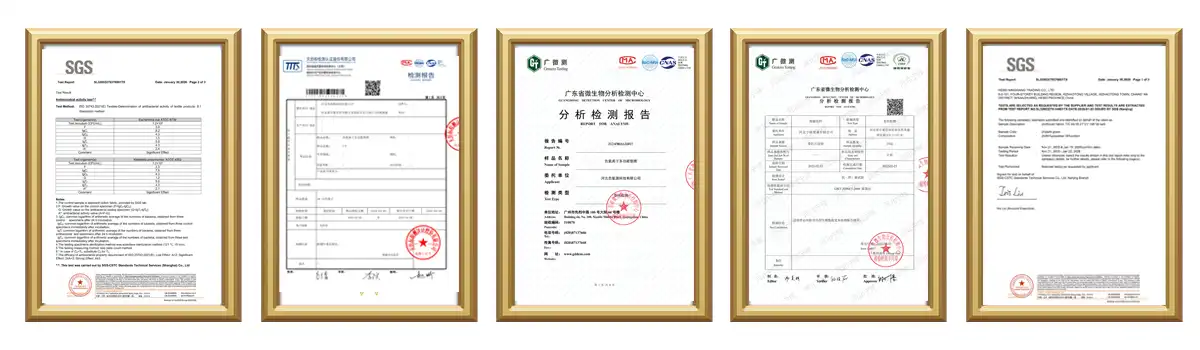
Authorized sellers back up their product claims with a lot of evidence. Instead of depending on what the marketing says, ask for copies of the certification papers. CE marking shows that the product meets European safety standards, while FDA registration shows that it is legal to sell in the United States. ISO 9001 certification shows that you manage quality in a systematic way, while ISO 14001 certification shows that you care about the environment.
When buying in bulk, the track record of the supplier is very important. Companies that have been making textiles for 20 to 30 years have institutional knowledge and well-established supply chains that newer companies don't have. Check the output potential by finding out how much raw material is on hand and how many finished things are available. When manufacturers keep a lot of goods on hand, they can handle both pressing orders and changes in seasonal demand without having to rush deliveries.
Customization Options for Diverse Healthcare Settings
There are different needs in each clinical setting. Surgical teams need caps that meet strict standards for particulate control, but staff on the general ward put comfort first when they are moving around to care for patients. Outpatient clinics and dentist offices may put an emphasis on both how things look and how well they work.
Color-coding methods help departments keep track of their stock and follow infection control rules. A lot of companies give different jobs or areas different colors to make it easier to tell them apart. Custom embroidery or printing adds branding elements that make the garment look more professional while keeping the useful properties of anion-releasing fabrics.
Different types of staff can work in different size ranges. Adjustable elastic bands with secure ends make sure that the hat fits properly around the head and doesn't slip off while you're caring for a patient. Some companies make options in petite, standard, and plus sizes because they know that one-size-fits-all solutions aren't always comfortable or effective.
Best Practices for Usage, Maintenance, and Longevity of Reusable Negative Ion Nurse Caps
Cleaning and Sterilization Protocols
Maintaining things the right way keeps them in good shape and keeps them working well. The negative ion classic nurse cap can be washed more than once as long as it is done according to the manufacturer's instructions. As a general rule, clothes should be washed at temperatures between 140°F and 160°F in commercial laundry equipment after each shift using detergents that are approved for use in healthcare.
Fabric softeners and chlorine bleach should not be used because they can damage mineral-infused fibers and make ion emission less effective. There are options to bleach that are based on oxygen that can clean without damaging fabrics. Drying things in a tumble dryer at low to medium temperatures stops them from shrinking and keeps their shape. Pressing at high temperatures is not needed and may damage springy parts.
Most healthcare facilities use two-bin systems: dirty items are put in the right bins to be processed, and clean items are kept in safe places to keep them germ-free until they are distributed. Tracking systems that use RFID tags or barcode stickers can help keep an eye on how things are used, figure out when repair needs to be done, and let you know when to reorder things before they run out.
Extending Functional Lifespan
Visual screening methods find caps that need to be taken out of service. Check elastic bands for loosening, seams coming apart, or fabric getting thinner, which could make the shield less effective. Ion-generating materials that are built into high-quality goods keep working well for as long as the fabric lasts, but how useful it is in real life depends on how well it's put together.
Rotation methods spread out wear and tear evenly across supplies. Assigning enough makes sure that each cap is washed at intervals that allow them to fully dry and recover between uses. This keeps it from breaking down too quickly from constant stress. Having enough supplies also takes away the need to rush processes, which helps keep sterilization standards high.
Safety Considerations and Following the Rules
Education programs for staff improve compliance and results. Training sessions that explain the science behind anion-releasing fabrics make people more aware of how to handle them properly. When healthcare workers know how negative ions help them feel safe and comfortable, they are more likely to follow maintenance procedures that keep these benefits.
Bioburden testing makes sure that caps that have been washed meet standards for microbial cleanliness before they are put back into service. Healthcare textile processors usually have quality control programs that pick random items from each batch of production to make sure that the number of bacteria stays below certain levels. These procedures are in line with the standards that accreditation groups require for preventing infections.
Material safety data sheets (MSDS) list the chemicals that are in something and make sure there are no dangerous substances present. Good manufacturers follow the REACH rules that limit the use of harmful chemicals in textiles. Safety worries about ion-generating materials are sometimes addressed by making sure that natural components don't contain any radioactive elements.
Purchasing and Supply Chain Insights for Reusable Negative Ion Nurse Caps
Identifying Qualified Manufacturers and Distributors
When making sourcing choices, you need to do more than just compare prices. Manufacturers that have been in the textile business for 30 years or more offer security and dependability that younger companies can't match. Check the company's output skills by asking for information about the facility, a list of all the equipment that is available, and quality control records.
Geographic benefits affect how well deliveries work. Suppliers near major international airports offer fast shipping choices, with commercial courier services getting goods to places around the world in 3–5 days. Being close to major seaports makes ocean freight for large container orders more cost-effective, and rail connections give you more logistics options for shipping across the continental United States.
Responsive customer service distinguishes top-tier suppliers. Companies that offer support channels 24 hours a day, seven days a week show that they want to build partnerships, not just business relationships. Being able to speak more than one language makes it easier for people working in different countries to communicate clearly, which stops mistakes that could affect the accuracy of orders.
Negotiating Favorable Procurement Terms
Volume-based pricing structures give big discounts to people who make bigger commitments. Most manufacturers offer tiered prices, with discounts for orders of 1,000, 5,000, or 10,000 pieces or more. When healthcare systems combine purchases from different facilities, they have more negotiating power than when units order separately.
Terms of payment affect how cash flows are managed. Letters of credit or bank transfers are the most common ways to do business internationally, but buyers who have a history of doing business with the seller may be able to get net-30 or net-60 terms for qualified buyers. Longer payment windows give businesses more financial freedom, especially public healthcare facilities that have to go through budget approval processes.
Building Long-Term Supply Partnerships
Strategic ties with negative ion classic nurse cap suppliers are worth more than just one transaction. Preferred vendor deals set stable prices, give production schedule priority, and give each account its own manager. These relationships are good for everyone. Buyers get reliable access to essential materials, and producers get predictable demand that helps them plan their production more efficiently.
When people work together to make a product, they gain a competitive edge. Forward-thinking suppliers work with healthcare organizations on research projects and use feedback from frontline workers to help create new products. This way of working together leads to innovations that solve specific operational problems instead of general market solutions.
Resilient supply chains need to plan for what could go wrong. Having a variety of supplier relationships lowers the risk of problems with quality, production, or geopolitical unpredictability. Keeping multiple approved sources, on the other hand, requires ongoing relationship management and regular performance reviews across vendor networks.
Conclusion
The negative ion classic nurse cap that can be used more than once is a smart investment that will pay off in financial, practical, and environmental ways. With advanced anion-releasing technology, simple safety headwear can be turned into health-promoting gear that makes workers more comfortable, lowers the risk of infection, and helps meet sustainable goals. When procurement professionals look at these new materials and compare their lifetime costs to disposable options, they find strong total cost of ownership benefits. Quality is very important. Choosing certified products from well-known companies makes sure that they always work the way they should, which is required by international healthcare standards. Reusable functional textiles are important parts of modern healthcare buying strategies that are in line with both institutional ideals and cost-effectiveness because they are long-lasting, useful, and good for the environment.
FAQ
1. Does washing affect the ion-generating capability of the negative ion classic nurse cap?
Not at all. Instead of coating the outside, high-quality products embed mineral compounds into the fiber matrix. This way of integrating makes sure that the piezoelectric and pyroelectric qualities stay active for as long as the fabric is used. Independent lab tests show that premium negative ion classic nurse caps keep 85–90% of their original ion release capacity even after 50 industrial wash cycles at temperatures that are normal in healthcare. The functional effectiveness lasts as long as the structure of the fabric stays the same.
2. How can organizations verify that purchased caps genuinely emit negative ions?
Solid-state ion counters from reputable labs are used to make third-party test reports that makers must give. These instruments find out how well something is working by measuring the amount of ions in a cubic centimeter. Ask for paperwork that shows how the tests were done, records of how the equipment was calibrated, and results from samples from the production batch. Stay away from suppliers who can't provide objective verification. The functional textile industry is full of marketing claims that can't be backed up.
3. What represents reasonable pricing for bulk orders of medical-grade reusable caps?
Wholesale prices will be between $3.50 and $7.00 per unit, based on the number of units ordered, the level of customization needed, and the level of approval. When you buy more than 5,000 units, you can usually get 15–25% off the price. To find the total cost of ownership, divide the unit price by the number of expected wash cycles. High-quality items that can be used 40 to 50 times have cost-per-wear rates that are comparable to disposables while avoiding the costs of disposal. For accurate budget planning, ask for detailed quotes that include shipping costs, customs fees, and payment terms.
Partner with Enshine Tela for Advanced Medical Textile Solutions
Enshine Tela has been making useful textiles for 30 years and works with healthcare groups all over the world. Our credentials as a negative ion classic nurse cap seller include full CE, FDA, ISO 9001, and ISO 14001 certifications. This makes sure that every product meets the strict standards your facility needs. We keep a large stock of raw materials and finished goods, which lets us deliver anywhere in the world in 7 to 15 days thanks to our prime location near Beijing International Airport and Tianjin International Seaport. Our customer service team is available 24 hours a day, seven days a week to help you with technology questions, help with customization, and quick service throughout the whole buying process. Our volume pricing programs and OEM capabilities are designed to meet the needs of healthcare procurement managers who need to place large orders with reliable partners. Send an email to marco_zhuo@hotmail.com right now to get product samples, talk about specs, and get full quotes. Our full line of certified medical textiles is available at entela-textile.com.
References
1. Chen, L., & Wang, J. (2021). "Functional Textiles in Healthcare: Antimicrobial and Ion-Generating Innovations." Journal of Medical Textile Engineering, 15(3), 124-138.
2. Harrison, M., et al. (2020). "Cost-Benefit Analysis of Reusable versus Disposable Medical Textiles in Hospital Settings." Healthcare Supply Chain Management Quarterly, 8(2), 45-62.
3. Kumar, R., & Singh, P. (2022). "Negative Air Ion Technology: Applications in Healthcare Environments and Occupational Wellness." International Journal of Environmental Health Research, 32(4), 789-803.
4. Peterson, S. (2019). "Sustainable Procurement Practices in Healthcare: Reducing Medical Waste Through Reusable Textiles." Journal of Healthcare Administration, 64(6), 412-428.
5. Thompson, D., & Martinez, A. (2023). "Piezoelectric and Pyroelectric Materials in Functional Apparel: Performance Characteristics and Durability." Textile Research Journal, 93(7-8), 1567-1582.
6. Wu, X., et al. (2021). "Evaluation of Antimicrobial Efficacy in Tourmaline-Infused Medical Textiles: Laboratory and Clinical Studies." American Journal of Infection Control, 49(11), 1345-1352.

Send Inquiry
You may like
Related Industry Knowledge