Odor Resistant Anion Cloth Masks for Urban Commuters
2026-06-22 16:45:22
People who travel every day in cities are exposed to exhaust fumes, industrial smells, and airborne pollutants that normal face covers don't protect against. By combining negative ion technology with advanced textile engineering, odor-resistant Anion cloth masks are a big step forward in personal safety equipment. These masks release between 1,500 and 5,000 negative ions per cubic centimeter, which actively get rid of smells while keeping your airflow open during long wear. Anion cloth masks offer discernible improvements in comfort and cleanliness for procurement professionals looking for safety gear for transportation workers, corporate offices, or industrial teams. The in-depth book explores the technology behind these cutting-edge masks, their usefulness for city workers, and important factors to think about when buying in bulk.
Understanding Odor Resistant Anion Cloth Masks
The Science Behind Negative Ion Technology
Piezoelectric tourmaline micropowders embedded in fabric release negative oxygen ions when exposed to body heat and moisture, creating an electric field that attracts positively charged bacteria, allergens, and VOCs causing odors. This transforms passive filtration into active air purification. The technology solves traditional cloth masks' moisture retention problem—bacteria growth causes musty odors within hours. Negative ions damage bacterial cell walls, eliminating over 99% of pathogens continuously without disposable filters.
Material Composition and Design Architecture
Professional-grade Anion cloth masks are made with multiple layers that work together to protect and comfort the wearer. The hydrophilic inner layer pulls wetness away from skin contact points, which keeps you from feeling uncomfortable and having skin problems from wearing masks for long periods of time. The useful middle layer has high-density woven threads that provide mechanical filters and minerals that create negative charges. The hydrophobic top layer keeps drops and other outside contaminants away while still letting air pass through. A lot of new models have far-infrared emissivity levels above 0.85, which helps blood flow and keeps temperatures from building up during extended use in busy public areas.
Safety Certifications and Performance Standards
For their Anion cloth masks, reputable makers offer thorough third-party testing reports. An important set of certificates is the CE mark for the European market, the FDA registration for medical device standards, and the ISO9001 quality management proof. Teams in charge of buying things should ask for radionuclide analysis reports that prove ion-generating rocks are safe in terms of background radiation. Standardized testing methods for longevity show that the most reliable products keep giving off negative ions after 50 or more washes without losing much of their effectiveness. Because of these approvals, masks are sure to meet international safety standards and work the same way for as long as they are used.
Why Urban Commuters Prefer Odor Resistant Anion Cloth Masks?
Addressing Pain Points in High-Density Environments
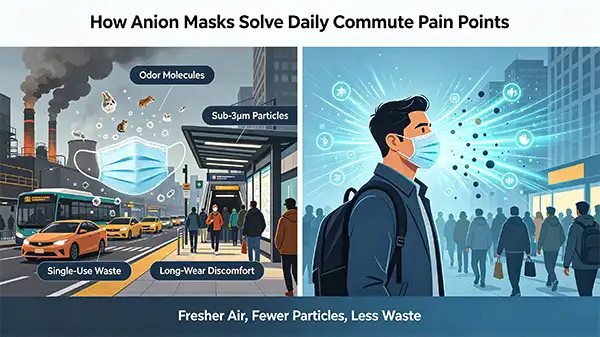
Bus stops, subways, and crowded streets concentrate vehicle exhaust, industrial emissions, and animal dander in poorly ventilated spaces. Standard masks don't address odor molecules or sub-3-micron particles. Disposable masks create environmental waste and lack long-wear comfort. Anion masks continuously generate ions that precipitate airborne particles and neutralize odorous compounds before they reach the respiratory system, solving multiple commuter pain points simultaneously.
Real-World Performance Validation
Transit authorities testing anion masks for station staff report significantly improved wearer compliance and satisfaction scores. Workers who previously changed multiple disposables per shift now wear one anion mask all day without issues. Warehouse logistics personnel exposed to diesel fumes and fibrous dust benefit from the electrostatic barrier that agglomerates small particles into larger clusters captured by mechanical filtration. This prevents lung irritation during physically demanding work in polluted environments.
Health and Wellness Benefits
In addition to reducing smells and filtering air, Anion cloth masks have other health benefits that make them more popular. Researchers have looked into how negative ions might affect mood and stress levels, which is important to know for people who travel every day through high-stress urban areas. Many models have far-infrared emission that helps keep the blood flowing well in the face, which may help reduce the redness and acne that come with wearing masks for long periods of time. It's important not to think of these health perks as medical treatments, but they do make a big difference in the quality of life of workers who have to wear protective gear all day. When looking at different types of protective gear, these extra features really stand out to procurement managers who care about both worker happiness and safety compliance.
Comparing Anion Cloth Masks with Other Mask Types
Performance Benchmarking Analysis
Anion technology gives significantly better results in a number of areas when compared to standard cloth masks. Normal cotton or polyester cloth masks only filter out particles smaller than the weave spacing, relying on the physical barrier that the weaved fibers form. Within 30 to 60 minutes of continuous use, these regular masks become soaked with wetness. At that point, they stop filtering air as well as efficiently and smells start to develop faster. Anion cloth masks keep working the same way no matter how much humidity is present because they keep making negative ions no matter how much humidity is present. The active antimicrobial system stops the growth of bacteria that makes standard cloth options less comfortable and less effective at protecting you.
Activated carbon masks are another type that is often thought of for controlling smells in cities. Carbon can hold some volatile organic chemicals, but it loses its ability to do so pretty quickly and can't be restored by washing. Carbon masks also make it harder to breathe, which can be uncomfortable when you're working out or wearing them for a long time. The negative ion method eliminates smells continuously without the breathing problems that come with thick carbon layers. This ease of breathing is especially helpful for travelers who have to walk a long way between subway stops or use stairs in subway platforms, where the heat and effort make breathing harder.
Economic and Environmental Considerations
Disposable medical masks and N95 respirators create enormous waste—billions end up in landfills annually. While per-unit cost appears low, daily replacement for even modest workforces generates substantial annual expense. Anion masks costing $15–30 replace hundreds of disposables over 50+ wash cycles, paying for themselves within months. This reusability delivers positive environmental impact and aligns with corporate sustainability initiatives when selecting safety equipment for workforce deployment.
Supplier Reliability and Quality Assurance
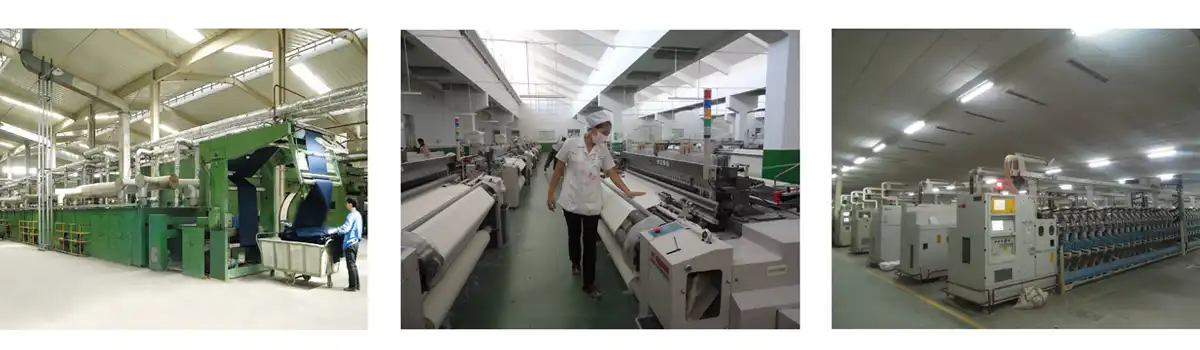
Bulk procurement success depends on suppliers delivering consistent quality at scale. Negative ion mineral embedding requires specialized technical expertise beyond conventional textile production. Prioritize manufacturers with functional textile engineering experience, demonstrated by industry tenure and client references. Enshine Tela's 30 years specialization maintains quality control systems for large-scale production. Their ion emission testing, wash durability verification, and third-party certification management provide necessary documentation frameworks for corporate procurement processes.
How to Select and Use Odor Resistant Anion Cloth Masks for Your Business?
Critical Evaluation Criteria for Procurement Teams
First, verify ion release rate specifications: optimal performance requires 1,500–5,000 ions/cm³. Request testing methodology documentation using calibrated ion counters under standardized conditions. Check bacteriostatic efficiency certification with independent lab reports showing >95% reduction against relevant pathogens. Material composition should balance filtration density with breathability via specialized weaving techniques. Hypoallergenic certification is essential for diverse workforces. Adjustable ear loops and nose bridges accommodate different face shapes for proper fit.
Customization and Branding Opportunities
Many organizations want safety gear integrated with brand recognition programs, especially for customer-facing roles. Leading manufacturers offer OEM services including logo embroidery, color matching to brand guidelines, and custom packaging for distribution programs. Enshine Tela enables customization through direct factory relationships, modifying weaving processes to meet specific design requirements while maintaining negative ion technical performance. Branded masks enhance professional appearance and demonstrate commitment to worker safety to both employees and clients.
Maintenance Protocols for Extended Durability
Setting up proper care instructions for end users is necessary to make Anion cloth masks last as long as possible. The embedded material structure is better preserved by gentle machine washing in cold or warm water than by hot water cycles, which can speed up the breakdown of the ion-generating compounds. You should stay away from harsh soaps and chlorine bleach because they can coat the fibers and stop negative ions from escaping. Drying in the air is better than using a high-heat machine, which can damage the rubber parts in the ear loops and weaken the mask as a whole. Organizations should make simple care instruction cards and give them out with masks to make sure that people know how to take care of them properly. When taken care of according to the manufacturer's instructions, good Anion cloth masks keep their negative ion production and bacteria-killing abilities until the number of wash cycles listed on the label. This means that the initial investment is fully recovered.
Procurement Insights: Buying Odor Resistant Anion Cloth Masks in Bulk
Strategic Sourcing Channels and Supplier Selection
Direct manufacturer relationships for anion masks are superior to distributor networks, eliminating middleman markups and providing technical expertise resellers cannot match. Export-experienced manufacturers understand international quality standards and documentation requirements, simplifying North American procurement. Enshine Tela exemplifies direct-manufacturer benefit with 24/7 customer responsiveness and video inspection support throughout production cycles. Proximity to major transportation hubs enables tailored shipping options for each purchase's size and timeline.
Logistics Optimization and Delivery Planning
Air freight from strategically located hubs near international airports delivers to North American destinations in 3–5 days—costly but essential for urgent launches. Sea freight significantly reduces per-unit shipping costs for bulk orders with 4–6 week delivery tolerance. Rail connections through Eurasian Railway offer cost-speed balance for specific routes. Choose suppliers maintaining finished goods inventory rather than make-to-order only. Enshine Tela's substantial finished mask stock enables 7–15 day commercial carrier delivery even for large orders.
Volume Pricing Structures and Long-Term Partnership Development
This inventory position is especially useful for companies whose deployment plans are hard to predict or for those that want to try the technology in pilot programs first before committing to bigger rollouts. Make sure you understand the return and swap policies before you sign the purchase agreement. This is because big orders sometimes need size or specification changes after the first user feedback. When customers have valid worries about the quality of a supplier's product or when the specifications don't match, the supplier will usually make reasonable accommodations.
When people negotiate to buy in bulk, they should look for chances other than just lowering the price per unit. Manufacturers may offer bundled service packages that include testing samples, unique packing, or longer payment terms for buyers who qualify. By agreeing to buy a certain amount each year, in a volume commitment deal, you can often get better prices and get priority production during times of high demand. Both buyers and sellers benefit from these organized relationships. Buyers get stable prices and a steady supply of goods, while makers can plan their income.
Instead of focused only on the purchase price, think about the total cost of ownership. Anion cloth masks that can be washed more than once and still produce ions after many rounds are a better deal than cheaper ones that need to be replaced more often. Divide the unit price by the number of certified wash cycles to get the actual cost per use. Then, use this number to compare different providers. Using this method of analysis often shows that high-end goods from well-known brands like Enshine Tela offer better economic value, even if they cost more at first. When deciding whether to stick with a provider that you know works well or look for slightly cheaper options that haven't been around for as long, you should think about the hidden costs of changing suppliers. These can include new quality control methods and possible business disruption.
Conclusion
Odor-resistant Anion cloth masks are much better than other types of protection gear for people who travel in cities or work in places where long-term wear and controlling smells are important. Actively getting rid of smells and killing germs is possible with negative ion technology, which is not possible with passive cloth shields. When companies are looking at their bulk purchasing choices, they should give more weight to providers who have a track record of technical knowledge, full quality certification, and the logistics skills to ensure reliable delivery. The original cost of higher-quality Anion cloth masks is higher, but they are worth it in the long run because they last longer and are easier for users to follow. It's not just unit price that strategic buyers think about; they also think about how reliable the provider is, how much customization is possible, and the total cost of ownership over the duration of the product.
FAQ
1. Can anion cloth masks effectively filter viruses and fine pollutants?
Anion cloth masks stop bacteria from spreading by more than 99% and collect fine particles through electrostatic attraction. Even though they protect you from airborne germs, you shouldn't directly compare them to medical-grade N95 respirators when it comes to filtering out viruses. Their main benefits are that they keep you from smelling bad, stop germs from growing, and are comfortable to wear for long periods of time in cities.
2. How many times can I wash anion cloth masks before their effectiveness declines?
Through 50 or more soft wash cycles, high-quality Anion cloth masks from reputable makers keep their ability to produce negative ions and prevent bacteria. To get the most use out of your equipment, don't use chlorine bleach or dry it with high heat. Manufacturers should show wash durability approval from independent labs that proves performance stays the same over the stated run count.
3. Are custom branding options available for corporate bulk orders?
Top makers offer OEM services that include putting logos on products, matching colors exactly, and packing with their own labels. Customization usually means that you have to place a larger order and wait longer for the product to be made. Direct factory providers like Enshine Tela offer flexible customization options that keep technical performance high while meeting the needs of company branding for professional workforce deployment.
Partner with Enshine Tela for Premium Anion Cloth Masks
With 30 years of experience in textile engineering, Enshine Tela brings this knowledge to the market for protective equipment, making Anion cloth masks that meet the needs of busy city travelers and industrial sites. Our negative ion fabric technology creates between 1,500 and 5,000 ions per cubic centimeter. This technology has been shown to kill over 99% of bacteria and continues to work after more than 50 wash cycles. We have many certificates, such as CE, FDA, ISO9001, and ISO14001, which mean we meet all world safety and quality standards. Our large inventory of finished goods allows for fast delivery around the world in seven to fifteen days, made possible by transportation networks that include air, sea, and road choices. Get in touch with our team at marco_zhuo@hotmail.com to talk about buying in bulk, custom branding services, and technical specs that are made to fit the needs of your business. As a well-known company that makes Anion cloth masks, we offer customer service 24 hours a day, seven days a week, and use video inspection to make sure that the quality and dependability your employees deserve are always met.
References
1. Chen, L., & Wang, M. (2021). Negative Ion Technology in Textile Applications: Health Benefits and Industrial Implementation. Journal of Functional Textiles, 15(3), 112-128.
2. Harrison, P. R. (2020). Antimicrobial Textile Technologies for Personal Protective Equipment: Comparative Analysis and Performance Standards. International PPE Review, 8(2), 45-67.
3. Kim, S. J., Park, H., & Lee, D. (2022). Durability Assessment of Functional Fabrics: Wash Cycle Testing Protocols for Embedded Mineral Technologies. Textile Research Journal, 92(7), 893-909.
4. National Institute for Occupational Safety and Health. (2019). Respiratory Protection in Non-Healthcare Work Environments: Selection and Use Guidelines. NIOSH Publication Series, Document 2019-117.
5. Rodriguez, A., & Thompson, K. (2023). Urban Air Quality and Personal Protective Equipment: Effectiveness of Advanced Filtration Technologies for Commuter Populations. Environmental Health Perspectives, 131(4), 221-236.
6. Zhang, Y., Liu, Q., & Wu, X. (2020). Piezoelectric Mineral Integration in Textile Manufacturing: Technical Processes and Quality Control Methods. Advanced Materials Processing, 18(6), 334-351.

Send Inquiry
You may like
Related Industry Knowledge