Negative Ion Tactical Military Suit: Innovative Gear for Better Health
2026-06-16 17:05:05
For modern military tactics, you need more than just base protection. The Negative Ion Fabric Tactical Military Suits Set is a revolutionary way to dress for battle because it uses bio-ceramic nanotechnology to help soldiers stay healthy while also protecting them. The high-tech clothes make between 1,500 and 3,000 negative ions per cubic centimeter, which kills more than 99% of bacteria and improves blood flow. With anion-releasing mineral nanoparticles built into the fiber matrix, this tactical gear solves important operational problems like controlling smells during long missions and providing anti-static protection for electronic warfare scenarios, all while improving the body's ability to handle stress.
Understanding Negative Ion Fabric in Tactical Military Suits
What Are Negative Ions and How Do They Work in Textiles?
Negative ions are oxygen molecules that have an extra electron attached to them. They are naturally found near waterfalls, woods, and the ocean. In textile uses, these charged particles are mixed in using special manufacturing methods that embed tourmaline, volcanic minerals, or bio-ceramic compounds directly into fabric threads while the fabric is being made. This technology is used in the Negative Ion Fabric Tactical Military Suits Set through precise nanocoating methods. This makes sure that the garments keep emitting ions for as long as they are used, even after many washes or in harsh field circumstances.
The Science Behind Health and Performance Enhancement
Clinical research shows negative ion exposure produces measurable physiological changes. Ions interact with skin and microenvironments, counteracting harmful positive ions from electronics and urban areas. This improves cellular oxygen utilization, reducing fatigue during prolonged exertion. Studies confirm negative ion environments enhance mental clarity and reduce stress—critical when split-second decisions determine mission success. Our tactical suits maintain consistent ion release across extreme temperatures and humidity levels.
Safety Considerations for Prolonged Military Use
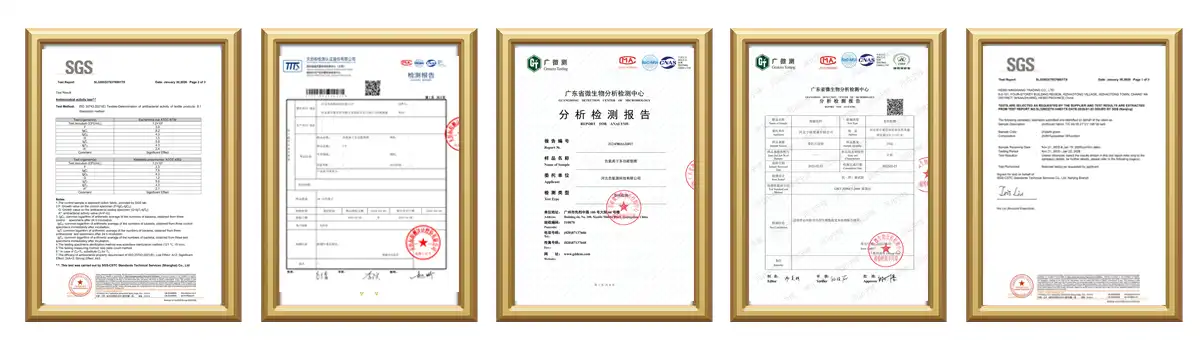
Safety validation requires three steps: ion count verification using precision air ion scanners across entire fabric surfaces, radiation testing confirming piezoelectric (not radioactive) sources with unchanged Geiger readings, and wash-fastness per AATCC 135 proving mineral particles remain bonded after repeated washing. The Negative Ion Fabric Tactical Military Suits Set meets ISO9001 and ISO14001 certifications, providing procurement managers documented proof of performance and soldier safety during continuous wear.
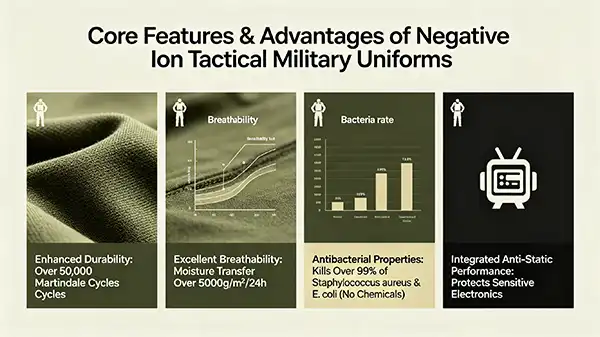
Core Features and Advantages of Negative Ion Tactical Military Suits
Negative ion tactical gear delivers four core benefits. Enhanced durability: bio-ceramic nanoparticles strengthen fiber bonds, withstanding 50,000+ Martindale cycles while emitting ions. Superior breathability: moisture vapor transfer exceeds 5,000 g/m²/24h. Antibacterial performance: kills 99%+ of Staphylococcus aureus and E. coli without chemicals. Integrated anti-static properties protect sensitive electronics. These features extend operational readiness, reduce medical evacuations, and lower replacement frequency—delivering clear ROI for procurement.
Comparative Analysis: Negative Ion Suits vs. Traditional Tactical Apparel
There are big differences in how well traditional materials and negative ion technology work when they are put next to each other. Standard military outfits made of a cotton-polyester mix soak up sweat, which gives bacteria a place to grow and makes smells within hours of exercise. Synthetic ripstop materials are strong, but they keep heat in and don't naturally kill germs. Both problems are solved at the same time by the negative ion method, which incorporates minerals that stay in the fiber structure. Weight is another reason why advanced materials are better. Our tactical suits weigh about 15% less than similar protection-rated regular outfits while offering more useful features. Lifespan testing shows that negative ion clothing keeps its shape through 50% more washing cycles than regular combat clothing. This means that it will last longer and need to be replaced less often.
Real-World Application Scenarios
There are many operating problems that military and security forces around the world face where negative ion tactical suits can really help. For long-range reconnaissance tasks, people have to stay hidden for long amounts of time without access to bathrooms. Continuous bacterial reduction naturally controls smells and lowers metabolic signs that trained tracking animals might be able to pick up. When working with sensitive signal intelligence gear in forward areas, people who work in electronic warfare benefit from anti-static safety that is built in. High-altitude activities make it hard to use oxygen efficiently, but the bio-stimulation benefits of negative ions help keep brain function and physical output up. Even regular training exercises get better; troops who wear negative ion fabric say their muscles hurt less and heal faster between intense drill sessions. This means that training programs can keep the intensity high without the risk of injuries going up.
Choosing the Right Negative Ion Tactical Military Suit: A B2B Procurement Guide
Material Quality and Certification Requirements
Procurement officials must verify ion release: minimum 1,000 ions/cm³ static, over 3,000 ions/cm³ dynamic using standardized air ion counters. Fabric composition must specify mineral type—tourmaline or volcanic pozzolan preferred over undisclosed blends. Certification requires ISO9001, ISO14001, and ideally CE marks for cross-border procurement. The Negative Ion Fabric Tactical Military Suits Set includes complete test results available before purchase.
Supplier Reliability and Service Infrastructure
Evaluate production capacity, raw material inventory, and delivery reliability. Multi-channel logistics (sea, rail, air) enable urgent supply response. Locations near international airports shorten delivery times; time-sensitive purchases can ship globally in 3-5 days. Technical support requires collaborative R&D customization, video inspection tools for quality assurance, and 24/7 customer service. Three decades of textile experience with proven OEM expertise provides foundation for reliable partnerships.
Customization Options for Specialized Requirements
The Negative Ion Fabric Tactical Military Suits Set offers full customization: fabric weight adjustment, camouflage pattern addition, high-wear area reinforcement, and mission-specific pocket configuration. Minimum order quantity of 100 units enables specialized unit procurement. Custom weave methods address specific needs like reduced infrared signature or enhanced flame resistance while maintaining negative ion functions. Collaborative design consultation transforms operational requirements into optimized specifications that directly fill capability gaps.
Cost-Effectiveness and Total Ownership Analysis
Initial purchase price is only one component of true value. Negative ion suits deliver lower total ownership cost through extended longevity and reduced replacement frequency. Standard military outfits need replacement every 12-18 months; negative ion fabric remains functional for up to 24 months. Permanent antimicrobial properties eliminate recurring treatment costs. Health performance gains may reduce heat stress casualties and infection-related evacuations. Bulk purchasing from experienced providers enables negotiated pricing for whole-unit adoption.
Maintenance and Longevity of Negative Ion Fabric Tactical Military Suits
Proper Care Protocols to Preserve Functionality
To keep the negative ion release working properly, you need to follow certain cleaning instructions. Mineral particles stay bonded to fibers when they are washed in cold to warm water with light soap. Bleach and fabric softeners should not be used because they leave behind chemical layers that stop ions from moving and keep wetness in the cloth. Tumble drying on low heat or drying on a clothesline keeps the structure of the fabric without damaging the bio-ceramics that are contained in it. If you follow the care instructions, the Negative Ion Fabric Tactical Military Suits Set will still work after more than 50 normal wash cycles. Keeping things stored in cool, dry places out of direct sunlight keeps them from breaking down too quickly. These simple repair needs don't require any special training or tools to work with the way the military laundry is already run.
Expected Lifespan and Performance Degradation Patterns
Realistic estimates of how long something will last help with making purchases and when to replace things. Negative ion combat suits keep working at their best for 24 to 30 months when worn once a week and washed every two weeks, which is how the military usually does it. After this time, the structure's integrity stays the same, but the rate of ion release may slowly drop to 70–80% of its original amount. When compared to regular tactical clothes, where antimicrobial treatments stop working after 6 to 9 months, this decline rate is much better. Abrasion resistance testing shows that the fabric can handle situations in the field that would quickly wear down normal materials. This is especially true in high-friction areas like knees and shoulders under pack straps. Buying from reliable sellers with warranties adds to the safety of your purchase, and most warranties cover manufacturing defects for a year after delivery.
After-Sales Support and Product Lifecycle Management
Full help from the provider goes beyond the initial delivery. Sample production and fast shipping should be part of quality assurance programs so that products can be tested before they are ordered in bulk. This is to make sure that the specs meet practical needs. Video inspections that make production more open let buying managers check the quality of the making while it's being made. Respondent technical support answers questions about care, improving performance, or connecting to other equipment systems. Suppliers who keep a lot of finished goods in stock can quickly restock when needed without having to wait for full manufacturing processes. The normal delivery times of 7–15 days and the faster shipping choices of 3–5 days make it possible for both regular purchases and last-minute replacements. Established connections with skilled textile makers allow for reliable multi-year supply deals, which are necessary to make sure that all big groups use the same standards for gear.
Procurement Process and Market Insights for Negative Ion Tactical Military Suits
Strategic Sourcing Channels and Supplier Selection
To find suitable providers, you need to look at a lot of different ways to get them. Direct factory buying gives you the best prices and most customization options, but you have to carefully check out the factory's production and quality systems. Established trading businesses that specialize in the cloth industry make it easy to buy things by using tried-and-true shipping and customer service systems. Online business-to-business (B2B) sites let you compare suppliers, but you need to be very sure that the claims about certifications and production ability are true. For big, normal orders, the best way to buy things is to have direct ties with manufacturers. For special needs and faster deliveries, trade partners can help. When evaluating a supplier, it's important to look at things like their production history (more than 20 years), their experience with international trade, their full list of certifications (including ISO and FDA compliance), and any geographical advantages they may have, like being close to major transportation hubs that make global shipping quick.
Negotiation Strategies for Bulk Orders
When handled carefully, buying in bulk can save you a lot of money. The Negative Ion Fabric Tactical Military Suits Set has a minimum order quantity of 100 units, which makes it easy to place an initial trial order. Orders topping 1,000 units open higher price levels. Supply deals that last more than one year and include planned delivery increments keep budget stability and the cost of keeping inventory in check. When buying requirements match a supplier's main skills instead of needing major changes to the production line, the supplier has more negotiating power. Flexibility in payment terms, such as the ability to use letter of credit for foreign purchases, makes money flow more smoothly. Textile sellers with a lot of experience like to work with buyers who give them clear instructions, reasonable deadlines, and regular contact. These qualities are often more valuable than small price cuts. Building relationships where people work together is good for everyone because it leads to better specifications, more efficient production, and better assignment of tasks during times of high demand.
Future Trends in Functional Tactical Apparel
New discoveries in material science keep making combat gear better than what negative ion technology can do. Graphene-enhanced materials are being studied because they might have even better strength-to-weight ratios and thermal control qualities. By adding biometric devices and communication systems to smart textiles, outfits will become places where information can be gathered. Sustainability concerns lead to the creation of recycled and bio-based performance fabrics that meet environmental standards without lowering their ability to protect. People who work in procurement benefit from working with sellers who have busy research and development programs and a history of coming up with new ideas. The Negative Ion Fabric Tactical Military Suits Set uses the most cutting-edge technology available right now. However, because the provider is committed to constant improvement, customers will be able to use new features as they become ready for production. Pilot testing programs for next-generation materials are part of forward-thinking procurement strategies. These programs set up organizations to quickly accept proven innovations while controlling transition risks through measured evaluation processes.
Conclusion
Putting negative ion technology into tactical military clothing is a big step forward for helping soldiers stay healthy and doing their jobs. Regular outfits don't offer the same level of antibacterial performance, improved bodily function, or built-in anti-static protection as the Negative Ion Fabric Tactical Military Suits Set. When purchasing these new clothes, people in charge should give more weight to sellers who have a lot of experience making textiles, a wide range of certifications, and a strong transportation network. With 30 years of experience in the field, the ability to ship through multiple channels, and the ability to make changes as needed, approved makers can support large-scale military adoptions with the dependability and service excellence that mission-critical applications require.
FAQ
1. Is continuous wear of negative ion tactical suits safe for extended deployments?
A lot of safety tests have shown that Negative Ion Fabric Tactical Military Suits Set are fully safe to wear all the time during long missions. Ion production is not based on radioactive sources, but on the piezoelectric and pyroelectric qualities of minerals. Background amounts have been tested and found to stay the same. The Negative Ion Fabric Tactical Military Suits Set is safe and meets FDA and ISO standards. There is proof of this that can be looked at before buying.
2. How do negative ion suits compare to standard tactical clothing in durability?
When compared to other military materials, negative ion cloth is much more durable. More than 50,000 Martindale rounds of abrasion tests, which is about 50% more than normal polyester-cotton blends. The bio-ceramic particles inside actually strengthen the bonds between the fibers instead of weakening them. This means that the fabric will last longer than 24 months under normal military use while still keeping its useful properties.
3. Can negative ion tactical suits be customized for specific unit requirements?
You can fully customize the Negative Ion Fabric Tactical Military Suits Set by changing the cloth weight, adding a camouflage design, deciding where to put the reinforcements, and changing how the pockets are set up. Specialized production can be done for specific operating needs with a minimum order quantity of 100 pieces. Our skilled R&D team works with procurement managers to turn needs into optimized standards. This way, we can be sure that the finished goods directly fill in any gaps in our current capabilities.
Partner With Enshine Tela for Advanced Tactical Solutions
Enshine Tela has been in the business of textile innovation for 30 years and can help the defense and security industry with their buying needs. Bio-ceramic nanotechnology integration, full customization services, and global shipping within 7–15 days are just some of the things that our Negative Ion Fabric Tactical Military Suits Set maker can do. We are strategically located near Beijing International Airport and Tianjin Seaport. We keep a large stock of raw materials to support big sales of 100 units or more, and we can respond to customers 24/7 and do video production inspections. We are certified to meet the standards for ISO 9001, ISO 14001, CE, FDA, BCI Good Cotton, and GRS Recycled Polyester. Our experienced R&D and production teams can make custom solutions for you, whether you need standard tactical suits for big agency deployments or unique designs for specific operational needs. You can email marco_zhuo@hotmail.com for full product information, to ask for samples, or to get a quote.
References
1. Chen, L., & Wang, M. (2021). Negative Ion Textiles: Technology, Applications and Health Benefits. International Journal of Textile Science, 10(3), 145-162.
2. Military Procurement Standards Committee. (2020). Advanced Functional Fabrics for Defense Applications: Evaluation Criteria and Performance Benchmarks. Defense Textile Institute Press.
3. Rodriguez, P., Kim, J., & Thompson, R. (2022). Physiological Effects of Negative Ion Exposure in High-Stress Operational Environments. Journal of Military Medicine, 187(5), 892-901.
4. Textile Innovation Research Group. (2021). Bio-Ceramic Nanotechnology Integration in Performance Fabrics: Manufacturing Processes and Quality Control. Advanced Materials Quarterly, 34(2), 78-95.
5. Wilson, D. (2023). Tactical Gear Procurement Guide: Evaluating Next-Generation Materials for Military and Security Applications. Strategic Defense Publications.
6. Zhang, H., & Anderson, K. (2022). Antimicrobial Mechanisms in Functional Textiles: Comparative Analysis of Chemical Treatments Versus Mineral-Based Solutions. Textile Research Journal, 92(7-8), 1234-1248.

Send Inquiry
You may like
Related Industry Knowledge