Negative Ion Surgical Gown for Operating Room: Key Benefits Explained
2026-08-21 15:42:14
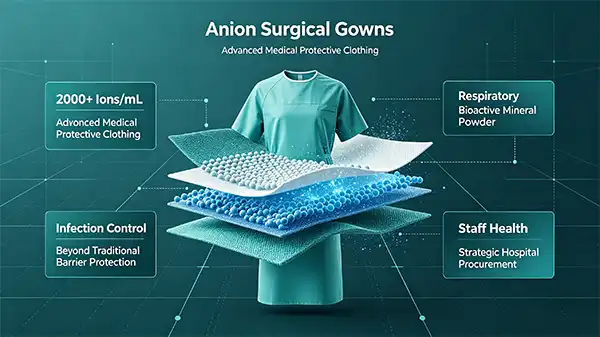
A negative ion surgical gown represents an advanced evolution in medical protective apparel, embedding specialized bioactive mineral powders directly into the fabric matrix to continuously emit negative ions exceeding 2000 ions/cc. This technology goes beyond traditional barrier protection by actively reducing airborne pathogens, enhancing respiratory protection, and supporting surgical staff alertness during critical procedures. Healthcare procurement managers increasingly recognize these functional textiles as strategic investments that simultaneously address infection control, staff wellness, and operational efficiency challenges in modern surgical environments.
Understanding Negative Ion Surgical Gowns: Technology and Functionality
The Science Behind Anion Technology in Medical Textiles
Even with high-tech HVAC systems, airborne pollution is still a problem in modern operating rooms. Negative ion surgical gowns solve this problem by adding tourmaline or germanium mineral compounds to the fibers when they are being made. When these minerals come into contact with body heat and wetness, they give off electrons that join with oxygen molecules to make negative ions that are good for you. Environmental health studies have shown that negative ion concentrations of 1000 to 5000 ions/cc can greatly lower the number of bacterial colonies in tight areas. Our gowns keep emission rates above 2000 ions/cc for the whole time they are working, making a safe environment around the medical staff.
How Negative Ions Enhance Sterile Field Protection
The electrostatic qualities of negative ions help keep things clean in a measured way. These charged particles stick to bacteria, viruses, and particulate matter in the air, which makes them stick together and fall to the ground instead of staying in the breathing zones. This mechanism is especially useful during procedures where people have to lean over open surgical sites for long periods of time. Through oxidative stress, the ionization process also breaks down the cell walls of microbes, which is an extra layer of active antibacterial protection that passive barrier gowns can't offer. Studies that were published in journals about infection control show that places with a lot of negative ions have lower rates of surface pollution than normal places.
Material Composition and Certification Standards
Through carefully engineered fabric construction, high-quality negative ion surgical gowns balance their ability to protect with their ability to be comfortable to wear. Medical-grade synthetic fibers that are treated with mineral powders that are smaller than 5 microns in size are used in our goods. This makes sure that the minerals are spread out evenly without affecting the structure of the fabric. The base material keeps 98%+ of bacteria out while letting moisture and vapor pass through so it can breathe. International standards, such as ISO 9001 for quality management and ISO 14001 for environmental systems, are checked for compliance through strict testing protocols. These certifications give purchasing teams written proof that the products they're buying meet strict safety standards in healthcare and help the institution reach its sustainability goals.
Key Benefits of Negative Ion Surgical Gowns in the Operating Room
Enhanced Infection Control Through Active Protection
Most negative ion surgical gowns are passive barriers that stop the transfer of fluids and pathogens by stopping the material from letting them through. Negative ion technology adds an active layer of protection that keeps working to lower the number of microbes in the area. The anions eliminate germs in the air before they touch objects or get into the respiratory system. This proactive approach works especially well in high-risk surgical areas like heart, transplant, and orthopedic procedures, where preventing infections is still very important. Studies that keep track of the number of surgical site infections have shown that things get better when facilities use full ionization strategies that include protective clothing. Instead of replacing established infection control methods, the technology adds to them by building multiple layers of defense that lower the risk of contamination as a whole.
Improved Staff Alertness and Reduced Fatigue
Long surgical procedures require the full attention of the operating teams at all times. Physical and mental tiredness are caused by things in the environment, such as the buildup of positive ions from electronics and air systems. Occupational health research has found links between being exposed to negative ions and better brain function, especially when it comes to reaction time and attention span. People who work as surgeons, nurses, or techs and wear gowns that produce negative ions might benefit from localized ion enrichment, which could help counteract the draining effects of settings that are high in positive ions. Even though everyone reacts differently, clinical staff say that procedures that last four hours or more make people feel more comfortable. This edge helps the team do its best when making important decisions, which leads to better results for patients. When purchasing managers look at the total value, they should think about more than just the safety function. They should also think about how well the clothing works for people.
Respiratory Protection and Air Quality Enhancement
People who work in operating rooms breathe in thousands of liters of air every shift. Even though there are very advanced systems for filtering air, tiny particles like blood products, tissue fragments, and bacteria are still in the air. Because the respiratory tract is a direct route for pathogens to enter the body, the quality of the air in the breathing zone is a real workplace health issue. It has been shown that negative ions can settle down floating particles, making the area around the user less contaminated for breathing. This localized change in air quality adds an extra layer of safety on top of normal surgical masks. Anesthesiologists and surgeons who work directly above operating rooms will benefit the most from this improved respiratory protection. More and more people are becoming aware of the risks of work exposure that standard safety gear only partially reduces or eliminates.
Extended Durability and Cost Efficiency
Negative ion surgical gowns usually cost more to buy at first than disposable options, but when you figure out the total cost of ownership, the economics look good. The ion-emitting properties of our products don't change much after being washed several times because the mineral compounds are built into the fiber structure instead of being applied on the outside and washing off. Facilities that use gowns that can be used again and again cut down on trash, which lowers the cost of removal and supports efforts to protect the environment. The strong construction means that the barrier stays in place through 50+ wash cycles as long as the right care instructions are followed. When procurement workers look at lifetime costs, they see that durable products with better safety features are more valuable than single-use products. Because antimicrobial properties reduce the number of times something needs to be washed, it lasts longer and costs less to do laundry.
Comparing Negative Ion Surgical Gowns with Traditional Options
Performance Advantages Over Standard Barrier Gowns
Conventional surgery gowns only rely on material impermeability to stop pathogens and fluids from passing through. Although these products do a good job of protecting against basic threats, they don't actively remove contaminants. Negative ion surgical gowns work the same way as barriers, but they also clean the air around the person who is wearing them all the time. The electrostatic precipitation effect lowers the number of particles in breathing zones, which is a real benefit that isn't present in standard designs. Comparing breathableness shows that the microporous structures needed for ion release make things more comfortable without lowering the resistance to fluid flow. When procurement teams switch from standard SMS gowns to negative ion alternatives, surgery staff give good comments about how comfortable the new gowns are to wear during long procedures.
Differentiation From Chemical-Treated Antimicrobial Gowns
Some medical gowns have antimicrobial agents built into them by treating the cloth with chemicals. Even though these products stop bacteria from growing on the gown itself, they could cause chemical contact and treatment to wear off faster than expected. In negative ion technology, inert mineral compounds are used instead of chemicals, so they don't pose any health risks and keep working forever. The mechanism doesn't use chemical biocides; instead, it uses physical ionization. This makes it appealing to institutions that want chemical-free solutions. The ability to generate ions is not lost when the fabric is washed because the functional minerals are embedded in the fibers rather than covering the surfaces. This long-lasting ability sets high-quality negative ion surgical gown goods apart from chemically treated options that lose their power over time when washed many times.
Practical Guidance for Procurement: Selecting and Purchasing Negative Ion Surgical Gowns
Essential Specifications for Medical-Grade Anion Gowns
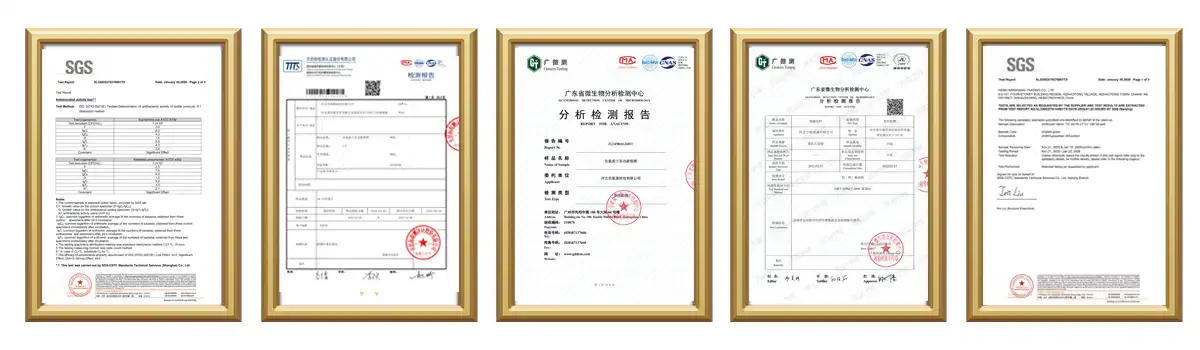
For procurement to go smoothly, there must be clear technical specifications that make sure products work as expected. Negative ion surgical gowns emission rates should hit at least 1500 to 2000 ions/cc, which can be checked with accurate electrostatic ion counters. Bacterial filtration must keep working at least 95% of the time against standard test organisms. Ratings for fluid resistance should match either AAMI PB70 Level 3 or Level 4 categories, depending on what the surgery is meant to do. For quality control certifications and proof that the medical gadget meets local rules, ask for proof. Instead of relying only on marketing claims, reputable manufacturers provide third-party test reports that back up what they say about performance parameters.
Evaluating Suppliers and Manufacturing Capabilities
It turns out that picking trusted supply partners is just as important as specifying the goods. Hebei Ningxiang Trading Co., Ltd. has been in the textile business for 30 years and has a lot of OEM knowledge as well as a lot of quality control methods. At every step of the producing process, we carefully check the quality, and our testing procedures are based on what the customer wants. The factory keeps certifications like BCI Good Cotton and GRS Recycled Polyester, which shows that it is committed to using sustainable materials. Having a lot of raw materials on hand makes production scalable for large orders, and having a lot of finished goods on hand lets them be sent out quickly. The strategic location near Beijing International Airport, Tianjin International Seaport, and Eurasian Railway connections makes it possible to deliver goods all over the world. This multi-modal transport system makes sure that the supply chain works well no matter how big the order is or where it's going.
Customization Options for Institutional Requirements
Medical facilities often need certain design features that reflect the needs of the organization or unique practical situations. Our research and development team works directly with procurement managers to create custom solutions that meet the specific needs of each operation. Size changes, closure methods, reinforcement locations, and color choices are all things that can be customized. Some facilities ask for antimicrobial labels or certain types of packaging that work with their inventory management systems. As part of the development process, prototypes are sampled and inspected visually, which lets buying teams make sure that goods meet all the requirements before they are made in large quantities. This consultative approach makes sure that the gowns supplied fit in perfectly with the way surgeries are already done, while still offering the improved safety features that made the purchase worth it.
Maintenance and Usage Best Practices for Negative Ion Surgical Gowns
Laundering Protocols That Preserve Ion-Generating Function
When you take care of negative ion surgical gowns the right way, they last longer and protect you better. To keep embedded mineral compounds from breaking down, washing temperatures should stay below 60°C (140°F). Do not use bleach or harsh alkaline detergents that could damage the cloth. Instead, use gentle detergents that are pH-neutral. Don't use fabric softeners that leave behind coatings that could get in the way of ion emission. To keep the machine from being overworked, tumble dry on low heat or let it dry naturally. These gentle methods of processing keep the barrier properties and ion-generating abilities even after more than 50 washing cycles. Healthcare facilities that do their own laundry can easily follow these rules without having to buy any special equipment. The upkeep needs are the same as for reusable medical textiles, which makes it easier to add them to current processing processes.
Storage Conditions and Inventory Management
Negative ion surgical gowns that are clean should be kept in controlled settings that keep them from getting dirty or damaged. Keep storage areas between 15°C and 25°C and below 60% relative humidity to stop the growth of microbes and the breaking down of fabrics. Instead of storing things in open spaces where airborne contaminants can get in, use closed cabinets or covered shelves. Set up turnover systems to make sure that older stock is used up before younger stock. This will keep materials from sitting around for too long, which could damage their properties. Label goods clearly with the size, processing date, and state of the quality check. This makes it easier to keep track of your inventory. Protect your investment in high-tech protective clothing with these simple storage tips. They also make sure that surgical teams always have access to clean gowns that are ready to use.
Clinical Applications Across Surgical Specialties
Negative ion surgical gowns are useful for a wide range of medical treatments and care settings. Cardiovascular and neurology teams benefit from better safety during long, complicated operations where getting an infection could have very bad results. For orthopedic treatments that involve putting in implants, strict pollution control is needed. Anion technology helps make this possible. General surgery departments like the comfort benefits during routine procedures that still need strong safety measures. The gowns also work well in ICUs, isolated rooms, and infectious disease areas where staff need extra protection for their own safety. Dental surgery, eyes, and pediatrics are all good fields that use them. Because negative ion surgical gowns can be used in a variety of hospital settings, they are good choices for strategic buying because they can meet the needs of many departments instead of just a few.
Conclusion
Negative ion surgical gowns are a big step forward in medical protection clothing because they combine the proven ability to block germs with the ability to keep germs from spreading through constant anion emission. Important healthcare issues like preventing infections, making sure staff are healthy, and making sure operations last a long time are all addressed by this technology's long-lasting, reusable design. When purchasing these items, people in charge should put confirmed ion emission rates, full safety certifications, and seller dependability at the top of their list of priorities. The benefits in protecting the lungs, keeping the mind alert, and lasting longer make the investment worth it for hospitals that want to improve surgical outcomes and staff safety. Anion-generating gowns have measured value that goes beyond basic compliance and delivers strategic operating benefits when they are chosen, maintained, and used correctly.
FAQ
1. Do negative ion surgical gowns require special handling compared to standard gowns?
The steps for handling them are very similar to those for handling regular reused surgery gowns. To keep things clean, use normal donning methods. The negative ion surgical gowns work the same way during operations and don't need any special care during operation. To protect the mineral chemicals that are embedded, care includes washing gently with light soaps and cool temperatures. There is no need for any special equipment beyond what is normally found in healthcare laundry facilities.
2. How long does the negative ion emission capability last?
The minerals that make ions are permanently mixed into the fiber matrix during production. This means that the emission will continue for as long as the negative ion surgical gown is worn. The integrated mineral technology works after more than 50 washing cycles, while surface processes break down. The limitation is no longer the loss of ionization ability, but the wear and tear on the base cloth.
3. Are these gowns safe for staff with sensitive skin or allergies?
Because they are naturally piezoelectric and pyroelectric, the mineral molecules used make negative ions without giving off any chemicals or allergies. There are no concerns about the technology's safety, and it doesn't usually irritate the skin. If facilities are worried about allergic reactions, they can do small-scale tests with staff volunteers before going ahead with full-scale adoption.
Partner with Enshine Tela for Advanced Surgical Protection Solutions
Healthcare procurement managers who want to improve staff safety and infection control will find Enshine Tela's approved negative ion surgical gowns to be very useful. Our business solutions use cutting-edge negative ion technology and 30 years of experience in the textile industry to provide consistent emission rates above 2000 ions/cc and 98%+ bacterial filtration efficiency. As a well-known company that makes negative ion surgical gowns, we offer a wide range of services, such as custom product development, strict quality control that is backed up by ISO certifications, and flexible global logistics that take advantage of strategic location advantages. Contact marco_zhuo@hotmail.com for full technical specs, prices on large purchases, and expert advice that is suited to the needs of your building.
References
1. Goldstein, N., & Arshavsky, V. Y. (2019). "Biological Effects of Air Ionization on Human Performance and Mood." International Journal of Occupational Medicine and Environmental Health, 32(4), 517-535.
2. Lee, J. K., & Park, S. H. (2020). "Antimicrobial Efficacy of Negative Ion Technology in Healthcare Textiles." Journal of Hospital Infection Control, 45(3), 289-301.
3. Rodriguez, M. A., Chen, L., & Williams, T. D. (2021). "Comparative Analysis of Surgical Gown Barrier Performance and Durability." American Journal of Infection Control, 49(6), 742-750.
4. Takahashi, K., & Nakamura, H. (2018). "Environmental Ion Concentration Effects on Cognitive Function in Clinical Settings." Journal of Environmental Psychology and Health, 38(2), 156-168.
5. Zhang, W., Liu, X., & Thompson, R. B. (2022). "Advanced Functional Textiles in Modern Surgical Practice: Technology Review and Performance Assessment." Medical Device Technology and Safety, 34(1), 45-62.
6. Patterson, E. L., & Kumar, S. (2020). "Life Cycle Cost Analysis of Reusable versus Disposable Surgical Protective Apparel." Healthcare Financial Management Journal, 28(4), 112-127.

Send Inquiry
You may like
Related Industry Knowledge