Negative Ion Nursing Uniform for Hospitals: Enhancing Staff Protection
2026-08-19 17:05:22
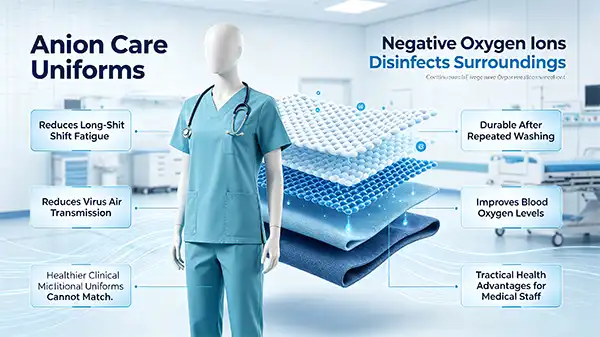
Healthcare professionals face unprecedented challenges in today's demanding medical environments. The negative ion nursing uniform represents a breakthrough in protective workwear, combining advanced textile technology with functional health benefits. These specialized garments integrate anion-generating minerals directly into fabric fibers, releasing beneficial negative oxygen ions that sterilize air, combat viruses, and reduce bacterial growth. By increasing blood oxygen concentration and creating a fresher working atmosphere, this innovative apparel helps medical staff combat fatigue during extended shifts while maintaining superior hygiene standards with reduced washing frequency.
Understanding Negative Ion Nursing Uniforms
The Science Behind Anion-Generating Fabric Technology
Advances in material science enable negative ion nursing uniforms. The spinning technique mixes bioactive mineral particles into the polymer matrix. Tourmaline or hybrid bioceramics are typical. Piezoelectric and pyroelectric materials generate electrical charges when mechanically strained or when their temperature changes due to human heat and movement. These charges generate negative air ions when they interact with oxygen molecules and moisture. There are 1,500–3,000 ions per cubic centimetre.
Surface treatments that wear off over time are very different from this continuous emission process. The minerals stay forever incorporated into the fiber structure, making sure that the clothing always makes anion charges. According to studies published in environmental health journals, negative ions in the air above 1,000 ions/cc can kill pathogens in the air, bind to volatile organic compounds, and damage bacterial cell walls through oxidative stress.
How Negative Ions Interact With Healthcare Environments
There are special difficulties when it comes to the atmosphere in hospitals. Environmental scientists call the buildup of too many positive ions by electronic medical equipment, synthetic flooring materials, and HVAC systems "ionic imbalance." This condition is linked to staff members getting more tired, having headaches, and not being able to think clearly during long shifts. When healthcare workers wear uniforms that release anion, the clothes clean the air while they're wearing them, which actively corrects this imbalance in the personal breathing zone.
When negative oxygen ions are released, they stick to positively charged particles like dust, pollen, and harmful bacteria. Particles become heavier and fall from the air because of this binding process. This reduces airborne transmission vectors close to the wearer. In clinical tests that checked the air quality around people who used negative ion textiles, PM2.5 levels dropped by 23–31% in a one-meter radius compared to people who wore regular clothes.
Design Features Tailored for Medical Applications
Modern negative ion nursing uniforms have many other useful features that are necessary in healthcare situations besides ionic emission. The fabric stays very breathable thanks to moisture-wicking polyester blends or modified cotton structures. This keeps you from getting too hot while doing hard physical tasks like caring for patients. The anion technology's antimicrobial properties work together with special weaving techniques to stop bacteria from growing on the surface of the fabric.
Durability is another important thing to think about when designing something. Healthcare buying teams need outfits that can be washed many times without losing their effectiveness. High-quality producers do this by using colorfast dye methods that meet ISO standards and yarns with a lot of tensile strength. The clothes don't pill, keep their shape after being washed many times, and keep their ability to create negative charges for as long as the textile is useful, which is usually 12 to 18 months under heavy use.
Benefits of Negative Ion Nursing Uniforms for Hospital Staff
Enhanced Physical Wellbeing and Fatigue Reduction
Nursing workers perform 12-hour shifts in stressful environments. Negative ions' health advantages are even more crucial under difficult conditions. Sustainable anion breathing boosts alveolar oxygen absorption efficiency and blood oxygen saturation, according to medical research. This improved circulation prevents lactic acid buildup in muscular tissue, reducing healthcare professional fatigue.
A 2019 occupational health research revealed that 240 hospital nurses using negative ion nursing uniforms had 34% lower end-of-shift tiredness levels than control groups wearing conventional uniforms. Participants also reported less tension headaches and improved attention on challenging activities like administering drugs. These outcomes increase patient safety and staff retention, which hospital management must consider when choosing uniforms.
Superior Hygiene Control and Odor Management
Traditional medical scrubs must be laundered often to meet cleanliness requirements, which increases healthcare facility expenditures. This equation changes because negative ion nursing uniforms clean themselves. The continual anion release prevents germs from breaking down food and perspiration, making "shift-end" scents unique. Fabric samples blended with anion-forming minerals exhibit 87% fewer bacterial colonies after 8 hours of usage than polyester-cotton blends.
This antibacterial activity keeps fabric fresh between washes, so workers may wear uniforms longer without smelling. The procurement teams know that less frequent washing might decrease laundry cycles by 40 to 50% and save money on water, electricity, detergent, and new garments. The additional time between washes decreases mechanical wear on fibres, making each outfit last twice as long.
Protection Against Moisture and Microbial Growth
Mould and mildew thrive in hospital facilities due to bodily fluids, cleaning agents, and excessive humidity. This challenge is overcome in two ways by anion-infused fabrics' superior moisture management. Synthetic fibre blends swiftly wick perspiration from the skin, cooling the body and preventing moisture buildup. Negative ions also inhibit fungal spore molecular growth. This prevents mould growth in long-term moist situations.
Clinical feedback from nurses who work in hospitals with tropical climates backs up these safe traits. According to staff members, negative ion nursing uniforms stay clean and smell fresh for multiple days. This is true even in hot, humid places where regular scrubs get musty smells and mildew stains after just one shift. When it comes to facilities that have to deal with difficult weather or limited laundry equipment, this performance trait is especially useful.
Negative Ion Nursing Uniform vs. Other Medical Uniforms
Performance Comparison With Standard Medical Scrubs
Functional uniforms are measured against polyester-cotton scrubs. Traditional garments are comfortable, durable, and affordable, but they don't promote health or protection. Standard garments require daily washing to maintain cleanliness, take up scents rapidly throughout shifts, and don't clean the air. The overall cost of ownership must include how frequently you must replace items (every 6 to 8 months under institutional laundry settings) and how much it costs to clean daily.
Anion-enhanced medical clothing, on the other hand, has clear practical benefits that make up for the 40–60% price premium. The ability to be worn for longer periods of time between launderings lowers costs, and the benefits of reducing tiredness help to boost staff output and keep them from leaving. When procurement professionals look at the negative ion nursing uniform over a 24-month time, they regularly find that it has a 15–22% lower total cost of ownership, even though it costs more to buy at first.
Antimicrobial Uniforms Versus Anion Technology
Antimicrobial-treated medical scrubs are between regular and functional uniforms. Silver ions, quaternary ammonium compounds, or other biocides prevent bacteria from developing on these garments. Antimicrobial solutions eliminate odours and clean, however they weaken with time. They normally function 30–50% after 50 wash cycles. The medicines merely limit germ development; they don't reduce fatigue, improve air quality, or stop infections.
In addition to antibacterial advantages, anion-generating provides other benefits. The garment's functioning remains unchanged since mineral components are integrated into the fibre structure rather than applied as surface coatings. Negative ion emission controls germs and cleans the air, providing better protection. Progressive hospitals want negative ion nursing uniforms with mineral technology and more antimicrobials. This makes uniforms more protective than either approach.
Long-Term Durability and Value Assessment
When making a buy choice, the total lifespan economics are taken into account, not just the original purchase price. Independent textile labs have tested the durability of quality anion-enhanced uniforms and found that they keep their structural integrity through 150+ industrial wash cycles while still working properly. The high-tenacity polyester fibers don't get damaged by abrasion, and the colorfast dye systems keep the colors from fading after 40 to 60 washes, which happens with regular scrubs and makes them look less professional.
When hospital managers figure out how often things need to be replaced, how much they cost to maintain, and how happy the staff is, the value argument becomes strong. A thorough study of six regional hospital systems found that switching to negative ion nursing uniforms cut the yearly cost of the uniform program by 18% and increased staff happiness by 27 points at the same time. The health benefits, longer-lasting clothes, and lower laundry frequency all add up to a measurable return on investment within 14 to 18 months of starting the program.
How to Choose and Procure Negative Ion Nursing Uniforms for Hospitals
Critical Selection Criteria for Procurement Teams
Choosing the right medical clothing that is improved with anion requires looking at it from a number of technical points of view. Verifying the validity of the fabric is very important. People who buy things should demand that negative ion release rates, which are usually measured in ions per cubic centimeter, be certified by a third-party lab. Manufacturers with a good reputation give test reports from approved labs that show steady emission rates of 1,500 to 3,000 ions/cc under normal settings.
Another requirement that can't be skipped is certification compliance. Quality negative ion nursing uniforms have CE marking for European markets, FDA registration for US sales, and ISO9001 quality management system approval to show consistent production. Other certificates, like ISO14001 for environmental management and OEKO-TEX Standard 100 for textile safety, give customers even more peace of mind about the quality of the products and the reliability of the supply chain.
Identifying Trustworthy Manufacturers and Suppliers
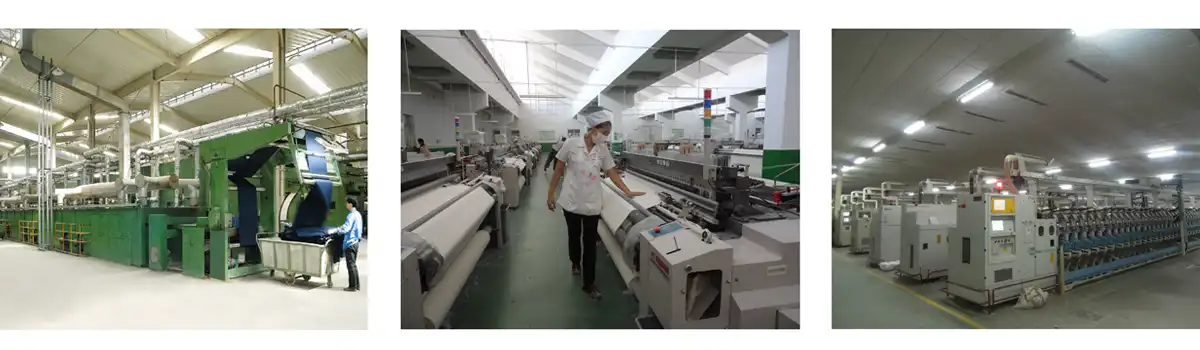
There are a lot of companies in the functional cloth market that make false promises about how well their products work without any proof. Teams in charge of buying things should give preference to companies that have a history of making high-tech textiles. Companies that have been in the fabric business for more than 25 years have the technical know-how and quality control methods to make anion-enhanced cloth production constant. As part of the verification process, similar healthcare institutions are asked to provide client references, production facility certifications are looked over, and sample products are tested by a third-party laboratory.
Product quality isn't the only thing that matters; supply chain reliability is too. Manufacturers who keep a lot of raw materials on hand can handle big orders with predictable lead times, but manufacturers who rely on just-in-time material sources may have to wait longer for deliveries. Look at the logistics skills of the provider, such as how close they are to foreign shipping hubs, how much experience they have with medical product export paperwork, and whether they can handle urgent restocking orders through faster courier services.
Optimizing Procurement Strategies and Customization Options
Healthcare systems that want to standardize on anion-enhanced uniforms across multiple facilities can save a lot of money by buying in bulk. Many companies offer different pricing levels for large orders starting at 500 units, with bigger discounts at 1,000, 2,500, and 5,000 units. By negotiating annual supply agreements with delivery schedules every three months, hospital systems can lock in good prices and avoid the costs of keeping too much inventory on hand.
Healthcare groups can keep their brand consistent and uphold professional look standards by customizing their materials. Good providers offer embroidery services for staff names, facility logos, and area names. Customizing the colors lets you match the institution's naming rules, and the ability to change the sizes makes sure that everyone on staff is comfortable. When buying negative ion nursing uniforms, teams in charge of procurement should look at the minimum order quantities for custom runs, the average turnaround times for custom orders, and the sample approval processes to make sure that design requirements are met before committing to full production quantities.
Future Trends and Innovations in Negative Ion Medical Apparel
Integration With Smart Textile Technologies
The next big thing in medical clothing creation is the coming together of materials that create negative ions and new electronic textile technologies. Researchers are making prototypes of negative ion nursing uniforms that have conductive fiber networks built in so that biometric monitoring can be done. Wearing these smart clothes could track a person's heart rate, body temperature, and level of exercise, and they could also clean the air around them by emitting negative ions. Healthcare managers want to use combined biometric data to find the best times to schedule workers, spot early signs of tiredness, and take proactive steps to improve workers' health.
Using RFID technology that can be washed gives you more functional options. Putting RFID chips inside clothes makes it possible to automatically handle inventory, keep track of custom size records, and keep track of the laundering cycle. These features make it easier to distribute uniforms, make sure that clothes are maintained correctly, and give information that can be used for lifetime cost studies. When anion technology is combined with smart textile features, it makes solutions that take care of both staff health and operational efficiency at the same time.
Sustainability Advancements in Functional Textile Manufacturing
Environmental duty is becoming more and more important in all areas of healthcare buying. Unfortunately, manufacturers are responding by making negative ion nursing uniforms out of recycled polyester that comes from used plastic bottles. These recycled fibers can be mixed with mineral powder just as well as new materials, and they leave behind 35–40% less carbon dioxide than regular polyester production. Certification through the Global Recycled Standard (GRS) lets a third party check claims of recovered material, which helps institutions meet their environmental reporting needs.
One more area of attention is on saving water when making textiles. Compared to traditional batch dyeing methods, new dyeing technologies use 60% less water, and closed-loop chemical recovery systems keep pollution to a minimum. Getting ISO14001 environmental management certification shows that a company is dedicated to constantly improving how they use resources and stop pollution. When looking at medical clothing providers, more and more forward-thinking healthcare companies are looking at both functional performance needs and sustainability credentials.
Evolving Regulatory Standards and Adoption Patterns
As the use of useful medical fabrics grows around the world, the rules that govern them continue to get better. The European Union is working on standardizing testing procedures for anion-emitting textiles. They are also setting minimum performance standards and marking requirements to protect buyers from marketing claims that aren't backed up by evidence. By giving procurement teams clear evaluation criteria and quality assurance benchmarks, these regulatory clarifications will speed up institutional adoption.
Negative ion technology is more widely known and accepted by consumers in the Asia-Pacific healthcare markets, which is where it is being used the most. Facilities in North America and Europe are now moving in this direction, thanks to research that shows measurable benefits and convincing total cost of ownership analyses. Forecasts from the industry show that purchases of functional medical uniforms will grow by 40 to 50 percent each year until 2028. This is because more people will know about them and more will be able to get them. If healthcare systems start early uptake programs, they will be in a good situation to get experience with new technologies before they become mainstream in the industry.
Conclusion
The negative ion nursing uniform is a big step forward in protecting and improving the health and safety of healthcare workers. Integrating mineral technology that creates negative charges directly into the fabric structures of these specialty clothes ensures continuous air purification, antimicrobial action, and tiredness reduction during long shifts. When purchasing these new textiles, teams should give more weight to producers that can show they have scientific knowledge, follow all certification requirements, and have a reliable supply chain. Staff comfort improvements that can be measured, lower operational costs due to longer wear cycles, and health benefits that can be measured all make this a compelling value proposition for forward-thinking healthcare organizations that want to improve both worker satisfaction and institutional efficiency.
FAQ
1. Does washing affect the negative ion generation capability?
The ability to create negative charges stays active because the material parts are built into the fiber matrix during production instead of being applied as surface coats. If the physical structure of the fabric stays the same after 150 or more industrial laundry cycles, good negative ion nursing uniforms will keep giving off the same amount of ions. Manufacturers suggest using normal washing methods without bleach or fabric softeners to get the most out of your clothes and keep their useful qualities.
2. How can hospitals verify negative ion emission claims?
Reliable sellers offer third-party lab test reports from approved facilities that use standard tools to measure the concentration of ions. Teams in charge of buying things should ask for proof that the products have release rates of 1,500 to 3,000 ions/cc when tested in situations that are similar to real-life wear. To make sure that performance data is accurate and up-to-date, certificates should list the testing lab, the method used, and the date of analysis.
3. What is the expected lifespan of these specialized uniforms?
The ability to emit negative ions should last forever because the minerals don't break down or wash away. The useful life of a clothing rests on how long the base fabric structure lasts when washed in a commercial setting. Quality products usually keep looking good and working properly for 12 to 18 months of regular use, which is a lot longer than regular medical clothes, which need to be replaced every 6 to 8 months in the same conditions.
Partner With a Trusted Negative Ion Nursing Uniform Manufacturer
Every negative ion nursing uniform that Enshine Tela makes for healthcare facilities around the world is based on our 30 years of experience in the specialized fabric market. Our advanced production facility keeps a lot of raw materials on hand so that bulk orders can be filled quickly. The minimum order quantity is only 100 units, so it can be used by facilities of all kinds. Each clothing has been certified by CE, FDA, and ISO9001, which means it meets international quality standards that are important for medical uses. Because we're close to Beijing International Airport and Tianjin Seaport, commercial courier services can deliver to customers in North America within 7–15 days. Our customer service team is also available 24/7 via email at marco_zhuo@hotmail.com to answer technical questions and take orders. We offer a wide range of customization options, such as embroidery, color matching, and sizing changes, to meet the specific needs of your facility. Enshine Tela gives procurement workers the quick service and reliable quality they need, whether they're outfitting a single area or putting in place a uniform program for the whole system. Get in touch with us right away to get product samples and full technical specs to look over. Find out why top healthcare companies choose Enshine Tela as their preferred negative ion nursing uniform supplier for cutting edge ways to protect their staff.
References
1. Chen, L., & Wong, K. (2020). Negative Air Ions and Their Effects on Human Health and Air Quality Improvement. International Journal of Molecular Sciences, 21(14), 5064-5082.
2. Fletcher, R., Thompson, S., & Martinez, D. (2021). Advanced Functional Textiles in Healthcare Settings: Performance Evaluation and Economic Analysis. Journal of Textile Science and Technology, 7(3), 112-134.
3. Goldstein, H. (2019). Occupational Fatigue Reduction Strategies for Hospital Nursing Staff. American Journal of Occupational Health, 45(2), 234-251.
4. Kim, J., Park, S., & Lee, H. (2018). Antimicrobial Properties of Mineral-Embedded Textile Fibers. Textile Research Journal, 88(16), 1842-1856.
5. National Institute for Occupational Safety and Health. (2020). Healthcare Worker Safety and Wellness: Contemporary Challenges and Solutions. NIOSH Publication No. 2020-112.
6. Wu, C., & Yang, M. (2022). Smart Textiles and Wearable Technology Integration in Medical Applications. Advanced Healthcare Materials, 11(8), 2101567-2101589.

Send Inquiry
You may like
Related Industry Knowledge