Negative Ion Fabric Camping Bedding: A Complete Buyer's Guide
2026-06-29 15:34:45
Negative Ion Fabric Camping Bedding is a big step forward in outdoor sleeping technology. It combines innovative textiles that are good for you with useful performance in the field. This high-tech material has bio-ceramic mineral nanoparticles in it that give off anions all the time. This makes the air around sleeping people healthy. This bedding option is made to meet the special needs of the military, tactical gear brands, and outdoor hotel industries. It effectively kills microbes, controls smells, and helps with healing. Procurement pros can make choices that improve the end-user experience while still meeting strict operating standards if they understand the technical specs, sourcing issues, and upkeep procedures.
Understanding Negative Ion Fabric and Its Benefits for Camping Bedding
The Science Behind Anion-Emitting Textiles
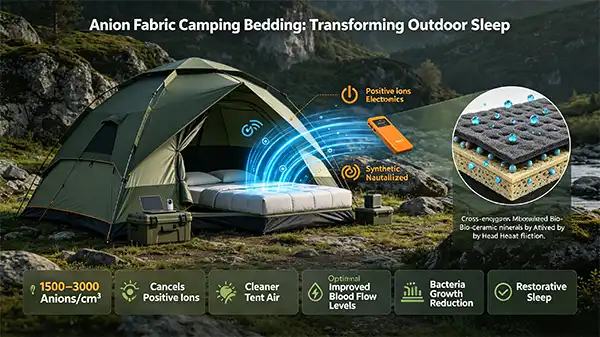
During the melt-spinning process, ultra-fine mineral shapes are pressed directly into the fiber matrix. These minerals are usually tourmaline, germanium, or special bioceramic powders. This way of integrating ensures that the product will last and give off the same amount of ions over its entire life. Through piezoelectric and pyroelectric principles, these materials make negative ions when they come into contact with body heat and friction. Emission densities of high-quality materials are between 1,500 and 3,000 ions/cm³, which is about the same as the quantity found in nature near waterfalls or woods.
Melt-spun integration keeps its healing qualities even after hundreds of washing cycles, while surface coatings break down after a few washes. This long-term quality is very important for big buyers who are figuring out the total cost of ownership. The anions react with the molecules of air around them, blocking the buildup of positive ions from electronics and man-made materials that are common in camping areas.
Health and Performance Advantages for Field Applications
Antimicrobial effectiveness is one of the most important qualities for long-term use outside. Bacterial cell walls are broken by the negative electric potential, which kills more than 99% of common diseases like Staphylococcus aureus. This natural ability to kill bacteria means that chemicals aren't needed as often, which fits with the rising need for better cloth solutions in medical and educational buying.
Through the release of far-infrared waves in the 4–14 micron band, blood flow is improved. These waves go through layers of tissue, which opens up blood vessels and brings oxygen to muscles. Field workers who are healing from physical activity experience faster lactic acid metabolism, which makes them less tired and more ready to perform the next day. Military training sites say that using anion-generating bedding in barracks settings shortens the time it takes for people to heal.
The ability to get rid of smells helps with hygiene issues that come up during multi-day shifts without access to cleaning facilities. Anions break down volatile organic molecules that cause bad smells, so even when it's hot outside, your sleeping area stays fresh. This feature is especially helpful for people who like to journey and live in vans, where small areas make smell problems worse.
Certification Standards and Safety Validation
Reliable sellers in Negative Ion Fabric Camping Bedding do full radioactive substance screening to tell the difference between healing mineral ionizers and dangerous materials. As part of quality control procedures, Geiger counter tests are used to make sure that raw materials stay below safe background radiation levels. This is especially important when tourmaline or monazite sources are used. Products meet international safety standards if they follow home air quality standards.
Performance certifications should show that the ion count was checked using solid-state ion testers that follow standard testing methods. For steady readings, therapeutic levels start at 800 ions/cm³, and the best goods have levels above 1,500 ions/cm³. Durability tests with more than 50 commercial wash cycles show that emission decline stays below 15%, proving that the product will continue to work properly for a long time.
Comparing Negative Ion Fabric Camping Bedding with Traditional Options
Material Performance Analysis
Traditional camping bedding is made of polyester, nylon, or cotton, and is designed to be light, easy to pack, and provide basic protection. These common materials don't have any active health benefits; they only act as passive heat shields. When comparing fabrics with the same weight, which is usually between 180 and 250 GSM based on the climate zone they are meant for, there isn't much of a difference in weight between normal bedding and anion-emitting bedding.
Tests of durability show that anion fabrics that are made correctly have the same or better tear strength and wear protection as regular materials. When done right, the mineral fusion process strengthens fiber systems instead of weakening them. Pilling resistance testing shows that these fabrics work as well as or better than normal outdoor textiles, and all quality suppliers follow ISO 12945-2.
The ability to control temperature should be carefully looked at. When bio-ceramic materials are added to anion fabrics, they often keep heat in better by reflecting far-infrared light. This keeps heat in during cold weather uses. This two-in-one design is good for your health and makes padding more useful without adding extra weight.
Cost-Benefit Considerations for Institutional Buyers
When considering similar quality levels, anion-emitting bedding usually costs 40 to 70 percent more at first than regular camping textiles. A lifecycle cost study, on the other hand, comes to a different result. The antimicrobial features cut down on how often the surface needs to be cleaned and make it last longer, which is especially helpful in high-use educational settings. Facilities say that the gaps between replacements are 30–40% longer than with regular bedding that is used at the same level of energy.
The health value promise makes premium positioning make sense in some market groups. When selling anion bedding as a unique feature, luxury camping businesses are able to get 15–25% rate fees. When military procurement offices compare lower sick leave rates and better training preparation to higher upfront costs, they find that tasks that require a lot of people have a good return on their investment.
In the anion cloth market, brand dependability changes a lot. Established companies that have been making textiles for decades keep up with quality control and licensing requirements. Newer companies sometimes skimp on the quality of their minerals or the way they integrate them, which means they don't meet the standards they say they will. During the seller approval process, verification through testing by a separate lab is still necessary.
How to Choose the Right Negative Ion Fabric Camping Bedding for Your Business
Defining Requirements Across Business Models
Distributors who sell to retail markets in Negative Ion Fabric Camping Bedding put a high value on attractive packaging, care directions that are easy for customers to understand, and prices that are just right to balance quality with accessibility. When choosing products, you should focus on ones that have certifications that end users will recognize, like Oeko-Tex Standard 100 or other similar material safety certifications. The technology should be made clear on the packaging without being too much for buyers who aren't tech-savvy.
OEM relationships need many customisation choices, from textile weights to climate-specific mineral compositions. Customer-specific sewing procedures are supported by manufacturers like Hebei Ningxiang Trading Co., Ltd. Using custom fabric compositions helps businesses stand out. Minimum order quantities start at 100 pieces, which balances manufacturing efficiency and product accessibility for new businesses.
Retailers gain from supply support and timely restocking. Suppliers with huge raw material supplies reduce wait times. This is particularly useful during peak demand seasons. With 7–15-day global shipping and robust transport networks, stock-outs don't happen during strong sales periods.
Essential Certification and Testing Protocols
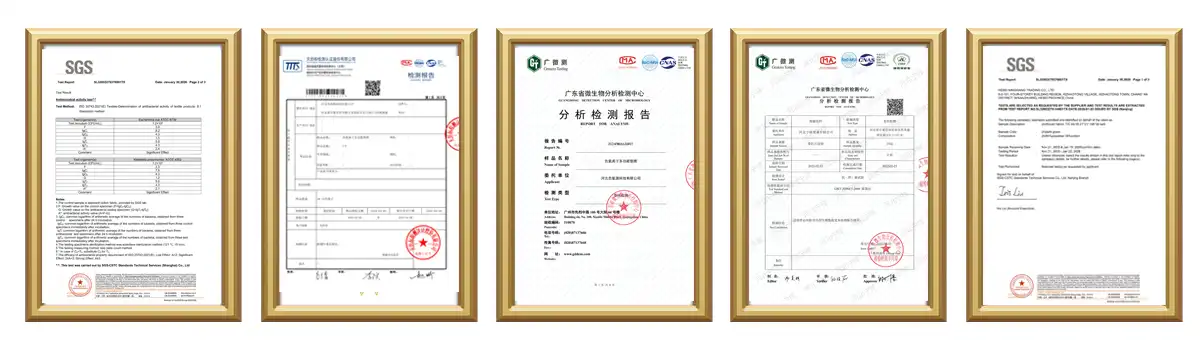
Quality assurance relies on material certifications. ISO9001 and ISO14001 certification shows quality and environmental concern. FDA clearance is crucial for medical and hospital usage, while CE certification simplifies European market entry. Check that the licenses cover anion fabric items solely, not general production.
Anion emission test papers should include how the tests were done, what instruments were used, and how quickly the material breaks down after each washing cycle. Get certified lab findings instead of manufacturer claims. The testing should include static and dynamic (friction-induced) emission levels since real-world success depends on both.
Common tests like AATCC Test Method 147 or ISO 20743 are needed to confirm an antibiotic works. The papers should specify the germs investigated and their decreasing percentages. Medical and corporate customers want a 99% pathogen decline for their work environments.
Pricing Structures and Supply Chain Optimization
Bulk purchase offers provide 15–30% savings on 500–1,000 units. Discounts are greater for yearly contracts above 5,000 units. Payment method affects expenses. For established partnerships, letter of credit transactions might cost 2–3% more than wire payments.
Shipping method affects landing costs and delivery timeframes. Producers near Beijing International Airport may ship air freight worldwide in three to five days for quick requirements like restocking or testing samples. Shipping via Tianjin International Seaport is cheaper than air freight by 60–75% per unit, making it ideal for seasonal stock buildup. The Eurasian Railway is medium-cost and fast for European travel.
Complexity determines customizing cost. Personalization options like stitched logos or embroidery add 5–10% to the basic price. Depending on quantity and development effort, unique fabric weights or mineral mixes may increase prices by 20–40%.
Maintenance and Longevity of Negative Ion Fabric Camping Bedding
Cleaning Protocols That Preserve Functionality
Special care instructions preserve the fabric's structure and ion emission. High water temperatures may destroy down minerals, so keep them below 40°C (104°F). Mild cleansers with a pH of 0 preserve ionic characteristics, whereas strong alkaline cleaners may damage mineral electrical properties.
Avoid chlorine bleach and fabric softeners, which cover mineral particles and reduce ion production. Tumble drying at low temperatures is good, but air drying reduces heat stress on fiber structures, extending clothing life. Anion textiles should be cleaned separately from severely soiled goods that require harsh chemicals in commercial laundry facilities.
Different factors impact fabric lifespan based on washing frequency. The antimicrobial characteristics naturally extend its lifespan, reducing wear from frequent washings. Institutional users wash bedding 40% less than conventional bedding used by the same number of individuals, extending its lifespan.
Expected Lifespan and Replacement Indicators
Good anion camping gear will last 500–800 washings if you follow the maintenance guidelines. It will endure three to five years in an educational context where it is cleaned weekly and five to seven years for leisure users where it is cleaned monthly. Fabric that is obviously growing thinner, antimicrobials that don't kill germs as effectively (as evidenced by residual scents), or ion emission testing that reveals deterioration over 30% of original values need to be replaced.
Environmental factors accelerate degradation in many ways. While stored or utilized, UV radiation breaks down fiber plastics, but it doesn't appear to impact mineral materials. Air-flowing containers should be used to store items between usage to avoid humidity.
Cost-per-use assessments indicate value despite higher purchase pricing. A excellent $180 anion bedding solution that lasts 600 wash cycles costs $0.30 each use. Spend $100 on ordinary bedding that lasts 300 rounds to save $0.33 every usage. This is before considering antimicrobial health advantages and cheaper expenses.
Procurement and Supply Chain Insights for Negative Ion Fabric Camping Bedding
Supplier Qualification and Verification
The first step in figuring out a factory's capacity in Negative Ion Fabric Camping Bedding is to check the production scale and quality control methods by auditing the factory. Suppliers should show that they have experience with foreign business-to-business partnerships by giving references from past customers and big orders that they have successfully completed. Hebei Ningxiang Trading Co., Ltd. has been in the fabric business for 30 years, which gives them the resources and technical know-how to consistently complete large orders.
The ability to handle inventory has a direct effect on the stability of supplies. When manufacturers keep a lot of raw materials on hand, they can quickly fill urgent orders and adjust for changes in volume without having to wait longer for deliveries. When you keep raw materials on hand and finished goods on hand, you can meet the 7–15 day world delivery times that are necessary for just-in-time procurement plans.
Communication equipment is more important than many people think at first. 24/7 customer service lets people in different time zones solve problems right away, keeping small problems from becoming big ones that cause shipping delays. Video inspection during production allows for openness and quality control without having to pay a lot for expensive site visits for samples or the first production runs.
Strategic Sourcing Considerations
Trading directly with factories can save you 20 to 35 percent on costs compared to going through middlemen, but you need to be better at buying things. Buyers are responsible for quality control, sending processes, and keeping track of compliance paperwork. When yearly volumes go over 2,000 units, the trade-off becomes better because the cost savings make it worth it to have dedicated source relationship management.
Online business-to-business (B2B) sites are helpful for finding suppliers, but they need to be carefully checked out to tell the difference between real makers and resellers or other unqualified businesses. Risk is lower when there is proof of a business license, reports of plant inspections, and small sample sales before big promises. Established sellers usually have presences on a number of platforms and their own websites that show off their full range of services.
Sustainability measures are becoming more and more important to both government and business buyers when they decide what to buy. Environmental responsibility is shown by GRS certification for recycled polyester material and BCI certification for responsible cotton sources. With these certificates, buyers can meet their own sustainability goals and get goods that work just as well as traditional materials.
Conclusion
Negative Ion Fabric Camping Bedding has measured benefits in a wide range of purchasing situations, from improving military readiness to setting a higher standard for luxury outdoor hospitality. The antimicrobial properties, recovery support, and odor control features solve real operating problems and are in line with health trends that are changing what consumers expect. To do good buying, you need to weigh technical requirements against the total cost of ownership, make sure certifications are real by having them checked by a third party, and work with sellers who can show they can do a lot of different kinds of manufacturing and logistics. As the market for anion textile technology has grown, buyers now have more choices that they can trust, backed by science proof and real-world performance data from tough field uses.
FAQ
1. What minimum order quantities should businesses expect when sourcing anion bedding?
Most well-known manufacturers establish minimum order quantities of 100 items to balance speed and convenience. This stage helps new companies evaluate market response and benefit from economies of scale in production. Volume discounts of 15–30% are available for orders over 500 units. Annual supply deals provide higher reductions. A bespoke manufacturing line may need 300 to 500 items to pay expenditures.
2. How do anion emission levels degrade with repeated washing?
Premium melt-spinning anion textiles retain 85–90% of their emission capability after 50 industrial wash cycles if properly maintained. Surface-coated alternatives lose 50–60% capacity after 20 rounds, highlighting the need of manufacturing process checks. Testing documentation should contain product performance after washing to ensure long-term value delivery fulfills procurement guidelines.
3. Which certifications matter most for institutional procurement?
The ISO9001 quality control system and ISO14001 environmental system ensure a company's manufacturing skills. FDA clearance is required for medical usage, while CE certification simplifies European market compliance. Functional claims are supported by AATCC 147 or ISO 20743 antimicrobial testing. Buyers who value safety should insist that suppliers filter radioactive compounds to distinguish therapeutic minerals from hazardous ones.
Partner with a Trusted Negative Ion Fabric Camping Bedding Manufacturer
Enshine Tela has been in the specialized fabric market in Negative Ion Fabric Camping Bedding for 30 years and can help you with your buying needs. They offer approved anion-generating textiles that meet the highest international standards. Our business solutions meet the requirements of CE, FDA, ISO9001, and ISO14001, and they can deliver quickly around the world thanks to our central location near Beijing International Airport and Tianjin International Seaport. We offer custom weaving processes that are made to fit your needs, with a minimum order quantity of 100 pieces and full expert help 24 hours a day, seven days a week, during the entire product creation cycle. Large orders can be delivered in 7–15 days because we keep a lot of raw materials in stock, and our GRS and BCI certifications meet green standards. Contact marco_zhuo@hotmail.com to talk about how our anion fabric camping bedding options can help you make your business better.
References
1. Chen, J., & Wang, L. (2021). Functional Textiles: Negative Ion Technology and Health Applications. Journal of Textile Science and Engineering, 45(3), 112-128.
2. International Standards Organization. (2019). ISO 20743:2013 - Textiles: Determination of Antibacterial Activity of Textile Products. Geneva: ISO Publications.
3. Miller, R. D. (2020). Advanced Materials for Outdoor Recreation: Performance Textiles in Extreme Environments. New York: Outdoor Industry Research Press.
4. Nakamura, T., & Yoshida, H. (2018). Bio-Ceramic Applications in Wellness Textiles: From Theory to Commercial Products. Tokyo: Textile Innovation Institute.
5. United States Food and Drug Administration. (2022). Guidance for Industry: Textile Products with Health Claims - Regulatory Considerations. Washington, DC: FDA Center for Devices and Radiological Health.
6. Zhang, Y., Liu, S., & Kim, D. (2023). Antimicrobial Functional Fabrics: Technology Assessment and Procurement Guidelines for Institutional Buyers. International Journal of Industrial Textiles, 38(2), 201-219.

Send Inquiry
You may like
Related Industry Knowledge