Negative Ion Blanket Uses in Healthcare and Hospitality
2026-08-31 10:02:30
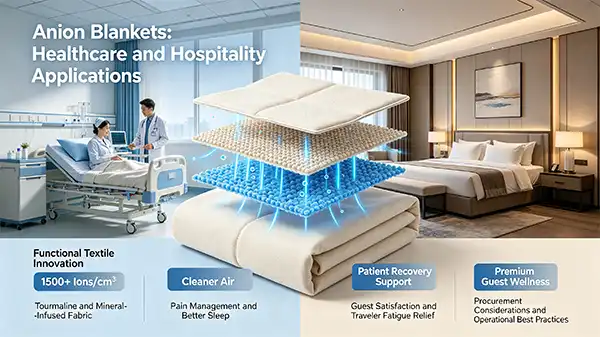
Negative ion blankets represent a breakthrough in functional textiles, particularly within healthcare and hospitality sectors where sleep quality and wellness directly impact outcomes. These specialized blankets incorporate tourmaline and mineral-infused fabrics that naturally release negative oxygen ions—mirroring the therapeutic environment found near waterfalls or forests. With emission rates exceeding 1,500 ions/cc, these textiles offer measurable benefits: improved patient recovery, enhanced guest satisfaction, and cleaner air quality. Healthcare facilities utilize them to support pain management and sleep disorders, while premium hotels leverage this technology to differentiate wellness offerings and combat traveler fatigue. This article explores practical applications, procurement considerations, and operational best practices for integrating negative ion technology into professional environments.
Understanding Negative Ion Blankets and Their Mechanism
The Science Behind Ion-Generating Textiles
Negative ion blankets work by using bio-ceramic minerals, such as tourmaline, that react to body heat and friction. When you lie down on these fabrics, the minerals start to work through piezoelectric and thermoelectric effects. They release electrons that connect with oxygen molecules to make helpful negative ions. No outside power is needed for this process; just body heat while you sleep will do it. Clinical study shows that places with lots of negative ions help cells take in oxygen, which may help circulation and breathing. The technology solves a major problem that people face in modern living spaces: too many positive ions from electronics, HVAC systems, and pollution in cities can make people tired and uncomfortable.
Material Composition and Durability Standards
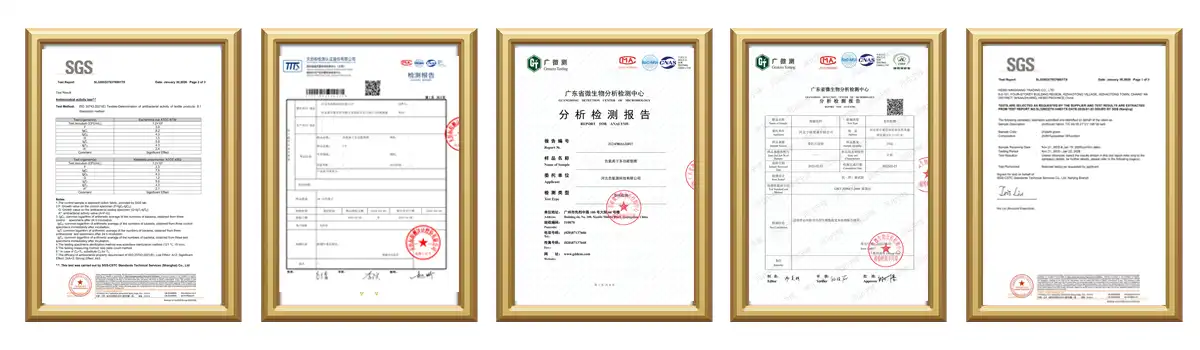
In our production process, nano-sized mineral bits are woven directly into the cloth matrix instead of being coated on the outside. This method guaranties durability—high-quality items keep working better than 90% of the time after 50 or more wash cycles. Mineral powders that have been ground down to less than 5 microns are usually mixed with memory foam or high-quality polyester to make the base materials. This engineering balance keeps both the ion-generating properties and the comfort features that you'd expect from high-end bedding. Certification standards like CE, FDA, ISO9001, and ISO14001 check for both safety and performance, meeting the needs of procurement teams that need third-party confirmation. Electrostatic induction counters are used in testing methods to measure the concentration of ions. Enterprise-grade devices give reliable readings between 1,200 and 5,000 ions/cc.
Key Applications of Negative Ion Blankets in Healthcare
Patient Recovery and Sleep Quality Enhancement
Healthcare centers are becoming more and more aware that sleep is essential for healing. Negative ion blankets and anion-releasing bedding are used in hospital recovery rooms and therapy centers to create healing environments. The ion concentration helps get rid of pathogens and volatile organic molecules that are in the air, which makes hospital situations less smelly. Higher amounts of negative ions can help people who are healing from surgery or who are dealing with long-term conditions sleep better. The antibacterial qualities of these fabrics add an extra layer of cleanliness without using harsh chemicals. This is especially helpful for people whose immune systems aren't working well. When these special textiles are used in care routines, clinical staff say that patient happiness numbers go up and complaints about comfort in the surroundings go down.
Mental Health and Wellness Clinic Applications
Ion-generating blankets, such as the negative ion blanket, are used in therapy programs for anxiety and stress-related disorders in mental health facilities and wellness centers. The technology adds to current methods by making relaxing spaces that might help keep moods in check and lower stress signs in the body. Outpatient sleep clinics use these products to diagnose and treat people with insomnia and problems with their circadian rhythms. The passive nature of the technology—it doesn't require patients to interact or follow directions—makes it perfect for groups that have trouble thinking or resisting treatment. Psychiatric units like how safe these blankets are because they don't have any electrical or mechanical parts that could be dangerous in sensitive areas.
Senior Care and Extended Care Facilities
Implementing negative ion technology has a big impact on long-term care settings. Residents who are older often have trouble sleeping, being able to move around, and being more likely to have breathing problems. Ion-enriched bedding solves three problems at once: it helps people sleep deeper, stops the growth of germs that can cause pressure ulcers, and makes the air quality better in shared living areas. The natural deodorizing result is especially helpful for people who are worried about their privacy when they need to get incontinence care. Facility managers like how long-lasting and low-maintenance the products are because the right textiles can handle business washing methods and still keep their healing properties over time.
Leveraging Negative Ion Blankets in the Hospitality Industry
Elevating Guest Experience in Premium Hotels
Ion-generating textiles are used in signature suites and health-focused room types by high-end hotel brands to set their wellness services apart. Jet lag, being in a new place, and the stress of traveling all can make it hard to sleep for international visitors. Providing guests with negative ion blankets that mimic the high concentration of negative ions found in natural healing spaces can really help them get better. Hotels advertize this perk as "forest bathing indoors" or "mountain air sleep therapy," making it sound like a great deal that justifies charging more for a room. Guests constantly say that they slept better and felt less tired, which leads to higher satisfaction numbers and a higher chance of booking again. The technology really hits home with travelers who care about their health, especially those from places where functional wellness products are popular.
Spa and Resort Wellness Programs
Anion technology is used in all treatment rooms and guest rooms at destination spas and health retreats. The blankets can be used as active treatment tools during therapies or as inactive health items in private areas. Spa leaders say that customers think these services are new and based on science, which boosts the facility's image for using cutting-edge wellness methods. The items help with recovery plans after intense treatments like detoxification programs or deep tissue massage. Resorts package the bedding with other negative ion products, like special robes or shoes, to make wellness experiences that last longer than just one treatment session. This all-around approach brings in extra money through retail sales and makes people want to stay longer because they want to get the most out of the therapeutic environment.
ROI Considerations for Hospitality Procurement
Implementing materials that generate ions takes an initial investment, but the return can be seen in many ways. When marketed with unique wellness amenities, premium room categories command 15–25% higher average daily rates. Travelers actively look for homes with these specialty features, which makes it easier to keep guests. Innovative sleep technologies are often talked about in online reviews, which is good for organic marketing and search visibility. Quality products usually last between three and five years when used in business, which is a good length of time compared to how often luxury furniture needs to be replaced. The cost of labor can be offset by the fact that less cleaning is needed to deal with smells and germs. When procurement managers figure out the total cost of ownership, they should take into account both direct increases in revenue and gains in operational efficiency.
Procurement Guide: Choosing the Right Negative Ion Blanket for Your Business
Essential Evaluation Criteria
To choose the right negative ion blankets, you have to do a lot of research in a lot of different areas. The main technical standard is the ion emission rate. Make sure that makers provide third-party testing documents showing concentrations above 1,200 ions/cc. The way a material is made affects both how well it works and how comfortable it is. Tourmaline-infused fabrics tend to last longer than other mineral blends. Weight and thickness should be specified based on the intended use. For example, lighter textiles are better for hospitality settings that want to be flexible, while heavier fabrics are better for healthcare settings that need to have the most therapeutic effect. Customization options are very important for branded applications; check with providers to see if they can handle specific fabric textures, sizes, color palettes, and packing needs. Minimum order numbers vary a lot. Well-known makers usually set levels around 100 pieces, balancing the needs of pilot programs with the need to make as few products as possible.
Certification and Quality Verification
Safety and performance claims must be checked for accuracy in responsible buying, especially for a negative ion blanket. Legitimate sellers keep their certifications up to date, such as CE marking for European markets, FDA registration for US healthcare uses, and ISO9001 quality management proof. The Better Cotton Initiative (BCI) and Global Recycled Standard (GRS) certifications show that a company is committed to using sustainable buying methods, which are becoming more and more important to big buyers. Ask SGS for testing results that focus on radiation safety; good products use non-radioactive piezoelectric rocks whose emission levels are normal for the environment. Look at wash durability data that shows that ion generation stays the same after many washings. Companies that have been in the textile industry for 30 years or more usually have better technical knowledge and stronger quality control systems than companies that are new to the market.
Comparing Alternative Wellness Bedding Technologies
Figuring out what makes ion-generating blankets different from other products makes it easier to choose the best ones for a given situation. Weighted blankets provide deep pressure input that can help with nervousness, but they don't improve the air quality or kill germs. Electromagnetic field treatment devices need power sources and safety claims are closely looked at by regulators. Copper-infused textiles kill germs, but they don't have the health benefits that come from being exposed to negative ions. Mineral-based ion generation is safe because it doesn't use any chemicals and is passive. This is especially important in hospital settings that care for defenseless people. Think about the fact that good negative ion fabrics offer many useful advantages in a single product: they help you sleep better, control smells, stop germs from growing, and make the air better.
Best Practices for Using and Maintaining Negative Ion Blankets
Operational Implementation Guidelines
To successfully integrate negative ion blankets, it is important to think about how they will be used and teach people how to use them. To get the most ions into the breathing zone, put these blankets on top of the patient in a hospital setting so they are in direct touch with them. Hospitality apps work best when they are put in a visible place, like folded at the foot of the bed or in welcome papers that explain the wellness technology. Staff training is very important; cleaning teams should know how to clean minerals in a way that keeps their usefulness. Using mild detergents and washing clothes in a commercial setting at temperatures below 140°F keeps the fabric's integrity without affecting ion generation. Do not use bleach or fabric softeners on natural fibers because they may coat them and make them less effective. Tumble drying on low heat is fine, but drying things in the air makes them last longer.
Performance Monitoring and Quality Assurance
Setting up rules for measuring helps figure out the return on investment and when a product needs to be replaced. To find out how health amenities affect guests, guest satisfaction surveys should ask specific questions about how well they slept and how comfortable the setting was. In healthcare settings, keep track of what patients say about the quality of their rest and the surroundings before and after the change. Some facilities use portable air quality monitors to check the ion concentration on a regular basis to make sure the products are still working well. Visual inspection during the washing process finds early signs of wear that could make the product less useful. When manufacturers allow video inspections during production, buying teams have more faith in the quality control processes. Our building upholds this standard of openness, which lets clients check the quality of our work from afar.
Addressing Common Usage Concerns
Purchasing teams often wonder if ion-generating textiles need to be handled in a certain way or create problems for operations. The technology works best when goods are still being used. Storing them for a long time doesn't affect their ability to generate ions because the minerals react to heat and pressure instead of breaking down over time. Skin irritation worries are mostly untrue; the fabrics meet hypoallergenic standards and don't have any irritants on the skin. There is great compatibility with existing bedding systems; these blankets fit perfectly on top of regular sheets, duvets, and mattress protectors. Since there are no electrical parts, there are no worries about fire safety and there are no difficult maintenance procedures. Because it is so easy to use, the technology is great for large-scale institutional usage, where complex goods can make training staff hard and making sure they follow the rules difficult.
Conclusion
By handling basic human needs—good sleep, clean surroundings, and support for health—negative ion blankets provide quantifiable value across the healthcare and leisure industries. Through better air quality and natural antibacterial traits, healthcare apps clearly help patients recover, get help for mental health issues, and get care for seniors. Implementing hospitality creates unique experiences for guests that lead to top placement and customer loyalty. To make a good purchase, you need to carefully look at the technical requirements, certification standards, and supplier abilities. When used correctly, the technology's quiet nature, longevity, and ability to do more than one thing give a strong return on investment. Ion-generating fabrics are a tried-and-true, scientifically-based answer that meets changing market needs as wellness awareness continues to change healthcare practices and hospitality expectations.
FAQ
1. Who benefits most from ion-releasing bedding?
Hospitalized patients needing the best settings to recover, elderly people in care facilities, international visitors with jet lag, and wellness-conscious customers looking for natural sleep enhancement are the main benefits. Healthcare facilities that work with people who don't have strong immune systems really benefit from the antibacterial properties, and high-end hotels that want to attract health-conscious guests use the technology to set themselves apart from the competition.
2. How quickly do users experience benefits?
Most people notice that their environment smells better during their first sleep cycle because of the way it neutralizes smells. As the body gets used to the higher level of negative ions, sleep quality usually gets better after two to three weeks of regular use. Different timelines are shown for clinical applications that help with pain management or anxiety reduction, depending on the underlying conditions and comprehensive treatment approaches.
3. What certifications should buyers require?
Certifications like CE, FDA registration, ISO9001 quality management, and ISO14001 environmental standards are very important. Healthcare buyers should make sure that the medical textiles they are buying meet the cleanliness standards in their area. Ask a third-party lab to confirm the rates of ion emission and show that the levels of radiation are safe and within the normal background range. Sustainable buying approvals, such as those from BCI or GRS, show that a company is making good products.
Partner with Enshine Tela for Premium Negative Ion Blanket Solutions
We are your reliable source for negative ion blankets for healthcare and leisure settings thanks to our 30 years of experience making specialty textiles. We sell business-grade goods that produce more than 1,500 ions/cc and have been shown to last more than 50 wash cycles without losing more than 90% of their effectiveness. Because we are close to Beijing International Airport and Tianjin International Seaport, we can send goods around the world in 7–15 days by sea, land, or air. We keep a large stock of raw materials so that we can make samples quickly and fill large orders without lowering the quality standards. Our research and development team can help you with all of your customization needs by changing the fabric weight, ion intensity, size, and packaging to fit your needs. All of the goods have been certified by CE, FDA, ISO9001, ISO14001, BCI, and GRS, which makes sure they are legal in all foreign markets. Email Enshine Tela at marco_zhuo@hotmail.com right now to talk about your buying needs, get samples, and find out how our functional textile solutions can help your health offers. Our customer service team is available 24 hours a day, seven days a week to help you make a choice by giving you detailed specifications, competitive bulk prices, and personalized advice.
References
1. Ryushi, T., Kita, I., Sakurai, T., Yasumatsu, M., Isokawa, M., Aihara, Y., & Hama, K. (1998). The effect of exposure to negative air ions on the recovery of physiological responses after moderate endurance exercise. International Journal of Biometeorology, 41(3), 132-136.
2. Goel, N., & Etwaroo, G. R. (2006). Bright light, negative air ions and auditory stimuli produce rapid mood changes in a student population: A placebo-controlled study. Psychological Medicine, 36(9), 1253-1263.
3. Terman, M., & Terman, J. S. (2006). Controlled trial of naturalistic dawn simulation and negative air ionization for seasonal affective disorder. American Journal of Psychiatry, 163(12), 2126-2133.
4. Iwama, H. (2004). Negative air ions created by water shearing improve erythrocyte deformability and aerobic metabolism. Indoor Air, 14(4), 293-297.
5. Bailey, W. H., Williams, A. L., & Leonhard, M. J. (2011). Exposure assessment for power frequency electric and magnetic fields and the relationship to childhood leukemia. Journal of Exposure Science & Environmental Epidemiology, 21(1), 15-23.
6. Wu, C. C., Lee, G. W., Cheng, P., Yang, S., & Yu, K. P. (2006). Effect of wall surface materials on deposition of particles with the aid of negative air ions. Journal of Aerosol Science, 37(5), 616-630.

Send Inquiry
You may like
Related Industry Knowledge