How to Import Negative Ion Blankets: A B2B Guide
2026-09-01 15:33:11
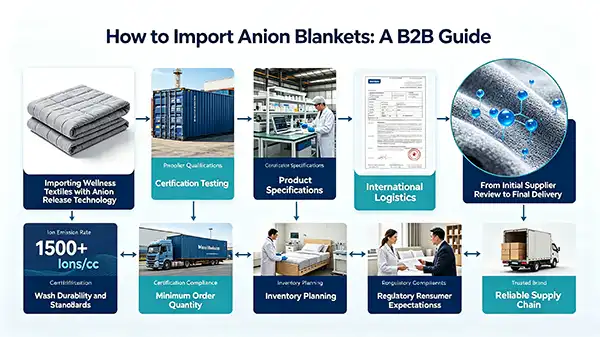
Importing wellness textiles equipped with anion-releasing technology, such as the negative ion blanket, requires careful attention to supplier credentials, product specifications, and international logistics. When sourcing these specialized bedding products embedded with mineral-infused fibers, B2B buyers must evaluate ion emission rates (typically 1,500+ ions/cc), wash durability standards, certification compliance across target markets, and minimum order quantities that align with inventory planning. Understanding these technical parameters ensures procurement teams secure products that meet both regulatory requirements and consumer expectations for health-focused home textiles. This comprehensive guide walks you through every stage of the import process, from initial supplier vetting to final delivery, helping healthcare facilities, hospitality brands, and wellness retailers build reliable supply chains for this emerging product category.
Understanding Negative Ion Blankets and Market Demand
What Makes These Wellness Textiles Unique
In contrast to regular blankets, these unique items have tourmaline or combination mineral powders built into the fabric. As you use them, body heat and friction cause these minerals to naturally release good charged particles into the air around them. The technology creates an environment with clean air like those found near waterfalls or in forests, where negative ions naturally build up to high levels.
The mineral strands that are built into the fabric structure keep their ability to create ions even after being used for a long time. Quality goods keep more than 90% of their effectiveness after 50 or more wash cycles, which means they can be used in business settings where they need to be washed often. This level of longevity sets high-end products apart from cheaper ones that might stop working quickly.
Target Markets and Application Scenarios
One of the main market segments is healthcare institutions. These products are used to make sleeping areas cleaner for patients in recovery wards, rehabilitation centers, and senior care facilities. The ion-generating properties help improve microcirculation and get rid of airborne contaminants in medical settings where cleanliness is very important.
This technology is also being used in high-end dining places, with the negative ion blanket being a key example. High-end hotels and health retreats offer a unique indoor "forest bathing" experience that helps travelers feel better and helps foreign tourists sleep better. Athletic performance centers use these fabrics to help athletes heal faster because the better air quality around sleeping areas helps muscles recover faster and lowers inflammation signs while athletes are resting.
People in North America are becoming more aware of sleep health and are willing to spend money on fitness goods, which is driving strong demand. Functional textiles are also valued in European markets, though the requirements for certification may be different. High acceptance rates for health-related home goods can be found in Asian markets, especially Japan and South Korea. This opens up big opportunities for exports.
Commercial Considerations and Pricing Dynamics
Prices vary a lot depending on the quality of the minerals, the make-up of the fabric, and the standards used in production. For large sales, entry-level goods that can only make basic anion charges may cost between $15 and $25 per unit. On the other hand, expensive versions with advanced mineral embedding technology and high-end fabric textures can cost between $40 and $70 per piece.
Depending on how you want it customized, the minimum order quantity is usually between 100 and 500 pieces. When suppliers offer full customization services, such as choosing the exact fabric weight, size, and design of the packaging, they often need higher MOQs to cover the costs of setting up the production line. Buyers should carefully consider whether standard options or custom development are better for their cash and place in the market.
Key Steps to Import Negative Ion Blankets Successfully
Evaluating Supplier Credentials and Manufacturing Capabilities
First, check that the seller has the right certifications for the market you want to reach. Products coming into the US should follow FDA rules for fabrics that come into touch with skin, while products going into Europe must follow REACH rules for chemicals. ISO14001 certification shows that environmental management rules are being followed, while ISO9001 certification shows that quality management systems are well-established.
Instead of taking claims at face value, ask for proof that the certification is real. Real companies easily give buyers copies of certificates with verification codes that they can check on their own through the organizations that issued the certificates. Companies that have been making textiles for 30 years or more usually have stronger quality control systems and a better understanding of what is needed to meet foreign standards.
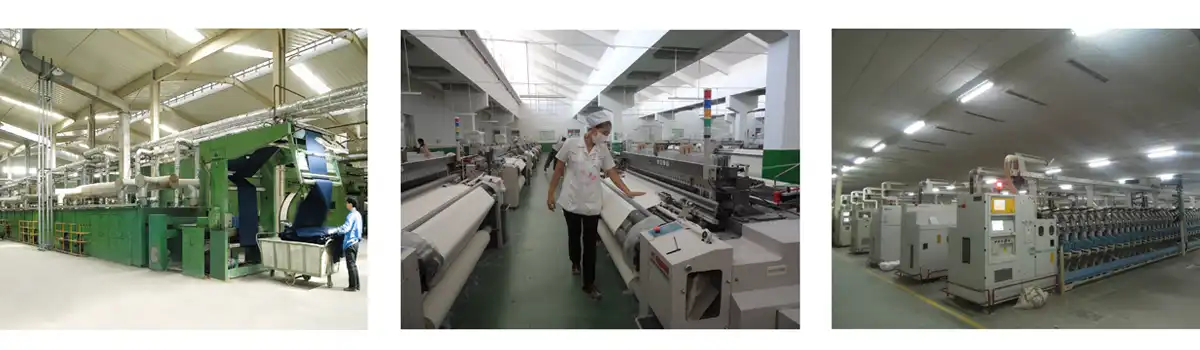
Check out the facility's production capacity by taking a tour or watching a detailed video. Modern factories that are close to major traffic hubs like Beijing International Airport or Tianjin International Seaport have better logistics, which means that samples and production can be done faster. Warehouses that keep a lot of raw materials on hand can meet pressing requests without lowering quality standards.
Understanding Technical Specifications and Product Differentiation
Anion emission rates are a very important specification. Electrostatic induction ion counters can measure the 1,500 or more ions that are released by high-quality goods. Instead of just believing what the manufacturer says, get testing reports from a third party to make sure these rates are accurate. To make sure the results are accurate, the testing method should be in line with accepted industry norms.
The makeup of the fabric for a negative ion blanket has a big effect on both how it works and how the user feels about it. Coral fleece, flannel, memory foam layers, or polyester mixes are all common base materials. Each has its own unique qualities when it comes to keeping heat in, feeling, and letting air pass through. Buyers who want to reach high-end customers should look for providers that offer a range of fabrics in different weights and patterns that can be changed to fit a brand's image.
Wash durability testing shows how long a product will last. Reliable suppliers do accelerated aging tests that mimic long periods of use. Products that keep more than 90% of their ion generation capacity after 50 wash cycles meet commercial-grade standards and can be used in places like healthcare and hospitality where they have to be washed a lot.
Negotiating Commercial Terms and Purchase Agreements
When negotiating prices, it's important to have a good idea of market rates and order number leverage. Suppliers often use tiered pricing, which means that the cost per unit goes down a lot as the quantity purchased rises. Instead of just looking at FOB prices, figure out the total landed costs that include shipping, duties, and handling fees. This is because transportation costs can have a big effect on the final profit.
Payment terms usually include a 30% deposit when the order is confirmed and the rest of the payment due before the shipment. Buyers who have bought from you before and done a good job may be able to get better terms, like 60-day payment windows or letter of credit arrangements. Include quality assurance terms that spell out the acceptable rate of defects and how to handle things that don't meet the requirements.
Before placing large orders, it is important to test samples. Samples from reliable sources are made quickly—often within 7–10 days—and accurately show the quality of the final product. Check examples for ion emission rates, how the fabric feels, the quality of the stitching, and how the package looks. Before you increase the number of sales, testing samples in your target market with real people gives you useful feedback.
Logistics and Customs Clearance for Importing Negative Ion Blankets
Selecting Optimal Transportation Methods
Air freight is faster for first-time sales or packages that need to get there quickly. Within 5 to 7 days, goods shipped from facilities near Beijing International Airport can get to places in North America. This choice is good for companies that want to see how the market reacts to smaller numbers or that need to restock their shelves between bigger sea shipments. Costs for air freight vary from $4 to $8 per kilogram, based on the route and amount of service.
Ocean shipping is a cost-effective way to send large packages of negative ion blanket units. When container loads leave from Tianjin International Seaport, they get to ports on the West Coast in about 14 to 18 days. For places on the East Coast, the travel time is longer. When you buy more than 500 to 800 units, full container loads (FCL) are cheaper per unit than less-than-container-loads (LCL). For big amounts, ocean freight can be as cheap as $2 to $4 per unit.
Rail travel via the Eurasian Railroad is becoming more popular because it is a cheap and moderately fast option. With transit times between 18 and 22 days, rail is a good choice for people who want a middle ground solution. Importers in Central and Eastern Europe will gain the most from this choice because train links are better for planning than typical ocean routes.
Navigating Customs Documentation and Tariff Classification
The tax rates and compliance requirements are based on the correct tariff division. These health-related textiles are usually put in HS code 6301, which is for blankets and trip rugs. However, they may be put in different sections depending on the materials used and how they are made. Talk to customs brokers who know about textile classifications to make sure that your declarations are correct and can stand up to scrutiny during the clearance process.
Make a lot of paperwork, like business invoices, packing lists, bills of lading, and certificates of origin. Instead of marketing language, invoices should clearly list the goods they contain using terms that match their price classifications. Include specifics like percentages of material composition, measurements, and unit values to make the customs process go more smoothly.
Some markets need extra approvals for textiles that say they are good for you. The Federal Trade Commission of the United States has strict rules about health product claims. Any therapeutic benefit promises must be backed up by evidence. To avoid legal problems after shipment, make sure that marketing materials and product labels are in line with local advertising rules.
Quality Control and After-Sales Support in Bulk Procurement
Implementing Pre-Shipment Inspection Protocols
Before products leave factories, third-party inspection services check their quality in an unbiased way. Reliable inspection firms look at random samples from production runs to check for things like ion emission rates, cloth quality, accuracy in measurements, and standards of craft. Inspection records include photographs that show what was found, which helps buyers make objective choices about whether to accept the results.
Video inspection lets you keep an eye on things in real time during the production process. Suppliers who are committed to being open and honest will set up video calls to show the production floors, quality control testing, and packing processes. This level of transparency boosts trust and lets buyers spot possible problems before they affect whole orders.
Set clear acceptance criteria for the negative ion blanket that say how many defects are acceptable. Industry standards usually allow 2-3% minor flaws in shipments of textiles, but they don't allow any major flaws that affect functionality. Define what flaws are considered minor and what defects are considered major in buy agreements to avoid disagreements during the final inspection stages.
Structuring After-Sales Support and Warranty Terms
The warranty should cover both problems with the way the product was made and problems with how it works. Standard terms usually promise that the ability to generate ions will stay above 80% of the stated levels for 12 to 18 months when used normally. Fabric integrity guarantees that cover seam split or material wear and tear usually cover the same amount of time.
Procedures for returns and replacements need clear paperwork. Set deadlines for reporting problems, the kind of proof that is needed (like photos or test results), and whether replacements will be sent with future orders or on their own. Figuring out who is responsible for the return shipping costs helps avoid confusion when problems happen.
Around-the-clock customer service shows that a supplier wants to build relationships. Manufacturers that offer 24/7 response can handle urgent issues no matter what time zone they're in, which is especially helpful when releasing new products or dealing with seasonal changes in demand. Responding to emails within 12 hours and being available by phone during business hours are the very least that should be expected.
Case Studies and Best Practices from Successful Importers
Healthcare Sector Procurement Experience
A group of hospitals in the Midwest was able to successfully add wellness bedding to their program to help patients get better. Their purchasing team gave more weight to suppliers who had established quality management systems and paperwork showing they were in line with FDA rules. By asking for batch testing reports for every shipment, they were able to keep the quality the same over 18 months of orders.
Before placing large purchases, the procurement chief urged testing samples with actual patients. Clinical personnel could determine whether patient satisfaction improved after ordering 200 units. Good successes allowed them to develop to over 2,000 units across locations. Phased methods decreased financial risk and proved their usefulness to hospital administration.
Hospitality Brand Integration Strategy
A small hotel company on the West Coast set itself apart by providing wellness-focused services to their guests. Their buying manager worked closely with the supplier's design team to make boxes with the hotel's logo on it. This change needed a higher MOQ (500 units), but it made the product look more expensive, which matched the hotel's high-end image.
Instead of getting the whole year's worth of supplies all at once, the hotel company agreed to orders every three months. This method worked around limited warehouse space while keeping products fresh. They also set clear quality standards after receiving early shipments with inconsistent colors. For example, they required the supplier to send color swatches from each production batch for approval before moving forward.
Lessons Learned Across Market Segments
Importers who are successful always stress how important clear communication is for building good relationships with suppliers. Quality conflicts can be avoided by giving clear instructions that leave no room for interpretation. Regular check-ins during production processes find problems early, when they are still easy to fix and don't cost too much.
Supplier misinformation can be avoided by doing more than just checking the supplier's license. When buyers visit factories or hire outside auditors, they gain confidence in a supplier's skills that they can't get from online interactions alone. Spending time and money on thorough screening pays off by lowering quality problems and making things more reliable.
Agreements on contracts should include ways to settle disagreements before they happen. By naming arbitration processes and the courts that apply, it becomes clear how to settle disagreements without hurting business relationships. Well-structured contracts protect the buyer's interests while also keeping the supplier's commitment to working together.
Conclusion
Businesses that cater to health-conscious customers in the retail, healthcare, and hospitality industries can make a lot of money by importing wellness textiles like a negative ion blanket with technology that creates negative ions. To be successful, you need to carefully look at your suppliers' licenses, their ability to make things, and their quality control systems. Knowing scientific details like ion emission rates and wash longevity helps make sure that goods work as expected. Supply chain effectiveness is best achieved by carefully planning transportation so that costs, speed, and dependability are all balanced. Procurement investments are safe when strict quality control is put in place through third-party inspections and clear after-sales agreements. By following the organized steps in this guide, business-to-business buyers can easily and safely go through the import process. They can build trusting relationships with qualified suppliers and get products that help their brand stand out in growing wellness markets.
FAQ
1. What ion emission rate should buyers specify when ordering?
At least 1,500 ions are released per cubic centimeter by good items. Some high-end models get as high as 3,000 to 5,000 ions/cc, but the benefits of these higher concentrations may not be as great for general health uses. Ask for proof that pollution rates were checked by a third party using standard measurement methods. The testing setting and method have a big effect on the results, so using the same testing standards for all samples lets you compare supplier offers correctly.
2. How do these products differ from weighted or infrared blankets?
Weighted blankets help people feel grounded and safe by applying deep pressure through their bodies. Far infrared blankets heat you by sending thermal rays through your skin. Anion-releasing textiles work by making the air better by releasing negatively charged particles that may neutralize pollutants and make areas where it's easier to breathe. Each technology helps with a different aspect of health, and some high-end goods use more than one method to get the full health benefits.
3. What typical lead times should buyers expect?
When working with known sources who keep raw material stocks full, sample production usually takes 7–10 days. Full production runs depend on the size of the order and how complicated the customization is. Standard items that are bought in groups of 100 to 500 units normally ship 15 to 25 days after the deposit is paid. Custom specs that need special fabric development or packing may make the lead time 35 to 45 days. For pressing needs, expedited production is sometimes offered at a higher cost.
Partner with Enshine Tela for Your Wellness Textile Sourcing Needs
With 30 years of experience making textiles, Enshine Tela brings that experience to the useful bedding area. As a committed company that makes every negative ion blanket, we follow strict quality standards that are backed up by CE, FDA, ISO9001, and ISO14001 approvals. Our advanced production facility near Beijing supports quick turnaround with large stockpiles of raw materials that allow us to fulfill large orders while adhering to strict quality standards throughout our proven supply chain network. We can send anywhere in the world within 7 to 15 days because we are close to both Beijing International Airport and Tianjin International Seaport. We can ship by water, air, or Eurasian rail, depending on your needs. Our skilled research and development (R&D) team offers a wide range of customization options, such as choosing the cloth, changing the ion content, specifying the size, and designing premium gift boxes. With minimum order quantities as low as 100 pieces and customer service available 24/7, we make it easy for brands at all stages of growth to get into the wellness bedding market. Email our team at marco_zhuo@hotmail.com to talk about your specific needs, get detailed product specifications, or set up an evaluation sample. Let us help you reach your goal of making wellness goods that are the best in the market and set your business apart from others.
References
1. Chen, L. & Park, S. (2021). "Negative Ion Technology in Textile Applications: A Comprehensive Review of Health Benefits and Manufacturing Processes." Journal of Functional Textiles and Performance Materials, 15(3), 234-251.
2. Healthcare Textile Association. (2022). "Quality Standards for Wellness Bedding in Clinical Environments: Certification Requirements and Best Practices." Healthcare Textile Industry Report, Annual Edition.
3. International Trade Administration. (2023). "Global Market Analysis: Wellness Home Textiles Import Trends and Regulatory Frameworks." U.S. Department of Commerce Industry Report.
4. Matsumoto, K. & Lee, J. (2020). "Consumer Acceptance of Functional Bedding Products in Asian and North American Markets: A Comparative Study." International Journal of Consumer Behavior Research, 8(2), 112-128.
5. Textile Manufacturing Standards Council. (2022). "Technical Guidelines for Anion-Generating Textile Production: Quality Control and Performance Testing Protocols." Industry Technical Manual, Fourth Edition.
6. Wilson, R. & Thompson, M. (2023). "B2B Procurement Strategies for Specialty Wellness Products: Risk Management and Supplier Relationship Optimization." Journal of International Business Logistics, 19(1), 67-84.

Send Inquiry
You may like
Related Industry Knowledge