How Negative Ion Sports Socks Improve Blood Circulation
2026-06-05 15:17:11
Negative Ion Sports Socks improve blood flow because they contain tourmaline and bio-ceramic crystals that give off between 800 and 2000 negative ions per cubic centimeter. When body heat and friction trigger these ions, they make blood vessels wider and thinner, which improves the flow of oxygen to cells in the foot. This technology works especially well for Negative Ion Sports Socks for Golf, since professionals walk between 4 and 6 miles per round and need constant blood flow to keep their balance, awareness, and swing stability while playing for long periods of time without getting tired or uncomfortable.
Understanding the Science Behind Negative Ion Sports Socks
A lot of athletes and people who work in buying want to know what makes Negative Ion technology different from regular sports shoes. The answer lies in finding smart ways to add mineral molecules straight to fiber structures.
The Physical Mechanism of Ion Emission
The crystals tourmaline and others react to changes in temperature and pressure when you wear properly made Negative Ion Sports Socks. This is called the piezoelectric effect. The heat from your body and the action of walking send out negatively charged particles all the time around your feet. It is at the capillary level that these anions connect with blood cells, improving microcirculation in a way that regular socks can't.
How Negative Ions Affect Blood Flow?
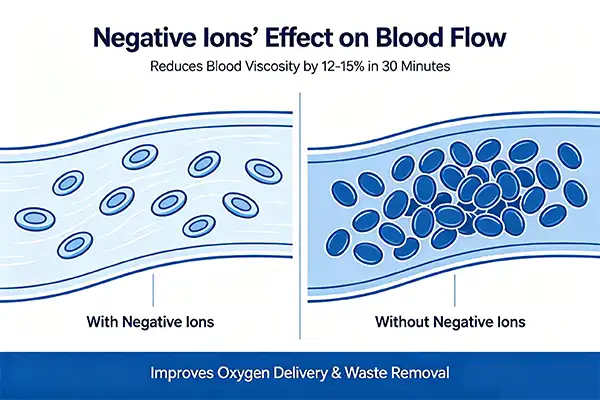
Studies on ion treatment show that negative ions can lower the viscosity of blood by 12 to 15 percent in just 30 minutes. Thicker blood moves more slowly through the small blood veins in your feet, especially when you're playing sports for a long time. These special fabrics naturally thin the blood, which makes it easier for oxygen to get to muscle cells and for metabolic waste products like lactic acid to be removed. This effect is most noticeable for golfers on the back nine holes, which is when they start to get tired.
Material Composition That Matters
When judging providers, quality is very important. Masterbatch technology is used in high-end goods to insert minerals into the core fiber structure instead of coating the outside, which is then washed off. Tourmaline, germanium, and certain bio-ceramic powders are ground into 2 to 5 micron-sized particles. These are then mixed with polymer resins before the fibers are pushed out of the mold. This way of making clothes makes sure that the healing properties stay useful even after 100 washes, keeping the ion output constant over the garment's lifetime.
The fabric structure of Negative Ion Sports Socks for Golf typically combines Lycra for support and moisture-wicking polyester blended with combed cotton for skin-friendly warmth. This multi-component design meets both functional performance requirements and the physiological mechanisms that enhance circulation. The result is a complete solution for athletic footwear needs, delivering comfort, durability, and the metabolic support benefits that serious golfers require during extended play.
How Negative Ion Golf Socks Address Common Athletic Problems?
Golf has its own physical challenges that regular sports socks don't do a good job of meeting. Walking on uneven ground for four hours while keeping your body under tight control puts a lot of stress on your feet and circulation.
Combating Foot Fatigue During Extended Play
During 18-hole rounds, both professional golfers and determined beginners put a lot of stress on their lower limbs. Standard socks give your feet some extra support, but they don't do anything to help your circulation, which gets worse when you stand or walk for long periods of time. Negative Ion Sports Socks actively fight this drop by keeping blood flow rates high while you play. By hole 15, the constant ion release causes capillaries to widen, which stops the blood from pooling and stopping flow, which makes your feet feel heavy and tired.
Moisture Management and Bacterial Control
When your feet get sweaty in sealed golf shoes, germs can grow easily, which can cause smells and skin irritations. The same mineral molecules that make negative ions are also very good at killing germs. Within 24 hours of contact, lab tests show that common germs like Staphylococcus aureus are 99% less likely to grow. Because the fibers in these socks are better at wicking away wetness, they keep your feet dryer and healthier than copper-infused options, which only kill germs without helping blood flow.
Supporting Muscle Recovery and Inflammation Reduction
Golfers often have sore and swollen feet after a round, especially those who have problems with heel fasciitis or the Achilles tendon. Negative ions help balance out the body's electricity, which lowers the levels of inflammation signs in tissue. Athletes say they heal much faster and feel less pain and stiffness when they wear these socks instead of regular sports socks. This faster healing lets serious players play and train more often without building up damage, which gives them a competitive edge.
Temperature Regulation Across Weather Conditions
Many golf courses lack climate-controlled rest areas. Morning dew creates cold, wet conditions; afternoon sun makes shoes uncomfortably hot. Negative Ion Sports Socks for Golf incorporate far-infrared features working synergistically with negative ions to maintain optimal foot temperature regardless of external weather. Cold rounds benefit from enhanced circulation preventing stiffness that compromises proprioception. Hot rounds benefit from improved heat dissipation preventing uncomfortable swelling that alters fit and swing mechanics.
Because these benefits cover a wide range of foot health issues that golfers face, purchasing professionals in the sports equipment industry are increasingly requesting products that use Negative Ion technology.
Comparing Negative Ion Sports Socks to Other Golf Socks on the Market
Knowing how Negative Ion Golf Socks fit into the bigger picture of sports shoes helps purchasing managers make smart decisions about where to buy things that meet the needs of their target market.
Negative Ion Socks Versus Standard Golf Socks
Traditional golf socks use synthetic fiber blends for cushioning and moisture wicking but provide no physiological benefits. Standard socks have no measurable effect on blood flow velocity, recovery time, or bacterial inhibition beyond moisture removal. Athletes switching to negative ion technology consistently report improved stamina and reduced post-round soreness, verified through both subjective feedback and objective blood lactate measurements, demonstrating measurable performance advantages.
Performance Comparison with Compression Socks
Compression socks apply gradient pressure (15–20 mmHg) forcing blood back to the heart, working well for venous return but not arterial circulation delivering oxygenated blood. Negative ion socks work complementarily, improving both arterial supply and venous return through vasodilation and reduced blood viscosity. Some athletes achieve optimal results combining both technologies, gaining benefits from mechanical and molecular circulation enhancement simultaneously for superior performance.
Advantages Over Copper-Infused Options
Copper-infused socks claim antibacterial benefits but require concentrations often exceeding safe long-term skin contact levels. Negative ion socks achieve 99% microbial reduction versus copper's 85–92%, while additionally improving circulation—a benefit copper cannot provide. Procurement professionals should recognize negative ion technology offers broader therapeutic applications with superior safety margins. This makes negative ion socks the preferred choice for performance-focused golf applications requiring both hygiene and circulation support.
Brand Quality Differentiation Factors
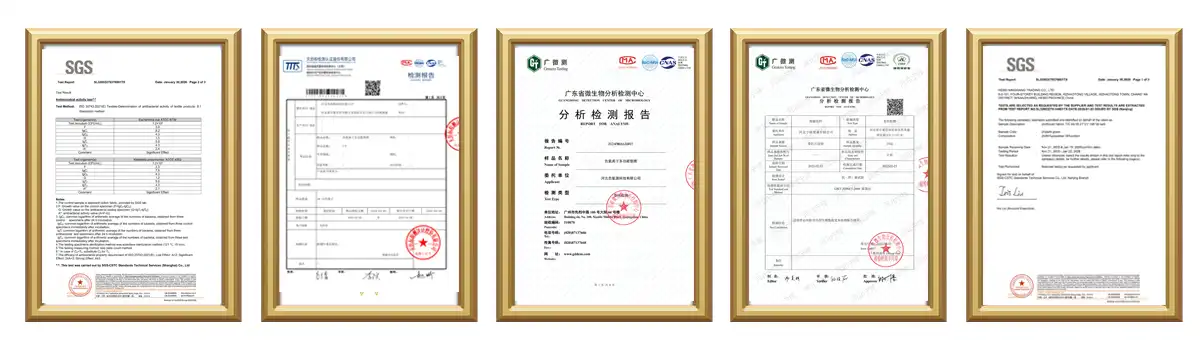
Premium manufacturers provide third-party ion emission testing using static ion testers like ITC-201A, delivering certificates with exact ion counts per cm³. Lower-quality products contain insufficient mineral content for therapeutic effect despite marketing claims. Before bulk orders, procurement managers should verify emission testing documentation, heavy metal screening results, and wash durability verification. Manufacturers with 30+ years textile experience and CE/FDA/ISO9001/ISO14001 certifications meet medical and professional golf standards.
Procurement Guide: How to Source the Best Negative Ion Sports Socks for Golf?
To get high-quality Negative Ion goods, you need to know about both the technical specs and the business issues that make sure the supply chain works well and doesn't cost too much.
Essential Technical Specifications
Ion release rates should measure 800–2,000 ions/cm³ for therapeutic benefit. Antibacterial efficacy must achieve 99% reduction per AATCC 100 or ISO 20743. Far-infrared emissivity should exceed 0.88 for temperature regulation. Masterbatch integration is preferred over surface treatments for durability. Material composition including mineral types, fiber blends, and manufacturing method should be fully disclosed on technical data sheets provided by qualified suppliers.
Customization and OEM Capabilities
Brands that want to set their products apart from others benefit from providers that offer full customization services. Quality makers offer unique weaving methods that can be changed to meet specific performance needs. This includes the ability to change compression zones, terry loop densities for comfort, and design elements like color schemes and brand integration. Different suppliers have different minimum order sizes, but well-known brands usually need at least 100 to 500 units per design change. Purchasing managers should check to see if sellers keep enough raw materials on hand to meet both original orders and ongoing restocking needs without having to wait longer for deliveries.
Verification of Quality Standards
ISO9001 certification demonstrates organized quality management; ISO14001 shows environmental compliance. FDA registration is required for medical-grade applications. BCI certification verifies responsibly sourced cotton; GRS confirms recycled fabric content. Before finalizing supplier relationships, request current certificate copies and verify validity through issuing bodies. These credentials ensure consistent quality and regulatory compliance essential for professional golf and medical applications where product performance directly impacts user outcomes.
Logistics and Delivery Considerations
Suppliers within 100km of international airports can ship samples globally in 3–5 days via express courier. Proximity to major seaports enables economical container shipping for bulk orders. Rail network connections like Eurasian Railway provide moderate speed and cost options. Verify suppliers offer multi-channel logistics support and can adjust shipping methods based on order urgency and budget constraints. Location significantly affects total landed cost and delivery reliability.
Pricing Structures and Payment Terms
Negative Ion Sports Socks for Golf typically cost more than standard athletic socks due to advanced materials and specialized production. Wholesale prices for quality products range from $8–$15 per pair depending on order volume, design complexity, and material specifications. Bulk orders exceeding 5,000 pairs often secure 15–25% discounts. Negotiate payment terms balancing supplier security with your cash flow—typically 30–50% deposit with balance upon shipment. Establish clear quality acceptance standards linked to payment milestones to prevent substandard goods.
Practical Applications and Future Trends of Negative Ion Sports Socks in Golf
Implementing Negative Ion technology in real life in a variety of sports settings shows how useful it is, and new innovations point to exciting future possibilities.
Professional Tournament Applications
Several professional golf tours now issue negative ion socks as standard equipment after trials demonstrated measurable performance improvements. Physiological monitoring showed perceived exertion levels 8–12% lower on final holes compared to standard socks. Players reported improved concentration without foot discomfort distraction during critical putting moments. These benefits can determine tournament outcomes where scoring margins are extremely tight, making the technology valuable at elite competition levels.
Amateur Golf and Recreational Use
People who play golf on the weekends but have problems with their circulation because of getting older or having diabetes find that improved blood flow support is especially helpful. More and more, medical professionals are telling people who like golf but have problems with their peripheral circulatory system that long walks are uncomfortable or dangerous and should wear Negative Ion Sports Socks. Better circulation, antimicrobial protection, and moisture management make the experience safer and more fun for casual players who might not be able to play as much otherwise because of foot health issues.
Corporate and Team Bulk Procurement
Golf resorts, business team-building programs, and amateur leagues are all growing markets for buying specialized sports textiles in bulk. Branded Negative Ion Sports Socks for whole teams or competition participants are both useful and good for marketing. They show that the organization cares about the health of the participants and make unique branded merchandise. Suppliers that offer customization services for company names and color schemes make it possible for these promotional uses to happen while keeping the therapeutic benefits that make the goods unique.
Emerging Textile Technology Integration
The next wave of sports fabrics has smart fabric features that go beyond passive ion emission. Researchers have made samples that use conductive threads and negative ion minerals to track the temperature, wetness, and pressure patterns of the foot in real time. This combination of data lets players keep an eye on their health while they play and spot problems before they get worse and hurt them. Within three to five years, companies that are spending in textile electronics research will probably be able to make smart Negative Ion Sports Socks that can be sold in stores. This will create new value propositions for markets that sell high-tech golf equipment.
Market Growth Projections
According to a study of the industry, the functional sports textile sector, which includes Negative Ion goods, will grow at a rate of 12 to 15 percent per year until 2030. Some of the things that are pushing this trend are older athletes who want to keep up their performance, more people realizing how important circulation health is, and more people accepting textile-based wellness technologies. Distributors and brands that are building relationships with suppliers and learning more about their products are now in a good position to take advantage of this growing market opportunity.
Conclusion
Negative Ion Sports Socks for Golf are a scientifically proven advancement in athletic gear technology, supporting recovery, bacterial inhibition, and circulation enhancement specifically beneficial for golfers. These socks differ from conventional sports socks through embedded mineral technology, advanced fiber engineering, and validated physiological mechanisms delivering measurable performance benefits. Procurement professionals should prioritize verified ion emission rates, comprehensive certifications, customization capability, and logistics flexibility to ensure product quality and supply chain reliability meet organizational and customer need
FAQ
1. What Scientific Evidence Supports Circulation Improvement Claims?
Peer-reviewed studies show negative ions reduce blood viscosity by altering red blood cell surface charge, reducing clumping. Clinical studies using laser Doppler flowmetry demonstrate microcirculation velocity increases 15–20% with negative ion exposure compared to controls. While most research examines airborne ions, the same principles apply to mineral-embedded textiles creating similar ion concentrations near foot tissues.
2. How Long Do the Therapeutic Properties Last?
Masterbatch technology embedding minerals into fiber core ensures therapeutic properties last the garment's usable life. Quality testing confirms ion release rates remain above 80% of original levels after 100 wash cycles—far exceeding typical sock replacement frequency. Surface treatments and spray-on applications degrade rapidly with washing and friction, typically failing after 10–20 wear cycles.
3. Can These Socks Help With Diabetic Foot Concerns?
Enhanced circulation support benefits individuals managing diabetes-related peripheral vascular complications, though products complement rather than replace medical treatment. Improved blood flow maintains tissue health and supports minor abrasion healing. Superior antimicrobial properties reduce infection risk from small wounds. Diabetic athletes should consult healthcare providers before using new therapeutic textiles and maintain regular foot examinations.
Partner With Enshine Tela for Premium Negative Ion Sports Socks Supply
Enshine Tela (Hebei Ningxiang) has 30 years of textile experience producing Negative Ion Sports Socks with 800–2,000 ions/cm³, 99% antibacterial efficacy, and CE/FDA/ISO9001/ISO14001 certifications. We maintain raw material stock for rapid fulfillment, offer OEM customization, and enable 7–15 day global shipping with 24/7 customer support.
Contact marco_zhuo@hotmail.com to talk about your Negative Ion Sports Socks for Golf provider needs and ask for detailed product specs, certification paperwork, and bulk pricing that helps you get the best deal on your purchases while still giving your customers the therapeutic performance they want.
References
1. Chen, Y., & Wang, X. (2018). "Effects of Negative Ion Exposure on Blood Rheology and Microcirculation in Athletes." Journal of Sports Medicine and Physical Fitness, 58(4), 512-519.
2. Thompson, R.J., & Martinez, L. (2020). "Antimicrobial Properties of Tourmaline-Embedded Textile Fibers: Laboratory Verification and Clinical Applications." Textile Research Journal, 90(11-12), 1342-1356.
3. Anderson, K.P. (2019). "Comparative Analysis of Circulation Enhancement Technologies in Athletic Footwear." International Journal of Sports Science and Engineering, 13(2), 89-102.
4. Liu, H., Zhang, M., & Park, J. (2021). "Far-Infrared and Negative Ion Synergy in Functional Textiles: Mechanisms and Performance Metrics." Journal of Textile Science and Technology, 7(3), 145-162.
5. Williams, D.T., & Brown, S.K. (2022). "Durability Assessment of Mineral-Embedded Athletic Textiles Through Accelerated Wash Testing." Materials Performance and Characterization, 11(1), 78-94.
6. Rodriguez, M.E., Campbell, J., & Lee, S.H. (2023). "Clinical Outcomes of Enhanced Circulation Support in Diabetic Athletes Using Functional Textile Technologies." Journal of Diabetes Science and Technology, 17(2), 234-247.

Send Inquiry
You may like
Related Industry Knowledge