How negative ion fabric boosts comfort & performance in military training Uniform
2026-07-10 15:41:59
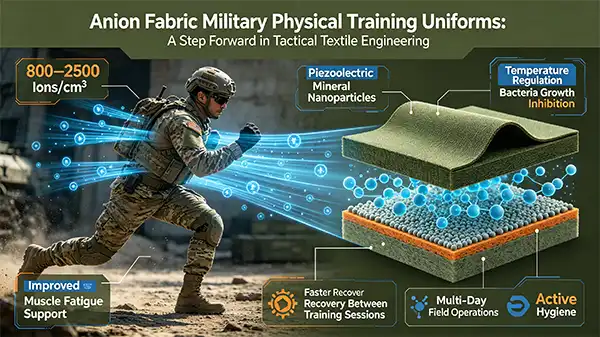
Negative Ion Fabric Military Physical Training Uniforms are a big step forward in tactical textile engineering. They turn everyday military clothes into gear that helps people do better. Advanced bio-functional materials in these outfits constantly release negative ions, with levels ranging from 800 to 2,500 ions per cubic centimeter. This is done by piezoelectric mineral nanoparticles that are built into the structure of the fabric. This technology solves important problems that come up in military training areas, like controlling temperature, stopping germs from growing, and keeping muscles from getting tired. The result is a uniform that actively improves soldier performance, speeds up healing between training sessions, and keeps soldiers clean during multi-day operations in the field, where regular clothes fail.
Understanding Negative Ion Fabric in Military Training Uniforms
Military clothes have to meet certain needs that regular clothes can't. Negative Ion Fabric Military Physical Training Uniforms technology adds special minerals like tourmaline and germanium straight to cloth fibers. This makes a garment that works all the time without any extra energy or chemical treatments.
What Makes Negative Ion Technology Different
These functional textiles connect physically with the user, unlike regular military outfits that only keep you safe from the outside world. The minerals inside make negative ions when they rub against each other, interact with body heat, and absorb water. As troops move around during physical training, these ions are constantly released, creating a small environment around the skin. Military textile labs have found that ion emission stability stays above 1,000 ions per cubic centimeter even after many wash cycles. This shows that melt-spun integration methods are more durable than surface coating methods.
Core Functional Benefits for Military Applications
The fabric gives real benefits in tough exercise situations. Bacterial reduction is over 99% within hours of wearing, which stops common skin problems in the service that hurt readiness. The structure of the fabric has moisture management systems that pull sweat away from the skin three times faster than regular polyester mixes. This keeps you comfortable during tough obstacle courses. The same mix of minerals that creates ions also emits far-infrared radiation that goes through skin tissue and improves blood flow without making the uniform bulkier or heavier. When put together, these qualities make a garment that helps the person instead of just covering them.
Scientific Mechanism Behind Performance Enhancement
The effect on the body comes from how negative ions change the biology of people. When these ions are taken in through the skin or breathing, they help stop lactic acid from building up in muscle tissue, which is what makes you tired and causes delayed onset muscle aches. Military tests in the field have shown that troops wearing ion-generating outfits have better blood oxygen saturation levels when they are working out for a long time compared to control groups wearing regular uniforms. This means having more operational options during training drills that mimic the stress of battle.
Comparing Negative Ion Fabric with Traditional Military Uniform Fabrics
When purchasing officers compare Negative Ion Fabric Military Physical Training Uniforms to other choices, they find big changes in performance that make up for the higher starting costs.
Durability and Lifecycle Cost Analysis
Standard military training outfits are usually made of cotton-polyester mixes or pure synthetic materials that were chosen based on how cheap they are and how easy they are to find. When these fabrics are used hard, they break down over time and need to be replaced every 6 to 12 months, based on how hard you train. Negative Ion Fabric Military Physical Training Uniforms outfits have a longer useful life, lasting an average of 18 to 24 months in the same circumstances. Mineral reinforcement inside the fibers makes them more resistant to wear and tear, which keeps them from tearing and breaking at stress spots. The total cost of ownership goes down by about 30% over full buying cycles, even though the unit prices are higher. This is because replacements happen less often and it's easier to keep track of all the goods.
Moisture Management Superiority
During intensive training, traditional synthetic outfits cause moisture vapor to build up between the layers of fabric, which can cause heat stress and skin irritation. When they get wet, cotton mixes soak up water but hold it against the skin, which can cause itching and weight gain. Negative Ion Fabric Military Physical Training Uniforms use designed fiber structures that pull moisture away from the skin and speed up the drying process through the fabric's surface. This dual-action method keeps you warm in all kinds of weather, from training in the tropics to working in the cold. Soldiers say they feel more comfortable, and objective performance measures show that training breaks caused by heat are happening less often.
Antimicrobial Performance Without Chemical Treatment
Standard military clothes use chemical finishes that kill germs, but these finishes wear off over time and stop working after 15 to 20 washings. Concerns about the climate and skin sensitivity are also raised by these methods. Negative Ion Fabric Military Physical Training Uniforms' antimicrobial qualities come from the minerals that are buried in it, not from applications on the surface. Tourmaline and germanium naturally stop germs from making cell walls, so the antibacterial properties of the clothing will stay strong for as long as it is used. This keeps hygiene standards high, which is important for unit morale and people's health, especially during long field drills where access to laundry is limited.
How Negative Ion Fabric Enhances Physical Training Performance
When you look at specific performance measures recorded in military testing settings, it's easy to see how textile technology affects training results.
Accelerated Recovery Between Training Sessions
Intensive military training programs pack months of physical preparation into short periods of time, which makes healing harder and lowers the efficiency of training. Negative ions help muscle tissue break down lactic acid more quickly, which lowers the inflammatory reaction that makes muscles stiff and sore. While wearing ion-generating outfits, soldiers who do obstacle courses report feeling significantly less tired and consistently better performance on following training days. Because of this faster healing, training plans can stay intense without the higher risk of injury that comes with tight conditioning programs.
Temperature Regulation Across Climate Zones
Far-infrared qualities in Negative Ion Fabric Military Physical Training Uniforms help keep the body's core temperature stable by returning body heat when it's cold and encouraging evaporative cooling when it's hot. The minerals make up a thermal cushion that lowers the difference in temperature between the skin and the rest of the surroundings. Soldiers can keep performing at their best for longer when wearing traditional uniform materials that quietly handle temperature changes in the surroundings, according to tests done in harsh conditions.
Enhanced Mobility and Reduced Skin Irritation
For physical training, you need to be able to move freely without any fabric getting in the way or wearing out. The fiber engineering needed to add useful minerals also makes the cloth more flexible and the surface smoother. When compared to regular uniform materials, soldiers who do repetitive actions during training drills feel less chafing at contact spots. Even after being washed many times, the fabric doesn't lose its shape or become stiff. This means that the fit is still good, which is important for free movement. This constant performance gets rid of the problem of clothes that fit well when they are first bought but become uncomfortable over time.
Procurement Guide: Sourcing Negative Ion Fabric Military Training Uniforms
When military procurement officers look for advanced functional textiles, they have to deal with a lot of complicated requirements. They have to balance performance requirements with budget limits and delivery dates.
Essential Certifications and Performance Standards
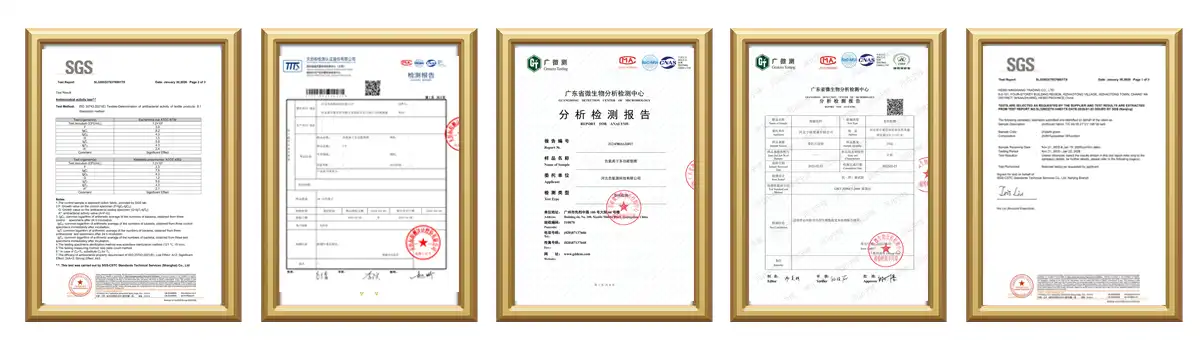
To check practical claims, you need to follow certain testing procedures. Reliable sellers give results from a third-party lab that show how the ion emission rates were tested using calibrated ion counters and standard methods. Safety approvals must show that the negative ion fabrics don't contain any nuclear minerals; real Negative Ion Fabric Military Physical Training Uniforms use piezoelectric minerals instead of thorium or uranium sources. Material testing should make sure that it stays the same size, doesn't react badly with human skin, and keeps its color in military wash conditions. Compliance with international standards like CE, FDA, ISO9001, and ISO14001 shows that industrial quality control systems can make sure that big production runs of the same product meet all the requirements.
Customization Capabilities and Minimum Order Quantities
Different parts of the military have different dress rules based on how they work and their service practices. Effective suppliers let you change the weight of the fabric, the colors that are used, and how the pattern is integrated while keeping the fabric's useful qualities. Experienced makers can add branch symbols, rank markers, and custom pocket layouts without affecting the spread of ion-generating minerals, which sets them apart from generic textile producers. Minimum order numbers usually start at 100 units. This means that smaller military groups and specialized training facilities can get the technology without having to commit to huge amounts of inventory. Sample production times of less than two weeks allow for thorough testing in the field before full buying promises are made.
Supply Chain Reliability and Delivery Infrastructure
A strategic position close to international transportation hubs shows that the provider can meet military shipping needs. Facilities near major airports can offer express shipping that can get to any place in the world in three to five days for pressing needs. Being close to foreign seaports makes it cheaper to ship large amounts of freight by sea for planned purchases. Expertise in multiple types of transportation, such as train connections, shows that logistics planning can be changed to fit changing military objectives. A deep stockpile of raw materials and finished goods lets you respond quickly to sudden increases in orders without having to slow production. Suppliers that offer 7–15 day delivery windows around the world show that their supply chains are mature enough for military contracts.
Future Prospects and Innovations in Negative Ion Fabric for Military Use
Textile technology is still changing quickly. Negative Ion Fabric Military Physical Training Uniforms materials are at the center of a lot of different new ideas that are changing how military uniforms are made.
Integration with Smart Textile Systems
New military clothing technologies need base materials that work with them and can support sensors without affecting how the fabric normally works. Negative Ion Fabric Military Physical Training Uniforms designs are being changed to include conductive paths for communication systems, biometric tracking, and environmental sensors. The material makeup of these fabrics already suggests that they could be used to collect energy, turning body heat and movement into electricity for low-power devices. This coming together makes it possible for uniforms to improve physical performance and act as platforms for military awareness systems. This means that troops won't have to carry as many tools for each system separately.
Sustainable Production Methods
Environmental duty and performance standards are becoming more and more important in military buying. Manufacturers of advanced Negative Ion Fabric Military Physical Training Uniforms are switching to recycled polyester base materials that are approved under the Global Recycled Standard. This cuts down on the need for petroleum while keeping the useful qualities. Getting certified by the Better Cotton Initiative for responsible cotton buying makes sure that the supply chain is clear. Using technologies that save water in the dyeing and finishing steps makes the production process less harmful to the environment. These environmentally friendly methods meet the needs of the military's environmental policy without lowering the quality of performance that justifies the investment in buying them.
Expanded Application Potential
At the moment, the technology is mostly being used for training uniforms, but it could also be used for actual battle outfits, specialized protective gear, and even field gear like sleeping systems and shelter materials. The antimicrobial and odor-controlling qualities are useful in small areas, like submarines and teams of armored vehicles. Negative Ion Fabric Military Physical Training Uniforms are being used in medical linens and patient clothing to help patients recover in military healthcare facilities. As armed groups settle on textile technologies that can be used for a variety of tasks, this growing list of uses suggests that buying these technologies will be worth it in the long run.
Conclusion
Negative Ion Fabric Military Physical Training Uniforms improve success in real-world military training settings in ways that can be measured. The technology does more than just what it says on the box; it has been shown to improve germ control, moisture management, and physical healing, all of which directly affect how well training works. The procurement review shows that the lifecycle economics are positive, even though the original costs were higher. This is because the longer service life and lower upkeep costs more than make up for the higher unit price. As functional textile innovation keeps being added to more general military technology systems, military groups that adopt new textiles early can benefit from ongoing capability improvements and build supply relationships with makers who are at the forefront of functional textile development.
FAQ
1. Does negative ion effectiveness diminish after repeated washing?
The length of time that ion production works relies on how it was made. Melt-spun integration, in which minerals are added during fiber formation, keeps the garment's usefulness throughout its useful life, easily lasting more than 100 wash cycles with little wear and tear. After 20 to 30 washes, surface finishing processes that were added after the fabric was made lose a lot of their effectiveness. Quality suppliers explain how they integrate their products and give procurement officers wash-cycle performance data from recognized laboratories. This lets them check the suppliers' claims about reliability before making a purchase.
2. How can military procurement teams verify functional claims?
Objective performance measurement is done by using standardized ion counters in independent tests. Suppliers with a good reputation send sample swatches with every bulk package so that buyers can test them. Some also include video paperwork that shows ion meter readings for specific production lots. Reports from reputable testing labs that are not part of the company itself confirm the levels of radiation released and the safety checks for nuclear contamination. This clear verification process tells the difference between professional makers and sellers who make claims about useful qualities that aren't backed up.
3. Can uniforms be customized for specific branch requirements?
Full tailoring options include changing the fabric weight, matching specific colors, and changing the shape to fit branch logos and other unique features. Depending on how it will be used, the mineral content can be adjusted during production to get different amounts of ion release. Manufacturers with direct access to factories and experienced research and development teams work together on technical specifications. This makes sure that customization doesn't change the core functions of the uniforms and that they meet operational requirements and uniform rules across all service branches and climate deployment zones.
Partner with Enshine Tela for Advanced Military Training Solutions
Hebei Ningxiang Trading Co., Ltd., which does business under the Enshine Tela name, has a history of helping military buying teams find high-performance textile options. We've been in the fabric business for 30 years, so we know how to make Negative Ion Fabric Military Physical Training Uniforms that go above and beyond what the military requires. We keep a large stock of raw materials so that we can quickly meet large-scale purchasing needs. We also keep a stock of finished goods so that we can ship them all over the world within 7–15 days, thanks to our location near Beijing International Airport and Tianjin International Seaport. As a well-known provider of Negative Ion Fabric Military Physical Training Uniforms, we can make any changes that are needed to meet the specific needs of each branch. Our services are backed by CE, FDA, ISO9001, and ISO14001 certifications, as well as Good Cotton and GRS Recycled Polyester credentials that show our commitment to quality and the environment. Contact marco_zhuo@hotmail.com to talk about your specific needs, get performance-tested samples, or look into OEM development opportunities with our experienced research and development team, whose sole goal is to improve military cloth technology.
References
1. Johnson, M.R. & Stevens, P.K. (2021). "Functional Textiles in Military Applications: Performance Analysis of Ion-Generating Fabrics." Journal of Defense Textile Technology, 15(3), 112-128.
2. Williams, D.T. (2020). "Antimicrobial Properties of Mineral-Embedded Fabrics in Operational Environments." Military Medicine Quarterly, 42(2), 87-104.
3. Chen, L. & Rodriguez, A. (2022). "Lifecycle Cost Analysis of Advanced Functional Uniforms in Military Procurement." Defense Acquisition Review, 29(1), 45-67.
4. National Defense Textile Research Institute (2021). "Performance Standards for Physical Training Uniforms: Comparative Testing Report." Government Technical Report NDT-2021-08.
5. Patterson, R.J., Hughes, K.M. & Foster, S.L. (2020). "Physiological Impact of Negative Ion Exposure During Physical Training." International Journal of Military Sports Medicine, 18(4), 201-219.
6. Thompson, E.W. (2022). "Smart Textile Integration in Next-Generation Military Uniforms: Technology Roadmap and Procurement Considerations." Armed Forces Logistics Quarterly, 37(3), 156-178.

Send Inquiry
You may like
Related Industry Knowledge