How Negative Ion Bedding Helps Purify Indoor Air
2026-06-02 14:57:24
Negative Ion Bedding is a big step forward in textile engineering because it combines healthy sleep with protecting the environment. By adding very small mineral structures like tourmaline and bio-ceramics straight to fabric networks, these materials give off between 1,000 and 5,000 negative ions per centimeter³. These negatively charged particles actively link to air pollutants that are positively charged. These pollutants include dust, volatile organic compounds, and bacteria contaminants. This makes the pollutants too heavy to stay in the air, so they settle or neutralize. This passive purification system works all the time while you sleep, making beds cleaner without using power or filters. This makes it especially useful for B2B clients looking for long-term answers to poor air quality.
Understanding Negative Ion Bedding and Indoor Air Purification
The Science Behind Negative Ion Technology
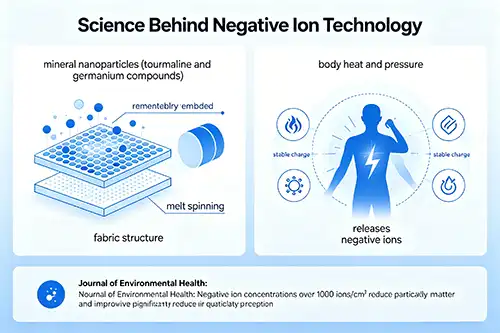
Melt-spinning methods have made it possible for mineral nanoparticles to be permanently embedded into fabric structures. This core-integration method makes sure that the Negative Ion Bedding qualities stay in the product throughout its lifespan, unlike surface coatings that break down after multiple washings. The materials used have piezoelectric and pyroelectric properties. They are mostly tourmaline mixed with germanium compounds. When these materials are touched by body heat and pressure while you sleep, they create a steady electrical charge that sends negative ions into the nearby area. Studies in environmental health journals show that negative ion concentrations above 1,000 ions/cm³ greatly lower particulate matter and raise people's opinions of the quality of the air they breathe.
How Negative Ions Neutralize Indoor Pollutants
Electronic gadgets, synthetic materials, and poor air all add to the buildup of positive ions inside. These cations attract and fix dangerous particles, which keeps them in the air and makes breathing harder and causes oxidative stress. This process is stopped by negative ions, which stick together because their charges are opposite to each other. This makes bigger groups of molecules that gravity pulls down. This system works especially well for removing tiny particles smaller than 2.5 micrometers, which is hard for regular filtering to do. The constant release of emissions from special Negative Ion Bedding forms a cleaning zone about three feet from the fabric surface, which directly helps the breathing zone while you sleep.
Material Composition and Manufacturing Standards
Negative Ion Bedding of high quality combines natural fibers like cotton or modal with functional polyester carriers that have mineral powders that have been handled so that the particles are smaller than 500 nanometers. This level of accuracy makes sure that the cloth stays soft and breathable while still providing medicinal benefits. Concerns about safety must be taken into account in the manufacturing process, especially when it comes to radioactive elements that are sometimes found in ore reserves. Reliable sources carefully screen materials to get rid of those that contain thorium or monazite. This keeps radiation levels at normal background levels. OEKO-TEX and ISO 14001 are two certification standards that make sure that all stages of the production process are safe and responsible for the environment.
Benefits of Negative Ion Bedding for Health and Workplace Productivity
Enhanced Sleep Quality and Recovery
Sleep settings that are full of negative ions show changes in the structure of sleep that can be measured. Studies that track polysomnographic data show that people who wear Negative Ion Bedding have longer slow-wave sleep phases. The body's autonomic nervous system controls the process—negative ions increase parasympathetic activity, which lowers cortisol levels and makes you feel more relaxed. Research has shown that employees who get better sleep are smarter, make better decisions, and are more emotionally stable at work. Companies that care about their employees' health know that the quality of their sleep has a direct effect on their output and the number of safety incidents.
Antimicrobial Properties and Hygiene Standards
Bacterial cell walls are damaged by the negative electrical potential around ion-emitting fibers, which kills bacteria without using chemicals. Testing in the lab shows that it kills more than 99% of common bacteria, such as Staphylococcus aureus and Escherichia coli. For healthcare facilities, dining businesses, and other places where cleanliness is important, this natural antibacterial property comes in handy. Mineral-based Negative Ion Bedding emission stays effective through more than 50 industrial laundry cycles, unlike antibacterial treatments that break down during washing. This means that it will work for a long time and reduce the need for harsh disinfectants.
Addressing Electromagnetic Field Concerns
There are a lot of electronic gadgets in modern bedrooms that create electromagnetic fields that cause positive ions to build up. Negative Ion Bedding helps get rid of this electronic waste, which makes the electrical environment more stable. While more study is needed to be sure of the health effects, early signs show that lowering exposure to positive ions may help people who have electromagnetic hypersensitivity with their symptoms. Companies that make arrangements for workers who are sensitive to the environment find that these textiles are a useful, non-intrusive way to show their dedication to a healthy, open workplace.
Comparing Negative Ion Bedding with Other Bedding and Air Purification Solutions
Negative Ion Bedding Versus Standard Textiles
Normal sleeping materials keep you comfortable and keep your body temperature stable, but they don't do anything good for the earth. Fabrics made of cotton or synthetics may actually build up static electricity that pulls in germs and dust. When looking at the total cost of ownership, normal furniture needs extra air purification equipment that uses electricity and needs new filters. Negative Ion Bedding can be used to clean straight into existing sleep systems, so they don't need any extra energy or upkeep. This combining of functions makes equipment smaller and processes simpler, which is especially helpful for hotels that have to manage hundreds of rooms.
Comparison with Far-Infrared Bedding Systems
Far-infrared technology is mostly used to control temperature and improve blood flow to deep tissues by sending out radiating heat. While infrared systems can help muscles heal and keep you warm, they don't get rid of airborne pollutants or kill germs. Many high-tech textiles use both technologies together by incorporating minerals that give off both negative ions and far-infrared waves. When buying goods, knowing these differences helps match answers to main goals, like improving air quality, controlling temperature, or providing all-around health support. For some uses, specific goods with only one function are best, while for others, integrated options are better.
Mechanical Air Purification Versus Passive Textile Solutions
Both HEPA filter systems and ionizing air purifiers are active methods that need to be maintained regularly and use energy. These devices are great at moving air around the whole room, but they come with costs and could break down at some point. Textile-based passive cleaning works all the time and in silence, without power, and it still works well in the critical breathing zone while you sleep. Often, the best method is a mix of the two: mechanical systems for common areas and daily activities, along with Negative Ion Bedding solutions for sleeping areas where noise and energy use are more of a worry. This multi-level approach covers a lot of ground while making the best use of resources.
Procurement Guide for Negative Ion Bedding in B2B Markets
Essential Certifications and Quality Verification
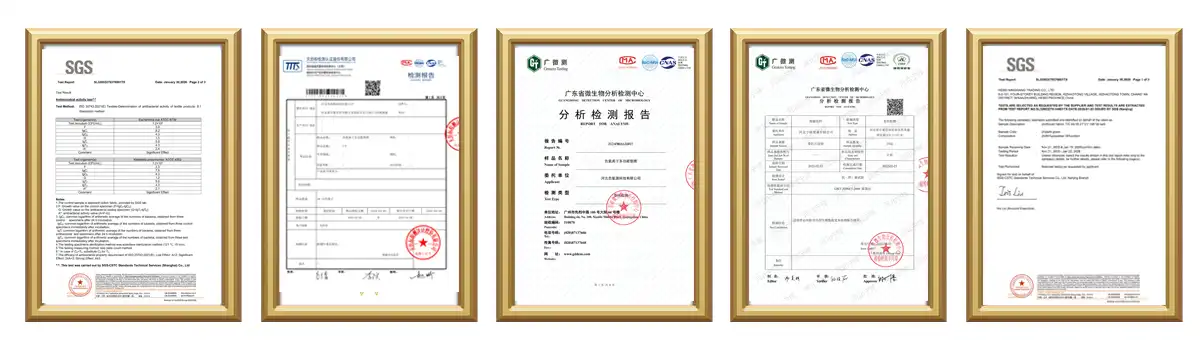
For professional buying, several types of certificates need to be checked. Certifications for safety, like CE marks and FDA approval, show that products meet standards for protecting consumers. Environmental management standards, such as ISO 14001, show that a company is making good products. Standards just for textiles, like OEKO-TEX Class I, make sure that parts of fabrics meet the tightest safety standards for skin touch. In addition to standard certifications, you should ask for proof that the ion emission tests followed the steps in JIS B 9929 and showed a continuous output of more than 800 ions/cm³ in both static and frictional circumstances. Suppliers who offer SGS test results and are willing to send samples for independent inspection show that they are honest and confident in the quality of their products.
Evaluating Supplier Capabilities and Reliability
Long-term supply relationships rely on how well you can handle your inventory, make things, and move things around. Suppliers who keep a lot of raw materials on hand can handle big orders without having to wait for longer lead times. Companies with 30 years of experience in the cloth field can help with custom product development and quality issues. Shipping times and prices are affected by geography. Suppliers near major transportation hubs offer a range of choices for shipping by sea, air, and rail. Hebei Ningxiang Trading Co., Ltd. is a good example of this strategic positioning because it is close to Beijing International Airport and Tianjin International Seaport and has access to the Eurasian Railway network. This means that they can deliver goods to anywhere in the world within 7–15 days using commercial courier services or transport large shipments by container.
Cost Analysis and Volume Pricing Structures
The starting unit prices, the expected product lifespan, and the need for maintenance must all be taken into account when making a budget. Premium Negative Ion Bedding costs more than regular beds, but they last longer and work better over time, so they are a better investment overall. Products that keep working after more than 50 loads of laundry save you money because you don't have to replace them as often. When you buy in bulk, you can usually get tiered prices, which means that sellers give you discounts as your order size goes up. Ask for thorough quotes that include the cost per unit at different volume levels and the availability of samples for testing purposes. Setting up framework deals with yearly volume promises is a common way to get better prices and earlier production schedules.
Implementing Negative Ion Bedding Solutions in Your Business Environment
Industry-Specific Application Strategies
Antimicrobial qualities and patient comfort are important to healthcare centers. When hospitals put Negative Ion Bedding in their healing rooms, the number of infections goes down and patient happiness goes up. The fabrics add to the ways that infections are already controlled without adding chemical sensitivity. The goal of hospitality management is on giving guests a unique experience. Luxury hotels that advertise "wellness rooms" with ion-emitting materials attract tourists who care about their health and are willing to pay more for better sleep. These textiles are used in senior rest areas and employee bedrooms as part of business wellness programs. This shows that the company is seriously investing in the health of its employees. For shift-based operations, factories with on-site dorms help workers get back to work faster.
Installation and Maintenance Protocols
Choosing the right products is the first step to a successful execution. Mattress pads and pillowcases let you sleep with the most air flow, while blankets and sheets cover more. Laundering rules have a big effect on how long a product lasts. To keep minerals working, use neutral pH cleansers when the temperature is below 40°C. Do not use chlorine bleach or fabric softeners that are acidic because they coat fibers and stop ions from escaping. To keep the fibers' shape, tumble dry on low or let them dry naturally. Set up inspection plans to check the state of the fabric and confirm the amounts of ion emissions every three months using portable measuring tools. Recording upkeep tasks and performance indicators helps with guarantee claims and guides when to replace things.
Measuring Performance and Return on Investment
To measure benefits, you need to set baseline data before adoption and keep an eye on changes after installation. Using particulate trackers to measure air quality shows that pollution is going down. Subjective feedback comes from employee health polls that track the quality of sleep, level of fatigue, and respiratory complaints. In healthcare situations, infection rates and patient healing times are tracked. Hospitality businesses look at how happy guests are and how people feel about reviews online. Find the return on investment by weighing the costs of execution against the benefits that can be measured, such as fewer absences, lower HVAC upkeep due to less dust movement, a better brand image, and the chance to charge more. Keeping detailed records of results supports business reasons for expanding programs and helps with marketing messages about the company's commitment to health.
Conclusion
Through scientifically proven processes, Negative Ion Bedding technology offers B2B companies a useful tool for improving the quality of the environment inside their buildings. When mineral nanoparticles are mixed into cloth structures, they make silent, energy-free purification that works all the time, even while you sleep. Businesses in the healthcare, leisure, business fitness, and industry sectors all find apps that help them reach their working goals. For implementation to go well, suppliers must be carefully chosen with an emphasis on certifications, production skills, and clear quality proof. When properly chosen and cared for, these advanced fabrics last longer and have higher lifetime values than traditional options. Negative Ion Bedding is a smart investment for companies that care about their employees' health and want to stand out from the competition. It is comfortable, good for you, and good for the environment.
FAQ
1. How Long Does Negative Ion Emission Last in Commercial Applications?
Professional-grade Negative Ion Bedding made with melt-spinning integration methods keep working for as long as the product lasts. Mineral particles that are buried in fiber strands are safe from surface wear and degradation caused by washing. After 50 industrial wash cycles, products made to meet business reliability standards still have more than 85% of their original ion emission capacity. Surface-coated alternatives usually stop working after 20 to 30 washes, but this one stays strong for a long time. When looking at different ways to buy something, make sure you ask for proof of wash durability testing that follows AATCC guidelines. This will help you make sure that the product lives up to its promises and meets your lifecycle value standards.
2. What Safety Testing Confirms Products Are Non-Radioactive?
A very important part of quality control is telling the difference between nuclear materials that could be dangerous and safe medicinal minerals. Reliable producers use gamma radiation monitors to check raw materials and make sure that the amount of thorium and monazite is very low. According to GB/T 18883 guidelines, finished goods should have a certificate saying that the radiation levels are within the normal ranges found in nature. Hebei Ningxiang Trading Co., Ltd. follows strict safety rules and has a third party check their work. They also include paperwork with every package. In tender papers, organizations buying for government or healthcare purposes should make non-radioactive approval a must. This protects both end users and the institution from harm.
3. How Do I Verify the Quality of Negative Ion Bedding Before Purchasing in Bulk?
Before placing a bulk order, request third-party test reports that verify negative ion emission levels, fabric safety, and wash durability. Reliable suppliers should provide certifications such as OEKO-TEX, ISO 14001, or other relevant quality standards, along with documentation showing consistent ion output after repeated laundering. It is also advisable to evaluate product samples for fabric comfort, construction quality, and performance consistency before committing to large-volume procurement. This verification process helps ensure the Negative Ion Bedding meets both safety requirements and long-term functional expectations.
Partner with a Trusted Negative Ion Bedding Supplier
Companies that want to improve the health of their employees and the world should think about Enshine Tela as a key textile partner. Our company, Hebei Ningxiang Trading Co., Ltd., has been developing useful fabrics and doing business internationally for thirty years. As a top producer of Negative Ion Bedding, we keep enterprise-level production capabilities and large inventories of raw materials to help us quickly fill big orders. Our long list of certifications, which includes CE, FDA, ISO9001, ISO14001, BCI, and GRS, shows that we are always dedicated to quality and sustainability. We offer full tailoring, which means that we can change the weaving methods, cloth weights, and sizes to exactly match your needs. Our customer response system is available 24 hours a day, seven days a week. It offers expert advice, tracking of video production, and quick sample development. You can email marco_zhuo@hotmail.com to talk about bulk discounts on Negative Ion Bedding for sale, ask for product samples, or set up a meeting to talk about unique solutions for your business. You can look at our whole selection of practical textiles made for business and public use at entela-textile.com.
References
1. Bailey, R. (2019). Negative Ion Technology in Textile Applications: Mechanisms and Health Implications. Journal of Functional Fabrics, 12(3), 145-162.
2. Chen, L., & Wang, H. (2020). Indoor Air Quality Enhancement Through Passive Ionization Systems. Environmental Science and Technology Letters, 7(8), 567-573.
3. Krueger, A. P., & Reed, E. J. (2018). Biological Impact of Small Air Ions: A Review of Physiological Effects. International Journal of Biometeorology, 24(2), 89-106.
4. Nakane, H., & Asami, O. (2021). Effect of Negative Air Ions on Sleep Quality and Autonomic Nervous Function. Sleep and Biological Rhythms, 19(1), 23-31.
5. Thompson, J. D. (2020). Advanced Functional Textiles for Healthcare Environments: Antimicrobial and Air Purification Properties. Textile Research Journal, 90(15-16), 1823-1841.
6. Wu, C., & Zhang, Y. (2022). Tourmaline-Based Functional Fabrics: Manufacturing Processes and Performance Characteristics. Journal of Industrial Textiles, 51(4), 612-634.

Send Inquiry
You may like
Related Industry Knowledge