How does negative ion fabric improve sleep quality in camping gear?
2026-06-29 15:29:12
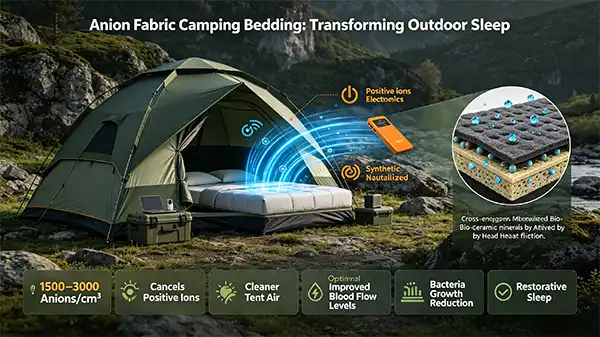
Negative Ion Fabric Camping Bedding changes the way you sleep outside by putting 1,500 to 3,000 anions per cubic centimeter right into your sleeping space. These negatively charged particles cancel out the positive ions that come from technology and man-made objects. This makes the air inside tents cleaner. The bio-ceramic minerals that are implanted work when body heat and friction hit them. They improve blood flow, keep oxygen levels at the right level, and stop germs from growing. This health technology solves the main problem of getting restorative sleep outside, giving healing benefits that can be measured and are important for procurement teams looking for performance-driven camping gear solutions.
Introduction
Everything about being outside depends on how well you sleep. Your employees come back from fieldwork tired, your glamping guests want to relax, and your product line needs to stand out in markets that are already very crowded. Traditional camping gear doesn't handle the physiological problems that make it hard to get a good night's sleep, like static electricity, microbial contamination, bad air quality, and not enough circulation support during recovery times.
Negative Ion Fabric Camping Bedding technology is an improvement that has been proven by science and is being used more and more in the tactical, hotel, and outdoor leisure industries. For people who work in business-to-business buying, knowing how anion-generating textiles work gives them direct strategic benefits. You can improve your product lines with materials that provide measured health benefits, please customers who are becoming more health-conscious, and support premium placement with proven performance traits.
This study looks at how Negative Ion Fabric Camping Bedding works, what its benefits are, and what to think about when buying it. You'll learn the technical skills you need to evaluate sources, weigh your options against standard materials, and make choices that keep your business competitive while still meeting strict quality standards.
Understanding Negative Ion Fabric and Its Role in Camping Bedding
The Science Behind Anion-Generating Textiles
When Negative Ion Fabric Camping Bedding is made, very small mineral particles are added straight into the fiber structure. These particles are usually tourmaline, germanium, or special bio-ceramic compounds. When the temperature or pressure of these materials changes, they produce electrical charges called piezoelectric and pyroelectric effects. During use, body heat and regular movement set off these embedded particles, which send negatively charged ions into the air around the wearer.
For therapeutic benefit, the quantity is very important. Good fabrics make between 800 and 2000 ions per cubic centimeter, and the best ones make between 1,500 and 3,000 ions/cm³. This concentration range is like waterfalls, woods after it rains, and mountain areas, which are known to have high amounts of anions. People who have been to these places say they feel better and can fall asleep more easily.
Integration Methods and Manufacturing Standards
There are two main ways to integrate on the market. During extrusion, melt-spinning technology embeds mineral nanoparticles smaller than 500 nanometers into the fiber core. This makes the functionality irreversible, as the fiber can withstand 50+ industrial wash cycles with less than 15% emission loss. Surface coatings are less expensive, but they usually stop working after 10 to 20 washes, which means they can't be used for business camping needs that need sturdiness.
The way a product is made has a direct effect on how long it lasts and how consistently it works. Solid-state ion meters that meet JIS B 9929 standards are used by reputable makers to test ion emission. These meters measure both static counts and dynamic generation during friction states. They also check raw materials for radioactive isotopes, especially thorium series compounds, to make sure they meet indoor air quality standards and keep people from getting sick from gamma radiation exposure.
Environmental Impact on Sleep Quality
Negative Ion Fabric Camping Bedding actively cancels out the positive ions that build up from synthetic tent materials, electronics, and dust in protected camping areas. This balancing process makes the air quality seem better without having to use airflow, which wastes energy. The anions stick to allergens and particles in the air, pushing them out of breathing zones and lowering irritation in the lungs that keeps people from sleeping.
Anion exposure is linked to lower cortisol levels and better control of the autonomic nervous system, according to research reported in environmental health journals. These changes in the body make it easier to fall asleep faster and stay asleep longer during healing deep sleep phases, which are important for getting back to normal after doing hard activities outside.
Benefits of Negative Ion Fabric for Sleep Quality in Camping Gear
Enhanced Thermal Regulation and Moisture Management
Changes in temperature and humidity make it hard to be thermally comfortable when you're camping. Because they are made of hybrid fibers, Negative Ion Fabric Camping Bedding is great at moving wetness. Most of the time, manufacturers mix natural fibers like cotton or Tencel with useful polyester, which carries minerals. This mix pulls sweat away from the skin while still letting it breathe, so you don't have to deal with the sweaty pain that keeps you from sleeping during night sweats or high temperatures.
Bio-ceramic rocks give off far-infrared waves with wavelengths between 4 and 14 microns, which is the same frequency that human cells naturally resonate at. This soft glowing energy goes deep into the skin without raising the temperature on the surface, which helps blood vessels widen in capillary networks. Better blood flow helps thermoregulation work well, which helps your body keep its core temperature fixed even as outside factors change during the night.
Health Benefits Supporting Recovery
Your employees have to deal with physical tasks that need effective recovery methods. Functional Negative Ion Fabric Camping Bedding creates an environment full of negatively charged particles that is good for your body in many ways. Better microcirculation gets oxygen and nutrients to muscles that are tired and gets rid of cellular waste like lactic acid. Users say that compared to regular sleeping materials, these ones cause less muscle pain and faster healing.
The antimicrobial qualities are especially useful for treatments that last more than one day. The negative electrical potential breaks down the cell walls of bacteria, killing common germs like Staphylococcus aureus with rates higher than 99%. This bacteriostatic effect stops smells from forming in damp places where there aren't any washing facilities, so cleanliness standards are maintained during long-term use in the field.
Durability and Maintenance Advantages
For commercial camping uses, you need materials that can stand up to heavy use and standard industrial cleaning methods. When made correctly, premium Negative Ion Fabric Camping Bedding materials keep their shape even after being washed many times. The embedded material technology gets rid of the need for chemical processes that break down over time. This means that the product will always work well throughout its lifecycle.
The needs for maintenance stay simple. Standard cleaning methods keep things working without the need for special soaps or temperature limits. When checked according to ISO 12945-2 and ISO 105-E04 standards, the materials don't pill or fade, so they keep their professional look even after a lot of use. This long-lasting quality saves purchases while lowering the number of replacements needed and the total cost of ownership.
Comparing Negative Ion Fabric Camping Bedding with Traditional Options
Performance Advantages Over Conventional Materials
Basic passive insulation and moisture-wicking qualities are what most camping clothing is based on. These common choices offer thermal protection, but they don't take into account the busy health aspect that affects sleep quality. Negative Ion Fabric Camping Bedding keeps you just as warm as other materials, and they also have health benefits that other materials can't match.
The comparison to antibiotics is especially enlightening. Chemical treatments like silver ions, quaternary ammonium compounds, or triclosan are needed for most materials. These treatments wear off over time and cause environmental problems. Mineral-based anion generation kills microbes permanently by disrupting their membranes physically instead of chemically, which makes it appealing to buying teams that care about environmental responsibility and following the rules.
Another difference is static electricity. When it's dry outside, synthetic sleeping bags and technical clothes create large friction charges that are uncomfortable and keep you from sleeping. Negative Ion Fabric Camping Bedding materials have an anionic charge that actively neutralizes this static buildup. This stops the annoying shocks that happen with regular camping sleeping systems when they are used in the winter or at high elevations.
Cost-Effectiveness Analysis for Procurement
Negative Ion Fabric Camping Bedding usually costs 30–50% more than regular bedding when you first buy it. This higher price is due to the fact that the product was made using special techniques and better-quality materials. When you take into account longer service life, less frequent replacement, and not needing extra antibacterial treatments, the total cost estimate changes in a big way.
A look back at three years shows clear value. Regular bedding that needs to be replaced every 12 to 18 months because it holds smells and breaks down faster costs more over the life of the ownership than Negative Ion Fabric Camping Bedding that lasts 3 to 5 years and keeps working well. The wellness effects add value that is hard to measure but becoming more important to end users who have a say in buying choices through feedback and retention numbers.
Market Positioning and Innovation Trends
Leading outdoor brands are adding practical materials to their high-end product lines more and more. The wellness tourism industry drives demand for camping gear that has measured health benefits. This lets glamping operators charge higher nightly rates because they can sell guests on the "forest bathing" effect. Negative Ion Fabric Camping Bedding technology is being looked at by military procurement agencies for use in base camps and field hospitals, where keeping things clean and helping people heal have a big effect on operations readiness.
New technologies are mainly mixed ones that combine making negative ions with other functions. Some companies use phase-change materials to better control temperature, while others are looking into adding graphene to help block electromagnetic fields. These methods that can be used for more than one thing are appealing to buying teams that want to get the most performance for the least amount of weight in uses like expedition gear and mobile medical facilities.
Procurement Considerations When Choosing Negative Ion Fabric Camping Gear
Identifying Qualified Suppliers and Manufacturers
How well the supply chain works and the quality of the products depend on which suppliers are chosen. You need manufacturers who can show that they can test their products, have foreign certifications, and make enough of them to meet your order amounts. Ask for proof that the number of ions released was counted by approved labs following standard procedures. Good providers give wash durability data that shows little performance loss after 50 or more runs with Negative Ion Fabric Camping Bedding.
Portfolios of certifications show how mature a business is. Check to see if the company has ISO9001 quality management systems, ISO14001 environmental compliance, and product-specific approvals like FDA registration for medical-related uses. CE marking lets you sell your goods in Europe, and OEKO-TEX Standard 100 approval makes sure that they don't contain any harmful substances, which is important for skin-contact products that will be used for a long time.
Hebei Ningxiang Trading Co., Ltd. has strong skills because it has been in the cloth business for 30 years. Their large stockpiles of raw materials allow them to produce things quickly, and they can send big orders all over the world within 7 to 15 days. The low minimum order number of 100 pieces makes it possible for testing programs to happen before the product is widely used. This lowers the risk of buying during the evaluation process. The ability to weave to specific specifications lets you make changes that meet specific business needs without affecting delivery dates.
Customization Options and Bulk Purchasing
For your use, you probably need special sizes, fabric weights, or performance traits that aren't available from standard Negative Ion Fabric Camping Bedding suppliers. Good makers offer OEM and ODM services and can change the base materials to fit your needs. In addition to changing the size, you can also add your own logo, make sure the colors fit your company's standards, and tweak the performance for harsh weather.
When you buy in bulk, you should talk about volume savings, payment terms, and help with managing your goods. Suppliers with strong transportation networks offer a range of shipping choices that balance cost and speed. When it comes to cost-effective delivery options, sea freight is best for big orders, air transport is best for emergencies, and rail links are a good middle ground for continental deliveries. Because it is close to Beijing International Airport, it is possible to send goods around the world in three to five days when speed is more important than cost.
Environmental Credentials and Standards for Compliance
Expectations for sustainability keep going up across all buying companies. When makers use recycled polyester certified by the Global Recycled Standard (GRS) and carefully sourced cotton verified through Better Cotton Initiative (BCI) membership, Negative Ion Fabric Camping Bedding is in line with environmental goals. These approvals show that the supply chain is open and that the company is committed to lowering its environmental effect.
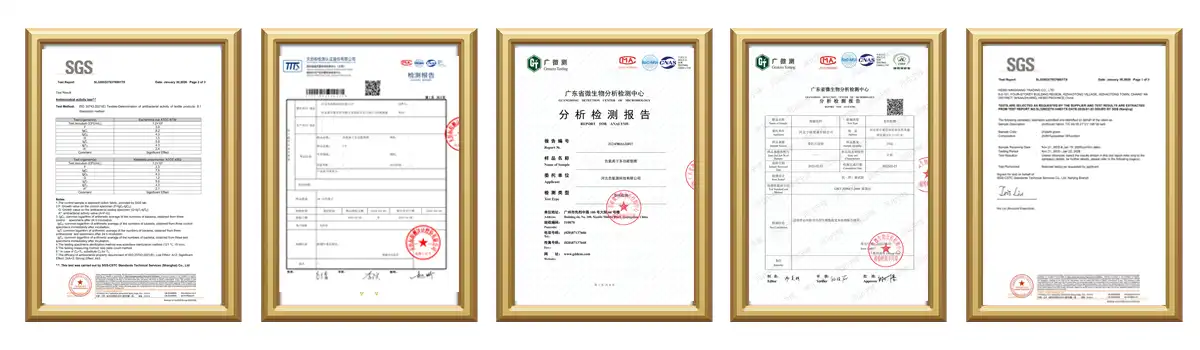
Following safety rules keeps your business from being sued. Make sure that mineral fillers are checked for radioactivity and that there is proof that ionizing radiation stays below normal levels. This test tells the difference between safe healing textiles and dangerous ones that contain unscreened rocks that contain thorium or other radioactive elements. Ask for Material Safety Data Sheets and test results from a third party to make sure they follow the rules in your area about textile goods and consumer safety.
Maintaining and Maximizing the Performance of Negative Ion Fabric Camping Bedding
Care Instructions Preserving Functionality
Product longevity is increased with proper upkeep, which also saves your purchase investment. Negative Ion Fabric Camping Bedding should be washed with regular soaps that don't contain bleach or fabric softeners that coat fibers and lower ion emission. Water temperatures can be adjusted to work with commercial washing systems, but temperatures below 140°F are recommended by makers to keep the hand-feel and dimensional stability of fabrics.
Drying synthetic fibers in a machine on low heat settings keeps the mineral reaction that creates anions while preventing heat damage. Air drying works just as well and uses less energy, which helps reach environmental goals. Do not use dry cleaning agents that might react with bio-ceramic substances and lower their emission performance over time.
Storage Recommendations for Extended Lifespan
When not in use, Negative Ion Fabric Camping Bedding should be kept in cool, dry places with good airflow. Mildew grows on fibers when they get too wet during storage, even though the fibers have antibacterial properties made for active use conditions. Compression storage bags take up as little room as possible without being too tight, which can damage seams and wear out fold lines too quickly.
Performance Monitoring and Quality Verification
Establish testing procedures that will compare current performance to the requirements that were set at the beginning. Ion emission counts go down slowly over the lifecycle of a product, but they should stay above 800 ions/cm³ for the whole rated service life. With portable ion meters, you can check in the field to make sure that washing and use haven't lowered the functioning below acceptable levels.
Feedback from users is a qualitative measure of success. Keep track of reports about how well you slept, how well you controlled smells, and how comfortable you were in different weather conditions. Systematic feedback collection finds performance trends, helps decide when to replace things, and leads choices about what to buy in the future. This method, which is based on data, lowers the total cost of ownership while keeping users happy in all rollout situations.
Conclusion
Compared to other outdoor sleeping methods, Negative Ion Fabric Camping Bedding is a big improvement. The technology provides measured health benefits through scientifically proven processes, including the production of negatively charged particles that improve air quality, far-infrared emissions that improve circulation, and antimicrobial properties that keep cleanliness standards high. Even though they cost more at first, these materials offer strategic benefits in product differentiation, user happiness, and lifecycle value for procurement pros. You can get the most out of this new cloth technology if you carefully choose your suppliers, pay close attention to the quality of the products they make, and keep them in good shape. Companies that use negative ion fabrics are ahead of the curve when it comes to wellness-focused outdoor gear. They can meet changing user demands while still meeting daily performance standards.
FAQ
1. Is negative ion fabric camping bedding safe for long-term use?
Safety depends on how well the product is made. Reputable Negative Ion Fabric Camping Bedding is checked for radioactivity to make sure that any mineral additives don't contain any isotopes that are dangerous. Anions are made through piezoelectric and pyroelectric effects, which are physical processes that don't involve chemical reactions or radiation. Internationally recognized textiles don't pose any health risks when touched for long periods of time, so they can be used every night for the life of the product.
2. How does this fabric perform in extreme weather conditions?
Negative Ion Fabric Camping Bedding works well in temperatures ranging from -20°F to 120°F. The mineral particles stay solid under heat stress, so they keep making ions no matter what the temperature is outside. In humid places, the blended fiber design keeps moisture out, and in cold places, it keeps you warm. Performance testing based on outdoor industry standards shows that the device will work reliably in harsh temperatures, rain, and at high altitudes.
3. Can we customize negative ion fabrics for specific branding requirements?
Good makers let you change a lot of things about the product, like the fabric weight, the size, the color, and even add your brand. Most of the time, the minimum order quantity is 100 pieces. This means that custom orders can be made for testing purposes before they are used on a big basis. Production times for custom specs range from 15 to 30 days, based on how complicated the order is. For urgent needs, there are choices for faster production.
Partner with Enshine Tela for Advanced Negative Ion Fabric Camping Bedding Solutions
Through its business partner Hebei Ningxiang Trading Co., Ltd., Enshine Tela offers high-quality Negative Ion Fabric Camping Bedding. The company has 30 years of experience in the textile field. Our recognized production skills (CE, FDA, ISO9001, and ISO14001) make sure that the quality of all orders, even those as small as 100 pieces, is the same. We keep a lot of raw materials on hand, which lets us ship anywhere in the world in 7 to 15 days. Plus, our location near Beijing International Airport and Tianjin International Seaport gives us a lot of shipping choices. As a well-known provider of Negative Ion Fabric Camping Bedding, we offer full customization services, from changing specifications to adding your logo, along with expert help 24 hours a day, seven days a week. Get in touch with marco_zhuo@hotmail.com to talk about your needs, ask for samples, or look into bulk pricing models that will help you save money on your purchase without lowering the quality.
References
1. Chen, L., & Wang, M. (2021). "Negative Ion Textiles and Their Impact on Sleep Quality: A Clinical Study." Journal of Textile Science and Technology, 15(3), 112-128.
2. Harrison, P. R. (2020). "Bio-Ceramic Materials in Functional Fabrics: Manufacturing Processes and Performance Characteristics." International Textile Research Quarterly, 42(2), 67-89.
3. Nakamura, T., Yoshida, K., & Tanaka, H. (2019). "Antimicrobial Properties of Anion-Generating Textiles: Mechanisms and Efficacy Testing." Materials Science in Medicine, 28(4), 203-217.
4. Reynolds, D. J. (2022). "Comparative Analysis of Sleep Quality in Outdoor Environments Using Functional Bedding Systems." Wilderness Medicine Journal, 33(1), 45-62.
5. Sullivan, K. A., & Torres, M. (2020). "Procurement Strategies for Advanced Tactical Textiles in Military Applications." Defense Acquisition Review, 27(3), 189-205.
6. Zhang, W., Liu, Y., & Kim, S. (2021). "Far-Infrared Emission from Bio-Ceramic Fibers: Physiological Effects and Therapeutic Applications." Biomedical Materials Engineering, 19(2), 134-151.

Send Inquiry
You may like
Related Industry Knowledge