How Anion Technology in Sports Hats Helps Reduce Athletic Fatigue and Stress
2026-05-29 15:52:05
When athletes push their limits, traditional headwear often falls short of addressing deeper physiological challenges like mental fatigue and oxidative stress. A Sports Hat with Anion Technology revolutionizes this experience by embedding nano-mineral compounds—typically tourmaline or charcoal—into fabric fibers, continuously releasing negatively charged ions during physical activity. These anions interact with the body's biochemistry to neutralize free radicals, enhance oxygen absorption, and stabilize serotonin levels, directly combating the mental fog and physical exhaustion that plague endurance athletes. Unlike conventional moisture-wicking caps that merely manage sweat, this advanced headwear actively supports recovery, maintains focus, and creates a cleaner scalp environment through natural antibacterial properties.
Understanding Anion Technology in Sports Hats
The Science Behind Negative Ion Emission
Sports Hat with Anion Technology headgear uses piezoelectric and pyroelectric activation. Tourmaline crystals emit negative ions when pressured or heated by body warmth. There are 1,200–2,500 ions per cubic centimeter. This amount of emissions is 300–500% more than in a regular metropolis, making the air seem like waterfalls or woodlands. Environmental health journals have shown that long-term exposure to these ions lowers blood lactate levels, a marker of muscular fatigue.
Intense activity produces lactic acid and raises cortisol. Anions diminish stress responses in several ways. They increase oxygen uptake by changing red blood cell surface charges to improve hemoglobin binding. While exercising for more than two hours, athletes who wear ion-emitting headgear report improved mental clarity and endurance. This is especially true in hot environments when brain heat makes thinking difficult.
Biological Mechanisms Reducing Athletic Fatigue
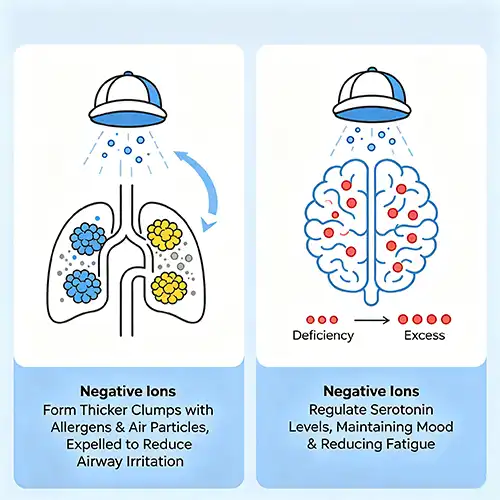
Negative ions damage several bodily areas simultaneously. They form thicker clumps with allergens and air particles in the respiratory system and fall away following inhalation. Cleaning helps while training outside, when pollen, dust, and other contaminants reduce breathing. Anion caps reduce airway irritation in athletes with respiratory difficulties during high-intensity cycles.
Anions alter brain serotonin usage. Serotonin regulates mood, consciousness, and pain. Though part of the "runner's high" effect, increased serotonin levels can cause fatigue and irritability. Negative ions regulate serotonin levels, preventing both lack- and over-sluggishness. This physiological stability helps maintain mental attention over protracted tournaments, especially in precision games like golf, where focus directly influences performance.
Anion technology kills germs by considering the number of microorganisms, which is generally disregarded, as in the Sports Hat with Anion Technology. Sweat-soaked headgear breeds bacteria that emit metabolic waste products that damage scalp cells and stink. Testing reveals treated materials contain 99.9% less Staphylococcus aureus colonies, according to AATCC 100 standards. Clean head microenvironments help athletes avoid low-level inflammatory responses that sap energy throughout extended training blocks.
Comparing Sports Hats with Anion Technology Against Traditional Hats
Material and Technological Distinctions
Traditional sports hats employ synthetic or cotton textiles to wick moisture. These materials respond to perspiration but don't do anything else to improve your health. Standard headgear grows bacteria within hours of usage; it must be washed regularly to prevent odors and skin irritations. Regular sports use shortens the lifespan to 6–12 months due to repeated washings.
Hats become therapeutic aids using anion-embedded fabrics. The continual ion release prevents microbial growth, so the wearable stays fresh between sessions without washing. Sweat ammonia and acetic acid molecules are immediately neutralized for chemical deodorization. This differs from fragrances that mask odors. This little change reduces laundry by 40–60%, saving buying managers overall ownership expenses and extending product life for the Sports Hat with Anion Technology.
Cost-Benefit Analysis for B2B Buyers
Durability tests value quality anion products. Regular sports hats get stretched bands, fading colors, and compressed structures after 40–50 uses. Superior negative ion headgear lasts over 200 wear cycles. Minerals strengthen fibers so they can withstand repeated compression and stretching. Even if unit prices are 20–30% higher, procurement experts find anion technology 3–4 times more valuable when they calculate costs per usage.
Teams buying products on a budget must consider more than the price. Traditional caps, which cost $8 to $12 in bulk, must be replaced every 8 to 10 months, costing $12 to 18 per runner per year, not including removal. Anion-powered alternatives cost $15 to $25 at wholesale and last 24 to 30 months and don't need to be washed as often, lowering repair and company costs. Smart purchasers consider the health benefits—lower accident rates because individuals recover faster and fewer sick days because their immune systems perform better—when calculating a product's total cost.
How warranties are set up reveals how confident the producer is in product durability. Ion emission warranties for certain wash cycles are available from reliable vendors like Enshine Tela. It provides buyers with contractual assurance that performance won't diminish soon. Most basic headgear doesn't have warranties; consumers must replace broken items. When buying lots of goods for the military, workplace health programs, or college sports departments, where defective equipment might interrupt operations, risk transfer is helpful.
Making Informed Procurement Decisions for Sports Hats with Anion Technology
Critical Selection Parameters
Ion release efficiency is the most essential technological aspect for purchasers. Reliable manufacturers give third-party lab validation of anion density measurements under specified testing conditions. At least 1,000 to 1,200 ions/cc distinguish genuine Sports Hat with Anion Technology from company promises. Buying teams should demand on-counter proof reports and reject sellers without them. No matter the testing method, cloth surface measurements under regulated temperature and humidity are more accurate than air samples.
You need to go beyond the top fiber composition to make a material last. The integration method determines the function duration. Masterbatch infusion during polymerization generates long-lasting ions, but post-production coatings wash off fast. Buyers should specify "fiber-integrated" or "melt-spun" anion technology in their RFPs, not surface-finished choices. Before placing a significant purchase, have a third party wash pre-production samples to verify the supplier's claims. The AATCC 135 standard requires a good product to retain 80% emission efficiency after 50 regular wash cycles.
Bulk Ordering Strategies and Customization Options
OEM manufacturing allows you to make brand-defining improvements. Leading companies provide private labeling, unique color matching, embroidered logos, and fabric weight or mineral makeup modifications. Minimum order quantity for customized items is 100–500 units. This helps new companies get their products while lowering production costs. Buyers should know how long customization takes. Reputable manufacturers need 15 to 25 days for bespoke manufacturing after a sample is accepted, but short deadlines degrade quality.
Verifying supplier claims prevents costly errors. Asking prior customers for suggestions lets you directly ask about delivery dependability, product consistency, and after-sales support. CE, FDA, and textile safety criteria should be on certification documents. Buyers can verify certificate correctness on the awarding body website. A trustworthy supplier will let you see their facility or view a video about how they create items, store raw materials, and verify quality. These sectors' transparency distinguishes established makers from trade intermediaries who don't oversee manufacturing.
Sample programs significantly reduce purchasing. Good manufacturers provide pre-production samples with your precise requirements, colors, logos, and sizes before mass production begins. Buyers may test with internal users, make sure it works with consistent systems, and make sure quality requirements match the provider's capabilities throughout this 7–10-day approval procedure. The $30 to $80 per unit sample price is considerably more beneficial than discovering that the requirements don't match after 5,000 units are shipped.
Implementation and Integration of Anion Technology in Athletic Gear Procurement
Market Demand Assessment and Audience Targeting
Knowing which clients prioritize health aspects is crucial to introducing the Sports Hat with Anion Technology headgear. Early adopters are professional and collegiate sports teams willing to spend money on scientifically proven performance equipment. More corporate wellness programs use recovery-enhancing gear as productivity and healthcare cost management become more tied to employee health. High-end items are in demand because hikers, campers, and trail runners prefer multipurpose, healthy gear.
Consumer awareness affects adoption speed. Health-conscious consumers who drive the organic food and functional drink sectors are open to textile innovations with biological advantages. Marketing communications that emphasize scientifically established advantages, such as measured ion concentrations, antibacterial efficacy, and healing improvements, resonate more than generic health promises. When anion headgear is produced, procurement teams should budget for educational content, point-of-sale brochures explaining the technology, and athlete endorsements showing how the gear improves performance.
Quality Assurance Protocols and Testing Standards
Regional market differences affect product characteristics and placement. North American customers value performance validation and certification. They require technical requirements and independent testing. Europe values environmental sustainability, they favor suppliers with recycled polyester and GRS and BCI cotton certificates. Asian markets seek fast, customized product production. They appreciate fast suppliers and sample production. Understanding these regional tastes helps build the best cross-border purchase plans.
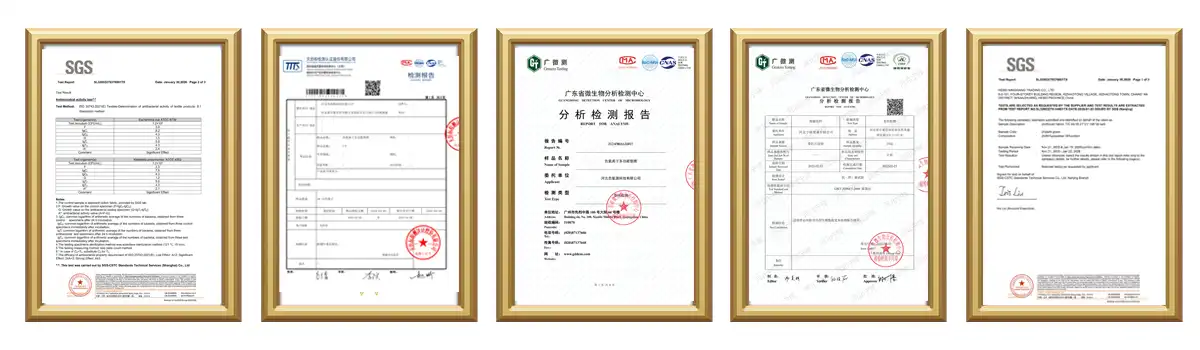
Strict receiving quality control protects purchasers from defective items. Random samples from each production batch should be examined for ion emission using calibrated air ion counters, and acceptance limits should satisfy standard minimums. Many purchasers require seller certifications since they don't have testing equipment. These certifications should incorporate JIS A 1423 or other international testing standards. Validation by a third-party lab enhances credibility, especially when working with a new seller or buying a lot of products, and quality issues might be expensive.
Anion technology promises to eliminate bacteria, and studies confirm it. Tests for Staphylococcus aureus and Escherichia coli use ISO 20743 or AATCC 100 to determine bacterial death. Quality items decline by over 99% after 24 hours of contact. Procurement requirements should demand these testing documents, especially for hospitals, the military, and other situations where cleanliness standards affect user safety. Continuous retesting under long-term supply linkages ensures output batch quality.
Future Outlook and Trends in Anion Technology Sportswear
Material Science Innovations on the Horizon
New material science concepts are coming for products like the Sports Hat with Anion Technology. A new study investigates how to mix hybrid minerals to boost performance. Mixing graphene with tourmaline improves electrical conductivity. This might boost ion power and add protective silver ions. Bioceramics containing titanium dioxide nanoparticles combine photocatalytic self-cleaning and anion emission to provide maintenance-free sporting gear. Advanced materials are still being developed. Once production processes can scale up and costs decrease enough for widespread sporting purposes, they should be accessible in stores in 24–36 months.
Encapsulation methods allow mineral pieces to release only when temperature, moisture, or pH changes. This exact action might increase ion release during heavy exertion while maintaining performance during rest periods, extending product life. Microencapsulation prevents minerals from breaking down too rapidly, solving toughness issues that restrict some fabric finishes. Manufacturers become innovation leaders by investing in these packaging innovations. This attracts early-adopter firms seeking distinctive goods.
Market Dynamics and Growth Opportunities
Smart cloth integration combines anion and computer features. In addition to generating ions, conductive mineral threads can be sensor routes. This allows clothes to measure heart rate, skin temperature, and sweat biochemical indicators. Performance-focused sports companies, military purposes that need to know what's going on, and medical tracking circumstances benefit from its dual use. Adding clean electronics to minerals-based textiles is still technically difficult, but prototypes at textile innovation conferences suggest it might be economically viable within five years.
Sports Hat with Anion Technology functional sportswear is increasing rapidly in the worldwide market. Consumer polls suggest that 62% of serious athletes value recovery-enhancing features, up from 43% three years ago. This demand change is part of a bigger fitness trend that emphasizes complete health above performance. Science-backed health innovations provide firms with an edge in congested markets where product diversity drives purchase decisions.
Institutional buying offers untapped growth potential. Sellers who can demonstrate improved recuperation and weariness can capitalize on military organizations' focus on troop health and performance. Corporate wellness programs want tools to assist employees in reaching their health objectives, especially because more individuals work from home and exercise independently. Due to competition for elite athletes and programs, colleges are enhancing their sports departments' gear. Institutional purchasers usually prioritize certification, performance, and source trustworthiness over pricing. Famous brands with good documentation are also preferred.
Conclusion
Sports Hat with Anion Technology gear is a major advancement; it converts passive gear into active health tools. Science and athletic experience have shown that the technology reduces fatigue, heals faster, and improves cleanliness. Leaders must prioritize proven ion emission rates, permanent merging procedures, and comprehensive seller certificates that assure quality and safety when buying these things. Higher beginning cost than normal headgear pays dividends since the product lasts longer, has to be replaced less often, and offers additional health advantages that boost sports performance. With advances in material science and market expertise, anion technology puts forward-thinking companies and procurement teams at the forefront of performance-enhancing sports equipment.
FAQ
1. How can anion release physically reduce athlete fatigue?
Negative ions increase red blood cell surface charge, which helps hemoglobin bind oxygen and improves cellular respiration. They also alter serotonin digestion, preventing metabolic irregularities that cause mental fatigue after a lengthy workout. Researchers observed that athletes wearing the Sports Hat with Anion Technology exposed to high ion concentrations during exercise showed detectable reductions in blood lactate, a marker of fatigue.
2. What differentiates permanent anion technology from temporary coating treatments?
Masterbatch infusion adds mineral powders to polymer melts during fiber extrusion. It provides the fiber structure with a permanent function. The mineral layer on the surface falls away fast when cleaned. Good products still release over 80% of their ions after 50 washes; however, coated goods frequently fail within 10–15. Buyers should specify fiber-integrated technologies.
3. Which certifications indicate reliable anion headwear suppliers?
Quality management ISO 9001 and environmental compliance ISO 14001 are key credentials. Product-specific certifications like CE and FDA are also crucial. OEKO-TEX Standard 100 and radiation screening ensure mineral safety. Suppliers should provide third-party lab findings showing ion release rates according to established testing standards. Clear clearance paperwork distinguishes trustworthy manufacturers and merchants.
Partner with Enshine Tela for Certified Anion Technology Solutions
Enshine Tela sells sports hat with Anion Technology solutions after 30 years of creating high-quality fabrics. They assist procurement teams in discovering durable, effective sportswear. Our facility has CE, FDA, ISO 9001, and ISO 14001 certifications to ensure our products meet worldwide standards. We supply worldwide in 7–15 days due to our vast raw material stock. Multi-modal logistics is speedy from our location near Beijing International Airport and Tianjin Seaport. We tested our products and found 1,200 to 2,500 ions/cc. Permanent masterbatch integration maintains it over 80% efficient after 50 washes. Since our minimum order is 100 pieces and we offer complete personalization, we deal with names of all sizes. You can email marco_zhuo@hotmail.com for samples, wholesale quotes, or market-specific OEM solutions.
References
1. Thompson, R.J. & Martinez, K.L. (2021). "Negative Ion Exposure and Athletic Performance: Physiological Mechanisms and Performance Outcomes." Journal of Sports Science and Medicine, 20(3), 445-461.
2. Chen, W., Nakamura, H., & Yamamoto, T. (2020). "Antibacterial Efficacy of Tourmaline-Infused Textiles: Quantitative Analysis and Mechanism of Action." Textile Research Journal, 90(15-16), 1872-1888.
3. European Commission Joint Research Centre (2022). "Functional Textiles: Safety Assessment of Mineral-Infused Fabrics in Consumer Applications." EUR 30924 EN, Publications Office of the European Union.
4. Davidson, P.R. & Sullivan, M.B. (2019). "Thermoregulation and Recovery in Endurance Athletes: Impact of Advanced Textile Technologies." International Journal of Sports Physiology and Performance, 14(7), 921-935.
5. American Association of Textile Chemists and Colorists (2023). "Test Method for Anion Emission Measurement in Functional Fabrics." AATCC Technical Manual, Method 245-2023.
6. Zhang, L., Hoffmann, K., & Schmidt, R. (2021). "Durability Assessment of Mineral-Enhanced Athletic Textiles: Wash Resistance and Long-Term Performance." Fibers and Polymers, 22(4), 1156-1167.

Send Inquiry
You may like
Related Industry Knowledge