How an Antimicrobial Pillow Cover Can Improve Your Sleep Hygiene
2026-09-02 16:13:16
Sleep hygiene has evolved beyond simple bedtime routines to become a strategic priority for businesses committed to workplace wellness and guest satisfaction. An antibacterial pillow cover serves as a frontline defense against microbial contamination, creating healthier rest environments that directly impact productivity, recovery, and reputation. Whether you manage a multi-location hotel chain, oversee healthcare facility procurement, or operate senior living communities, understanding how advanced textile technologies reduce pathogen exposure can transform your approach to bedding standards. This comprehensive guide examines the technical specifications, procurement strategies, and market innovations surrounding antimicrobial bedding solutions, equipping decision-makers with actionable insights to elevate hygiene protocols while optimizing long-term operational costs.
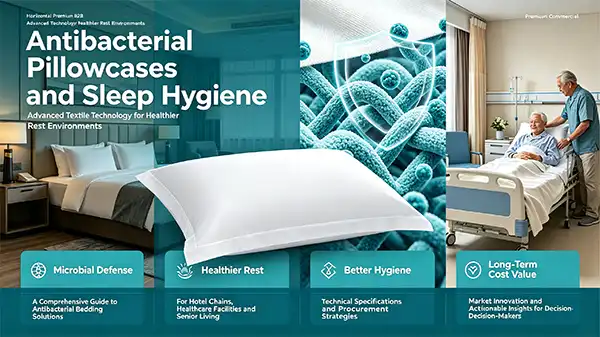
Understanding Antimicrobial Pillow Covers and Their Role in Sleep Hygiene
Defining Antimicrobial Protection in Textile Applications
The textile engineering of antibacterial pillow covers prevents bacteria, fungus, and other pathogens from developing on fabric. Standard hypoallergenic materials just physically prevent allergens. However, built-in technology in these modern coverings actively inhibit microbial development. This distinction is crucial for high-turnover bedding operations, where contamination risks mount fast.
Antimicrobial compounds are integrated into fibre structures during manufacture rather than applied to the surface, where they break down after numerous washings. This permanent connection ensures product protection throughout its life. This alleviates procurement managers' concerns regarding product efficacy.
How Negative Ion Technology Transforms Sleep Environments
Negative ion technique revolutionizes textile antibacterial remedies. It releases beneficial ions that break down bacterial cell walls and eliminate airborne pathogens and scent molecules. The technique replicates negative-ion-rich alpine air, rivers, and woods. This cleans sleeping area air.
Through negative ion fabric testing, antibacterial pillow cover treatments eliminate over 99.9% of microorganisms within 24 hours. This method is effective against Staphylococcus aureus, a prevalent hospital and public illness. Ions function continuously without reactivation. They retain their protective properties after hundreds of industrial wash cycles at 60°C or higher.
Material Science Behind Long-Lasting Protection
Fibre choice affects durability. High-quality antimicrobial coverings are constructed from extra-long staple cotton and negative-ion molecules. This construction prevents antimicrobials from washing away, as with chemically treated choices. Cotton's hydrophilia allows moisture escape, reducing bacteria's growth circumstances. Negative ion technology destroys any organisms that touch.
Customization allows you adjust practical parameters, fibre composition, and weave density to your requirements. Healthcare centres may use autoclave-cleanable pollen shields with tight weaving under 10 microns. Satin weaves, which appear like silk and are antibacterial, may be selected for high-end hospitality. Because of this, the antibacterial pillow cover meets current quality requirements without compromising.
Key Considerations When Choosing Antimicrobial Pillow Covers for Your Business
Material Performance and Durability Benchmarks
You must compare materials' performance characteristics before buying. Bamboo materials have natural antibacterial properties, however frequent washing may damage them. Synthetic blends may withstand mechanical stress, but sensitive persons may have worsened eczema. To prevent bacteria growth, hypoallergenic organic cotton must be treated with antimicrobials.
Negative ion textiles eliminate stress by permanently destroying bacteria in natural fibres. This technology lasts over 50 industrial wash cycles without failure. Dimensional stability meets AATCC 135's 3-5% shrinkage range. This ensures a consistent fit between replacement cycles. Colour fastness testing using AATCC 61 methods shows grade 4.0 or better, meaning dye doesn't transfer and won't stain pillow inserts or skin.
Pilling resistance requires particular care for quality. With proper singeing and long-staple cotton, Martindale wear testing demonstrates the surface retains smooth after long-term usage. This durability extends the time between replacements without impacting visitor or patient experience, saving the firm money.
Critical Safety Certifications and Compliance Requirements
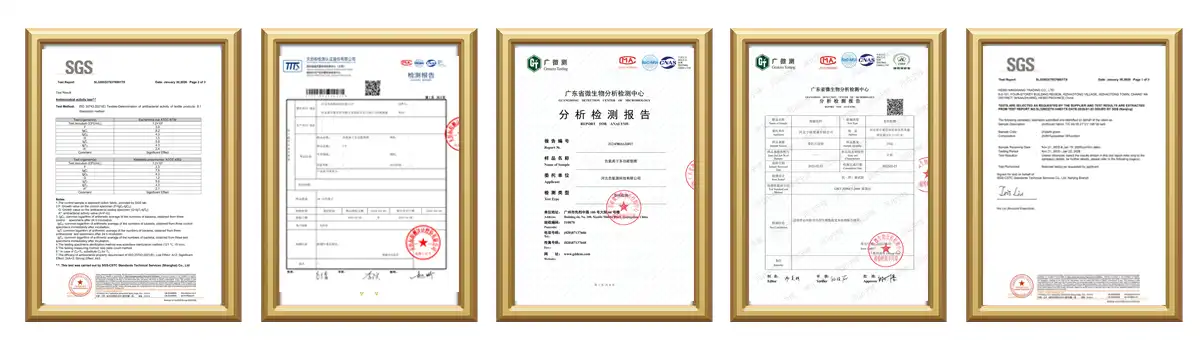
Global regulatory environments require thorough checks of textile safety, especially for items that come into contact with vulnerable people. Certifications like CE, FDA, ISO9001, and ISO14001 set the standard for quality management system compliance. But purchasing managers should focus on OEKO-TEX Standard 100 Class I approval, which guaranties that formaldehyde, azo dyes, heavy metals, and other harmful chemicals are not present.
The Global Organic Textile Standard (GOTS) gives more confidence to facilities that put environmental responsibility and performance first, especially for the antibacterial pillow cover. Better Cotton Initiative (BCI) certification and GRS Recycled Polyester credentials show that the supply chain is open and committed to sustainability, which is becoming more and more important to institutional buyers when they make purchases.
These certificates are important for more than just following the rules. They also help protect companies from being sued for allergic responses, skin rashes, or toxicity issues. Buying approved products is a good idea because they lower the number of accidents and improve the brand's image among people who care about their health.
Maintenance Protocols for Commercial Environments
To keep antimicrobial effects, you need to know how laundering processes and protective technologies work together. Surface coating treatments lose their usefulness quickly when they are washed at high temperatures and exposed to chemicals. They stop working after 10 to 15 rounds. Negative ion technology built into the structure of fibers keeps their full defensive power even after many washes.
If possible, wash garments in warm water without bleach or fabric softeners, which may disrupt ion release. Drying the antibacterial pillow cover at business temperatures and using industrial pressing equipment won't affect its efficacy. Continuous-cycle washing facilities benefit from its endurance since the method requires no further maintenance beyond textile care.
According to ASTM D1683 standards, measuring the seam's strength shows that it won't burst under the stress that is put on it during insert removal and stuffing operations. This mechanical durability keeps things from breaking down too soon, which would require expensive replacements and make it hard for operations teams to keep track of big bedding supplies.
Market Comparison: Antimicrobial Pillow Cover Options in 2026
Performance Benchmarking Across Product Categories
Standard pillow coverings prevent physical harm but not germ infection. Bacteria develop within 24–48 hours of visitor or patient interaction, causing odours and health hazards. Replacement rounds last 6–12 months, depending on washing frequency and quality.
Hypoallergenic alternatives with tight weaves keep allergens within, but they are inert and germ-prone. These products are useful for dust mite and pollen management, but they don't fulfill infection control standards in healthcare and high-occupancy hotels.
Antibacterial pillow coverings using silver ion technology, Microban treatments, or chemicals are somewhat secure. How you utilize and focus it affects its effectiveness. Surface treatments lose efficacy after 20–30 cycles, whereas integrated solutions last longer. But throwing away silver ions harms the environment, and chemical agents may make certain people sensitive.
Negative ion fabric technology is cutting-edge performance. The device destroys germs and cleans the air to treat surface pollution and excessive pathogen levels. Permanent integration eliminates the declining efficacy curve of competing methods and provides product-long protection. Despite higher initial unit pricing, cost-per-use estimates justify this strategy. Longer replacement intervals and less laundry wipe out the initial investment.
Supplier Evaluation Criteria for Bulk Procurement
Leading manufacturers can demonstrate their versatility and consistency across manufacturing runs. Raw material stock illustrates how fast you can address urgent demands without extensive lead times. Multimodal shipping options make operations more flexible at locations near Beijing International Airport, Tianjin International Seaport, and Eurasian Railroad.
The flexibility to personalize distinguishes commodity suppliers from strategic partners. Changing weave patterns, closing techniques (envelope vs. zipper types), size requirements, and functional features helps fulfill current operational standards. Experienced R&D teams create innovative goods. Their techniques fluctuate with construction demands and regulatory regulations.
Quality assurance protocols should include SGS certification, customer-specific testing, and live video inspection of manufacturing. Response-time, 24/7 customer service communication systems prevent issues from affecting operations. Warranty terms, return policies, and after-sales support might indicate whether a supplier desires a long-term connection with you.
Volume Pricing Structures and Total Cost Analysis
Minimum order quantities range from 100 to 500 units, depending on design complexity. Volume reductions split the price at 500, 1000, and 5000 units for larger commitments. Procurement managers should calculate the entire cost of ownership, including the price of the item, shipping costs, replacement costs, and cleaning costs, rather than just the cost of purchasing one unit.
Shipping logistics affect landing costs. Air freight shipment within 3–5 days costs extra for urgent demands. Ocean freight reduces shipping costs for large orders but increases delivery time from 2 to 4 weeks. European destinations are accessible by rail via Eurasian networks with varying times and pricing. Professional providers determine the optimal delivery method for each order depending on size, urgency, and location to save expenses.
Due to its durability, the antibacterial pillow cover is worth the increased price. Even though they cost 20–30% more, products that retain their antibacterial qualities after 50 or more wash cycles give 2-3 times more value than those that lose them after 15–20 cycles. This estimate is particularly high for organizations with frequent staff turnover, as replacing people adds up to huge expenditures.
How to Effectively Procure Antimicrobial Pillow Covers for Your Business
Strategic Supplier Relationship Development
Getting good unit pricing is just half of procurement. Partnerships that support operational objectives are another aspect. Check the supplier's manufacturing background. If they've been creating textiles for 30 years, they have technological expertise and a solid market. OEM experience indicates you can fulfill tight requirements and react to changing demands.
Request product samples before large orders. The way a cloth feels, was built, and was finished aren't revealed by specs. Housekeeping managers, infection control experts, and guest services directors should get samples. Their input helps identify issues before they become costly to remedy.
Framework agreements should specify long-term pricing, minimum order, delivery, and quality norms. These agreements simplify budgeting and ensure supplier continuity, which maintains service standards. Include mechanisms to update specifications often when new technology or practical demands evolve.
Customization Specifications for Sector-Specific Applications
Healthcare facilities must consider infection control and patient safety. Fluid-resistant barriers keep germs out while allowing air through for patient comfort. Closure mechanisms must withstand heavy use without trapping aged or mentally incompetent individuals. Color-coding helps monitor items in places with various contamination risks.
Hospitality applications prioritize guest pleasure above cleanliness, and an antibacterial pillow cover quietly addresses this demand. Luxury houses demand high thread counts for feel and appearance. Durable sateen or percale weaves combine softness and strength for industrial laundry. Hidden antimicrobial technology eliminates medical linkages that may detract from the welcoming mood.
Senior living communities provide housing and healthcare. The antimicrobial pillow cover must protect sick individuals while maintaining a pleasant, domestic feel. The persistent antibacterial qualities of enzyme washing prevent contamination without specific cleaning procedures, and the smooth finishes reduce skin discomfort.
Return on Investment Calculation Frameworks
To make strong business cases, you should quantify benefits in a number of different areas. Longer replacement cycles save money right away because goods that last 18 to 24 months instead of 6 to 12 months cut sleeping budgets right away. Less frequent laundering cuts down on the cost of labor, utilities, and machine wear and tear that come with processing rounds.
Operational benefits include easier inventory management because products that last longer need to be reordered and stored less often. When quality stays the same over long service periods, guests and patients are less likely to worry about old or damaged bedding. Better measures of infection control show higher safety standards that help with following rules and getting approved.
Effects on revenue show up as better reputation and market differentiation. Hotels that advertize high standards of cleanliness attract tourists who care about their health and are willing to pay more. Under value-based care models, hospitals that lower the number of hospital-acquired infections get better clinical results, higher patient happiness scores, and higher reimbursement rates. When you figure out the full return on investment, these perks often outweigh the direct costs.
Future Trends and Innovations in Antimicrobial Pillow Covers
Emerging Technologies and Material Science Advances
The next big thing in antimicrobial beds is the merging of smart textiles. Embedded sensors check the level of temperature, humidity, and bacteria activity, giving real-time information on how clean something is. With this information, predictive maintenance schedules can be made, and goods can be replaced based on their real state instead of random dates. Integration with building management systems makes it possible to keep an eye on the whole surroundings, which supports health and fitness programs.
Sustainable antimicrobial technologies help solve environmental problems that are getting worse. Bio-based medicines made from plant products work just as well as synthetic ones, but they are better for the environment. With a circular economy, goods that have reached the end of their useful life are reused in the manufacturing process instead of going into trash streams. These new ideas are in response to the fact that big buyers are using sustainability factors in their buying decisions more and more.
Nanotechnology uses improve the effectiveness of antimicrobials while lowering the amount of material needed. Nano-silver particles kill microbes very effectively at lower concentrations than regular silver ion treatments. Nanofiber structures make very thin shields that stop virus particles while still letting air pass through. These new technologies push the limits of performance while also taking cost and environmental concerns into account.
Regulatory Landscape Evolution and Compliance Preparation
International health standards keep making it harder for antibiotics to work and for safety checks to be done. The European Biocidal Products Regulation sets strict rules for how antibiotic medicines can be approved. These rules affect market standards around the world. Instead of scrambling to meet new requirements as they come into force, procurement teams should reward sellers who show they are proactive about following new rules.
Supply chain management needs to be changed because of transparency. Buyers want more and more proof of where materials come from, how products are made, and how they affect the earth over the course of a product's existence. Traceability systems that use blockchain provide records that can be checked, meeting these needs. When suppliers offer a lot of documentation, they stand out from other suppliers during the evaluation process.
Antimicrobial resistance concerns make people look closely at technologies that help resistance grow. Negative ion systems don't have this problem because they don't use chemicals that choose for resistant bacterial types, but instead use physical disruption processes. As healthcare organizations put more emphasis on both infection prevention and antimicrobial stewardship, this difference becomes more important.
Strategic Recommendations for Procurement Leadership
Build networks of different suppliers to avoid relying on just a few. Having more than one qualified source gives you more power in talks and makes sure that production doesn't stop for any reason with your main partners. Having different supply bases in different places lowers the risks that come from things like political unrest, natural tragedies, or problems with transportation.
It is recommended to create evaluation teams that include people from operations, finance, sustainability, and end-users. This thorough evaluation process finds needs and issues that buying experts might miss when working alone. Getting buy-in from stakeholders during the review phase makes implementation go more smoothly and lowers resistance to change.
Set up systems to track key data for performance monitoring throughout the duration of a product. Check how often things need to be replaced, how happy guests or patients are, how often infections happen, and the total cost of ownership. This information helps with future purchasing choices and shows the value of the program to the people in charge of the company. Support for expanding its use to more facilities or property portfolios comes from the fact that the antibacterial pillow cover works so well.
Conclusion
Advanced negative ion technology in antimicrobial pillow covers changes how clean people sleep in healthcare, hospitality, and senior living settings. These engineered textiles get rid of more than 99.9% of germs over time and stay durable even after being washed many times in industrial settings. To be successful at procurement, you need to look at more than just unit price. You need to look at things like material performance, safety standards, supplier skills, and the total cost of ownership. Strategic relationships with experienced makers that offer customization options put businesses in a position to meet changing market and legal needs. Investing in high-quality antibacterial pillow cover solutions pays off in a number of ways, including longer service life, increased operational efficiency, a better reputation, and better health outcomes for the people you serve.
FAQ
1. Are antibacterial pillow covers safe for guests or patients with sensitive skin conditions?
Of course. OEKO-TEX Standard 100 Class I certified premium antimicrobial covers don't have any heavy metals, formaldehyde, azo dyes, or chemicals that are irritating to the skin. Natural processes similar to those that make helpful ions work in forests are used by negative ion technology. This method stays away from harsh chemical treatments that can cause allergic reactions or skin problems. After switching to negative ion-based antibacterial pillow cover systems, facilities that care for vulnerable people report fewer cases of skin irritation.
2. How long does the antimicrobial effectiveness last in commercial laundering environments?
Negative ion technology keeps the fabric's full protection power for its whole useful life. Unlike surface treatments that wear off after 15 to 20 washes, ion-releasing chemicals become forever part of the molecular structures of fibers. According to SGS guidelines, the number of germs that remain less than 99.9% after 50 or more industrial wash cycles at 60°C using commercial soaps is still high. This durability addresses the important issue of antimicrobial effectiveness declining, which hurts competing technologies.
3. Can antimicrobial pillow covers measurably reduce allergy symptoms among facility occupants?
Reducing the number of bacteria and pathogens in the air has been shown in clinical studies to greatly improve respiratory symptoms and allergic reactions. Utilizing negative ion technology, the antibacterial pillow cover offers two benefits: surface antimicrobial protection that stops bacterial growth, and improved air quality through pathogen reduction. When healthcare facilities use comprehensive antimicrobial bedding programs that include these advanced textile solutions, asthma flare-ups and allergic rhinitis complaints go down.
Partner With Enshine Tela for Superior Antimicrobial Bedding Solutions
Enshine Tela has been making textiles for 30 years and can help procurement managers find reliable antibacterial pillow cover suppliers. The antimicrobial performance of our negative ion cloth technology is the best in the business, and it is backed by CE, FDA, ISO9001, and ISO14001 standards. We keep a lot of raw materials on hand so that we can make samples quickly and ship them all over the world within 7–15 days thanks to our location near Beijing International Airport and Tianjin International Seaport. If you are in charge of hotel chains, healthcare facilities, or senior living communities, you can easily make the system fit your needs with its wide range of customization options. 24/7, our quality assurance team is here to help with things like tracking video production and making sure that testing procedures are tailored to each customer. Contact marco_zhuo@hotmail.com to get samples, talk about bulk prices, or look into business options that will improve the cleanliness of your facility while lowering its long-term costs.
References
1. American Journal of Infection Control (2023). "Efficacy of Antimicrobial Textile Technologies in Healthcare Settings: A Systematic Review."
2. International Journal of Hospitality Management (2024). "Guest Perceptions of Hotel Hygiene Standards and Willingness to Pay Premium Rates."
3. Textile Research Journal (2023). "Durability of Antimicrobial Treatments in Commercial Laundering: Comparative Analysis of Silver Ion, Chemical, and Negative Ion Technologies."
4. Journal of Gerontological Nursing (2024). "Infection Prevention Strategies in Long-Term Care Facilities: The Role of Environmental Surface Treatments."
5. Indoor Air Quality Journal (2023). "Negative Ion Generation in Textile Applications: Mechanisms and Health Benefits."
6. Healthcare Purchasing News (2024). "Total Cost of Ownership Analysis for Antimicrobial Bedding in Multi-Facility Healthcare Systems."

Send Inquiry
You may like
Related Industry Knowledge