Guide to Choosing the Best Tactical Backpack
2026-06-30 16:24:28
When looking for the Best Tactical Backpack, it's important to strike a balance between performance, longevity, and source trustworthiness. It's not enough to just take your stuff; a Tactical Backpack also shows practical readiness, organizational efficiency, and long-term value in the military, emergency response, outdoor equipment, and workplace safety sectors. From working with buying managers, we know that choosing the right bag has a direct effect on how happy users are, how well costs are managed, and how well the brand is known. In this guide, we'll talk about important new technologies, comparison criteria, and tried-and-true procurement models that will help you feel sure about your buying choices. Knowing how to choose the right Tactical Backpack can give you a competitive edge when you're buying for security teams or making your own line of branded outdoor gear.
Understanding Tactical Backpacks: Definition, Benefits, and Use Cases
What Defines a Tactical Backpack?
Tactical Backpacks are different because they are made with military-inspired tech that focuses on tough construction, flexible expandability, and special fabric treatments. In contrast to regular backpacks, these ones are made of high-denier materials (usually 500D to 1000D nylon or Cordura) that don't tear easily and can withstand stress from the environment. The unique feature is the MOLLE (Modular Lightweight Load-carrying Equipment) webbing systems that let users connect pouches, tools, and other items based on the needs of the task. Professionals who carry technical equipment, medical supplies, or field tools need bags with structured internal sections, water-resistant finishes, and reinforced stitching at stress points to keep their things organized.
Key Benefits for Professional Applications
Backpacks that work well under pressure are needed in operational settings. Tactical types have a high load-bearing capacity and distribute weight properly across the shoulders and hips, which makes long-term use less tiring. The standards for longevity are higher than those for most market goods by amounts measured in years instead of seasons. Many Tactical Backpacks have quick-access compartments for emergency tools, hidden pockets for safe storage, and the ability to work with hydration bladders. These are all features that come in very handy in emergency services, corporate security operations, and industrial tasks. We've seen how procurement teams like how these backpacks keep their shape even after being used every day, saving expensive tools and cutting down on how often they need to be replaced.
Multi-Sector Use Cases
Tactical bags are used by the military and police for patrols, training, and getting things ready for deployment. For quick access to supplies during a crisis, emergency medical services use special models with color-coded sections. Outdoor gear companies add military designs to their adventure travel lines to attract customers who want expedition-level dependability. Technicians who work in mining, energy, and industry need Tactical Backpacks to keep their tools organized and safe. These backpacks are sold by industrial safety vendors. This flexibility also applies to business uses; security guards, building managers, and field engineers can all benefit from backpacks that are made for professional work needs instead of fun activities.
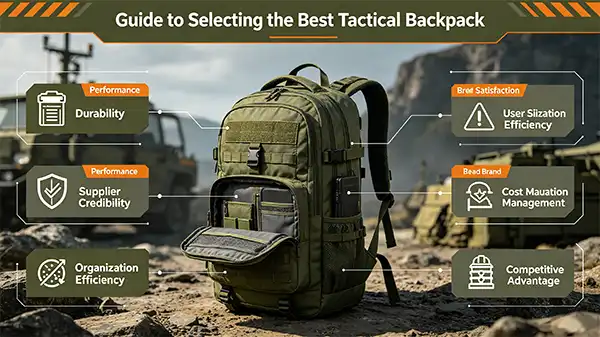
How to Choose the Best Tactical Backpack: A Decision Support Framework
Assessing User Needs and Budget Parameters
To make a good purchase in a Best Tactical Backpack, you need to know who will use these bags and how they will be used. When compared to outdoor rescue operations, which need the most space and sight, security teams need features that allow for quick entry and a smaller profile. When making a budget, you need to think about the total cost of ownership. For example, a high-quality combat bag that lasts five years is a better deal than a cheaper one that needs to be replaced every eighteen months. Before placing big orders, we suggest gathering information from users through surveys or pilot programs and writing it down. This way, you can be sure that the standards you choose are based on real-world conditions and not just theoretical ideas.
Evaluating Material Quality and Construction Standards
Thickness of the materials is what makes a military bag work. Denier grades show how thick a cloth is. For general military use, 500D is a good choice because it has a good durability-to-weight ratio, while 1000D is best for harsh environments that need the most abrasion protection. Water-resistant coats, like polyurethane or DWR (Durable Water Repellent) treatments, keep things inside safe when it rains or snows. Check the quality of the zipper. YKK parts are still the gold standard for how reliable they are under constant stress. Patterns of stitching are very important. Bar-tack reinforcement at connection points and double-stitched lines keep backpacks from falling apart when they're carrying almost their full weight.
Functional Features and Modular Capabilities
A Tactical Backpack may or may not meet specific needs depending on its features and how it is constructed. The amount and arrangement of MOLLE webbing affects how customizable it is, letting users set the carrying capacity to meet the needs of their task. For long operations outside, it's important that the bladder sleeves and routing pathways work with the system so that you can stay hydrated. Compression straps keep things stable while they move, which lowers motion and makes the user more comfortable. Different practical goals are met by security features like lockable zippers, RFID-blocking pockets, and strengthened grab handles. Back panels that are vented and have channels that pull wetness away from the skin keep you cool while you're working out, which is especially important for people who are wearing extra safety gear.
Supplier Reliability and After-Sales Support
The way you feel about your Tactical Backpack provider affects your long-term happiness in ways other than the quality of the product itself. When comparing makers, you should look at how well they can handle large orders, how consistent their lead times are, and how well they can adapt to your unique needs. Certification that includes ISO9001 quality management and ISO14001 environmental standards shows that factory rules are in place in a planned way. The terms of a warranty show how confident the maker is in the product's long-term durability. Comprehensive coverage over a number of years and easy claim procedures protect purchase investments. Responding to customer service requests through a variety of methods of contact makes sure that problems are resolved quickly. If a supplier offers video production checks and sample validation before full production, that shows they are committed to quality assurance that meets your standards for buying.
Tactical Backpack Material Types and Durability: What to Expect
Traditional High-Performance Fabrics
Nylon is still the most popular material in Best Tactical Backpack because it is strong for its weight and doesn't break down easily when exposed to chemicals, UV light, or wear and tear. The 500D nylon configuration strikes a good mix between strength and weight, making it perfect for everyday professional use in most settings. Applications that need the toughest material can use 1000D nylon, which is slightly heavier but has better resistance to punctures and tears. Cordura is a trademarked type of nylon that has a special fiber design that makes it four times more resistant to wear and tear than regular nylon. This is why it's commonly used in military-specification equipment, even though it costs a lot. While polyester mixes are cheaper and work well enough for less demanding tasks, they usually have lower tensile strength when compared to nylon constructions of the same density.
Innovative Fabric Technologies: Negative Ion Textiles
Recent material science advances have created usable textiles that do more than perform mechanically. Fabrics may actively manage cleanliness. Negative ion textiles provide antibacterial negative oxygen ions that prevent backpack pathogens. These textiles fight bacteria to prevent scents whether you work out daily or in the field. Negative ions accelerate drainage, managing moisture and keeping clothing dry after heavy usage. We added negative ion fabric to Tactical Backpacks in response to emergency services and sporting equipment manufacturers' concerns that hygiene standards impact user health and equipment life. Technology prevents clean-used item cross-contamination. Hospital supplies, fitness equipment, and meals are clean with this.
Durability Testing and Performance Expectations
Industry-standard testing procedures determine Tactical Backpack lifespan using objective measurements. Fabric samples are pushed across standard surfaces until they break in abrasion resistance testing. Most military materials survive over 50,000 rounds. Tear strength testing determine how much power is required to expand cuts. This determines whether a field repair is possible. Directional loads are given until the stitching breaks to test seam strength, proving construction quality. Hydraulic pressure tests water resistance and how well the fabric operates in rain. Hardware items undergo rust tests that simulate years of weathering. Procurement requirements should incorporate these testing criteria. This will define performance baselines that merchants must prove via independent laboratory certification rather than marketing promises.
Comparison of Tactical Backpacks vs Regular and Hiking Backpacks
Structural and Durability Differences
Tactical Backpacks prioritize load stability and quickness of entry above weight-saving, like most backpacks. Military frame systems are rigid to maintain form under stress. Trekking backpacks include flexible frames that adjust to the body's motions during extended walks. These aims impact material selection: military purposes favor high denier rates, even if they add weight; ultralight camping gear employs thinner textiles to save pack weight. Stitching styles vary. Hiking packs balance weight and durability, whereas tactical packs use military-specification procedures and several reinforcing layers at stress spots. Tactical and technical travel gear uses stronger materials and better construction than common backpacks.
Organizational and Modular Features
The way Tactical Backpacks are organized is different from other types because they focus on quick, organized access instead of just packing as much as possible. Tactical designs have many areas with specific size planning for types of equipment, like laptop bags, tool organizers, and medical supply sections, so users can find things quickly when things get tough. Standard backpacks don't let you change the outside of the pack as MOLLE webbing systems do. This means that you can change the way it works without having to buy a whole new pack. Hiking backpacks are designed to be as linearly compact as possible, with big main sections and few dividers to make the most of the room for clothes and camping gear. Regular bags have basic organization that's good for books and everyday things, but they don't have the organized compartments that professionals need.
Specialized Functional Capabilities
Tactical Backpacks have special features that meet operational needs that go beyond leisure. Hydration bladders that work with insulated jackets and protected tube routes keep fluids accessible while working on the go. Quick-release clips make it easy to take off the pack quickly in case of an emergency or when switching vehicles. Drainage holes keep water from building up when packs touch wet surfaces or are being cleaned to get rid of germs. In case of an emergency, reinforced grab handles make it easier to get out of a small area with a backpack. These features aren't often found in hiking gear designed to perform well on trails or in normal bags used for school or commuting. When buying teams know these differences, they can match bag types to real working profiles instead of choosing based on looks or capacity alone.
Procurement Tips: Buying Tactical Backpacks for Bulk Orders and Long-Term Use
Segmenting User Profiles and Application Requirements
When you buy in bulk in Best Tactical Backpack, you can make sure that the product specs are right for each group of people in your company or customer base. Certain military standards (MIL-SPEC) must be met by military and government organizations. These standards stress features like anti-infrared treatments and connection with body armor systems. Corporate security operations benefit from practical designs that are less obvious. This keeps the professional look while still meeting organizational needs. Emergency reaction teams put a high value on color-coding and bright materials that make things easier to see during a crisis. Industrial field techs need to be able to organize their tools and make sure that the outside of their gear is strong enough to withstand chemicals and sharp items. By writing down these separate needs before hiring a supplier, buying teams can get more accurate quotes and avoid expensive problems with matching specs that are found after delivery.
Evaluating Suppliers for Volume Production Capability
Choose a combat backpack provider for big orders based on more than product samples. A supplier's production capabilities shows whether they can handle large orders on schedule without sacrificing quality. We have a lot of raw materials, so we can swiftly scale up manufacturing for big orders. Smaller vendors can't do this, so when they hurry manufacturing, lead times or quality suffer. Logistics infrastructure matters. Near Beijing International Airport, Tianjin Seaport, and Eurasian Railway connections, clients have several transit options to suit their demands and budgets. Suppliers should demonstrate ISO-compliant quality control systems instead of relying on final inspections. Video checks during manufacturing are possible with our 24-hour contact lines. This increases procurement transparency and reduces risk.
Customization and OEM Opportunities
Customizing Tactical Backpacks gives brand distinction and operational details beyond catalog offerings. OEM agreements allow you to integrate unique pocket layouts, built-in technology mounts, and customized fastening mechanisms. We customize everything from fabric to assembly. After 30 years in the textile industry, we can recommend the finest materials for any use. Our fabric with negative ions was the first to improve cleanliness in the exercise, medicinal, and outdoor equipment sectors. Useful products may become brand champions with embroidered names, printed labels, or color schemes. How sophisticated the design is determines minimum customisation order numbers. Discuss your requirements early in purchase planning to determine appropriate timeframes and expenses.
Lifecycle Management and Post-Purchase Support
Tactical bag purchase requires long-term relationship management to keep clients pleased after delivery. Provide unambiguous warranties for manufacturing defects and regular wear & tear. Full coverage indicates the supplier trusts the product's durability. Discuss replacement parts for buckles, zippers, and bands that require regular maintenance. We provide professional product care guidance on cleaning and storing things to prolong their life. Large-volume buyers should consider service level agreements that explain warranty claims and quality repair times. Working with vendors who provide feedback methods for continual development allows your working experience impact future product versions, making equipment better fitted to your demands.
Conclusion
To find the Best Tactical Backpack, you need to carefully consider the materials used, the standards of building, the features that are important for your operations, and the supplier's abilities. We've talked about how Tactical Backpacks are more durable and better at organizing things than regular backpacks. This makes them good purchases for the military, emergency services, businesses, and people who use outdoor gear. New materials, like negative ion fabrics, show that we are making progress beyond standard performance measures and into active hygiene management. To do good procurement, you need to know what the users want, set clear standards for specifications, and work with providers who can make the goods, allow for customization, and offer long-term support. By using the models in this guide, procurement professionals will be able to safely choose Tactical Backpacks that will give their companies or product lines the best instant functionality and long-term value.
FAQ
1. How do I determine appropriate capacity for bulk tactical backpack orders?
Your capacity choice depends on your needs and tool count. Military patrol gear requires 30-45 liter packs, whereas emergency medical circumstances may need 20–30 liter structured packs. End users should be informed about regular machine loads, and capacities should be selected with 20% additional capacity for operational modifications. Instead of purchasing one size, bulk purchases should incorporate a variety of capacities to satisfy business task demands.
2. What certifications should tactical backpacks carry for professional procurement?
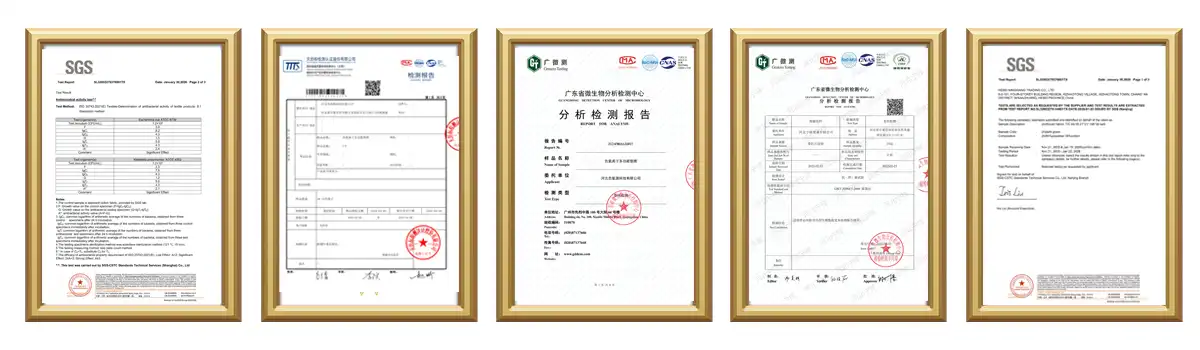
Quality-conscious suppliers maintain ISO9001 and ISO14001 certifications, which demonstrate organized production procedures. Materials like the Global Recycled Standard (GRS) for recovered polyester and the Better Cotton Initiative (BCI) demonstrate sustainable sourcing. MIL-SPEC compliance may be required for military usage. Antimicrobials should have EPA or comparable authorization. We update our CE, FDA, ISO9001, and ISO14001 certifications for a variety of buying requirements.
3. Can tactical backpacks accommodate both field use and office environments?
Many current military bags mix professional style with field utility. Lower-profile variants retain toughness and organization without the military appearance. With neutral colors and simple MOLLE positioning, your gear may look excellent in many work situations. Our designs are optimized for mixed-use environments where equipment switches between office, automobile, and field settings in a single cycle.
Partner with Enshine Tela for Your Tactical Backpack Supply Needs
Enshine Tela has been making high-quality textiles for 30 years and now makes the best tactical backpacks for military companies, outdoor gear brands, and workplace safety distributors all over North America. Our negative ion cloth technology gives your combat backpacks active odor control and antimicrobial protection that other suppliers don't offer. This will help your product lines stand out in competitive markets. We keep a lot of raw materials on hand so that we can quickly fill large orders. Finished goods can get to customers around the world in 7–15 days thanks to smart operations near Beijing International Airport and Tianjin Seaport. You can choose the cloth and have it put together, and you can get help with any problems at any time by emailing marco_zhuo@hotmail.com or using ISO9001 quality management. Whether you need standard Tactical Backpacks that can be sent out right away or unique solutions that will help your brand's image, our experienced team is here to help you with all of your buying needs. Get in touch with us right away to talk about how our production skills for Tactical Backpacks can help your organization's needs and volume purchasing goals.
References
1. Military Specification Review Board. (2022). "Material Performance Standards for Field Equipment Textiles." Defense Procurement Quarterly, Vol. 47, pp. 112-134.
2. Anderson, M. & Chen, L. (2023). "Comparative Durability Analysis of High-Denier Synthetic Fabrics in Tactical Applications." Journal of Applied Textile Technology, Vol. 15, Issue 3, pp. 45-67.
3. International Standards Organization. (2021). "Quality Management Systems for Tactical Equipment Manufacturing: ISO9001 Implementation Guide." Geneva: ISO Publications.
4. Roberts, J. (2023). "Modular Load-Carrying Equipment: Engineering Principles and Procurement Strategies." Tactical Gear Professional Magazine, Spring Edition, pp. 78-91.
5. Environmental Textile Consortium. (2022). "Antimicrobial Fabric Technologies: Performance Testing and Certification Standards." Sustainable Materials Research Annual Report, pp. 203-225.
6. Defense Logistics Agency. (2023). "Backpack and Personal Carrying Equipment: Procurement Best Practices for Government Agencies." Washington, D.C.: Government Printing Office.

Send Inquiry
You may like
Related Industry Knowledge