Choosing the Right Tactical Backpack for Your Mission
2026-07-06 16:27:39
There's more to choosing a mission-ready Tactical Backpack than just looking at prices and colors. Advanced material science, ergonomic engineering, and tactical flexibility are all built into the Best Tactical Backpack to help workers in the military, law enforcement, outdoor leisure, and industry. When buying things affects the success of a project and the safety of users, it's very important to know about new fabric technologies, capacity needs, and suppliers' abilities. Enshine Tela's negative ion textile technology is a big step forward in useful fabrics. It solves problems with hygiene, odor control, and equipment safety that regular fabrics can't.
Understanding Tactical Backpacks and Their Key Features
What Makes Tactical Backpacks Different from Regular Backpacks
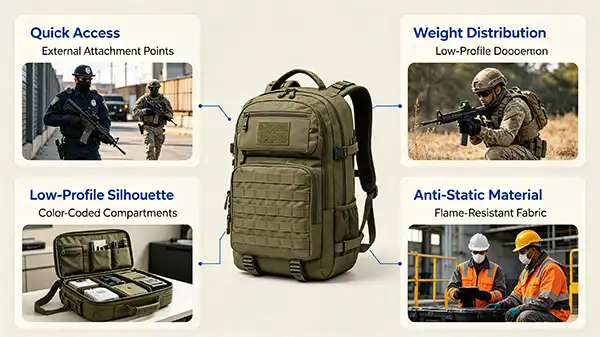
Tactical carrying systems are designed to do specific jobs that regular bags can't do. Professional-grade Tactical Backpacks focus on being durable in harsh situations, having flexible attachment systems, and load distribution engineering. Consumer-grade backpacks focus on fashion and basic storage. Military-grade materials don't wear down easily or get damaged by the surroundings after years of use in the field. By adding MOLLE webbing, users can change the outside configurations to fit the gear they need for each task. This makes platforms that can be used in different ways instead of set storage solutions.
Core Material Technologies That Define Performance
Fabric choice affects how long something lasts, how comfortable it is, and how well it protects. Traditional materials, such as 1000D Cordura nylon, are very resistant to tears, but new technologies are now available that offer even more benefits. Negative ion fabrics are a big step forward because they stop germs from growing and get rid of smells by emitting ions. Enshine Tela's special negative oxygen ion fabrics keep things fresh during long operations where regular cleaning isn't possible. This antibacterial feature keeps sensitive equipment from getting dirty and makes deployments easier for repair staff. Waterproof coatings, strengthened stitches at stress points, and UV-resistant treatments all make things last longer in a wider range of climates.
Essential Features for Professional Applications
Organizational effectiveness is more important than measuring capacity. When mission success depends on how easy it is to access, a well-designed 40-liter pack works better than a poorly configured 60-liter choice. Compartmentalization groups things like hydration systems, tools, medical supplies, and ammo based on how often they need to be accessed and how safe they need to be. Weight is moved to the hip belts by padded shoulder straps with load-lifter changes. This keeps the spine from squeezing during long trips. When people work out hard, ventilated back panels keep them comfortable by preventing sweat from building up. Quick-release clips make it easy to take off quickly while driving or in an emergency.
How to Choose the Right Tactical Backpack for Your Specific Needs
Defining Operational Requirements and Mission Profiles
The job of procurement specialists is to turn operational events into Best Tactical Backpack technology requirements. When police officers are on watch, they need to be able to quickly reach less-lethal tools and contact devices. They prefer small designs with external attachment points. For military reconnaissance trips that last more than one day, bigger capacities are needed, with a focus on weight distribution and low-profile silhouettes. First responders to medical emergencies need well-organized sections with color-coded access that put speed over storage space. To follow the rules at work, industrial safety products need to be made of anti-static materials and flame-resistant materials. By matching Tactical Backpack design to user processes, gaps in capabilities that hurt business efficiency can be avoided.
Evaluating Material Standards and Certification Compliance
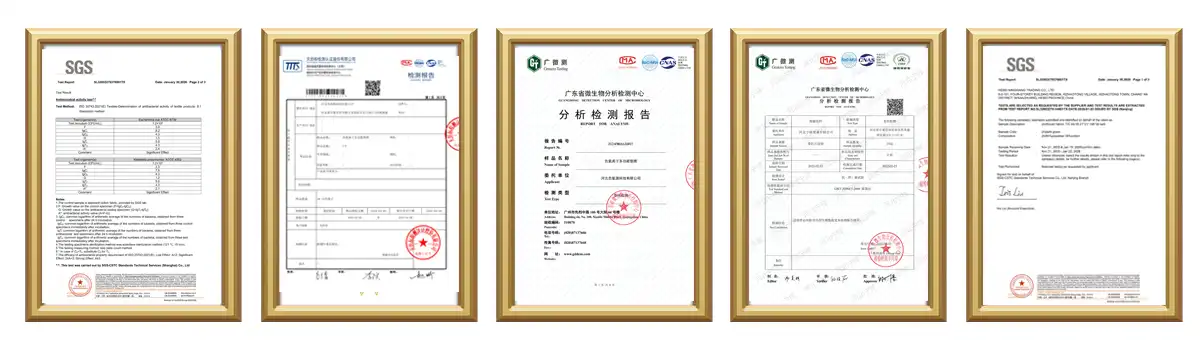
International norms give us a way to objectively measure quality. ISO 9001 recognition shows that the production process is consistent, and CE and FDA approvals show that the product is safe for certain uses. Instead of only believing what the maker says, procurement managers should check third-party testing documents. Specifications for materials show how long they will last. For example, denier grades show how dense the fabric is, thread counts show how tears spread, and protection technologies show how resistant the material is to the weather. Negative ion cloth certificates should show that the fabrics are effective at killing microbes by showing lab test results. Along with BCI and GRS credentials, Enshine Tela keeps ISO 9001 and ISO 14001 certifications. This makes sure that quality is consistent and that the company is environmentally responsible throughout all of its production processes.
Capacity and Ergonomic Considerations for Different Users
Different body frames need suspension systems that can be adjusted. When you wear a pack that fits right, the weight is over your center of gravity, which keeps you from getting tired and hurt. The torso length can be changed to fit people of different heights, and the hip belt sizes make sure that the load is transferred correctly. When choosing a capacity, you have to weigh the task needs against the extra weight that comes with it. Each extra liter of empty weight lowers the amount of material that can be used. Scalable setups are possible with modular designs because users can add or remove parts based on specific needs instead of keeping up with multiple full systems.
Top Tactical Backpacks of 2026 — Comparison and Decision-Making
Military and Law Enforcement Applications
When buying things for defense, proven dependability is more important than new features. Platforms that are already in use are tested in the field for years before they can be standardized. The military currently prefers choices with a mid-capacity range of 35 to 50 liters, which balances the need to carry a lot of stuff with the need to be mobile. Anti-infrared treatments stop thermal signature tracking, and the strengthened drag handles make it possible for people to be evacuated. Law enforcement models focus on getting around cities quickly by having smooth bodies that can move through car trunks and building hallways without getting stuck.
Adding negative ion technology solves a problem that has been bothering extended operations for a long time. Traditional materials hold on to wetness and grow bacterial colonies, which can lead to health problems and equipment wear and tear. Negative oxygen ion textiles actively clean tight spaces, keeping clothes fresh during multi-day trips where washing isn't possible. This new idea helps rescue workers and special operations units the most, since they can't stop their work to fix broken equipment.
Outdoor Recreation and Professional Photography
For civilian uses, the sturdiness of Best Tactical Backpack needs to be the same, but the ease needs to be better. For hiking trips, you need protection from the weather and a way to keep your water, and for professional photographers, you need padded tech sections with easy-access designs. When people have to move systems over long distances without backup cars, weight optimization is very important. Some toughness is lost when materials are made to be light, but the user can choose which trade-offs are most important to them. Compression straps keep loads stable while they move, which stops gear shifts that can throw off your balance on rough terrain.
Industrial Safety and Specialized Professional Use
Anti-static building is needed in places that make electronics so that electrostatic discharge doesn't damage the parts. In order to follow underground safety rules, mining operations need materials that don't catch fire. Antimicrobial materials that keep patients from getting sick from each other are highly valued in medical settings. Because of these unique needs, custom manufacturing is often necessary instead of off-the-shelf options. Manufacturers that offer both OEM and ODM services can make designs that fit the needs of specific operations while keeping costs low through large production runs.
The customization services offered by Enshine Tela let purchasing managers define exact material combinations, size needs, and useful features. The company has been making textiles for 30 years and can turn technical needs into designs that are ready for production. They help clients from the development of prototypes to full-scale production. This flexibility is especially helpful for businesses that need equipment that doesn't come in normal sizes or shapes that can't be met by commercial goods.
Procurement Considerations: Where and How to Buy Tactical Backpacks
Evaluating Supplier Credibility and Manufacturing Capabilities
Continuity of operations depends on how reliable the supply line is. Before forming partnerships, people who work in procurement should look at the companies' production capabilities, quality control systems, and delivery history. Site visits show how advanced the production process is. For example, automated cutting systems make sure that the dimensions are always the same, and climate-controlled building areas keep materials from breaking down while they are being made. Third-party audits check claims of compliance and make sure that certifications reflect real practices instead of just paperwork.
Finding good sources for raw materials affects both quality and quantity. When there are problems with supplies, suppliers who keep large stocks of fabric can quickly fill pressing orders, but suppliers who work on the "just-in-time" model risk delays. Enshine Tela has a lot of materials on hand, so they can make samples quickly and fill big orders quickly, so clients can meet tight deadlines without lowering quality standards. Because of its location near Beijing International Airport, it is easier to move goods quickly. For example, when time is of the essence, air freight can send goods around the world within three to five days.
Bulk Purchasing Strategies and Customization Options
When you make a volume promise for Best Tactical Backpack, you can get better prices and make sure you have enough inventory. Long-term supply deals help budgets by making sure that production capacity is allocated during times of high demand. Customization adds value by making brands stand out. Private labeling, proprietary color schemes, and custom pocket configurations give products their own personalities that help them place themselves in the market. When negotiating tooling costs and minimum order amounts, you have to weigh upfront investments against savings per unit and benefits over the competition.
Diverse transportation lowers the risks of operations. For non-urgent bulk shipping, ocean freight is the most cost-effective option. Rail links through Eurasian routes offer a middle ground between speed and price. Enshine Tela is conveniently located near Tianjin International Seaport, which makes it a good choice for shipping because it offers reasonable rates and regular departure times. Multimodal options let clients choose the best shipping solutions based on how quickly they need to deliver and how much money they have to spend.
Warranty Terms and After-Sales Support
Full warranty protection keeps buying investments safe from flaws in the manufacturing process and early failures. Claims handling goes more smoothly when there are clear terms that spell out the length of coverage, how to replace items, and performance promises. Responding customer service quickly fixes problems—being able to talk and write 24 hours a day, seven days a week makes sure that problems get rapid attention no matter what time zone they happen in. Video inspection choices during production cycles make things clear, so clients can check quality standards before shipments go out instead of finding problems after the fact.
Testing methods should match the apps that are meant to use them. Suppliers who do thorough quality checks based on what the customer wants show they are committed to performance standards. Enshine Tela carefully checks the quality of all of its manufacturing processes, using both automatic inspection systems and human checks to find problems before the goods leave the factory.
Best Practices for Using and Maintaining Tactical Backpacks
Optimizing Load Distribution for Mission Efficiency
The right way to pack changes comfort and ease of entry. Things that are heavy should be put high and close to the back of the pack so that the weight is above the body's center of gravity. Items that you use often should be kept in external pockets or top sections, so you don't have to open whole loads to get them. Compression systems keep things stable while they're moving, stopping changes that throw off balance and make you tired. Hydration bladders should fit snugly against the back panel. This will keep the weight evenly distributed and let you drink without using your hands thanks to built-in tube systems.
Routine Maintenance Protocols That Extend Service Life
Regular cleaning keeps dirt, salts, and biological leftovers from breaking down materials. Harsh chemicals and high temperatures damage waterproof treatments and structural fibers, but mild washes and cool water keep coatings in good shape. Air drying stops mildew growth that can't be stopped by normal heat sources once it starts. Periodic inspection finds problems before they become major ones. For example, loose stitching needs to be fixed right away, worn-out buckles need to be replaced, and broken zippers should be fixed by a professional instead of being made to work until they break completely.
Negative ion fabrics make care easier because they actively stop bacteria from growing and smells from building up. Because it kills microbes, it doesn't need to be cleaned as often, so longer periods of time pass between deep maintenance processes. Users gain from long-lasting freshness even during long runs when it's not possible to clean everything thoroughly.
Storage Best Practices During Non-Operational Periods
Keeping things in the right way during quiet times keeps them safe. To keep mildew and dust from building up, packs should be empty, cleaned, and dried completely before being stored. Hanging storage stops compression deformation that weakens structures, and climate-controlled spaces keep temperatures and humidity from getting too high or too low. Periodic checking during storage finds problems early and allows preventive maintenance before they get worse and need expensive fixes or replacement before they're due.
Conclusion
To choose the best Tactical Backpack carrying systems, you need to know about the task objectives, the available material technologies, and the supplier's abilities. The Best Tactical Backpack combines tried-and-true toughness with new features that solve real-world practical problems, such as negative ion antibacterial fabrics. When making a purchase choice, it's important to look at performance proof through certifications, manufacturer knowledge shown through years of experience in the field, and supply chain reliability shown through delivery records. Because Enshine Tela uses cutting-edge textile technology, offers full customization services, and has a strong transportation network, the company is a good choice for businesses that need reliable combat equipment.
FAQ
1. What capacity tactical backpack do I need for multi-day operations?
Capacity needs are based on the length of the mission and the need to be self-sufficient. Military activities that last three days usually need 45 to 65 liters of space for food, water, ammo, and shelter systems. Police patrol shifts work well with 20- to 30-liter Tactical Backpacks that can hold tools and communication gear that need to be used right away. Think about the amount of equipment you need, not just how long you need it. For example, cold-weather gear that is big needs bigger loads than summer gear that is small but has the same weight.
2. How do negative ion fabrics improve tactical backpack performance?
Negative oxygen ion fabrics give off ions that break down the cell walls of germs and get rid of smell molecules. This technology keeps equipment clean during long processes when cleaning isn't possible, keeping medical supplies and sensitive electronics from getting dirty. The antimicrobial qualities make upkeep easier and increase the time between deep cleaning cycles, which is especially helpful during deployments that don't have access to support infrastructure.
3. What certifications should I require from tactical backpack suppliers?
Consistent quality in manufacturing is confirmed by ISO 9001 certification, and environmental management standards are confirmed by ISO 14001 certification. Product-specific certificates, such as CE marking and FDA approval, make sure that the safety requirements are met for the planned uses. Material qualities like BCI cotton and GRS recovered polyester show that a company cares about the environment. Ask for proof from a third party that the product is antibacterial, won't tear, and is waterproof instead of believing what the maker says without checking it yourself.
Partner with Enshine Tela for Advanced Tactical Backpack Solutions
Enshine Tela has everything that procurement managers looking for a trusted Best Tactical Backpack supplier could want. Our special negative ion fabric technology kills microbes in a way that can be measured. This solves problems with health and equipment safety that regular materials can't. We turn technical specs into mission-ready goods with ISO-certified quality systems, 30 years of experience making textiles, and OEM/ODM customization services. Strategically placing logistics hubs near Beijing International Airport and Tianjin Seaport gives customers a range of shipping choices. Within five days, air freight can bring goods anywhere in the world, and rail and water transport make the most of the economics of large orders. Get in touch with marco_zhuo@hotmail.com to talk about your needs and get models that show off our advanced fabric technologies.
References
1. Smith, J. A. (2023). Advanced Textile Technologies for Military Applications. Defense Materials Research Institute Press.
2. Thompson, R. L., & Chen, M. (2024). Ergonomic Load-Bearing Systems: Engineering Principles and Field Performance. Journal of Tactical Equipment Design, 18(2), 145-167.
3. Martinez, C. D. (2023). Antimicrobial Fabric Innovations in Professional Gear Manufacturing. International Textiles Review, 45(4), 89-103.
4. Defense Procurement Standards Committee. (2024). Specification Guidelines for Tactical Carrying Systems. Government Publishing Office.
5. Williams, S. K. (2023). Supply Chain Management for Specialized Equipment Procurement. Industrial Logistics Quarterly, 31(3), 210-228.
6. Anderson, P. T., & Liu, H. (2024). Material Science Advances in High-Performance Outdoor Equipment. Applied Textiles Technology Journal, 12(1), 34-52.

Send Inquiry
You may like
Related Industry Knowledge