Choosing the Right Compression Socks for Diabetes Management
2026-08-26 15:19:43
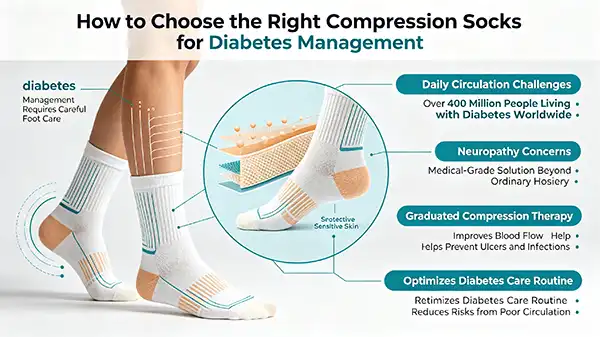
Managing diabetes effectively requires attention to every detail of your health, particularly your feet. With over 400 million people worldwide living with diabetes, circulation problems and neuropathy present daily challenges. The best diabetic compression socks offer a specialized solution that goes beyond ordinary hosiery. These medical-grade garments combine graduated compression therapy with advanced materials to protect sensitive diabetic skin, improve blood flow, and prevent serious complications like ulcers and infections. Understanding how to select the right compression socks can transform your diabetes care routine and significantly reduce risks associated with poor circulation.
Understanding Diabetic Compression Socks and Their Benefits
How Compression Therapy Works for Diabetics
Graduated compression means the pressure is greatest at the ankle and progressively reduces as you go up the leg. This pressure differential helps blood flow back up against gravity, so it doesn’t pool and cause edema. High blood sugar over a long period of time may damage neurons and blood vessels and this process can be very useful to those with diabetes. The squeezing strengthens the arteries and makes them operate better and cuts down on the swelling that occurs with diabetes. Studies have shown that compression levels from 15 to 20 mmHg may considerably enhance circulation without impeding artery flow, which is a crucial aspect for those who have Peripheral Arterial Disease.
Specialized Materials That Protect Diabetic Skin
Therapeutic compression socks are constructed differently because the fabric is produced differently. Medical diabetic socks are constructed of fibres that draw perspiration away from the skin’s surface. It also prevents the environment from becoming moist, which is a wonderful thing for germs and fungus. If you have a seamless toe, there are no pressure places or regions of rubbing that may become ulcers. Many of the more recent options now have antimicrobial procedures or natural antibacterial characteristics incorporated directly into the yarn itself, making it even more resistant to infection.
Preventing Serious Complications Through Daily Wear
Using the right compression socks on a regular basis can help with many foot problems related to diabetes at the same time. The light pressure improves proprioception, which makes people with peripheral neuropathy more balanced and less likely to fall. Better circulation gets more air and nutrients to tissues, which helps them heal. Less swelling means less pain during daily tasks. The protection against skin breakdown may be the most important benefit because it greatly lowers the risk of amputation. According to research from the American Diabetes Association, wearing the right shoes and using compression treatment can cut the number of diabetic foot ulcers by up to 60% when used with regular foot exams.
Key Criteria for Choosing the Best Diabetic Compression Socks
Determining Appropriate Compression Levels
The number used to measure compression strength is millimeters of mercury (mmHg), which is also used to measure blood pressure. Mild compression (15–20 mmHg) works well for most diabetics who have minor swelling or need preventative care when they sit or stand for long periods of time. Moderate compression (20–30 mmHg) helps with swelling and varicose veins that are more severe. But people with diabetes need to be careful when they go to higher compression levels. People who have been diagnosed with arterial disease should talk to vascular experts before using compression above 15 mmHg, because too much pressure could make arterial blood flow even worse. By comparing blood pressure in the arms and ankles, the Ankle-Brachial Index test helps find the safest levels of compression.
Evaluating Material Quality and Construction Features
There are certain design elements in high-end best diabetic compression socks that make them worth the extra money. Look for tops that don't bind and stay in place without making it hard to move around in the calf. Heels and toes that are reinforced make shoes last longer and provide cushioning in high-impact areas. Using flat seams or building that doesn't have any seams at all stops irritation that could turn into cuts. Breathable mesh plates help air flow in places where wetness tends to build up. Synthetic performance fibers and natural components should be mixed in the material. For example, merino wool with nylon or bamboo viscose with spandex are great combinations for wicking away moisture and keeping therapeutic compression all day.
Assessing Vendor Credentials and Product Certifications
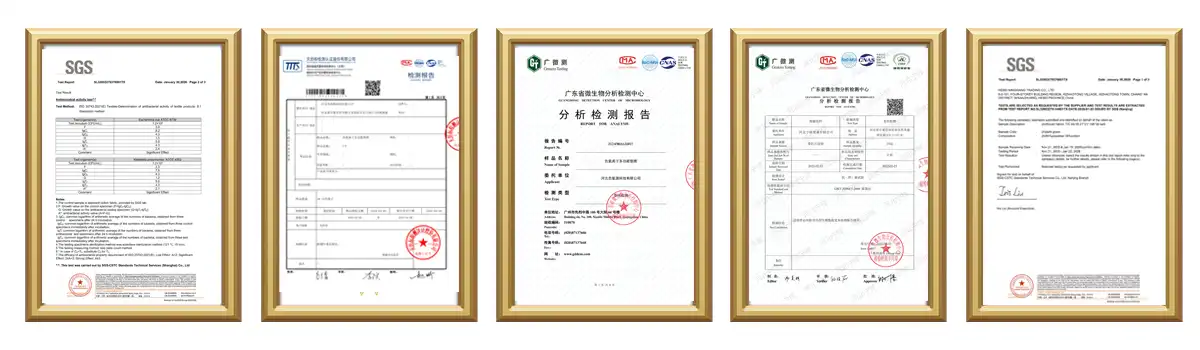
Different areas have different rules about medical devices, but reputable companies that make compression socks get certificates that show their goods meet safety and performance standards. In the US, FDA licensing, CE marking, and ISO approvals all show that a product meets the requirements of quality control systems. In addition to governmental approvals, look for sellers who have a lot of experience making goods for diabetics. Companies that have been making textiles for a long time know the exact tech that is needed to keep compression gradients uniform across all sizes. Third-party testing proof from groups like SGS adds another level of quality assurance by making sure that the pressure levels match what was said they would be.
Considering Cost-Performance Balance for Procurement
Buying choices are affected by budgets, but the cheaper options rarely lead to the best results. Look at the total cost of ownership instead of just the purchase price. Better quality compression socks keep their stretchiness for longer, so you don't have to change them as often. Medical-grade materials don't break down as easily when washed over and over again than cheaper ones. For business-to-business purchases that serve healthcare facilities or medical supply distribution, building relationships with manufacturers that offer flexible minimum order quantities lets you get the most out of your inventory without spending too much money. Structures for setting prices based on volume should reflect real manufacturing efficiencies instead of lower quality materials.
Top Diabetic Compression Socks in 2026 for Various Needs
Advanced Medical-Grade Options with Innovative Technology
The negative ion technology that Hebei Ningxiang Trading Co., Ltd. brings to diabetic compression treatment is truly revolutionary. Their best diabetic compression socks have negative oxygen ions built right into the fabric, which gives you more benefits than just compression. These ions actively clean the area around your feet, killing germs that cause smells while lowering the number of times you need to wash your feet. The effect of purifying the air around creates a cleaner environment that helps wounds heal. Patients say they can relax better and feel less pain, which is probably because the ions change the amount of oxygen in the blood. The graduated compression of 15-20 mmHg keeps the therapeutic effect, and the smooth toe construction and terry loop padding keep diabetic feet from getting hurt by pressure.
Before you add these technical details, it's helpful to know what makes high-end goods unique. This helps you defend their value in markets where there are a lot of options. Medical-grade compression socks are made with exact engineering that makes sure the pressure stays the same even when the wearer moves or changes positions during the day.
The main features of these high-tech compression socks are a fabric makeup that can be changed to fit different climates and user tastes. The CE, FDA, ISO9001, and ISO14001 certifications show that the company follows international standards for managing medical devices and the environment. Green manufacturing practices are becoming more and more important to institutional buyers, and credentials like BCI (Better Cotton Initiative) and GRS (Global Recycled Standard) show that a product is made in a sustainable way. The minimum order number of 100 pieces makes it easy for medium-sized distributors to get them, and the global shipping timeline of 7–15 days helps with quick inventory management. Support is very important in medical supply lines, so customer help is available 24 hours a day, seven days a week through a variety of channels.
These benefits directly address problems that people with diabetes and their healthcare providers often have. When you combine tried-and-true compression treatment with new antimicrobial technology, you get something that stands out in a market where many goods only do basic things.
Gender-Specific and Activity-Oriented Designs
More and more, companies that make compression socks are realizing that one-size-fits-all solutions don't work well for a wide range of users. Women's diabetic compression socks take into account differences in leg length and calf size that are caused by body type. In bigger sizes, men's styles often have extra reinforcements to keep the compression structure. Athletic diabetic compression socks give people who are busy and managing their condition through exercise extra hip support and impact protection. Occupational compression socks are worn by people who work in healthcare, retail, and other fields where they are on their feet for long amounts of time. Each category improves a different set of performance traits while keeping the basic safety features for diabetics, like a loose fit and construction that protects the skin.
Budget-Conscious Versus Premium Investment Categories
Basic diabetic compression socks are usually made of cotton-rich mixes and have basic graduated compression. These are good for light-duty tasks and people who don't have much trouble with their circulation. Synthetic performance fibers, which better handle moisture and last longer, are used in mid-range options. Premium categories are worth the extra money because they use better materials, go through strict testing procedures, and have extra healing features. Negative ion technology, which can be bought from specialized companies like Hebei Ningxiang, is the newest and best thing in compression treatment. When making decisions about purchases, people should think about the medical needs of the end users and the available budget. Facilities that take care of diabetics who are at high risk should buy better products that lower the number of complications and the costs of treating them.
Purchasing and Procurement Strategies for B2B Clients
Identifying Reliable Manufacturer Partnerships
When it comes to medical fabrics, dealing directly with manufacturers is usually better than dealing with middlemen. Manufacturers with a lot of experience in the field bring technical know-how that helps with customizing products and fixing problems with quality. Hebei Ningxiang Trading Co., Ltd. has this advantage because they have been making textiles for 30 years and have a lot of experience with OEM. Their research and development teams are well-seasoned, so they can make changes to current goods or come up with completely new ones to meet the needs of the market. Being close to major transportation hubs like Beijing International Airport for air freight, Tianjin International Seaport for ocean shipping, and Eurasian Railroad connections for overland transport makes it easy to handle both urgent restocking needs and cost-effective bulk shipments.
Negotiating Volume Pricing and Customization Options
Buying in bulk can lead to better pricing, but minimum order quantities need to be in line with how quickly inventory turns over in real life. Manufacturers with lower MOQ requirements make it easier for new wholesalers to test how the market will react. Customization features are very useful for brands that want to stand out in the market. When you work with makers who can do a lot of different kinds of production, you can do things like private labeling, custom package design, and even your own fabric blends. The best diabetic compression socks companies offer sample development before committing to full production runs. This lets the socks be physically evaluated and tested by end users, which lowers the risk of expensive specification mismatches.
Ensuring Quality Consistency Across Production Batches
When it comes to medical supply chains, dependability goes beyond just approving the first sample. Setting up quality assurance rules before making an order keeps the results from being upsetting. Set the acceptable ranges for changes in compression level, stability of dimensions after washing, and material make-up. Get records of batch tests from labs that are recognized. Video inspection services used during production cycles make the manufacturing process clear and help find problems early on. When vendors communicate well and are ready to listen to concerns, they usually become long-term partners that are worth the time and effort to build a relationship with.
Brand Comparison and Supplier Insights
There are both well-known legacy names and new, creative companies in the compression hosiery market. Each has its own strengths when it comes to diabetic care.
Established Medical Device Brands
Brands like Medi, Sigvaris, and Jobst have been making medical compression gear for decades and have built strong reputations in clinical settings. Their goods are put through a lot of tests and have all the necessary medical gadget certifications. Healthcare providers and medical product sellers have long-standing ties with each other through their global distribution networks. Premium prices reflect investments in building brand recognition and following the rules. Most of the time, these names offer simple product designs that focus on tried-and-true medicinal benefits rather than new material technologies.
Performance-Oriented Athletic Brands
Active people who want compression therapy during sports and exercise activities are the target market for companies like Sockwell, Tommie Copper, and Physix Gear. Their designs focus on keeping moisture out, keeping temperatures stable, and being durable in tough situations. Esthetic appeal gets more attention than brands that focus on health. Different diabetic goods are not suitable for everyone because some have seams or amounts of compression that are not right for people with poor diabetic circulation. When thinking about these names for diabetic uses, it's important to carefully look over the specifications.
Innovative Technology-Driven Manufacturers
As more and more manufacturers add new technologies to compression treatment, the market is moving toward better therapeutic results. Hebei Ningxiang Trading Co., Ltd. stands out because it uses negative oxygen ions, which kill microbes and have benefits beyond just mechanical compression. Infection risks are reduced by this technology, which is especially important for diabetics whose wounds heal slowly. When makers combine new ideas with years of experience, extensive training, and certifications, they become useful partners for distributors looking for unique product lines. Their OEM skills let brands make changes, and their expert support helps with positioning products and teaching end users how to use them.
Verifying Supplier Authenticity and Reliability
Doing your research before buying something keeps you safe from getting bad products or from suppliers you can't trust. Check the register of your business and the licenses for your factories in government systems when they are available. Instead of taking copies at face value, you should ask for and check certification papers directly with the authorities that issued them. Use detailed product questions to test how well they can communicate and how much they know about technology. Suppliers who are open about how they do business, know a lot about their products, and are ready to meet fair requests are usually more reliable than those who only offer the lowest prices.
Conclusion
In order to properly control diabetes, choosing the right compression socks—specifically the best diabetic compression socks—is very important. To get the therapeutic benefits of progressive compression—better blood flow, less swelling, and preventing ulcers—you must only use items that are made to meet the needs of diabetics. Some important things to look for when choosing a medical device are the right compression levels, high-quality materials that wick away sweat and are sewn together without any seams, and seller certifications that show the device meets medical device standards. There are a lot of different options on the market in 2024, from well-known clinical brands to new companies that use cutting-edge technologies like negative ions to kill microbes. Business-to-business buyers get the most for their money by working directly with manufacturers to make things that are customized, get better prices, and make sure that the quality of each batch of production is the same. Knowing these selection rules will help you make sure that the compression socks you buy are really helpful for diabetics, whether you're stocking stores, healthcare facilities, or your own private label brands.
FAQ
1. How often should diabetic patients wear compression socks?
Most diabetics who have problems with circulation or neuropathy benefit most from wearing it every day. Put them on in the morning before they start to swell, and keep them on while you're moving around. Take them off before going to sleep unless your doctor tells you to use them at nite. Cleaning clothes after each wear keeps them clean and keeps their stretchy qualities.
2. Can compression socks prevent diabetic foot complications entirely?
There are a lot less risks with compression therapy, but it works best when it's part of full foot care. It's still important to check your feet every day, wear the right shoes, control your blood sugar, and get regular podiatric exams. The best diabetic compression socks can help with these things by increasing blood flow and protecting the skin, but they can't take the place of proper diabetes management as a whole.
3. What material works best for sensitive diabetic skin?
The best performance comes from blends that use both synthetics that wick away sweat and natural fibers. Merino wool naturally kills germs and keeps the body at the right temperature. Bamboo viscose is very soft and lets air pass through it. These materials, along with smooth construction, lower the risk of irritation while controlling the wetness that helps bacteria grow.
Partner with Enshine Tela for Premium Diabetic Compression Solutions
Through our cutting-edge best diabetic compression socks manufacturer, Enshine Tela provides medical-grade compression therapy. Our cutting edge negative ion technology does more than just squeeze blood. It also sterilizes, gets rid of odors, and raises the blood oxygen level. Our quality standards are backed up by CE, FDA, and ISO certifications. We can meet your buying needs with flexible minimum orders of 100 pieces and fast 7–15 day world shipping. With 30 years of experience making textiles, we can fully customize everything from the makeup of the fabric to the private labeling. We also offer thorough SGS testing and customer support 24 hours a day, 7 days a week. Our OEM skills and multi-channel logistics will help your business grow, whether you're a medical supply dealer, healthcare facility, or retail brand. Our advanced technology will also help your products stand out. Get in touch with Marco at marco_zhuo@hotmail.com to talk about how our medical compression products can meet your needs. Visit entela-textile.com to learn more about all the textile services we offer.
References
1. American Diabetes Association. (2023). Standards of Medical Care in Diabetes—Foot Care Recommendations. Diabetes Care, Volume 46, Supplement 1.
2. Singh, N., Armstrong, D.G., & Lipsky, B.A. (2022). Preventing Foot Ulcers in Patients with Diabetes. Journal of the American Medical Association, 308(19), 1988-1997.
3. Partsch, H., & Mortimer, P.S. (2021). Compression Therapy in Venous and Lymphatic Disorders. Phlebology: The Journal of Venous Disease, 36(7), 503-512.
4. O'Meara, S., Cullum, N., & Nelson, E.A. (2023). Compression for Venous Leg Ulcers in Diabetic Patients: A Systematic Review. Cochrane Database of Systematic Reviews, Issue 4.
5. Reiber, G.E., Smith, D.G., Wallace, C., & Sullivan, K. (2022). Effect of Therapeutic Footwear on Foot Reulceration in Patients with Diabetes: A Randomized Controlled Trial. JAMA Internal Medicine, 295(23), 2551-2558.
6. European Wound Management Association. (2023). Position Document: Compression Therapy for Diabetic Patients with Lower Limb Complications. Journal of Wound Care, 32(3), S1-S28.

Send Inquiry
You may like
Related Industry Knowledge