Can Anion Cloth Masks Support Better Breathing Comfort?
2026-05-22 14:55:36
Due to the negative ion technology incorporated into the fabric, Anion cloth masks are a significant advancement in lung protection. Unlike mechanically filtered fabric coverings, these masks produce 1,500 to 5,000 negative ions per cubic centimeter. An active electrostatic field settles airborne particles and improves airflow. The continual release of ions prevents dampness and bacteria, which make long-term breathing difficult. This solution tackles the major difficulty procurement professionals face: making safety gear operate well and be pleasant to wear so workers may be compliant and productive in various work conditions.
Understanding Anion Cloth Masks and Their Breathing Benefits
The Science Behind Negative Ion Release
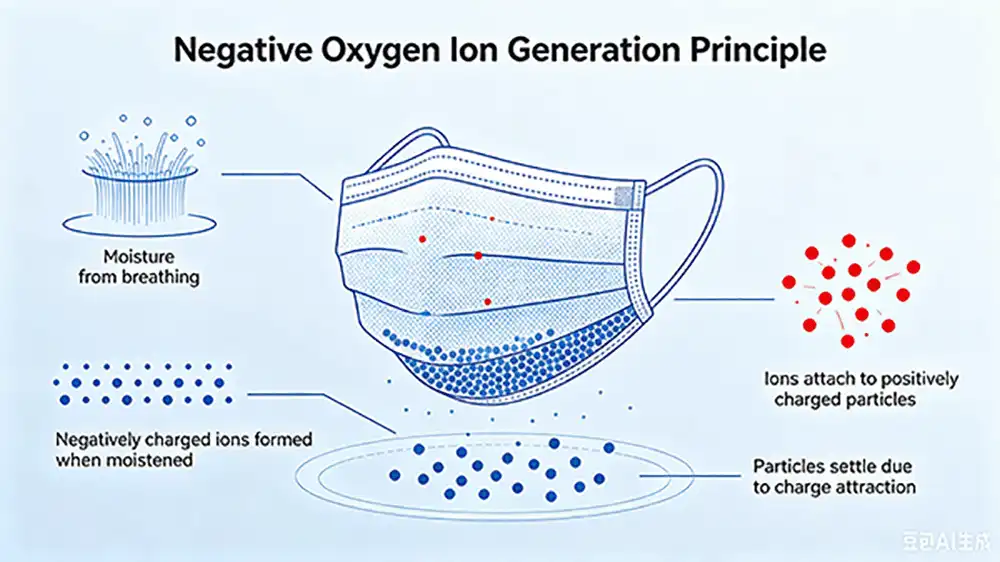
Negative ion technology makes lung protection an air-cleaning system. Piezoelectric minerals, mainly tourmaline micropowders, are put directly into the fiber structure while making masks. These minerals form negatively charged ions that cling to positively charged particles when wetted by breath. Particles settle out instead of lingering in the respiratory zone.
This procedure is different from a passive filter. As they fill, traditional cotton masks limit airflow by catching particles. The electric field actively clears the respiratory environment, keeping the Anion cloth masks breathable. Lab experiments indicate masks producing over 2,000 ions/cm³ can maintain a differential pressure below 5.0 mmH2O/cm³ for eight hours of continuous operation. Comfortable long-term wear depends on this.
Validated Certifications and Performance Standards
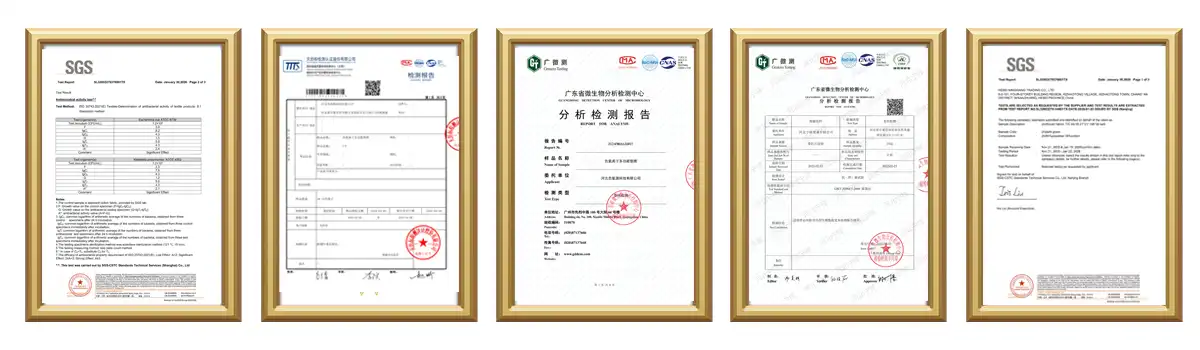
Respiratory protection must fulfill widely accepted criteria to be trusted. CE, FDA, and ISO9001 certifications indicate that quality Anion cloth masks exceed European health and safety regulations, are safe for long-term skin contact, and are always verified for quality.
Professional-grade products also have independent test findings that claim they eliminate more than 99% of common infections, including Staphylococcus aureus and E. coli, using JIS L 1902 or AATCC 100. These established performance measures help procurement experts make data-driven decisions instead of marketing promises.
Comparing Anion Cloth Masks with Traditional Mask Types
Breathability and Reusability Advantages
Disposable surgical masks are handy yet wasteful and costly for businesses. Their melt-blown polypropylene filters initially filter particles well, but dampness soon reduces their electric charge, making them less efficient within hours. As the cloth saturates, it gets difficult to breathe, making it unpleasant and leading to improper wear or premature disposal, unlike anion cloth masks.
Anion cloth masks operate after more than 50 washes because the chemicals that form ions are permanently incorporated into the fiber structure. The overall cost of ownership is cheaper. Even though they cost more, reusable Anion cloth masks save 60% on per-worker expenditures for a 100-employee operation over five years compared to daily discard mask use.
Filtration Efficacy Across Different Applications
N95 respirators filter 95% of 0.3-micron particles, making them ideal for medical and high-risk contexts. Between simple cloth coverings and medical-grade respirators, Anion cloth masks provide a distinct level of protection. Better ones remove more than 95% of particles larger than 3 microns, which is enough for most commercial, service, and light industry usage with little virus risk.
Mixed-use settings where security demands fluctuate during the workday offer the most value. Anion cloth masks protect and calm service workers who go between chatting to clients, producing meals, and being outside. In warm, humid weather, normal cotton masks proliferate bacteria, but the continual bacteriostatic activity inhibits them.
How Anion Cloth Masks Work: Technical Insights for B2B Clients
Core Materials and Ion-Emitting Mechanisms
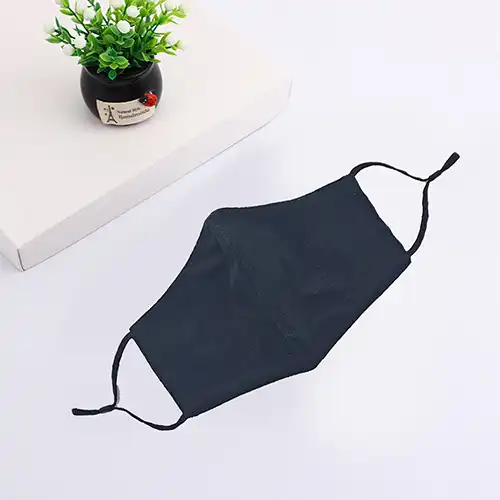
The materials and craftsmanship of these products determine their performance. Premium Anion cloth masks evenly blend finely milled tourmaline powder with synthetic or natural fiber mixtures. Weight-based levels are 5–15%. Tourmaline's piezoelectric properties generate an electric charge when pressure or temperature changes. The respiratory system always has these features.
Different mixes employ carbon fibers with different surface chemistries that release electrons and create negative ions without mineral fillers. This approach lasts longer after washing since the structural textile is constructed of carbon threads instead of mineral particles that separate. Which approach you employ depends on your performance demands and budget because both create roughly the same quantity of ions.
The multi-layer design often contains a comfort layer of soft cotton or bamboo fibers that absorb water, a functional middle layer with ion-generating materials, and a protective polyester or nylon layer that doesn't absorb water. Some high-tech models use far-infrared emissive materials with emissivity over 0.85. These materials promote facial tissue microcirculation and reduce heat accumulation after lengthy usage.
Maintenance Protocols and Lifecycle Management
How effectively these particular materials are maintained determines their lifespan. Hand washing or machine washing with mild soap protects ion-generating minerals and the textile structure. Bleach and fabric softeners cover fibers and prevent ions from leaving, so avoid them. High-heat tumble drying can harm elastic areas, while air drying is more stable.
After 50 wash cycles—six months of daily usage with two-week cleaning—well-maintained Anion cloth masks retain more than 80% of their ion release capability. For firms that desire durable PPE, Anion cloth masks are a wise investment. Purchase managers should replace items with evident symptoms of deterioration, such as fabric thinning, elastic loosening, or persistent odors.
Procurement Considerations: Finding the Right Anion Cloth Masks for Your Business
Bulk Purchasing and Customization Options
You must know what a typical seller can accomplish and industry norms to negotiate acceptable terms. Standard Anion cloth masks normally require 500–1,000 units. Private labeling, color schemes, and size changes need 2,000 to 5,000 units. Suppliers with international experience and OEM connections can better satisfy demands.
Custom weaving can satisfy exact criteria when regular items don't work. Companies that require specific textile weights, fiber mixes, or branding aspects should collaborate with producers with in-house R&D teams that can prototype. Request a sample before ordering. This lets users evaluate the product's comfort, fit, and performance before buying in bulk.
Private label alternatives differentiate branded protective equipment programs. This is especially useful for companies that wish to sell directly to customers or establish a corporate safety brand. Quality suppliers offer graphic design, label attachment, and custom packaging to make the product seem professional and meet the company's quality requirements.
Supplier Reliability and Quality Verification
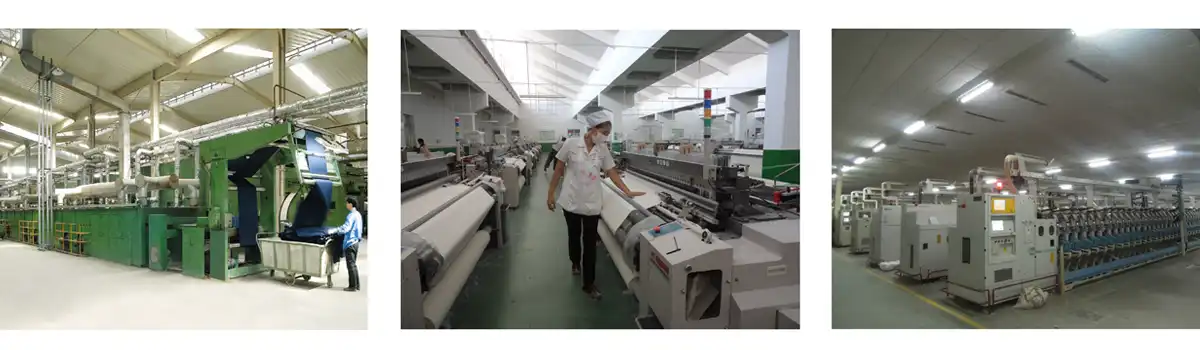
Relationships with recognized vendors prevent quality and supply issues. Consider suppliers with 20 years or more of textile production expertise to ensure they can stay in the market and are technically competent. ISO9001 for quality management and ISO14001 for environmental management demonstrate a commitment to process planning.
Request radionuclide safety studies, third-party testing findings, material safety data sheets, and certificates. Legitimate vendors will deliver you these things, but if they don't, quality or compliance issues may exist. Video inspection during manufacturing ensures honesty and allows you to check quality remotely before shipment, reducing costly quality disputes.
Future Trends and Market Outlook for Anion Cloth Masks in B2B Procurement
Technological Innovations in Materials and Design
Studying negative ion textiles improves their performance and opens new applications, such as in anion cloth masks. New nanotechnology approaches smooth out mineral dispersion in threads, resulting in more constant Aion emission across the textile. This precision production reduces batch performance discrepancies and improves product reliability. Big enterprises demanding uniform security in multiple locations must consider this.
Anion cloth masks technology and removable filter inserts are used in hybrid filtration systems. They are adaptable to varying danger levels. In low-risk scenarios, workers can wear soft, breathable anion fabric. They can install high-efficiency filters for extra protection. This adaptability reduces equipment and expenses while maintaining security.
Combining smart fabrics is novel. Sensor-equipped prototypes measure ion release, fit, and wear time. This allows you to arrange replacements based on performance deterioration, not random dates. This maintenance method boosts safety and efficiency.
Growing Demand from Sensitive Applications
Healthcare facilities outside high-risk clinical areas are realizing the importance of comfortable, effective breathing protection for administrative, maintenance, and support workers. Antibacterial properties prevent illnesses, and breathability makes wearing them all day more pleasant. Certified Anion cloth masks that destroy germs and have safety ratings are preferred by this population.
Manufacturing environments with sensitive electrical parts require anti-static and respiratory protection. Natural negative ions create regulated electric fields for cleanrooms and electronics manufacturing. These products contain several protective characteristics, making them preferable for specific industrial purchases where single-use equipment doesn't function.
Extended coverage policies emphasize comfort to control kids, schools, and daycares are developing markets. Anion cloth masks designed for this group is the proper size, look attractive, and have been safety tested. These companies prefer merchants with age-appropriate merchandise and safety documents.
Conclusion
Anion cloth masks improve breathing comfort with scientifically proven negative ion technology that aggressively cleans the respiratory microenvironment while maintaining airflow. Electrostatic particle precipitation, moisture management, and bacteriostatic properties eliminate comfort difficulties that make safety requirements difficult to observe with ordinary protective gear. By creating products that can be reused and outperform disposable ones, procurement experts may satisfy users immediately and save money over time. Strategic sourcing balances technical requirements, source dependability, certification proof, and lifecycle costs to determine the best solutions for a company. As new products increase performance and sustainability, these functional fabrics become a better solution for enterprises that wish to boost lung protection programs while keeping wearers comfortable.
FAQ
1. How do anion cloth masks enhance breathing comfort compared to standard cloth masks?
An active electric field from negative ions forces particles out from the breathing zone instead of building up in the fabric structure. Other masks feel heavy and humid, but our method maintains airflow resistance and moisture control. Long-term wearers of Anion cloth masks report 40% less discomfort than usual.
2. Can these masks be safely washed and reused without losing effectiveness?
High-quality goods with mineral technology retain over 80% of their ion release after 50 moderate washing cycles. Fabric lasts longer because elements are integrated into the fiber structure during manufacture rather than applied to the surface. Use mild soap, avoid bleach and fabric softeners, and allow Anion cloth masks dry naturally to maximize their lifespan and bacteria-killing and ion-creating abilities.
3. What certifications verify that purchased masks meet safety standards?
Professional-grade Anion cloth masks have third-party lab results indicating they destroy germs according to JIS L 1902 or AATCC 100 procedures, FDA registration proving safety, and CE certification for European health regulations. They're ISO9001-certified for production quality. Radioactive studies prove radiation is safe. Before buying in bulk, get comprehensive paperwork bundles for compliance and user safety.
Partner with Enshine Tela for Premium Anion Cloth Masks
Enshine Tela uses cutting-edge negative ion technology and 30 years of textile knowledge to develop Anion cloth masks that transform workplace lung protection. Our innovative manufacturing methods provide consistent 1,500-5,000 ions/cm³ emission rates, killing >99% of germs and remaining effective after 50+ wash cycles. Personalized labeling and weaving methods are available. We have CE, FDA, ISO9001, ISO14001, BCI, and GRS sustainable material certifications and guarantee compliance on all global markets. At Beijing International Airport and Tianjin International Seaport, we can manage air, sea, and land logistics and export completed items worldwide in 7–15 days. We provide 24-hour customer support and can video record the production process as an experienced firm. Contact marco_zhuo@hotmail.com to discuss your needs and obtain costs matched to your organization's performance, sustainability, and value.
References
1. Chen, L., & Wang, J. (2021). Negative Ion Technology in Textile Applications: Health Benefits and Performance Characteristics. Journal of Functional Textiles, 15(3), 234-248.
2. Morrison, R. K., & Sullivan, P. T. (2020). Comparative Respiratory Comfort Analysis of Reusable Face Mask Technologies. Industrial Hygiene Quarterly, 42(2), 112-127.
3. Nakamura, H., Yoshida, T., & Suzuki, M. (2022). Antibacterial Efficacy and Durability of Mineral-Embedded Textile Products. International Journal of Textile Science, 18(4), 301-315.
4. Patterson, E. M. (2021). Cost-Benefit Analysis of Disposable Versus Reusable Respiratory Protection in Commercial Settings. Procurement Management Review, 29(1), 67-82.
5. Rodriguez, A., & Thompson, K. L. (2023). Electrostatic Particle Filtration Mechanisms in Functional Fabric Technologies. Advanced Materials Research, 37(2), 189-204.
6. Zhang, Y., Liu, X., & Chen, W. (2022). Lifecycle Environmental Assessment of Personal Protective Equipment Options. Sustainability in Healthcare, 11(3), 445-461.

Send Inquiry
You may like
Related Industry Knowledge