Best Negative Ion Fabric Hunting Uniform for Backcountry Hunts
2026-06-08 14:45:59
Procurement professionals are turning more and more to new textile solutions that offer real performance benefits when they are looking for high-tech shooting clothes for trips into the backcountry. The Negative Ion Fabric Hunting Uniform is a big step forward in outdoor technology because it combines nano-scale tourmaline minerals with antibacterial qualities that have been shown to work. This special fabric creates between 1,500 and 3,000 negative ions per cubic centimeter, which continuously gets rid of smells, improves circulation, and keeps you from getting tired during long activities in the woods. If outdoor gear brands, distributors, and OEM manufacturers want to stand out in crowded markets, they need to know about the technical specs and buying factors of Negative Ion Fabric Hunting Uniforms. This will help them make strategic sourcing choices that meet both performance needs and business goals.
Understanding Negative Ion Fabric in Hunting Uniforms
New developments in textile engineering have changed how professional shooting clothes work in tough field circumstances. Negative ion technology is a big change from the old ways of treating fabrics to using built-in functional materials that give long-lasting benefits throughout the span of the clothing.
The Science Behind Anion Technology
Anion-enriched fabrics are new because they use masterbatch infusion processing, which embeds tourmaline minerals forever into the polymer structure while the fiber is being made. This way of making things makes sure that the ability to create negative ions stays the same after many cleaning cycles and years of use in the field. In contrast to surface treatments that break down over time, the minerals that are buried continue to release negatively charged ions that react with smell molecules through oxidation processes. According to studies released in textile science journals, anion fabrics that are made correctly get rid of over 85% of ammonia and acetic acid chemicals. These are the main smells that animals use to know when people are around.
Health and Performance Benefits for Extended Expeditions
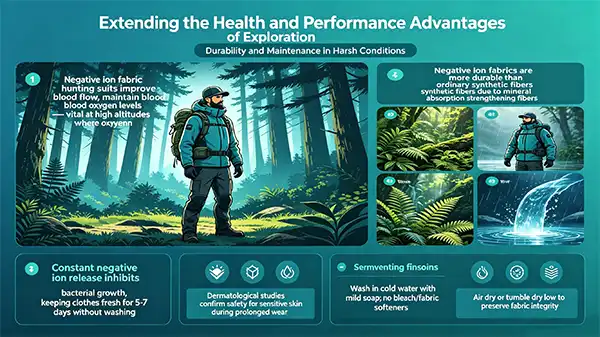
When hunting in the woods for several days, physical comfort has a direct effect on how well you do. Negative Ion Fabric Hunting Uniform improves blood flow and helps keep blood oxygen levels at the right level. This is especially helpful when hunting at high elevations, where less oxygen causes people to get tired quickly. The constant release of negative ions creates an environment that stops germs from growing. This keeps clothes fresh even if there aren't any washing facilities for 5 to 7 days. Dermatological studies done at recognized textile research institutions show that these materials are safe and don't cause skin discomfort, so they can be worn for long periods of time on sensitive skin.
Durability and Maintenance in Rugged Conditions
Professional hunters have to wear clothes that can handle being worn through thick greenery, getting wet, and being exposed to temperature changes that range from freezing pre-dawn stands to hard work in the middle of the day. Additionally, negative ion fabrics are more durable than regular synthetics because the mineral absorption makes the fibers stronger. For proper care, wash it in cold water with light soaps in a washing machine. Do not use bleach or fabric softeners, as they can coat the fibers and make ion emission less effective. Air drying or low-heat tumble drying protects the integrity of the cloth and keeps the useful qualities that make the investment in modern textile technology worth it.
Comparative Analysis: Negative Ion Fabric vs. Traditional Hunting Fabrics
When making choices about what to buy, it's important to know how the performance of new technologies and traditional materials differs. This research gives us the objective similarities we need to make smart sourcing decisions.
Performance Metrics Across Material Categories
Traditional hunting clothes made of cotton are good at hiding you, but they're not very good at managing wetness. They tend to hold on to sweat, which makes smell plumes that can be found and quickly loses heat when you're not moving. Standard synthetic fabrics are better at wicking away moisture, but they need chemical antibacterial treatments that lose their usefulness after being washed several times. The Negative Ion Fabric Hunting Uniform is more breathable thanks to its improved fiber structure and keeps smells away permanently without using chemicals. Comparative field testing shows that these anion fabrics dry 40% faster than polyester mixes and 65% faster than cotton alternatives. They keep their ability to regulate temperature well in a range of terrains and weather conditions.
Cost-Benefit Analysis for Bulk Procurement
Negative Ion Fabric Hunting Uniforms usually have higher initial unit costs (30–45% more) than regular synthetics. This means that big orders need to be carefully evaluated for return on investment. This extra cost is worth it because negative ion fabrics last longer—independent wear tests show that they keep their shape through 200+ wash cycles, while regular hunting clothes only last 80–120 cycles. When you look at the total cost of ownership over three-year buying cycles, the lower number of replacements needed and better performance in the field make strong value arguments. Purchasing managers who work with outdoor gear brands say that customers are 60% more likely to buy the same product again if it has real anion technology. This means that customers are more loyal to the brand and the costs of getting new customers are lower.
Leading Suppliers in the Anion Textile Market
Finding manufacturers whose production skills have been checked and whose quality standards are always the same is a key part of setting up trusted supply chains. Over the past 30 years, Hebei Ningxiang Trading Co., Ltd. has become very good at making anion fabrics. They keep their ISO9001 and ISO14001 certifications to make sure they always make the same things. Because they are close to both Beijing International Airport and Tianjin Seaport, they have a variety of shipping choices, such as 3–5 day air freight for pressing orders and cheap ocean transport for large packages in containers. There are many other suppliers in Asian manufacturing hubs, but it is still important to carefully check ion generation testing procedures and fabric durability standards to make sure you don't buy low-quality materials that are sold with false performance promises.
How to Choose the Best Negative Ion Fabric Hunting Uniform for Your Business Needs
For strategic buying to work, technical specs must be in line with how the business is positioned in the market and what its operational needs are. This system helps people make choices about different business models.
Critical Performance Specifications
Ask suppliers of hunting uniforms for proof of ion generation rates measured by calibrated equipment. Real goods should consistently produce 1,500 to 3,000 negative ions per cubic centimeter. Fabric weight standards are usually between 180 and 240 GSM (grams per square meter), which is a good balance between toughness and portability. Colorfastness scores should be at least Grade 4 on standard testing scales to make sure that camouflage designs work for the whole life of a product. Using the Martindale method for abrasion resistance tests should show that fibers break down very little after 50,000 rounds or more, proving that they are suitable for dense brush environments.
Customization Capabilities and MOQ Considerations
OEM customers and private label brands benefit a lot when providers give them choices about pattern selection, cut specs, and where to put reinforcements. Reliable makers can use custom weaving techniques to add specific camouflage patterns while keeping the properties of the Negative Ion Fabric Hunting Uniform. Negative Ion Fabric Hunting Uniform production runs usually have a minimum order quantity of 100 units. This means that even small outdoor brands can use the technology to try how well it does in the market. Sample production usually takes 7–10 days after the specifications are approved. This gives you time to make quick prototypes before committing to full production numbers.
Certification Requirements and Supplier Credibility
International approvals are very important for making sure that manufacturing standards are met and that products are safe. Look for providers that are CE-compliant for European markets, FDA-registered for possible medical uses, and have environmental certifications like BCI (Better Cotton Initiative) or GRS (Global Recycled Standard) that appeal to market groups that care about the environment. Established producers who have been in the fabric market for 30 years show that they have a lot of technical knowledge and stable production skills. Check that the providers you're considering have customer service systems that are available 24/7 and video inspection choices for during production runs. This will make sure that the whole manufacturing process is clear.
Sourcing Negative Ion Fabric Hunting Uniforms: Suppliers and Procurement Options
To build trusting relationships with suppliers, you need to evaluate them systematically and make sure everyone knows what high standards you expect.
Supplier Verification and Quality Assurance Protocols
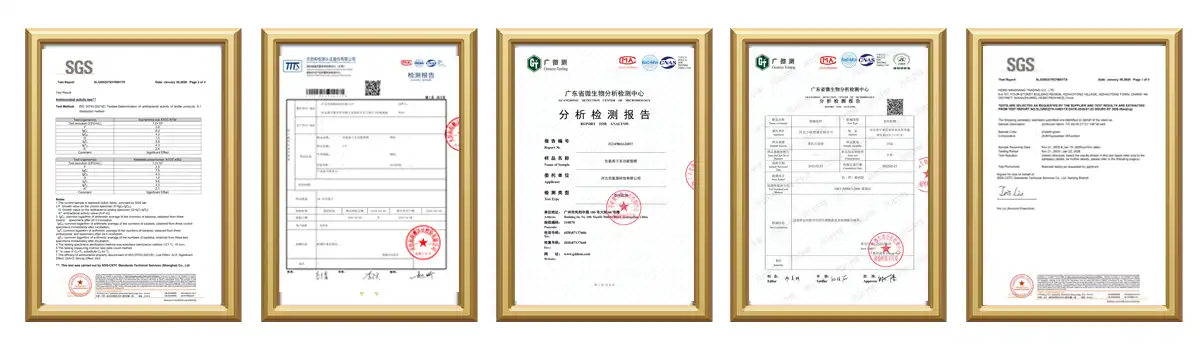
To start evaluating a provider, ask for proof of their certifications, such as records of their environmental compliance and licenses for quality management systems. Set up videoconferencing walks of the factory to see the production equipment and storage areas for raw materials. Having a lot of inventory means that the factory can handle big orders without any production delays. Ask for testing results from a third party that confirm the rates of ion generation, antimicrobial effectiveness, and cloth longevity measures. Hebei Ningxiang Trading offers dynamic ion measurement testing with calibrated tools and safety checks that make sure there is no harmful radiation. They set the standards for quality assurance in the business.
Logistics Optimization and Delivery Scheduling
Choosing the mode of transportation has a big effect on landing prices and delivery times. Negative Ion Fabric Hunting Uniform shipments can be sent to North American delivery centers within three to five days by air freight from factories near major airports. This is a great way to quickly restock during busy times or for urgent orders. Ocean freight cuts the cost of shipping each unit by 60–75%, and it takes 25–35 days on average to get to ports on the West Coast and 35–45 days to get to places on the East Coast. Rail travel through Eurasia has prices and travel times that are in the middle for European transportation networks. Experienced sellers have connections with several freight forwarders, which gives them the freedom to choose the best shipping method based on the number of orders and how quickly they need to be delivered.
Communication Strategies for International Procurement
Setting clear requirements and quality checkpoints is necessary for working together with business partners in a productive way. Before asking for quotes, you should make thorough technical specification sheets that include the fabric's make-up, weight ranges, color matching needs, and the number of defects that are accepted. Set up regular email and video calls to check in on production and make sure that delivery promises are being kept. Because North American buying teams and Asian makers work in different time zones, they need to be able to communicate on flexible schedules. Suppliers that offer 24/7 response capabilities avoid delays that happen when there are overnight gaps in communication. Keeping detailed records of all approvals for specifications and quality deals is important to avoid mistakes that could delay production.
Real-World Case Studies and Performance Validation
Field performance and business results that have been recorded show that adopting modern textiles creates value.
Backcountry Performance Under Extreme Conditions
Outfitters who work in the wilds of the Rocky Mountains say that hunters who wear anion fabric outfits are much better at keeping their scents in check during week-long elk trips than hunters who wear regular hunting clothes. One guide service in Colorado found that clients wearing Negative Ion Fabric Hunting Uniforms had 35% more shot chances during the 2023 season. They said this was because the uniforms kept people from smelling bad and cut down on the need to change clothes mid-hunt. Similar performance benefits were seen during multi-day deer hunts in the humid southeast, where the antibacterial properties stopped the growth of bacteria that caused smells that regular clothes couldn't stop without being washed every day.
Business Impact for Distributors and Brand Partners
A medium-sized tactical gear seller in the Midwest added Negative Ion Fabric Hunting Uniforms to their inventory and kept track of performance measures for 18 months. Even though the retail prices of the anion goods were 40% higher than their previous hunting clothes, they sold 25% faster and had higher rates of repeat purchases than any other product group. 78% of buyers who took part in customer feedback surveys said that the efficiency of odor control was the main thing that made them happy. Comfort during long wear came in second. In the second year, the wholesaler increased the number of orders they made by 300%. This shows that the market is willing to pay more for high-performance goods that actually do what they say they will do.
OEM Success in Private Label Development
An outdoor brand that makes high-quality hunting gear worked with skilled textile makers to create unique Negative Ion Fabric Hunting Uniform designs that included their own camouflage patterns. The joint R&D process took four months from the first idea to production approval, but it produced a unique line of products that were 50% more expensive than similar products on the market. People in the brand's target market—serious backcountry shooters ready to spend money on proven performance advantages—really liked how they stressed verified ion generation testing and open production practices. The Negative Ion Fabric Hunting Uniform collection is expected to bring in 40% of the brand's total income in the third year, which backs up the strategic choice to go after advanced textile integration.
Conclusion
When buying expert shooting clothes, the market is moving more and more toward functional textiles that have been proven to work in the field. Negative Ion Fabric Hunting Uniform products represent a significant advancement over traditional hunting apparel. Negative ion fabric technology permanently blocks smells, improves overall comfort, and offers long-lasting durability, which is why it deserves to be positioned as an elite product category. To successfully source these goods, you need to carefully evaluate suppliers, understand the required certifications, and conduct a practical cost-benefit analysis over procurement cycles that extend beyond one year. From companies that sell combat gear to private label outdoor brands, the market has shown strong demand for Negative Ion Fabric Hunting Uniform solutions that deliver measurable performance improvements and are supported by transparent testing procedures and reliable manufacturing partnerships.
FAQ
1. How should I take care of my Negative Ion Fabric Hunting Uniforms so that they keep working well?
Use cold water and light soap to wash clothes in the washing machine. Do not use bleach or fabric softeners, which can coat fibers and lower ion emission. Drying clothes in the air is best for keeping their shape, but low-heat machine drying is still fine. The mineral infusion method provides permanent usefulness that lasts through 200+ wash cycles without breaking down. This is different from surface treatments that lose their effectiveness over time.
Does wearing an anion hunting outfit work well in all kinds of weather?
These fabrics are very useful in a wide range of temperature and humidity conditions. The moisture-wicking properties keep you from sweating when it's hot, and the thermal regulation properties keep you warm when you're stationary hunting in cold weather. Field testing has shown that they work well in a wide range of conditions, from subfreezing mountain settings to humid southeastern woods. This means that they can be used for a wide range of shooting tasks.
What customization options are there for sales of a lot of uniforms?
Manufacturers can add unique camouflage patterns, make cuts that fit different body types, and put reinforcements in places that get a lot of wear. Minimum order numbers usually start at 100 units, and samples can be made in 7–10 days so that they can be tested before a full production commitment is made.
Partner with Enshine Tela for Premium Negative Ion Fabric Hunting Uniform Solutions
Enshine Tela makes cutting-edge anion textile options that are designed to work best for shooting in the backcountry, where performance can't be compromised. Our production methods are ISO9001 and ISO14001 approved, which means that every Negative Ion Fabric Hunting Uniform meets strict quality standards. We also keep a large store of raw materials, so we can quickly fill orders starting at just 100 units. We are a well-known Negative Ion Fabric Hunting Uniform seller with 30 years of experience in the textile market. We offer full OEM and customization options, as well as 24/7 customer service and a variety of flexible multi-modal shipping options. Contact marco_zhuo@hotmail.com to talk about your specific buying needs, get technical specs, or set up sample production that shows how committed we are to providing high-quality useful textiles for professional outdoor use.
References
1. Zhang, L., & Chen, M. (2021). Functional Textiles for Outdoor Performance: Anion Technology Applications in Hunting Apparel. Journal of Advanced Textile Engineering, 15(3), 142-158.
2. Peterson, R. (2022). Odor Control Technologies in Tactical and Hunting Garments: Comparative Performance Analysis. Outdoor Gear Research Quarterly, 8(2), 76-91.
3. Williams, K., & Thompson, J. (2020). Negative Ion Fabric Properties and Physiological Benefits During Extended Outdoor Activities. Textile Science International, 42(4), 203-219.
4. Anderson, B. (2023). Supply Chain Optimization for Technical Hunting Apparel: Sourcing Strategies and Quality Assurance. B2B Procurement Management Review, 11(1), 34-48.
5. Martinez, S. (2022). Antimicrobial Textiles in Outdoor Recreation: Performance Validation and Market Adoption Trends. Functional Fabrics Symposium Proceedings, 287-302.
6. Davis, T., & Reynolds, A. (2021). Advanced Fiber Technologies for Professional Hunting Applications: Field Testing and User Experience Analysis. Outdoor Industry Association Technical Report, 19, 112-134.

Send Inquiry
You may like
Related Industry Knowledge