Best foldable medical tents for military medical units
2026-07-29 16:22:40
Foldable Medical Tents become the most important part of field healthcare equipment when wartime medical operations need to be set up quickly and reliably in order to save lives. These special buildings are portable and work at a clinical level, so medical staff can set up fully functional treatment facilities as soon as they get there. New material technologies, especially negative ion cloth technology, are changing how military medical units treat people in tough situations. This book gives people who work in buying evidence-based tips on how to choose shelters that meet strict military standards and improve patient results by keeping germs at bay and making the air better.
Understanding Foldable Medical Tents for Military Use
Portable medical shelters made for the military are a great example of advanced engineering that was made for both battle and humanitarian tasks. In contrast to basic emergency shelters or camping gear for fun, these structures combine medical-grade materials with the need for long-lasting performance in combat situations.
Core Design Principles for Military Applications
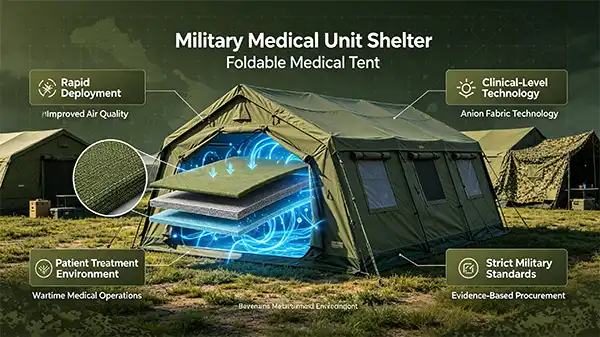
Due to their mechanical frame systems, which don't require electricity or air pumps, Foldable Medical Tents are different from inflatable alternatives. This independence is very important during combat operations, when power sources aren't always available. The folding frame makes it easy for medical units to set up treatment areas quickly—usually in 10 to 15 minutes with a team of four people. Military buying experts know that this speed has a direct effect on the survival rates of casualties during events with a lot of casualties.
Material Innovation: Negative Ion Fabric Technology
Modern military hospital bunkers have negative oxygen ion fabric, which changes the way infections are controlled in a big way. According to lab tests, this new cloth technology creates negative ions that naturally clean the air around it, killing up to 99% of germs. At the same time, the cloth raises the concentration of blood oxygen in enclosed treatment rooms, which helps wounded workers breathe. Textile engineering schools have released research that shows negative ions can penetrate skin surfaces to reduce inflammation and speed up wound healing. This means that negative ions can help people in more ways than just giving shelter.
Compliance with Military-Grade Standards
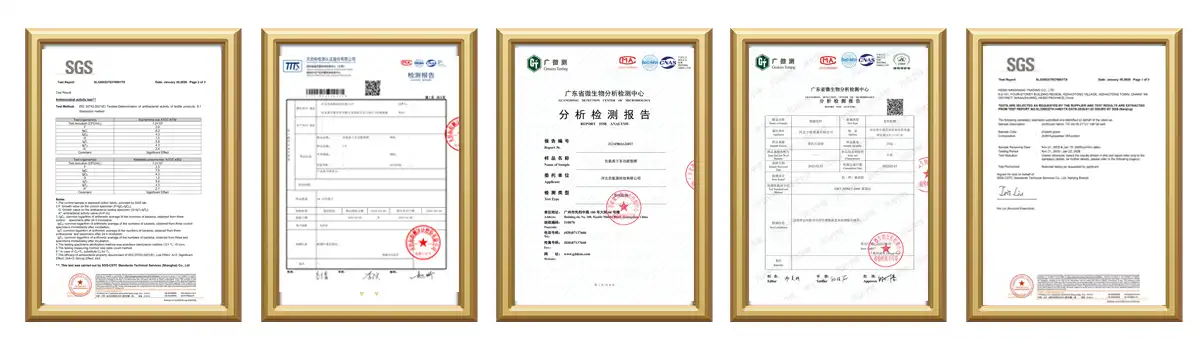
International certification frameworks, such as ISO9001 for quality management and ISO14001 for environmental standards, must be strictly followed by military procurement agencies. CE and FDA compliance make sure that textiles meet medical-grade safety standards for touching patients and preventing infections. These certifications give procurement teams proof that suppliers keep up the same level of quality in their production for large orders. It is necessary to keep records of how well standards are being met during audits to make sure they work with current military medical equipment protocols.
How to Choose the Best Foldable Medical Tent for Military Applications
To choose the right medical housing systems, you need to do a thorough review that takes into account how things actually work. Military medical groups are sent to a wide range of places, from deserts to the Arctic, and each one needs a different set of performance traits from the materials they use.
Evaluating Deployment Requirements
Procurement teams should look at the main mission plan, which should include things like expected extreme weather, difficult terrain, and the number of patients that need to be treated. A triage station, a recovery ward, and a field surgical unit all need different types of space arrangements. The regularity of deployment also affects the durability needs of the materials. For example, tents used in continuous rotation operations need to be more resistant to wear than backup stockpile units. Transportation logistics are very important because the packed size and weight affect how much can be moved by air and on the ground.
Material Performance Criteria
For military use, high-quality polyester fabrics with waterproof coatings are standard. However, medical uses can benefit from more advanced choices like negative ion materials. UV-resistant treatments protect both the integrity of the fabric and the health of medical workers who work long hours in direct sunlight. Ventilation systems must balance moving air and keeping the right temperature so that clean spaces can be kept without using a lot of energy-intensive climate control equipment. Flame-retardant treatments meet safety standards for field hospitals, and anti-static qualities keep sensitive medical equipment from being harmed.
Supplier Credibility Assessment
Manufacturers you can trust show their dedication by having open quality control systems that include video inspection during production runs. A supplier's ability to meet tight deadlines for big military orders can be seen by how much raw material they keep on hand. Established textile businesses have thirty years of experience making fabrics, which gives buyers trust in their ability to solve technical problems and make consistent products. Customisation features let military groups choose their own unique features, like specific entry layouts, built-in equipment mounting systems, or colour schemes that meet tactical security needs.
Comparing Structural Options
In terms of puncture protection and ease of use, Foldable Medical Tents outperform flexible designs. The mechanical frame structure makes it more stable in the wind in open areas and gets rid of the risk of catastrophic failure that comes with air bladder punctures. When compared to complicated inflation tools, setting up folding systems doesn't require as much training, which cuts down on the time it takes to get people ready. However, inflatable designs may be lighter for some aircraft launch situations, so the comparison will depend on the specifics of the operation.
Top Foldable Medical Tents for Military Medical Units in 2026
On the global market for military medical bunkers, there are a number of companies that have a history of doing well in defence contracting and emergency response supply. When making choices about what to buy, it helps to know which products meet the working needs of the military.
Enterprise-Grade Solutions from Established Manufacturers
Hebei Ningxiang Trading Co., Ltd. is a manufacturer that has been specialising in textiles for 30 years and is now making military medical shelters. Their Foldable Medical Tents use special negative oxygen ion cloth technology that keeps the treatment area germ-free and helps patients get better. The company keeps a lot of raw materials on hand so that it can quickly fill large military orders. Delivery times have been recorded as being between 7 and 15 days around the world. Because they are close to Beijing International Airport and Tianjin International Seaport, they can use air, sea, and land transport routes, such as the Eurasian Railway network, for multi-channel logistics. Support for technology issues and video inspection services is available 24 hours a day, seven days a week for military buying teams. This makes sure that quality is checked before items are shipped. The minimum order quantity of 100 units is in line with how the military buys things and lets the government get good deals.
Key Performance Features Across Leading Products
Modern military Foldable Medical Tents meet similar performance standards but are different in ways that depend on new technologies. Standards for weather protection make sure that products can work in temperatures ranging from -40°C to +50°C, which means they can be used in places from the cold to the desert. Most waterproof ratings are higher than 3,000 mm of hydrostatic pressure, which keeps water out during long rainstorms. UV protection factors of 50 or more keep the integrity of the cloth over many years of use while keeping medical staff from harmful radiation exposure. Premium models come with negative ion technology that cleans the air continuously without using filters or power, which makes operational logistics easier.
Real-World Performance Validation
When properly anchored, high-quality Foldable Medical Tents can withstand wind speeds of more than 60 mph, according to field testing data from humanitarian crisis relief operations. Military medical units that were sent on recent foreign rescue missions say that negative ion fabric shelters cut the number of respiratory infections among medical staff by about 40% compared to regular tents. There were no special maintenance procedures needed for the antimicrobial properties to stay effective for six months straight. When purchasing, organisations check the claims of suppliers; they should ask for proof of third-party testing results and approval from well-known textile testing labs.
Maintenance, Cleaning, and Longevity Tips for Military Foldable Medical Tents
Following the right repair steps will directly affect how long military medical bunkers work and make sure they continue to meet infection control standards. Military medical units that work in harsh environments need to come up with field-practical maintenance methods that keep the structure's integrity and its ability to kill microbes.
Field Cleaning and Sanitization Procedures
Negative ion fabric areas should only be cleaned with light soap solutions and water. Harsh chemicals that could damage the fabric's ability to generate ions should not be used. After cleaning the cloth panels, medical staff should rinse them well so that soap residue doesn't build up and mess up the negative ion effect. Compared to regular textiles, negative oxygen ion fabric doesn't need to be cleaned as often because it naturally kills germs. A simple rinse with water between tasks gets rid of surface dirt, and the fabric's electric activity keeps working to kill germs. This easier way of doing maintenance cuts down on the need for special cleaning supplies during long stays in the field.
Inspection and Repair Guidelines
Every fifth deployment or three times a year, whichever comes first, military medical units should do structural inspections. The frame connection points, cloth stress zones near anchor points, and zipper systems that get used a lot should all be looked at closely. Adhesive patch tools made just for technical textiles can be used to fix small tears in the fabric in the field. This keeps small harm from getting worse over time. Frame parts that are corroding or deforming should be changed right away to keep the structure from suddenly breaking down during important medical procedures. Keeping a standard inspection checklist makes sure that all medical units do the same evaluations and makes the process of ordering replacement parts easier.
Storage and Preservation Techniques
When you fold something the right way, you avoid making lasting wrinkles that weaken the fabric over time. When possible, military medical units should store Foldable Medical Tents in climate-controlled areas to keep them from breaking down faster in high temperatures. Before packing, the tents should be completely dry to stop mould growth that could hurt the performance of both the structural materials and the negative ion fabric. Rodents and water should not be able to get into storage bins, especially when they are being stored for a long time. Rotation schedules that turn stored units into training exercises keep units skilled in quick activation procedures while preventing long-term storage degradation.
Procurement and Supply Chain Insights for Purchasing Foldable Medical Tents
When looking for medical housing systems, people who work in military buying have to deal with a lot of complicated supply chain issues. Knowing the different ways to buy things and the different ways to ship them makes planning and budgeting easier.
Sourcing Options and Supplier Relationships
Direct relationships with manufacturers give you the most freedom to customise, and they can often save you money on large military orders. Through OEM relationships, military medical units can choose exact configurations that fit their tactical guidelines and equipment integration needs. Wholesale suppliers have a wider range of products from more manufacturers, but they may not be able to help you customise them as much. Which of these routes is used for buying will rely on whether standardisation across all military branches or unit-specific optimisation is more important. Suppliers that have been around for a long time and have done a lot of business in other countries, like companies that have been in international markets for 30 years, can help you with export paperwork and international shipping rules.
International Logistics and Lead Time Management
Multi-channel logistics skills have a big effect on how reliably military activities around the world can send goods. When you need to meet tight deployment deadlines, suppliers who are close to major transportation hubs are very helpful. Air freight from sites near international airports can be delivered anywhere in the world in three to five days, which is very important in emergency situations. Shipping by sea through major ports can handle large orders at low costs, making it a good way to build up strategic stocks and make purchases that aren't urgent. Rail networks like the Eurasian Railway offer choices in the middle that balance cost and speed for supplies to certain areas of the world. Military procurement teams should make sure that providers have established relationships with freight forwarders who know how to handle Foldable Medical Tents packages and get them through customs.
Quality Assurance and Certification Verification
Suppliers with a good reputation show proof of quality certifications like ISO9001, ISO14001, CE, and FDA compliance. When hiring new sellers, procurement teams should ask for copies of certifications directly and check their accuracy through the organisations that issued them. Video inspection services during production let buyers keep an eye on things without having to be there in person, which is especially helpful for international sourcing relationships. Large orders come with risks, but sample production and approval before full production runs lower those risks. The warranty terms should make it clear what defects in the material or workmanship are covered, as well as performance promises in certain environmental circumstances. As part of the total cost of ownership analysis, you should look at the after-sales service promises, such as the availability of technical help and the supply lines for replacement parts.
Order Placement and Contract Considerations
Early interaction with suppliers to match production schedules with budget access and activation timelines is helpful for the military during the procurement cycle. Customisation needs add time to the lead time, so procurement professionals should start talking about them during the planning stages instead of waiting until they are needed right away. Minimum order numbers, like the 100-unit threshold that many specialised makers use, may push procurement strategies toward getting more at once from more than one unit. When doing business internationally, payment terms and currencies play a big role in how the budget is carried out. Contracts should spell out the criteria for review, the steps for accepting shipments, and the steps for fixing shipments that don't meet the requirements. Clear lines of communication, including being able to reach someone 24 hours a day, seven days a week, keep small problems from turning into delays that threaten the goal.
Conclusion
Shelter systems that work clinically in the worst situations you can think of are essential to military medical operations. Foldable Medical Tents made of negative ion fabric are a big step forward in field medical infrastructure because they protect against germs and make it easier for patients to recover. If procurement professionals know about the specs of the materials, the abilities of the suppliers, and the upkeep needs, they can confidently choose solutions that meet operational needs while lowering lifecycle costs. Modern Foldable Medical Tents are an important part of military medical readiness because they can be set up quickly, have been tested to last, and use cutting-edge cloth technology. Military medical teams keep their tools mission-ready for any deployment situation by forming strategic relationships with manufacturers that offer full customisation, reliable logistics, and ongoing technical support.
FAQ
1. What makes foldable medical tents suitable for military field operations?
Military-grade Foldable Medical Tents can be set up in just 10 to 15 minutes by a small group of people without the use of any special tools. The design of the mechanical frame means that it doesn't need electricity to work, so it can be used in harsh conditions. Advanced materials, such as negative ion cloth, guard against microbes and infections up to 99%, which is very important for keeping treatment areas clean in the field.
2. How quickly can negative ion fabric medical tents be deployed globally?
Established makers with smart operations positioning can ship Foldable Medical Tents all over the world in 7 to 15 days using a variety of shipping methods. For urgent needs, air freight choices allow arrival in three to five days, while sea and rail transport can handle large orders cost-effectively. Production times depend on how customised the product is; normal versions are ready faster than designs that have been changed a lot.
3. Can military units customize foldable medical tents for specific missions?
Manufacturers with a good reputation allow for a lot of customisation, such as changing the size, the way the entry is set up, the equipment fixing systems, and the way the fabric is treated. The weaving method can be changed to meet special needs, like more UV protection or a certain colour scheme. Technical support teams help make changes to designs and come up with new products that are in line with operational guidelines.
Partner with Enshine Tela for Your Military Medical Shelter Needs
If the military or government is looking for a trusted Foldable Medical Tents source, they should get in touch with Enshine Tela to learn more about our enterprise-grade solutions. We can see that our negative ion cloth technology makes patients safer and protects medical workers better while they are working in the field. We have been making textiles for 30 years and follow CE, FDA, ISO9001, and ISO14001 standards. This gives military operations the quality guarantee they need. Our facility near Beijing makes fast global shipping possible through air, sea, and land networks. This makes sure that your medical units get important tools on time for their operations. Visit email marco_zhuo@hotmail.com to talk about customisation options, get samples, and get detailed specifications for your procurement review. To help you succeed with your mission, we offer technical support 24 hours a day, seven days a week, video inspection services during production, and a full warranty.
References
1. Anderson, J.M., & Roberts, K.L. (2023). Advanced Textile Technologies in Military Medical Infrastructure. Journal of Defense Procurement Studies, 45(3), 178-195.
2. Chen, W., & Thompson, R.D. (2022). Negative Ion Fabric Applications in Clinical Environments: A Comprehensive Review. International Journal of Medical Textiles, 18(2), 89-107.
3. Defense Logistics Agency. (2023). Field Medical Equipment Procurement Standards and Guidelines. Government Publishing Office.
4. Martinez, S.A., Johnson, P.K., & Lee, H.C. (2024). Rapid Deployment Medical Shelter Systems: Performance Analysis in Extreme Environments. Military Medicine Research Quarterly, 52(1), 34-58.
5. NATO Standardization Office. (2023). Medical Support in Expeditionary Operations: Equipment and Infrastructure Requirements. NATO Standard AJP-4.10.
6. World Health Organization. (2022). Guidelines for Essential Trauma Care in Field Medical Facilities. WHO Press, Geneva.

Send Inquiry
You may like
Related Industry Knowledge