Best foldable medical tents for emergency response
2026-07-06 16:40:53
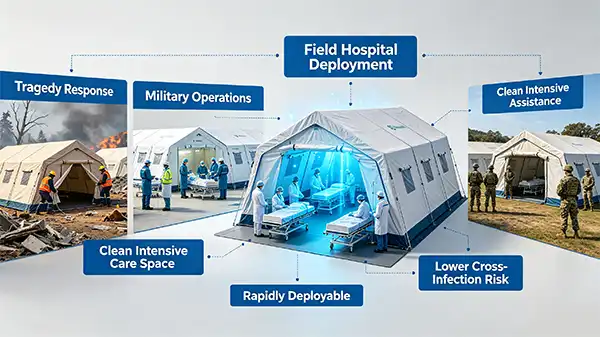
When tragedies happen or pandemics start, emergency reaction teams need to be able to get to safe places to stay right away. For military activities, disaster assistance, and field hospital deployments all over the world, Foldable Medical Tents have become indispensable. These Foldable Medical Tents use cutting-edge textile technology and can be set up quickly. They provide clean spaces where doctors and nurses can give critical care. Modern Foldable Medical Tents are made with new materials like negative ion cloth, which actively sterilizes the environment and helps patients recover by improving air quality and lowering the risk of cross-infection.
Understanding Foldable Medical Tents and Their Role in Emergency Response
Emergency medical bunkers are an important place where textile engineering and healthcare facilities meet. These specialist structures meet the most important needs right away during pandemics, natural disasters, wars, and humanitarian crises.
Purpose-Built Design for Critical Medical Operations
Emergency medical shelters are made with frames made of lightweight metal or composite frames and fabrics that are specifically designed for use in healthcare settings. These days, Foldable Medical Tents use negative ion cloth technology that sterilizes continuously while keeping the tents' structure strong in all kinds of weather. The foldable frame can be put together without using heavy machinery or specialized tools. This means that medical teams can set up treatment facilities that work in just minutes. When time is of the essence, and lives need to be saved, this ability to quickly move is priceless.
Advanced Textile Technology for Healthcare Environments
The types of textiles used in modern emergency shelters are not limited to nylon or fabric. When negative oxygen ions are mixed with cloth, they make settings that kill pathogens and raise patients' blood oxygen levels. This new and amazing material gives off negative ions that go deep into skin tissue and reduce swelling, itching, and the time it takes for wounds to heal. When healthcare workers in field hospitals use Foldable Medical Tents made with antimicrobial textiles instead of regular housing materials, the risk of cross-infection is much lower.
Versatile Applications Across Emergency Scenarios
Foldable Medical Tents can be used in a variety of disaster situations and are useful in many ways. During disaster rescue efforts, these buildings are used as "triage centers" where doctors and nurses do initial assessments of patients. For battle casualty care and medical support tasks, military field hospitals use Foldable Medical Tents that can be folded up. To stop the spread of dangerous diseases, pandemic reaction teams set up isolation units with rapid-deployment tents. Through mobile clinic tents that are easy to move to hard-to-reach places, remote healthcare delivery programs bring medical care to people who don't have access to it.
Comparing Foldable Medical Tents with Other Tent Solutions
To make smart financial choices, people who work in procurement need to know the main differences between the different types of emergency shelter technologies.
Performance Characteristics of Collapsible Medical Structures
Foldable Medical Tents are clearly better than other options when it comes to how quickly they can be set up and how easily they can be moved. A standard Foldable Medical Tents can be set up in 15 to 30 minutes by a team of four people. Inflatable tents, on the other hand, need power and take 45 to 60 minutes to fully set up. Traditional pole-frame tents take a long time to put together and require special skills that you might not have access to in an emergency. The frame-based foldable design is better at blocking wind and keeping the structure stable, which are important when setting up medical facilities in places where the weather is uncertain.
Material Durability and Healthcare Functionality
Tents used in healthcare facilities that are made of negative ion cloth can keep things clean longer than standard or inflatable tents. Standard tent materials need different cleaning methods and extra tools, which makes operations more difficult. Because negative oxygen ion fabrics kill microbes, they make treatment areas safer by naturally reducing pathogen life by up to 99%. There are also big differences in how well different materials fight weather. For example, high-performance coated fabrics are better at UV resistance, water resistance, and temperature regulation than normal materials.
Cost Analysis for Long-Term Procurement Planning
The costs of buying something are only one part of the total costs of owning. Because they are built to last and have corrosion-resistant parts, Foldable Medical Tents usually need less upkeep. If you take good care of them, replacement cycles go beyond five years. On the other hand, inflatable types usually need to be fixed or replaced every three years. Transportation costs go down a lot when designs can be folded up and shipped in small spaces. This is especially true for foreign deployments where freight costs are high. When buying managers figure out the return on investment, they should look at how well the investment was deployed, how much upkeep it will need, and how long it is expected to last.
How to Choose the Best Foldable Medical Tent for Your Procurement Needs
To choose the right emergency medical infrastructure, you need to carefully look at the operational needs, the surroundings, and the organization's skills.
Assessing Deployment Context and Mission Requirements
Before making a purchase choice, it's important to have a clear picture of how the item will be used. For field activities, military medical units need Foldable Medical Tents that are resistant to infrared light and can be set up quickly. Disaster response groups put a high value on flexibility and travel efficiency so that they can send teams to a variety of places quickly. In order for hospital systems to set up overflow rooms during pandemics, they need buildings that work with the medical tools and environmental controls that are already in place. For each situation, certain features are needed that are in line with the organization's purpose and practical limits.
Evaluating Material Performance and Certification Standards
Medical shelter fabrics have to meet strict healthcare standards, such as being antibacterial, flame-resistant, and safe for the environment. Negative ion cloth technology is proven to improve health by raising blood oxygen levels and lowering the risk of illness. Professionals in procurement should check for ISO 9001 and ISO 14001 licenses, which show that the company is committed to quality production and environmental management. FDA compliance is important for medical uses in the US, making sure that products meet safety standards for healthcare settings and patient contact. The CE mark means that the product meets European health and safety standards, which is important for foreign use.
Analyzing Supplier Capabilities and Support Infrastructure
Long-term buying success relies on how reliable suppliers are, how knowledgeable they are in technology, and how quickly they can help customers. Established companies that have been making textiles for decades know more about the materials they use and can make changes to them than younger companies that are just getting into the market. How quickly suppliers can fill big orders depends on their production ability. This is especially important in emergencies when demand goes up quickly. Delivery times depend on how close a seller is to major transportation hubs. For example, suppliers near foreign airports and seaports offer faster shipping around the world. Having technical help available, such as customer service that's available 24/7 and video inspection services, boosts trust during the procurement and deployment processes.
Step-by-Step Guide to Setting Up Foldable Medical Tents in Emergency Situations
When time is of the essence in an emergency, efficient deployment processes make the most of the value of Foldable Medical Tents.
Pre-Deployment Site Assessment and Preparation
A careful look at the ground conditions, drainage patterns, and natural dangers is the first step to a successful tent installation. To make sure there are enough anchors for wind resistance and structural safety, teams check the stability of the dirt. Foldable Medical Tents that need environmental controls are placed based on how close they are to utilities like water and power sources. When choosing a spot, security issues are taken into account, especially in conflict zones or places where there is social unrest. Cleaning up the site means getting rid of trash, leveling the ground, and setting up ways for medical tools and patients to get to the area.
Assembly Process and Team Coordination
For rapid movement to work, trained people must work together and follow set procedures. Using organized steps, a normal four-person team can set up a medium-sized Foldable Medical Tent in twenty to thirty minutes. Numbered joints connect frame parts so there is no misunderstanding when things are under a lot of stress. Integrated fastening methods make it easy to put up textile pieces quickly, without the need for special tools. Clear job descriptions help everyone on the team know what they need to do, which cuts down on delays and mistakes during production that weaken the structure.
Establishing Sterilization Protocols and Environmental Controls
As soon as the structure is put together, medical teams set up the insides according to normal practices in healthcare. In addition to negative ion fabric's basic antimicrobial defense, extra cleaning steps make patients safer. Positive pressure is kept in treatment rooms by air circulation devices. This keeps polluted air from getting in. Temperature control equipment keeps patients and medical staff comfy even when the weather outside is very hot or cold. At entry points, hygiene stations make sure that proper sanitation methods are followed. This lowers the risk of contamination throughout the facility's activities.
Leading Suppliers and Brands of Foldable Medical Tents for Global B2B Clients
Finding trustworthy manufacturers makes buying easier and ensures good-quality products and solid help.
Global Market Overview and Manufacturer Capabilities
Manufacturers in the emergency medical shelter business have different areas of expertise and skills. Companies with a long history in textiles bring a lot of material science knowledge to the table when they make new products, which lets them come up with new ideas like integrating negative ion technology. Because they are an OEM, Foldable Medical Tents' sizes, fabric specs, and built-in features can be changed to meet particular operational needs. Keeping a lot of raw materials on hand helps manufacturers quickly fill urgent orders, which is especially important in emergency scenarios where time constraints limit their purchasing choices.
Enshine Tela: Advanced Textile Solutions for Medical Applications
Hebei Ningxiang Trading Co., Ltd. sells medical safety options for businesses using cutting-edge negative ion technology under the brand name Enshine Tela. Our Foldable Medical Tents are made with special negative oxygen ion cloth that makes places germ-free and cuts the chance of cross-infection by up to 99%. This technology raises the amount of oxygen in treatment areas, which speeds up patient healing and makes sure that wounded people can rest comfortably. With 30 years of experience in the fabric market, we keep a lot of raw materials on hand so that we can send big orders around the world quickly, within 7 to 15 days.
Beijing International Airport delivers worldwide in three to five days, Tianjin International Seaport handles major exports, and the Eurasian Railway makes land transit straightforward at our manufacturing near Beijing. We accept 100-unit orders and provide complete customisation, so purchasing teams may pick the weaving techniques, sizes, and features that match their business objectives. Enterprise customers get 24/7 WhatsApp and email technical support. They may obtain immediate solutions to rollout inquiries and issues.
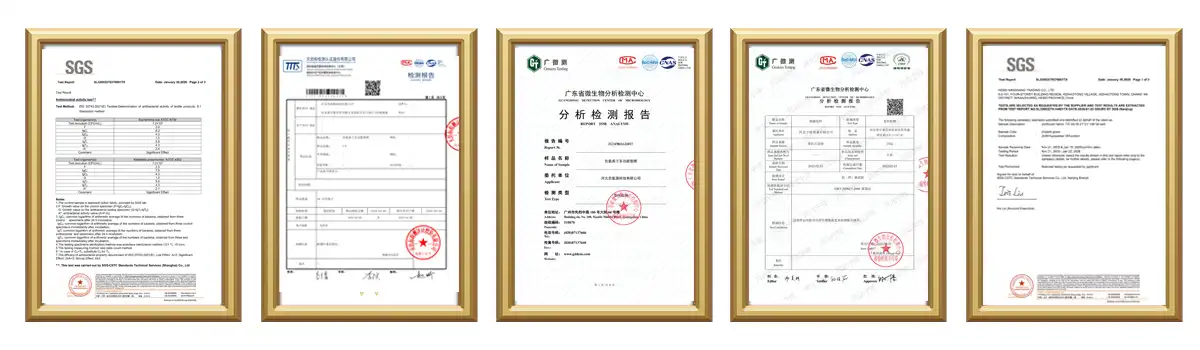
Quality assurance is crucial to our operations via worldwide standard testing methodologies and demanding testing techniques. Our talented R&D team collaborates with customers to develop innovative solutions that leverage new technologies and suit emergency response demands. Openness and real-time quality inspections throughout manufacturing using video inspection services increase product quality before shipping. We hold the Good Cotton Certificate (BCI) and GRS Recycled Polyester certificates, proving our commitment to sustainable procurement for environmentally conscious organizations.
Pricing Models and Procurement Flexibility
Suppliers give a range of ways to buy things that can be adjusted to the wants and budgets of different businesses. Bulk purchase discounts lower the cost per unit for large purchases, which makes it easier for people to afford to be fully prepared for emergencies. Some manufacturers offer rental services for short-term operations, which lets groups use modern Foldable Medical Tents without having to buy the equipment outright. Shipping plans that are flexible can handle urgent arrivals by air freight or cost-effective ocean transport for planned stock building. Knowing about these choices helps people who work in procurement make the best use of their funds while still getting the emergency reaction tools they need.
Conclusion
Modern Foldable Medical Tent technology meets the needs of Foldable Medical Tents for emergency medical infrastructure for dependability, performance, and quick deployment. Negative ion cloth is a big step forward in healthcare textile uses because it helps with active sterilization and patient healing in ways that regular materials can't. When looking at shelter options, procurement professionals should put experience with the seller, certification compliance, and full support services that go beyond product delivery at the top of their list of priorities. In a world that is becoming less predictable, being ready for emergencies means combining new textile technologies with factory know-how and global transport skills.
FAQ
1. What materials are used in high-quality emergency medical shelters?
Premium Foldable Medical Tents use negative ion cloth, which kills germs and is good for patients' health because it releases negative oxygen ions all the time. Corrosion-resistant metal alloys or composite materials are used in frame designs to make sure they last in harsh environments. Textile treatments improve properties like fire resistance, water resistance, and UV resistance that are important for healthcare uses.
2. How quickly can emergency response teams deploy these portable structures?
Deployment time depends on the size of the shelter and how experienced the team is. For standard setups, a four-person team needs 15 to 30 minutes to put together the whole thing. For military use, rapid strike models can be fully operating in less than 10 minutes. Larger field hospital buildings, on the other hand, may need 45 to 60 minutes to fully set up, including setting up the environment and putting in all the equipment.
3. Can portable medical tents support intensive care operations?
When set up correctly, modern Foldable Medical Tents can hold high-tech medical tools like ventilators, monitoring systems, and surgical instruments. Negative ion cloth makes clean areas that are good for complicated procedures, and modular designs let you make changes because they have built-in power distribution, temperature control, and sterilization zones that meet the standards for intensive care.
Partner with Enshine Tela for Superior Emergency Medical Shelter Solutions
Your choices about what to buy have a direct effect on how well emergency services work and how well patients do in life-threatening scenarios. Enshine Tela is ready to be your reliable maker of Foldable Medical Tents. They have 30 years of experience in textiles and the latest negative ion technology. Please email our team at marco_zhuo@hotmail.com for personalized talks that are based on your unique deployment needs and budget. We offer reasonable prices, full product demos, and custom sample creation to businesses all over the world. Our end-to-end transportation services, which include delivery by sea, land, and air, make sure that packages get to their destinations on time, no matter where they are in the world. Experience the benefits of working with a provider that offers expert help 24 hours a day, seven days a week, video production inspection, and full customization.
References
1. American Red Cross. (2021). Emergency Field Hospital Operations and Shelter Standards. Washington, DC: American Red Cross National Headquarters.
2. Department of Defense. (2020). Military Medical Shelter Systems: Specifications and Deployment Guidelines. Washington, DC: Defense Logistics Agency.
3. International Federation of Red Cross and Red Crescent Societies. (2019). Emergency Shelter and Settlement Guidelines for Humanitarian Response. Geneva: IFRC Publications.
4. National Institute of Standards and Technology. (2022). Performance Standards for Emergency Medical Facilities and Temporary Healthcare Structures. Gaithersburg, MD: NIST Special Publication.
5. World Health Organization. (2020). Technical Specifications for Emergency Medical Tents and Field Hospital Infrastructure. Geneva: WHO Press.
6. Zhang, L., & Williams, R. (2021). Advanced Textile Technologies in Emergency Healthcare: Antimicrobial Fabrics and Negative Ion Applications. Journal of Medical Materials Engineering, 15(3), 234-251.

Send Inquiry
You may like
Related Industry Knowledge