Best Compression Socks for Diabetic Men and Women
2026-08-25 13:47:58
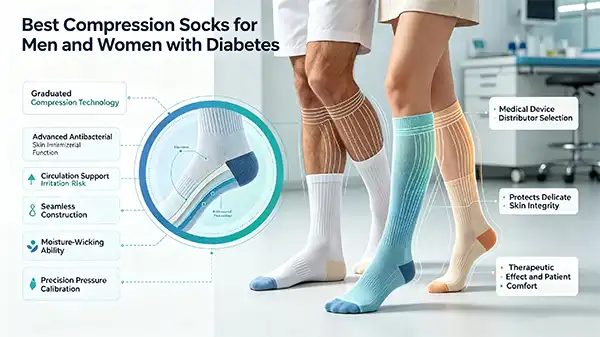
When searching for the best diabetic compression socks, procurement managers and medical device distributors face a critical challenge: identifying products that balance therapeutic efficacy with patient comfort. The best diabetic compression socks integrate graduated compression technology with advanced antimicrobial features, specifically engineered to address circulation issues in diabetic patients while minimizing skin irritation risks. Unlike conventional compression hosiery, these specialized socks incorporate seamless construction, moisture-wicking capabilities, and precise pressure calibration to support vascular health without compromising delicate diabetic skin integrity.
Understanding Diabetic Compression Socks and Their Benefits
How Diabetic Compression Differs from Standard Hosiery
Compression socks for diabetics work to help them feel better by distributing pressure in different levels. The pressure in these clothes is calibrated and usually ranges from 15-20 mmHg or 20-30 mmHg, based on the patient's medical needs. The pressure is highest at the ankle and gradually lowers as it moves up the leg. This difference in pressure encourages veins to return, which lowers blood pooling and swelling that diabetics often experience.
There are a few important design differences between diabetic-specific compression socks and athletic or travel compression socks. Diabetic compression socks have top bands that don't bind that keep arteries from narrowing, which is a big problem for people with Peripheral Arterial Disease. The smooth toe design gets rid of pressure spots that could cause ulcers in people whose neuropathy makes their sense of touch weak. Moisture-wicking materials stop bacteria from growing in the warm, damp environment inside shoes. This directly reduces the risk of infection that diabetics face every day.
Gender-Specific Considerations in Diabetic Compression Design
When it comes to compression clothing fitting, men and women have different body types. When compared to men's socks, women's compression socks usually have different calf length ratios and smaller heel sizes. The best diabetic compression socks manufacturers have size charts for men and women that take these physiological differences into account. This way, the therapeutic pressure stays the same across the entire surface of the limb. To keep return rates low and patient happiness high across a wide range of demographics, business-to-business buyers should make sure that providers provide complete sizing data.
Therapeutic Benefits Beyond Circulation
Compression socks can now be used for more health reasons thanks to new developments in cloth technology. Premium diabetic compression socks now have negative oxygen ion technology built in. This technology protects against microbes and may even raise blood oxygen levels. These ions actively kill germs that cause smells, lower the number of times you need to wash your hands, and make the area around sensitive skin tissue cleaner. More and more, healthcare workers are realizing that these extra benefits are useful additions to standard compression therapy, especially for healing after surgery and taking care of chronic wounds.
How to Choose the Best Diabetic Compression Socks for Men and Women
Evaluating Compression Levels and Pressure Gradients
Medical compression clothes are grouped by how much pressure they put on the body, which is measured in millimeters of mercury (mmHg). Mild compression (15–20 mmHg) is good for preventative care and mild swelling management. This means it's good for people with early-stage diabetes or healthcare workers who need leg support during long shifts. Patients who already have circulatory problems are usually given moderate compression (20–30 mmHg), which helps with more severe swelling and varicose vein complaints.
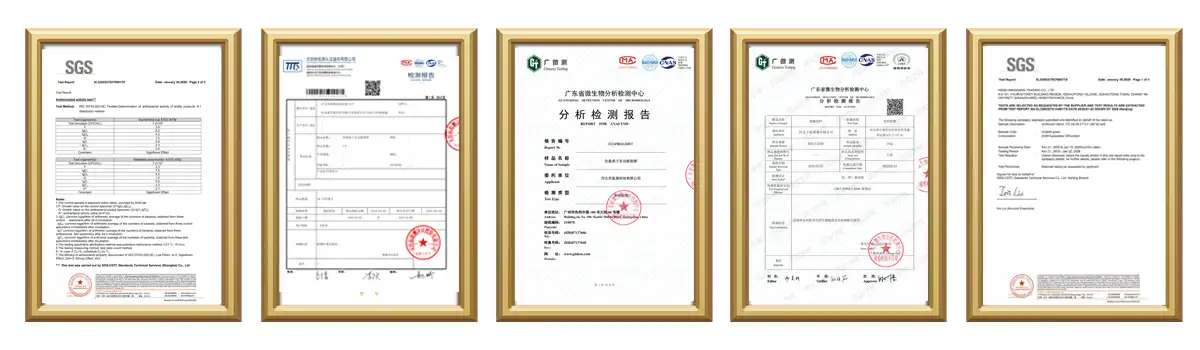
Verification of real pressure delivery is still very important when evaluating a seller. Reputable manufacturers give certificates from independent lab tests that show the pressure gradients meet the requirements. Buyers should ask for test reports in accordance with ASTM D6454 or RAL-GZ 387/1 to make sure that products from different production runs are the same. This quality check is especially important for OEM partnerships where the reputation of the brand depends on how well the therapy works.
Material Technology and Skin Compatibility
Fabric makeup has a direct effect on both how well therapy works and how well patients follow through. The best diabetic compression socks are made of advanced synthetic mixes that combine elastane, which keeps the shape, with fibers that keep wetness away, like polyester, nylon, or special bamboo viscose derivatives. Natural fibers, like merino wool, naturally kill germs because they contain keratin. However, synthetic fibers usually last longer and keep their shape better after being washed many times.
Skin sensitivity is a big problem for diabetics because their immune systems aren't working as well, which makes allergic reactions more likely. Latex and harsh chemical dyes should not be used in medical-grade compression socks. Terry loop padding in high-friction areas provides cushioning without adding too much bulk, and open air panels in the arch and ankle areas make it easier for the feet to breathe. B2B buyers who work with medical markets should give preference to suppliers who offer hypoallergenic certifications and detailed documentation on the materials used.
Certification Requirements and Regulatory Compliance
International rules for medical devices are very strict about compression clothing that is sold for healing reasons. If a product has a CE mark, it means it meets the requirements of the European Medical Device Regulation (MDR). If it has an FDA mark, it means it meets the requirements of the U.S. quality system. With ISO 13485 certification, producers can be sure that they use quality control systems that are designed specifically for making medical devices.
In addition to the minimum requirements set by regulations, procurement managers should look at other certifications that show corporate responsibility and supply chain integrity. Better Cotton Initiative (BCI) approval shows that the cotton was sourced in a sustainable way, and Global Recycled Standard (GRS) proof backs up claims that the product contains recycled materials. These credentials have a bigger impact on healthcare institutions that have to follow environmental sustainability rules when they decide what to buy.
Top Rated Diabetic Compression Socks for Specific Needs
Solutions for Enhanced Circulation and Edema Management
People with diabetes often have swelling in their lower limbs because their veins don't return blood as quickly as they should and their capillaries' sensitivity changes because of their chronic hyperglycemia. Compression socks that are made to improve circulation have graduated pressure levels that help blood flow back toward the heart. This keeps fluid from building up in the tissues of the ankle and leg.
Premium designs that focus on circulation have strengthened ankle compression zones that keep the pressure the same even when the joint moves during everyday activities. Adding negative ion technology to more advanced models may provide extra benefits by possibly increasing the flow of oxygen to local tissues while also limiting bacterial populations that grow in wet conditions. Healthcare wholesalers that work with hospital systems and rehabilitation centers say that these clinically proven solutions are in high demand, especially for programs that help people heal from surgery and deal with chronic venous insufficiency.
Neuropathy Relief and Protective Padding
Over half of people who have had diabetes for a long time have diabetic neuropathy, which makes their feet lose their protected feeling. This loss of sensory function greatly raises the risk of ulcers from small pressure or friction points that healthy people would notice right away and take care of. Compression socks made for people with neuropathy have strategically placed cushioning in the heel and metatarsal areas. This spreads ground reaction forces over a larger surface area to reduce peak pressures.
When you use seamless construction, there are no internal joint ridges that could lead to pressure sores after long wear. Some advanced models have copper-infused yarns that help the skin heal itself and kill microbes in a way that isn't chemically reactive. These technical features protect sensitive feet while keeping the tension needed for blood flow support. This makes it possible for distributors who are trying to sell to endocrinology offices and diabetic specialty clinics to make their products stand out.
Accommodations for Wide Feet and Anatomical Variations
The large range of body shapes and sizes found in diabetic patients means that standard sizes don't always work. Because of edema, foot sizes change throughout the day. Some effects of diabetes, like Charcot foot, cause lasting structural abnormalities that need special ways to be fitted.
Modern manufacturers now offer wider size ranges with more than one width option for every length. Some designs have variable-stretch zones or layered constructions that let you change the compression level without affecting the therapeutic pressure delivery. Business-to-business buyers who work with a wide range of patients should give suppliers that can adjust sizes and make changes priority. This is because it directly affects product return rates and end-user happiness measures that affect buyers' decisions to buy again.
Procurement Insights: Where and How to Buy Diabetic Compression Socks
Direct Manufacturer Partnerships versus Trading Platforms
Business-to-business buyers have to decide whether to work directly with compression sock makers or go through trading sites that act as middlemen. For serious medical device dealers, working directly with manufacturers has a number of clear benefits. Talking to the factory's tech teams lets you change things about the product to fit the needs of a certain market, like changing the pressure difference or using special fabric blends. Direct partnerships also make it easier to see how quality is controlled and where the raw materials come from, which are important things to know when you need to show proof of legal compliance.
Hebei Ningxiang Trading Co., Ltd. is a great example of a direct manufacturer because it has been making textiles for 30 years and has a lot of infrastructure for international trade. Because they are close to Beijing International Airport and Tianjin International Seaport, they can use a variety of transportation options, such as air courier for immediate orders, ocean freight for cost-effective large-volume shipments, and Eurasian Railroad links for arrival times in the middle. This access to multiple modes of transportation directly answers the supply flexibility concerns that foreign distributors often raise when handling complex inventory needs across multiple regional markets.
Evaluating Supplier Capabilities and Production Capacity
By carefully evaluating suppliers for the best diabetic compression socks, businesses can avoid making mistakes that cost a lot of money, hurt their processes, and hurt their relationships with customers. When figuring out production capacity, you should look at how much raw material you have on hand. This directly affects how quickly you can fill large orders. When an order is confirmed, manufacturers with large stocks of cloth and parts can start production right away. However, sellers who rely on just-in-time material acquisition cause delays that make it hard for distributors to plan their supplies.
Minimum order quantity (MOQ) rules have a big effect on how easy it is for new distributors to get into a market and on how established businesses decide whether to add new products to their lines. Flexible MOQ structures, like the 100-piece minimum that some advanced manufacturers offer, make it possible to test the market and change inventory levels with the seasons without having to spend a lot of money. Quality system certifications, like ISO 9001 and ISO 14001, show that processes are consistent and that environmental management practices are being followed. These certifications are becoming more and more important in healthcare buying choices.
Negotiating Terms for OEM and Private Label Programs
Medical device companies that want to build a personal brand in the competitive diabetic care market can use private label development as a growth strategy. To have a successful OEM relationship, the contract must have clear terms that cover things like protecting intellectual property, quality standards, and agreements for access.
Excellent OEM makers are different from basic contract production facilities because they can work together on technical issues. Being able to work with experienced research and development teams lets you help make new products that use cutting edge technologies like negative ion integration or advanced moisture management systems. Support for prototype development and pre-production trials make sure that design ideas can be turned into products that can be made and meet both clinical needs and cost goals. Distributors should make sure that potential OEM partners offer full customization, including cloth choice, compression calibration, size architecture, and packing design, so that they can make products that are truly unique in the market.
Safe Usage and Maintenance Tips for Diabetic Compression Socks
Patient Selection and Medical Screening
Not every diabetic patient is a good choice for compression treatment. People who have severe Peripheral Arterial Disease or an ankle-brachial index measurement below 0.8 could have their circulation harmed by applying pressure from the outside. Before suggesting compression socks, qualified medical professionals should carefully evaluate the patient, especially if the patient has advanced diabetes complications or other heart conditions.
Compression garments are used in three main patient groups in three different ways. Controlled edema management speeds up healing times and lowers the risk of complications in people who are recovering from surgery. Compression support keeps healthcare workers' legs from getting tired on the job, like nurses, surgeons, and lab techs, when they stand for long amounts of time. People who have chronic venous insufficiency or varicose veins can get rid of their symptoms and stop the disease from getting worse by sticking with compression therapy.
Proper Fitting and Measurement Techniques
For therapeutic pressure release and patient comfort, accurate sizing is key. This has a direct effect on compliance rates, which in turn affect clinical results. Ankle circumference at the tightest point above the malleolus, calf circumference at the largest point, and leg length from the floor to where the knee bends should all be measured. The most accurate measures are taken in the morning, because swelling builds up later in the day and makes limb sizes look bigger than they really are.
The right way to put on clothes keeps materials from getting damaged and makes sure that pressure is spread evenly. By entering the foot, turning the sock inside out to the heel, and then slowly rolling the fabric upward, you can keep it from stretching too much, which breaks down the compression properties. Patients who have trouble moving or dexterity can benefit from donning devices and application aids, which means that more people can use compression products.
Laundering and Longevity Preservation
As elastic fibers lose their ability to recover, repeated wear and cleaning processes make compression less effective over time. If you wear quality compression socks every day, they will keep the beneficial pressure for three to six months. However, the length of time a product lasts depends on how well it was made and how well you take care of it.
How clothes are washed has a big effect on how long they last. It's better for fiber integrity to be washed by hand in lukewarm water with mild soap than in a machine, though current compression fabrics can handle gentle machine processes more and more. Fabric softeners should not be used because they coat fibers and make it harder for them to wick away moisture. Air drying stops heat harm from motorized dryers, which speeds up the breakdown of elastic. Distributors who include detailed care directions with the delivery of a product show professional service quality that sets their company apart from rivals who only focus on price.
Conclusion
The market for diabetic compression socks has a lot of opportunities for business-to-business distributors who know about the technical requirements, regulatory landscape, and buying factors that make up this specific type of medical device. The very best diabetic compression socks have advanced material technologies like antimicrobial protection and moisture management systems, as well as exact graded compression. Procurement strategies that work well focus on relationships with suppliers that offer stable quality, full certifications, and the ability to make changes quickly and easily. As the number of people with diabetes continues to rise around the world, so will the demand for therapeutic compression solutions. This will be good for distributors who build reliable supply chains and gain technical knowledge that helps customers choose the best products for their specific market segments.
FAQ
1. Can diabetic compression socks effectively address neuropathy symptoms?
Compression socks don't cure neuropathy, but they can help protect people whose sense of touch is impaired. Strategic padding keeps pressure off of weak spots, and the smooth construction gets rid of contact points that feet that aren't paying attention can't feel. The graduated compression improves circulation, which may help nerve health by better delivering nutrients, but patients should not have unrealistic hopes about how quickly their symptoms will go away.
2. How long should diabetic patients wear compression socks daily?
How long you wear it depends on your medical needs and what your doctor tells you. Many diabetics feel better when they wear socks all day while they're awake. They take them off before bed unless their doctors tell them otherwise. Patients should keep an eye on their skin condition on a regular basis, looking for irritation, discoloration, or pain that could mean the garment doesn't fit right or has too much compression, which should be checked out by a doctor.
3. What distinguishes diabetic compression socks from standard athletic compression?
Compression that is made for people with diabetes puts safety features that are very important for people whose circulation and sensation aren't working well first. Non-binding tops keep arteries from narrowing, smooth toes keep skin from getting sore, and softer pressure gradients help people with sensitive skin. Athletic compression focuses on improving performance by supporting muscles and getting rid of lactate. It often uses higher pressure levels that aren't right for diabetics with circulatory problems.
Partner with Enshine Tela for Premium Diabetic Compression Sock Solutions
Enshine Tela makes diabetic compression socks for businesses that are the best in the business when it comes to healing performance and quality control. Our state-of-the-art factory uses cutting-edge negative oxygen ion technology along with precisely adjusted graduated compression to make medical-grade goods that meet all of the needs of diabetic foot care. With full CE, FDA, ISO 9001, and ISO 14001 certifications, we provide the legal compliance paperwork needed to get into the healthcare markets in North America, Europe, and the Middle East.
With 30 years of experience making textiles, we can offer great OEM partnership options for wholesalers who want to offer a wide range of unique products. Our flexible 100-piece minimum orders make it easy to test the market without spending a lot of money, and our large inventory of raw materials lets us quickly scale up to meet growing demand. We are ideally located near Beijing International Airport and Tianjin International Seaport. Through our optimized multi-modal transportation networks, we can reach anywhere in the world within 7–15 days. Our dedicated technical team is available 24 hours a day, seven days a week at marco_zhuo@hotmail.com to help customers. This way, you can always get in touch with them during the procurement process. Learn how working with a proven best diabetic compression socks manufacturer can help your business stand out in the market. Contact us today for more information and to get a quote on our low bulk prices.
References
1. American Diabetes Association. (2023). Standards of Medical Care in Diabetes—Peripheral Arterial Disease and Compression Therapy Guidelines. Diabetes Care, 46(Supplement 1), S210-S218.
2. International Compression Club. (2022). Medical Compression Therapy: Standards and Clinical Applications for Diabetic Patients. Geneva: ICC Publications.
3. Journal of Vascular Nursing. (2023). Graduated Compression Technology in Diabetic Neuropathy Management: A Systematic Review. JVN, 41(2), 78-89.
4. National Institute of Diabetes and Digestive and Kidney Diseases. (2023). Diabetic Foot Care and Preventive Compression Strategies. Bethesda: NIDDK Health Information Center.
5. Textile Research Journal. (2022). Antimicrobial Textile Technologies for Medical Compression Garments: Performance Analysis and Clinical Outcomes. TRJ, 92(19-20), 3456-3471.
6. World Health Organization. (2023). Global Report on Diabetes Complications and Therapeutic Interventions. Geneva: WHO Press.

Send Inquiry
You may like
Related Industry Knowledge