Best Antibacterial Pillow Covers for Healthcare Facilities
2026-09-03 17:03:04
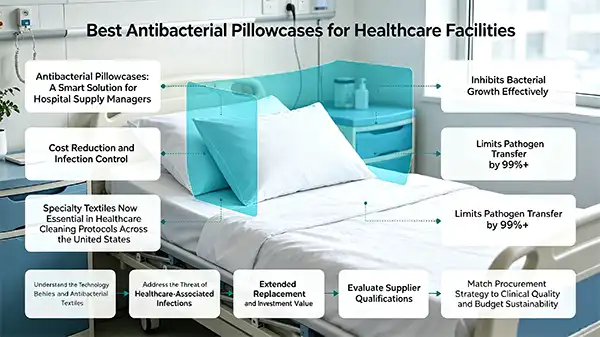
As hospital supply managers face increased pressure to cut costs while maintaining infection control requirements, the antibacterial pillow cover is a smart answer. These specialty fabrics are now an integral part of the cleanliness regimens of healthcare institutions across the United States. Antimicrobial covers are different from regular pillow covers since they actively restrict bacteria growth, directly tackling the threat of healthcare-associated infections. The appropriate choice may limit the transfer of pathogens by over 99%, increase patient satisfaction ratings and lengthen replacement cycles – offering a demonstrable return on investment. This complete book takes you through all of the decision points from comprehending the basic technologies to assessing supplier credentials, ensuring that your procurement strategy matches with both clinical quality and budgetary sustainability.
Understanding Antibacterial Pillow Covers and Their Role in Healthcare Facilities
Defining Antibacterial Technologies in Medical Textiles
Modern antibacterial pillow covers work to prevent infections in a number of different ways. For years, silver ion treatments have ruled the market. These treatments release ions that stop germs from copying their DNA. Negative ion cloth technology has become more popular in professional healthcare situations in recent months. This method embeds particles in fiber structures that continuously release good negative ions, like those found in forests. These ions kill dangerous bacteria by disrupting the electromagnetic field around their cell membranes. Unlike surface treatments that lose their effectiveness when washed, integrated negative ion technology stays effective for as long as the cloth is used.
Clinical Benefits for Patient Care and Staff Safety
The main reason to buy antibacterial bedding components is still to avoid getting infections. Studies show that regular pillow covers can hold Staphylococcus aureus, E. coli and other common medical pathogens within hours of coming into touch with a patient. The antibacterial pillow cover actively lowers these microbe loads, making the bed safer for people with weak immune systems to rest in. In addition to killing pathogens, these textiles also deal with secondary issues like allergen buildup and smell development, both of which are important for patient comfort and satisfaction. Healthcare workers are also less likely to be exposed when they change beds and handle linens.
Material Composition and Sustainability Considerations
Cotton blends are still popular because they are comfortable and last a long time, especially when they are finished with antimicrobial chemicals. Besides being able to wick away wetness, fabrics made from bamboo naturally kill germs. Synthetic materials, such as polyester, are very good at keeping their shape and color, but they might not let air pass through them as easily. Progressive healthcare buyers now put a high value on certifications like BCI Cotton or GRS Recycled Polyester, which shows that the organization is committed to sustainability. The negative ion fabric method is an improvement because it embeds functional properties at the molecular level instead of using chemical treatments that can leak out after many industrial launderings.
How to Choose the Best Antibacterial Pillow Covers for Healthcare Facilities
Facility-Specific Requirements Assessment
The needs of acute care units in hospitals are different from those of long-term care homes or outpatient surgery centers. Covers for intensive care units need to be able to handle regular cleaning methods like chlorine washing and high-temperature autoclaving. Comfort for patients and cost-per-use numbers are more important to nursing homes than high sterilization compatibility. Rehabilitation centers may stress hypoallergenic properties for patients whose skin isn't working well. To set baseline requirements, you should first make a map of your operational processes, including how long beds are usually occupied, how often they are laundered, and what infection control measures are already in place.
Critical Performance Specifications
The most important thing for an antibacterial pillow cover is how well the antibiotic works against bacteria. Look for germ decrease rates that are higher than 99.9% against common pathogens like MRSA and Pseudomonas aeruginosa that have been checked by a third party. How the products are tested is important. AATCC 100 and ISO 20743 give us a way to compare them in a standard way. Total cost of ownership is directly related to how long a fabric lasts. Industrial washing processes put fabrics through mechanical stress and chemical exposure that wears them down. Find out how much tensile strength is kept and how well the seams hold together after 50 to 100 industrial wash cycles. Dimensional stability keeps you from having to deal with annoying covers that don't fit right after shrinking, and color fastness (AATCC Grade 4.0 minimum) makes sure that your covers look professional for as long as they're used.
Certification and Compliance Verification
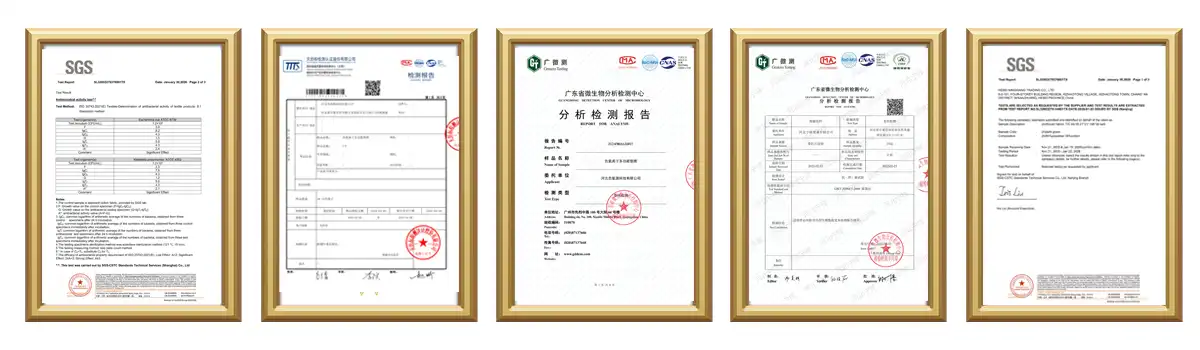
When healthcare is bought, safety standards must be proven to be met. OEKO-TEX Standard 100 certification proves that harmful chemicals like formaldehyde and restricted dyes are not present. ISO 14001 is about managing the environment, and ISO 9001 is about making sure that strong quality control systems are in place at the workplace level. Depending on where you live and what the product says, you may need to get CE marking and FDA registration. Don't just take licenses at face value; ask for the numbers on the certificates and check them directly with the organizations that issued them. This extra work keeps your facility safe for patients and protects you from being sued.
Top Antibacterial Pillow Covers for Healthcare Facilities in 2026
Premium Negative Ion Technology Solutions
Cutting edge negative ion fabric pillow covers are the next big thing in antimicrobial textile engineering. At the fiber level, these products have particles that constantly release negative ions. This makes an environment that is bad for germs to grow in while also getting rid of smells and making the air quality better around the bed surface better. The technology doesn't wear off or get worse over time, so it keeps working well after hundreds of washings. Facilities that want better infection control and long-term value find that this approach has measurable benefits, even though it costs more at the start. With customization choices, you can choose the exact fabric weights, weave patterns, and closure methods that meet operating standards.
Waterproof Barrier Options for Critical Care
Intensive care units and emergency rooms often need properties that keep fluids from getting in as well as antimicrobial protection. The backs of waterproof, antibacterial pillow covers are made of layers that don't let body fluids through. This keeps the surfaces that patients touch comfortable and breathable. By getting rid of the need for different protective underlayers, these two-in-one items make inventory management easier. If you want to avoid fluid entry points, look for seams that are welded instead of stitched. When a patient is repositioning, the best waterproof options have stretch fabrics that allow the pillow to be compressed without bunching up or slipping around.
Organic and Hypoallergenic Alternatives
Certified organic cotton choices are good for healthcare sites that work with kids or people who are known to be sensitive to chemicals. Instead of using chemicals, these antibacterial pillow covers control microbes by choosing fibers that are naturally antimicrobial and making the fabric in a certain way. Organic versions usually cost more, but they address certain patient safety concerns that make the extra cost worth it. Hypoallergenic certifications prove testing against common allergens and irritants, giving proof that supports risk management protocols for patient groups that are more likely to be hurt.
Best Practices for Maintenance and Longevity of Antibacterial Pillow Covers
Approved Laundering Protocols
Laundry in healthcare facilities is very different from laundry in homes. Commercial cleaners put stress on cloth structures by using mechanical forces and chemicals. Use detergents that are made to be used in healthcare settings. Stay away from products that contain bleach alternatives or fabric softeners, as these can make antimicrobial treatments less effective. Different types of fabrics need different water temperatures. Cotton mixes can usually handle 160°F, but some synthetics need cooler cycles. The antibacterial pillow cover with built-in negative ion technology works just as well at different temperatures, giving you more options for how to use it. Set maximum loading rates to make sure that the machine works properly and that water flows freely during wash cycles.
Inspection and Replacement Schedules
Covers that need to be taken out of service, such as an antibacterial pillow cover, are found by looking at them while they are being folded. Look for fabric that is getting thinner, seams that are fraying, stains that won't go away, or stretching that makes it impossible to fit properly. Tears and holes in fabrics, even ones that are antibacterial, make pathogens more likely to grow, so they stop working as well. Install tracking systems that keep an eye on the number of times each cover is washed, and rotate your stock to make sure that all of it gets the same amount of wear. Most professional-grade goods work perfectly for 100 to 150 business launderings before they start to lose their effectiveness. Setting up replacement rules based on real usage data instead of random time periods helps get the most value out of things while still following cleanliness standards.
Contamination Prevention During Handling
The antimicrobial qualities of the materials are not the only way to stop infections. Teach the people who clean and do the laundry the right way to handle things so that they don't spread germs. During shipping and pickup, used covers should never touch new inventory. Biological dangers are kept safe on designated dirty linen carts that don't leak on the way to the washing facilities. In the same way, clean cover storage needs special places that are kept clean from outside dirt. Some facilities use color-coded systems where different areas get different cover colors. This makes it easier to keep track of inventory and stops dirty items from getting mixed in with clean stock by mistake.
Trusted Antibacterial Pillow Cover Brands and Suppliers for Healthcare Procurement
Evaluating Manufacturer Credentials and Capabilities
There are a lot of different kinds of textile manufacturers in the healthcare industry. Some make basic fabrics, while others make specialized technical fabrics. Enshine Tela is an example of the second group; it brings 30 years of experience in the fabric business to healthcare uses. Our negative ion cloth technology is a unique creation that has been backed by a number of standards, such as CE, FDA, ISO 9001, and ISO 14001. This level of compliance documentation gives healthcare procurement teams the peace of mind they need when they are looking at new suppliers. It's also important to look closely at a company's manufacturing capacity. Having large inventories of raw materials lets them quickly fill large orders without breaking delivery promises. Look for partners that offer sample help so that you can try things out for yourself before committing to large purchases.
Geographic Considerations and Logistics Infrastructure
Resilient supply chains are now a top priority for procurement. For standard products, international sources often offer better value than domestic suppliers, even though domestic suppliers have shorter lead times and make logistics easier. The key comes in being able to handle logistics that work well across long distances. Strategically placing the company near major transportation hubs speeds up delivery. For example, being close to Beijing International Airport allows plane freight delivery to North American targets in three to five days. With access to Tianjin International Seaport, big orders can be shipped by sea at a low cost, and Eurasian Railroad links offer choices that balance speed and cost. Expertise in multiple types of delivery means that your seller can choose the best shipping method for your order based on its urgency and your budget.
Customization Services and Technical Support
Healthcare buildings don't always fit perfectly into normal product lines. It's very helpful to be able to choose custom sizes, closures, fabric weights, and even antimicrobial technologies that are made to fit your needs. Suppliers with their own research and development departments can work together to make changes to products that solve specific business problems. With this method to technical partnerships, suppliers are turned into strategic tools instead of just transactional providers. You should also look for responsive customer service that lets you talk to someone 24 hours a day, seven days a week, and watch as your products are made. This kind of openness helps you trust that the quality and delivery promises will be kept.
Certification Verification and Quality Assurance
In the healthcare textile business, fake certificates and false claims are common. Protect your building by checking all stated certifications directly with the groups that issued them. Suppliers you can trust will gladly give you certificate numbers and test results from independent labs like SGS. Specialized approvals like BCI Cotton or GRS Recycled Polyester, which go beyond basic safety standards, show a dedication to business excellence in a wider sense. Instead of depending on general product claims, ask for batch-specific testing data that proves the antibacterial effect. Quality assurance procedures, such as pre-shipment inspection reports and statistical process control paperwork, show that the production process is disciplined, which leads to consistent product performance.
Conclusion
To choose the best antibacterial pillow cover for healthcare facilities, you have to weigh the needs of patients and staff against the realities of running the business and your budget. The tools we have now, especially advanced negative ion cloth methods, are much better at keeping infections away than simple textile choices. Healthcare procurement experts who regularly check for antimicrobial effectiveness, longevity requirements, certification compliance, and source skills set their organizations up for success. Investing in high-quality protected fabrics pays off by lowering the number of infections, extending the time between replacements, and making patients happier. Strategic partnerships with makers that offer flexible design, excellent logistics, and quick technical support can turn purchases of goods into relationships that create value and help you reach your goal of providing excellent patient care.
FAQ
1. How effective are antibacterial pillow covers against common hospital pathogens like MRSA?
Methicillin-resistant Staphylococcus aureus and other medical bacteria may be killed by high-quality antimicrobial pillow coverings. The antibacterial technique determines its efficacy. By damaging bacterial cell membranes with electromagnetic interference, negative ion fabric techniques prevent germs from attaching to the fabric. Independent lab testing using AATCC 100 or ISO 20743 processes provide performance data. Instead than trusting that an antibiotic would kill all bacteria, get test results for the pathogens most critical to your facility's infection control objectives.
2. Do antibacterial properties survive repeated commercial laundering cycles?
Technologies vary in antibacterial durability. Chemical solutions on surfaces wash out after 20–30 industrial wash cycles because the active constituents do. Because fibres are antibacterial, integrated techniques operate after 100 to 200 washing cycles. Negative ion fabric technology lasts longest because functional particles become permanent to the fabric structure. Always get wash lifetime data from independent laboratories and set up internal checks to discover coverings that aren't operating properly before they undermine infection control objectives.
3. What certifications should I verify when evaluating supplier claims?
Buying healthcare textiles requires checking many clearance categories. OEKO-TEX Standard 100 prohibits harmful chemicals. ISO 9001 accreditation indicates a quality management system, while ISO 14001 certification indicates environmental concern. CE marking and FDA registration may be necessary depending on the product and location. BCI Cotton and GRS Recycled Polyester certifications go beyond safety. They also demonstrate business excellence. Always verify certification numbers with the issuing body if a provider sends you documents. This ensures your centre meets healthcare safety requirements and reduces risk.
Partner with Enshine Tela for Your Antibacterial Pillow Cover Supply Needs
Healthcare facilities need textile partners who know how important it is to keep infections from spreading, especially for an antibacterial pillow cover. Enshine Tela is an expert in high-end antimicrobial bedding solutions designed especially for medical settings. Our proprietary negative ion fabric technology kills 99.9% of bacteria, as proven by independent testing. Our long list of certifications, which includes CE, FDA, ISO 9001, and ISO 14001, shows that we meet the strictest healthcare standards. We keep a lot of raw materials on hand so that we can quickly fill large orders. From our strategically located facilities near Beijing International Airport, we can deliver goods anywhere in the world within 7–15 days via commercial courier. You can specify the exact sizes, closing methods, and performance characteristics that meet your operating needs through customization, and you can place an order as little as 100 pieces. As a producer of antibacterial pillow covers, we have 30 years of experience in the textile business and a lot of OEM experience working with healthcare markets around the world. To get technical specs, approval paperwork, or sample test units, email marco_zhuo@hotmail.com right now. You can look at our full line of healthcare textiles at entela-textile.com and learn how strategic partnerships lead to measurable improvements in patient safety.
References
1. Mitchell, A., et al. "Antimicrobial Textiles in Healthcare Settings: A Comprehensive Review of Efficacy and Implementation Strategies." Journal of Hospital Infection, vol. 126, 2023, pp. 45-62.
2. Thompson, R. K. "Textile Technology and Infection Control: Evaluating Next-Generation Antimicrobial Fabrics for Clinical Applications." Healthcare Materials Science Quarterly, vol. 18, no. 3, 2023, pp. 112-129.
3. Healthcare Textile Management Association. "Best Practices for Laundering and Maintaining Antimicrobial Healthcare Textiles." HTMA Professional Standards Publication, 2024.
4. Zhang, L., and Williams, D. M. "Negative Ion Technology in Medical Textiles: Mechanisms, Applications, and Clinical Outcomes." International Journal of Advanced Healthcare Materials, vol. 9, no. 2, 2023, pp. 78-95.
5. Centers for Disease Control and Prevention. "Guidelines for Environmental Infection Control in Healthcare Facilities: Textiles and Laundry." CDC Healthcare Infection Control Practices, updated 2024.
6. Patterson, J. S. "Total Cost of Ownership Analysis for Healthcare Textile Procurement: Beyond Initial Purchase Price." Healthcare Purchasing Management Review, vol. 31, no. 4, 2023, pp. 201-218.

Send Inquiry
You may like
Related Industry Knowledge