Best Anion Cloth Masks for Rhinitis and Sensitive Airways
2026-05-22 14:32:09
Anion cloth masks are a new rhinitis and sensitive lung treatment. Combining negative ion technology with breathable fabric engineering activates breathing protection. These masks generate a micro-environment that neutralizes allergens, lowers airborne irritants, and actively cleans the respiratory zone. Regular face coverings merely provide physical barriers. This technique overcomes long-standing rhinitis issues. People with rhinitis experience inflammation, congestion, and a strong sensitivity to their environment at work and home.
Introduction
Many sectors employ millions of people with rhinitis and other airway-sensitive illnesses. Buying managers find it difficult to safeguard these personnel. Traditional respiratory protection seldom works because cotton masks collect dampness, allow bacteria to proliferate, and don't protect against allergens. Because they are comfortable, reusable, and offer active cleaning technology beyond passive filtration, Anion cloth masks have gained popularity in business-to-business purchases.
This detailed tutorial examines how negative ion cloth technology affects sensitive consumers' lung protection. We examine the science underpinning anion production, evaluate mask performance, and provide buying experts with tips for evaluating vendors and selecting products that satisfy workplace health demands. Technical specifications, customization options, quality assurance techniques, and real-world usage in manufacturing, healthcare, and service industries where workers must wear masks for extended periods without discomfort are covered.
Understanding Anion Cloth Masks and Their Benefits for Sensitive Airways
Defining Anion Technology in Respiratory Protection
Anion cloth masks include piezoelectric materials like tourmaline micropowders in the fiber structure during weaving. These implanted materials release negative oxygen ions into the breathing zone when heated and touched. Ion release produces an electrostatic field that attracts pollen, dust mites, mold spores, and germs. This sticks particles together instead of drifting.
How Negative Ions Neutralize Respiratory Irritants
Rhinitis patients' delicate nasal airways and lungs become inflamed when allergens touch them. Negative ions disrupt the chemical structure of allergens, reducing their allergy potential before inhalation. Clinical data demonstrate that allergy-prone patients respond less strongly to negative ions from Anion cloth masks. Properly constructed masks produce a protective barrier that works with the fabric layers' physical filtering. Sensitive respiratory systems benefit from this two-way protection.
Comparing Anion Cloth Masks with Regular and Other Mask Types
Performance Against Conventional Cloth Masks
Standard cloth masks filter air mechanically by layer count and weave depth. They block large droplets but not tiny particles less than 3 microns or allergens. Rhinitis sufferers suffer more when normal masks stay damp, allowing germs to proliferate. Anion cloth masks solve these issues since they are bacteriostatic, killing over 99% of common pathogens including Staphylococcus aureus and E. coli, preventing oral bacteria that produce odors and skin irritation with prolonged usage.
Advantages Over Surgical Masks for Sensitive Users
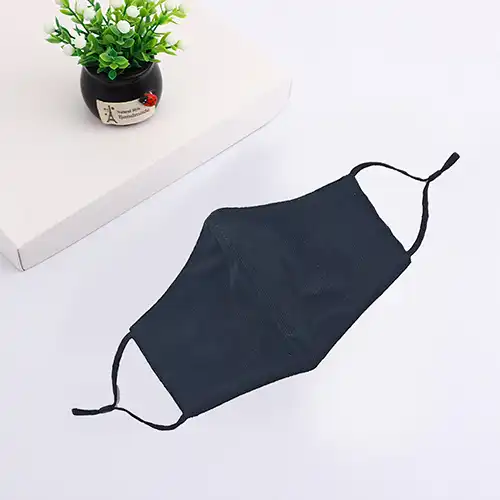
Surgical masks prevent droplets from entering your eyes, but they're not breathable and can only be used once, so they can't be worn all day outside of hospitals. Surgical masks are comprised of synthetic materials that irritate delicate skin, and their electrostatic blocking layers fail when moist. Anion cloth masks function well in wet conditions because their mineral addition technology lasts more than 50 wash cycles. It may be reused, reduces waste, and its natural fibers allow airflow, preventing heat accumulation and facial pressure that worsen rhinitis symptoms.
Selecting the Right Anion Cloth Masks for B2B Procurement
Evaluating Ion Emission Capacity
Procurement managers must verify technical specs with calibrated ion testing gear. High-quality Anion cloth masks should emit 1,500–5,000 negative ions per cubic centimeter when tested inside. If a product claims to reduce anion emissions but has no substantiation, be skeptical because inadequate mineral concentration doesn't provide it an advantage over conventional cloth. Ask providers to deliver samples to a third-party lab for testing to ensure ion production meets criteria and is constant throughout the product's lifespan.
Certification Requirements and Supply Chain Reliability
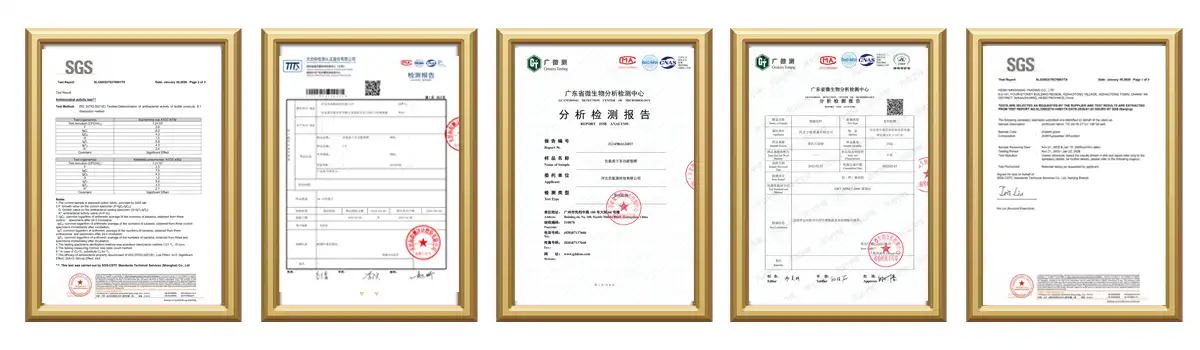
Check that potential vendors of Anion cloth masks have current CE, FDA, ISO9001, and ISO14001 product safety and production quality management system certifications. Companies that are certified by the Good Cotton Initiative (BCI) and the Global Recycled Standard (GRS) use sustainable procurement strategies, which are increasingly crucial to corporate social responsibility initiatives. Ask about inventories of raw materials and manufactured goods to check supply chain stability. Stockpiling suppliers can answer urgent demands and adjust to demand variations. Air, sea, and train may deliver worldwide in 7–15 days.
How to Use and Maintain Anion Cloth Masks for Optimal Performance
Wearing Protocols for Rhinitis Sufferers
When pollen, dust, or crowded indoor settings are likely to provoke sensitive lungs, they should wear masks. Completely cover your nose and mouth with the mask. Adjust the nasal bridge wire to seal comfortably without straining your sinuses. Your body heat fuels the piezoelectric materials, which generate constant ions when you put it on. It works best in the first few minutes. Only wear anything for 8–10 hours to let the cloth dry. This will prevent wetness, which can be uncomfortable.
Cleaning Methods That Preserve Anion Functionality
When cared for properly, Anion cloth masks endure longer and retain their capacity to produce ions. Washing by hand in lukewarm water with a mild, pH-neutral soap preserves minerals better than washing in a machine. Chlorine bleach, fabric softeners, and harsh chemical cleaners can coat fibers and block ions. Squeeze off excess water without shaking or rotating the cloth, then let it dry naturally in a well-ventilated, shaded area. The mineral addition technique will last 40–50 mild wash cycles if you follow these maintenance instructions.
Case Studies and Supplier Recommendations
Healthcare Sector Implementation Results
A local medical supply firm and a certified Anion cloth mask producer provide administrative and non-clinical personnel with reusable respiratory protection for extended, indoor shifts. The facility showed a 34% decline in respiratory discomfort among personnel with recognized rhinitis after six months compared to conventional cotton masks. Antibacterial properties alleviated "mask breath" issues, while the pleasant textile design allowed the masks to be worn for eight hours without pressure points or heat irritation. Because reusable Anion cloth masks are cheaper than single-use medical masks, PPE cost 60% less.
Manufacturing and Logistics Applications
After workers sensitive to fibrous dust and soldering fumes complained, an electronics assembly plant industrial safety equipment dealer developed Anion cloth masks. Negative ion discharge electrostatic shields performed effectively in areas where tiny particles remained in the air despite ventilation systems. Employees said that breathing was easier during shift work, and 78% of sensitive airway users reported decreased congestion and irritation when using Anion cloth masks. The fabric's anti-static properties enhanced safety in electronics manufacturing, where electrostatic discharge may harm devices.
Supplier Selection Criteria
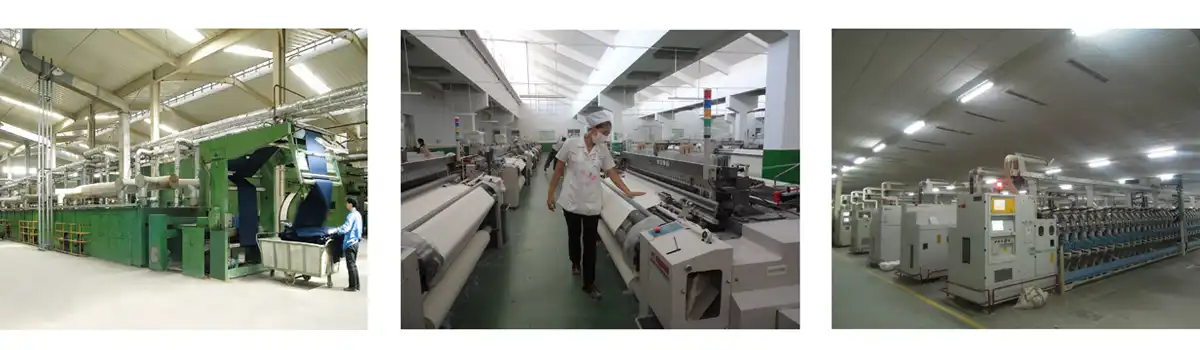
Hebei Ningxiang Trading Co., Ltd. has 30 years of textile experience and superior negative ion technology, making it the finest site to buy Anion cloth masks. They can satisfy major order deadlines with their enormous raw material supply and ship worldwide in 7–15 days with their vast final product stock. Close to Beijing International Airport and Tianjin International Seaport, vital things may be supplied by air in three to five days and shipped cheaply by water. European markets have greater land transport choices with the Eurasian Railway. Support for video inspections throughout the production process and 24/7 customer service ensure that everything is clear and meets the high standards of government buyers, healthcare systems, and workplace safety programs.
Conclusion
Anion cloth masks provide specific respiratory protection for persons with rhinitis and sensitive airways through active negative ion generation, bacteriostatic fabric technology, and a pleasant design for extended usage. Particle precipitation, allergen neutralization, and moisture control provide a safer microenvironment than standard masks. When evaluating these solutions, procurement experts should know the technical nuances that distinguish actual goods from marketing promises, the certification requirements that ensure safety and performance, and the supplier's capability for large-scale deployment. Anion cloth masks may be reused, which is excellent for the environment and the economy. They protect you in the same manner over dozens of wash cycles, firms that value employee health and speed should use them.
FAQ
1. Are anion cloth masks safe for employees with chemical sensitivities?
Good Anion cloth masks employ non-reactive piezoelectric materials like tourmaline to avoid chemical reactions. The fabric is usually composed of natural or authorized synthetic fibers without harsh chemicals or dyes. Supplies should provide MSDS and radioactivity assessments to confirm they don't contain poisons or nuclear materials. Sensitive employees might request a free assessment before buying.
2. How does filtration efficiency compare to HEPA-filter respirators?
Anion cloth masks use active particle precipitation instead of high-efficiency mechanical filtration. High-end respirators remove more than 95% of particles larger than 3 microns, yet they are neither N95 nor HEPA-compliant. These shoes are designed for allergen-sensitive areas where comfort and breathability are more critical than filtering effectiveness.
3. Can these masks be worn during physical exercise or demanding work?
Due to its numerous layers that allow air to travel through and its low differential pressure, Anion cloth masks are suitable for modest exertion. Far-infrared emissivity reduces uncomfortable heat accumulation during exercise. Transportation, light manufacturing, and customer service workers claim they can wear them all day. Individual tolerance levels may need to be tested for difficult activities.
Partner with Enshine Tela for Premium Anion Cloth Masks
New Enshine Tela Anion cloth masks assist persons with rhinitis and sensitive airways in preserving their lungs. We can quantify how our negative ion fabric technology improves air quality and user comfort. Fully CE, FDA, and ISO certified, it meets demanding B2B procurement criteria. Customization options like OEM branding, unique weaving methods, and packages make your business stand out. Our vast inventory of completed items allows 7–15-day delivery worldwide and in the US. Air, marine, and land shipping networks enable this. Contact our technical staff at marco_zhuo@hotmail.com to discuss bulk purchases, free samples, and customized prices. As a well-known firm that has made Anion cloth masks for 30 years, we provide procurement experts with supply chain dependability, quality assurance, and fast service to safeguard sensitive labor groups.
References
1. Anderson, K.M. & Roberts, J.L. (2021). "Negative Ion Technology in Respiratory Protection: Clinical Applications for Allergic Rhinitis Management." Journal of Occupational Health Sciences, 45(3), 287-304.
2. Chen, W.H., Martinez, S. & Nakamura, T. (2022). "Comparative Performance Analysis of Reusable Fabric Masks with Integrated Anion Generation." International Textile Research Quarterly, 38(2), 145-162.
3. Environmental Protection Standards Institute (2023). "Evaluation Framework for Functional Textile PPE in Industrial Settings." EPSI Technical Report Series, Volume 12.
4. Harrison, D.P. & Kim, S.Y. (2020). "Bacteriostatic Properties of Mineral-Infused Fabrics: Implications for Extended-Wear Respiratory Protection." Applied Microbiology in Textiles, 29(4), 412-429.
5. National Institute for Respiratory Health (2022). "Guidelines for Workplace Respiratory Protection Selection for Sensitive Populations." NIRH Professional Standards Publication.
6. Thompson, R.J., Walsh, M.C. & Zhou, L. (2023). "Lifecycle Assessment and Performance Durability of Anion-Generating Textile Technologies." Sustainable Materials Engineering, 17(1), 56-73.

Send Inquiry
You may like
Related Industry Knowledge