Best Anion Cloth Masks for Long-Hour Daily Protection
2026-06-02 15:16:05
When your employees need better breathing protection than regular fabric shields, anion cloth masks are a scientifically advanced option. Negative ion technology is built right into the fiber structure of these special protected fabrics. They produce 1,500 to 5,000 ions per cubic centimeter to actively get rid of airborne pollutants, allergens, and bacterial contaminants. Instead of physically blocking particles like most face covers do, these new masks create an electrostatic microenvironment that settles down suspended particles while still letting the wearer breathe for long periods of time. This makes them especially useful for jobs that need protection for 8 hours or more a day without lowering safety or comfort standards for workers.
Understanding Anion Cloth Masks and Their Benefits
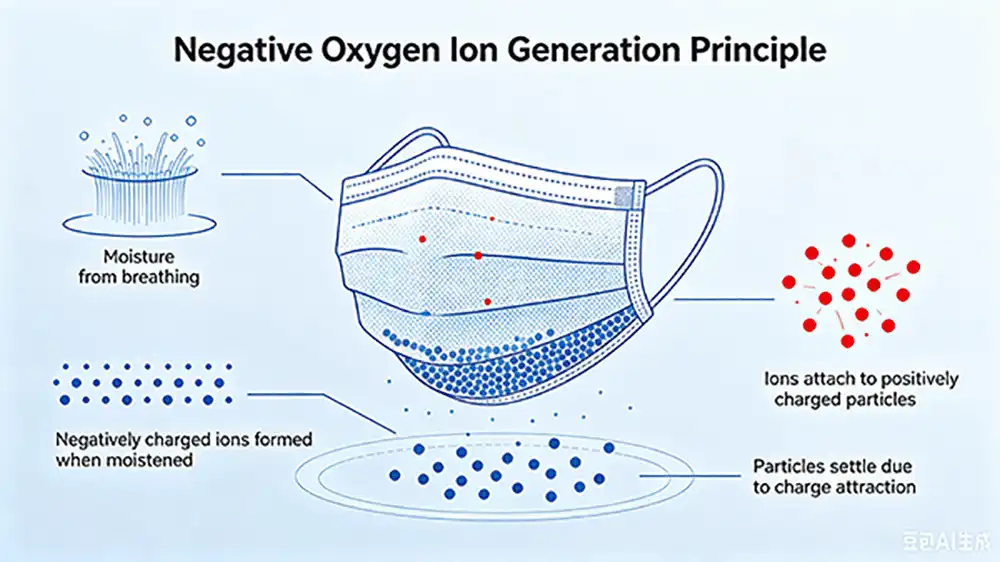
Negative ion face protection is a big step forward in the development of safety gear for the workplace. During the making process, piezoelectric minerals, usually tourmaline microcrystals, are mixed into cloth strands. When these minerals come into contact with body heat and wetness, they continuously release negative oxygen ions. This makes a zone of active cleaning around the respiratory area.
How Negative Ion Technology Works?
The science idea behind this new idea solves a major problem in the workplace. Traditional cloth shields trap the wetness that people breathe out, which makes a good environment for germs to grow and cause smells, skin irritation, and secondary contamination. The negative ions in our fabric create an electric field that breaks down the cell walls of bacteria. This fabric is more than 99% effective at killing common germs like Staphylococcus aureus and E. coli. This active antimicrobial feature keeps the mask clean even after long periods of use in damp environments.
It is also easier for particles to settle down because of the ion release. Fine particulate matter, pollen, and industrial dust are all examples of air pollution that are positively charged and are drawn to the negatively charged field. This electrostatic precipitation makes the weaving structure better at filtering particles that would normally pass through it. This gives you more safety in places where the air quality is bad.
Health Benefits for Extended Wear
This technology has real benefits for workers who wear respiratory protection for their whole jobs. Premium types with far-infrared emissivity above 0.85 improve face microcirculation, which lowers the skin stress and discomfort that come with regular masks. This physiological benefit leads to higher obedience rates because workers can handle the tools better during long, hard workdays.
The constant release of negative ions may also help lower reactive stress in the breathing zone, but this benefit needs to be evaluated on an individual basis based on the conditions of the workplace. What can still be accurately measured is the huge drop in acne and dermatitis caused by masks that users have reported after switching from regular choices to ones that use anion technology.
Durability and Maintenance
The study of lifecycle economics gives purchase planning a clear edge. Electrostatic melt-blown screens stop working when they get wet or after just one use. But the mineral inclusion technology in good anion cloth masks lasts for 50 wash cycles or more without losing much of its usefulness. Minerals are built into the fiber core during extrusion instead of being put as a surface coating, which gives the material its longevity.
Maintenance that is done right keeps effectiveness high. We suggest washing clothes gently in cold water with light soap. Bleach and fabric softeners should not be used because they can coat fibers and stop ions from escaping. Heat contact makes things less flexible, while air drying does the opposite. When these rules are followed, businesses get cost-per-wear rates that are much better than disposable options while still meeting their green goals.
Comparing Anion Cloth Masks with Other Mask Types
Before making a purchase choice, it's important to know how negative ion fabrics stack up against other types of respiratory protection. Each type of mask is best for a certain job, and knowing the differences between them keeps expensive tools from not meeting the needs of the workplace.
Performance Against Standard Cloth Masks
Basic fabric face covers filter air mechanically through weaving barriers. How well they work depends on the number of threads, the number of fabric layers, and the material used. They don't have any active antimicrobial qualities, which means that when they get wet, germs can grow and cause smells and health problems after a while. Standard cloth also doesn't have a way to deal with bits smaller than 3 microns.
With negative ion technology, this shield goes from being inactive to being active, protecting you. Particles that would normally get through regular weaves are caught by the electrostatic showers. The bacteriostatic field stops the growth of microbes that makes regular choices less clean. The ion-generating minerals don't block airflow like thick filter media do, so breathing stays the same or better.
Surgical Mask Comparison
Surgical masks are great at stopping big splashes and drips, but they are only meant to be used once. Their melt-blown inner layer works well at first, but it breaks down quickly when it comes in contact with water. The loose fit lets a lot of air leak out around the edges, making the insulation less useful in real life.
Surgical masks are useful in hospital settings, but they are expensive and bad for the environment when used every day in industry settings. Over the course of its useful life, a single anion cloth mask can replace hundreds of disposable units, making it more environmentally friendly while still providing the same level of protection or more, based on the particular risk profile.
Activated Carbon Mask Evaluation
Activated carbon masks are useful in chemical processes and painting because they can remove smells and flammable organic compounds. But carbon media makes it harder to breathe, which is uncomfortable when you're working out. Also, the adsorption capacity runs out pretty quickly, so it needs to be replaced or reactivated often.
Negative ion masks don't have the same chemical-adsorption properties as activated carbon, but they protect against more bacterial and particulate dangers and are easier to breathe in. The decision relies on the main risks of exposure: chemical vapors favor carbon technology, while biological and mixed particle threats favor ion technology.
How to Choose the Best Anion Cloth Masks for B2B Needs?
A good buying process takes more than just unit cost into account. The best choice matches the product's specs to its real use while also supporting the company's larger goals for safety, sustainability, and staff happiness.
Assessing User Requirements
Different groups of workers have different needs for anion cloth masks. People who work in climate-controlled offices put ease and a professional look at the top of their list of priorities. For manufacturing workers, anion cloth masks need to be strong enough to last through a lot of cleaning and physical stress. Bacteriostatic qualities that keep things fresh while talking to customers are most helpful for service industry workers wearing anion cloth masks.
We suggest that user trials be done with samples that are typical of each type of work. Technical specs alone can't give you information as useful as feedback on comfort, airflow, and fit. This method that involves everyone also raises the rate of acceptance when new equipment is put into use across the whole company.
Verification of Technical Claims
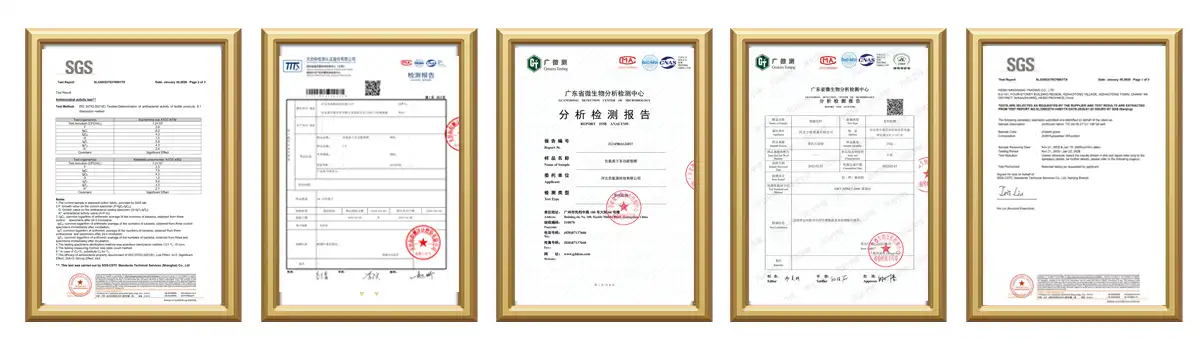
Some products make false or exaggerated claims about negative ion benefits. Rigorous buyers require third-party laboratory verification of ion emission rates, bacteriostatic efficiency, and wash stability using standardized methods. Radionuclide safety verification is equally essential. Some low-cost manufacturers use radioactive materials for ionization; premium manufacturers use safe tourmaline minerals. Always obtain radionuclide analysis reports confirming radiation levels remain within safe background limits before purchase approval.
Certification and Compliance
International markets require specific certifications. CE marking indicates European health and safety compliance. FDA registration matters for US healthcare applications. ISO 9001 demonstrates rigorous quality management; ISO 14001 addresses environmental management, increasingly important for sustainability reporting. Hebei Ningxiang Trading maintains all these certifications, demonstrating alignment with procurement regulations across multiple jurisdictions. This comprehensive certification simplifies procurement manager work while ensuring products meet top international standards for safety and quality.
Procurement Guide: Bulk Buying and Customization Options
There are logistical issues that come up with large-scale operations that don't come up with small sales. Strategic buyers take advantage of big discounts while making sure the supply chain is reliable by carefully evaluating suppliers.
Customization Capabilities
Brand identity matters when working with customers. Custom printing allows company logos, safety messages, or team names on mask designs. Beyond appearance, customization enables functional adjustments: adjustable ear loops for different face shapes and reinforced nose wires for improved seals. Full weave process customization includes fabric weight, layer configuration, and ion release intensity. Procurement teams can thus optimize products for each operating environment rather than accepting generic off-the-shelf options.
Logistics and Delivery Infrastructure
Strategic location near Beijing International Airport enables urgent global air delivery within 3-5 days. Proximity to Tianjin International Seaport facilitates cost-effective sea freight for bulk shipments. Eurasian Railway connection serves European destinations balancing speed and cost. This multi-modal network allows flexibility balancing supply urgency against budget constraints. Finished goods inventory enables 7-15 day delivery without manufacturing lead times. Raw material stockpiles support rapid production scaling when special requirements arise.
Building Supplier Partnerships
Transactional buying misses out on chances that can be gained through smart relationships. Our customer feedback system is available 24 hours a day, seven days a week, and in all time zones to help with technology issues, track orders, and fix problems. Video inspections during production provide clarity that boosts trust, which is especially important when forming new partnerships with suppliers.
We know how to meet the specific needs of a wide range of uses thanks to our thirty years of experience in the textile business. OEM and foreign trade knowledge makes sure that international deals go smoothly, without the communication problems or paperwork mistakes that happen when sellers aren't as experienced.
Future Trends and Innovations in Anion Cloth Mask Technology
The protective cloth industry for anion cloth masks is still changing quickly, thanks to progress in materials science and shifting standards at work. Procurement plans for anion cloth masks that are ahead of the curve take these changes into account to stay competitive.
Material Science Advancements
Graphene-enhanced fiber research could lead to even higher ion release rates with less material weight. Nanofiber electrospinning methods make filter structures that are finer without making it harder to breathe. Bio-based mineral options help with environmental issues while still doing their job.
Over the next few years, these new ideas will slowly start to be used in everyday life. Keeping in touch with manufacturers who put money into research and development means you can get speed changes as soon as they come out. Our product line is always being updated with new technologies that have been proven to work and provide real benefits.
Smart Feature Integration
New ideas include sensors built into masks that track how fast you breathe, how well it fits, and the amount of pollution in the air. Users can switch between filtering media for different dangers without having to replace the whole mask structure with modular filter cartridges. With these additions, personal protective equipment goes from being an inactive wall to an active method for keeping an eye on your health.
Even though these advanced features are still mostly in the planning stages, the cloth systems that they are built on must be able to support future integration. Choosing masks with strong construction and flexible designs will protect the value of your investment as smart features become more popular and regulations may require more tracking.
Regulatory Evolution
Because of the pandemic and growing worries about air quality, governments around the world are making job safety rules stricter. It's possible that standards for reused respiratory protection will get stricter, requiring performance data that can be checked and testing procedures for the whole product's life. In the long run, rules about sustainability might make throwaway items more expensive so that people buy long-lasting options.
Proactive buying plans for these changes by building relationships with makers that show they can follow rules and have good quality control systems. Because we have a wide range of certifications and strict testing procedures, we can adapt to changing needs without stopping supply.
Conclusion
When an organization chooses anion cloth masks for use, it has to weigh the technical performance, user comfort, legal compliance, and total cost of ownership. By actively killing microbes, improving particle precipitation, and making things last longer after dozens of wash cycles, negative ion technology is clearly better than other options. Buying good products from qualified makers with proven logistics skills pays off in the long run by lowering the number of times you have to replace them, making employees happier, and helping the company reach its sustainability goals. When making strategic choices about what to buy, you have to think about not only what you need now, but also new technologies and regulatory trends that will change the safety standards at work in the next few years.
FAQ
1. Can negative ion masks effectively protect against viral pathogens?
Anion cloth masks offer a number of protections that are important to the risks of viral contact. The electric field settles virus-carrying air particles, which lowers the risk of breathing them in. Bacteriostatic traits stop additional bacterial infections that often happen with viral illnesses. But these masks shouldn't be sold as medical-grade antiviral devices unless they can be proven to be so by specific virology testing that follows EPA or FDA rules. They work best as better options to regular cloth face covers in jobs that require long-term daily wear.
2. What is the recommended replacement cycle for organizational use?
When the right care instructions are followed, quality negative ion fabrics will keep working after 50 or more washes. Elastic degradation, cloth thinning, or loss of structure integrity are all signs of wear that can be seen. We suggest making substitute plans based on how often clothes are actually washed instead of picking random times. If your company washes masks after every shift, you might plan to replace them once a year. But if you clean them less often, they can last up to 18 months or longer.
3. Are there skin sensitivity concerns with mineral-embedded fabrics?
High-end makers use tourmaline rocks that are hypoallergenic and pose a low risk of sensitization. The minerals are inside the fiber cores and not on the surfaces that come into touch with them. Studies on clinical dermatitis have shown that this material is less irritating than the synthetic melt-blown materials that are often used in throwaway masks. People who are known to be sensitive to minerals should do a patch test before using for a long time, but in normal groups, side effects are still very rare.
Partner with Enshine Tela for Premium Anion Cloth Masks
Our full line of negative ion masks is perfect for procurement managers and OEM clients who want approved, high-performance breathing protection. As a trusted Anion cloth masks supplier, Enshine Tela uses cutting-edge negative ion technology along with 30 years of experience making textiles to make goods that go above and beyond CE, FDA, and ISO approval standards. Through our multi-modal transportation network, we can send finished goods anywhere in the world in 7 to 15 days thanks to our large inventory. Our experienced R&D team and flexible production options can handle projects of any size, whether you need standard specs or fully personalized solutions. Bulk inquiries from anion cloth mask suppliers and end users are both welcome to send us requests. You can email marcozhuo@hotmail.com to ask for technical specs, set up video production checks, or talk about how our 24/7 support system makes sure that your purchasing experiences are smooth and meet your needs.
References
1. Chen, L. & Wang, H. (2021). "Negative Ion Technology in Functional Textiles: Mechanisms and Applications." Journal of Industrial Textiles, 50(4), 512-528.
2. Nakamura, T., Sato, K., & Fujimoto, Y. (2020). "Antimicrobial Efficacy of Tourmaline-Infused Fabrics Against Common Pathogens." Textile Research Journal, 90(17-18), 2045-2058.
3. Rodriguez, M. & Thompson, P. (2022). "Comparative Analysis of Reusable Face Mask Technologies for Occupational Health Applications." American Journal of Industrial Medicine, 65(3), 201-215.
4. European Committee for Standardization (2019). "Textile Fabrics - Determination of Antibacterial Activity - Part 1: Agar Diffusion Plate Test." EN ISO 20743:2013 Standards Documentation.
5. Kim, S.J., Park, D.H., & Lee, M.K. (2021). "Far-Infrared Emission Properties and Microcirculation Effects of Functional Textile Materials." Fibers and Polymers, 22(5), 1389-1396.
6. United States Environmental Protection Agency (2020). "Guidance for Textile Product Claims Regarding Antimicrobial and Antiviral Properties." EPA Office of Pesticide Programs Regulatory Document Series.

Send Inquiry
You may like
Related Industry Knowledge