Antibacterial Negative Ion Bedding for a Healthier Bedroom
2026-05-27 14:50:53
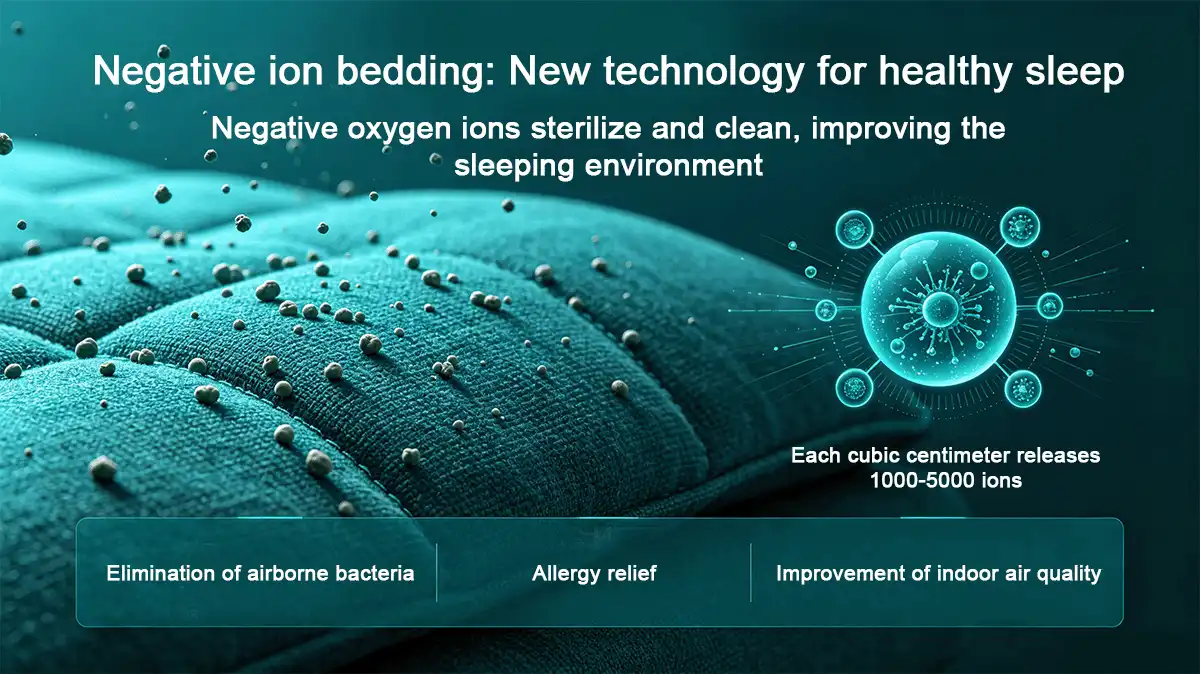
Negative Ion Bedding that destroys bacteria advances sleep technology. It fights bacteria and cleans using negative oxygen ions. This helpful cloth contains mineral nanoparticles directly. The emission of 1,000 to 5,000 ions/cm³ improves the sleeping environment. Procurement personnel seeking wellness-focused items would benefit from these bedding solutions' airborne germ elimination, allergy reduction, and indoor air quality improvements. Sleeping environments become therapeutic spaces that boost immune function, lung health, and vitality using the technology. Businesses targeting health-conscious clients should consider this.
Understanding the Science Behind Antibacterial Negative Ion Bedding
Advanced mineral integration technology powers antimicrobial Negative Ion Beddings. Manufacturers insert tiny Tourmaline, Germanium, or bioceramic substances into textile threads via melt-spinning. These piezoelectric and pyroelectric materials produce negative ions when under pressure or when their temperature changes due to body heat and sleep movement. This continual ion creation creates a "portable negative ion environment." It's like bringing forests and waterfalls inside your bedroom.
Research shows that negative ions adhere to positively charged particles like dust, pollen, and pathogens, making them too heavy to fly. A natural air purifier removes irritating particles in the lungs, and the ions may affect serotonin levels, improving sleep and happiness. Studies in environmental health journals indicate that ion concentrations exceeding 1,000 ions/cm³ benefit metropolitan areas. Quality antibacterial Negative Ion Bedding always meets this standard.
Core Technology and Manufacturing Excellence
Advanced Material Integration Methods
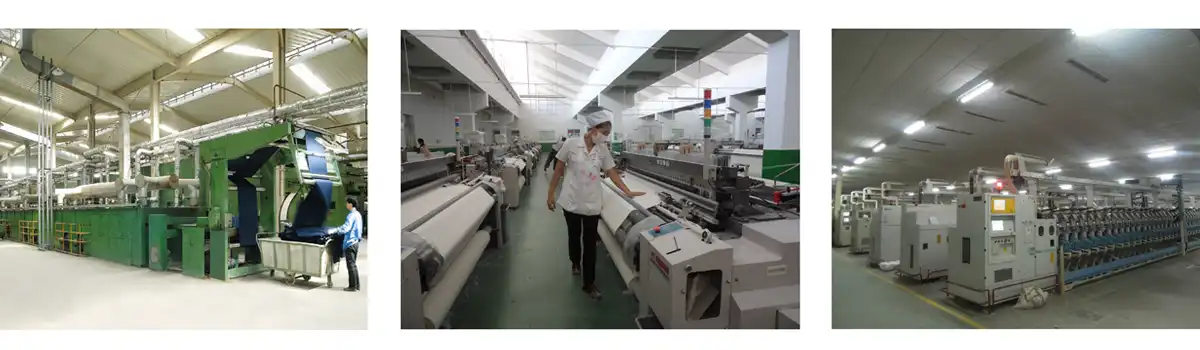
Making antimicrobial Negative Ion Beddings requires significant production expertise. Most effective products employ core-in-sheath fiber. An exterior polymer layer protects the fiber core's mineral powders. This design maintains ion release after hundreds of washings and retains high-end bedding's smooth hand-feel. Large particles roughen surfaces and operate unevenly, particles under 500 nanometers are crucial.
After thirty years of fabric creation at Enshine Tela, we've improved this integration. Our Negative Ion Bedding fabric creates 1,000-5,000 ions/cm³ by optimizing mineral distribution in the polymer framework. Whatever thread counts, fabric weights, or mixtures of natural fibers like cotton and practical polyester, we can tailor the weaving process to our clients. This allows firms to create distinctive products that meet their market positioning while maintaining health advantages.
Quality Verification and Performance Standards
Trustworthy manufacturers test their performance promises extensively. Ion emission testing with JIS B 9929-compliant solid-state ion counters delivers reliable results in stable and moving conditions. Wash lifespan studies that use 50 or more commercial laundry cycles to keep ion emission loss below 15% are also crucial. Antibiotics must be tested on particular microorganisms using AATCC or ISO techniques to ensure efficacy.
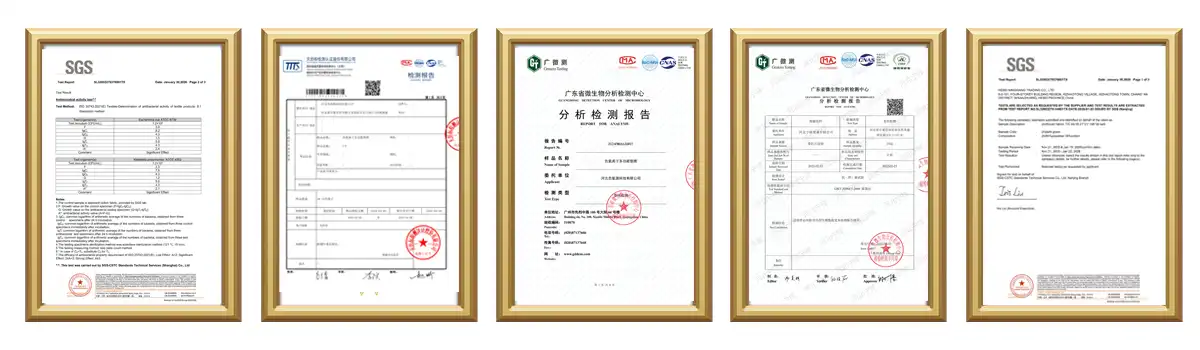
Safety inspection is also crucial to quality. Responsible suppliers check raw rocks for radioactive isotopes. Low-quality products employ Thorium-containing Monazite sands, which are harmful. Our CE, FDA, ISO9001, and ISO14001 certificates demonstrate global quality and safety standards. We keep complete records of all testing and provide SGS reports for every production batch that certify performance and safety.
Selecting the Right Solution for Your Procurement Needs
Essential Evaluation Criteria
When researching antibacterial Negative Ion Bedding suppliers, procurement professionals should prioritize many criteria. Ion emission stability is more valued than peak performance; items that produce the same number of ions throughout time are more valuable. Request wash lifetime data to assess product performance after 50+ runs. Instead of making generic claims regarding antibiotic efficacy, offer specific reduction rates against prevalent infections.
How well suppliers can manufacture things tells you if they can fulfill your needs and customisation demands. We can manage huge orders without rushing deliveries since we have lots of basic materials. Our big inventory of finished items makes delivery faster, and commercial couriers may deliver worldwide in 7–15 days. Air freight for urgent goods and affordable water transport for large orders are available near Beijing International Airport and Tianjin International Seaport. The Eurasian Railway connection helps European and Central Asian customers.
Customization and OEM Capabilities
Product differentiation provides health textile firms an edge in marketplaces. Leading manufacturers provide full customization, including fabric makeup, functional additives, size, and branding, such as for Negative Ion Bedding. Our talented research and development team collaborates with clients to create market-driven solutions. We make lightweight, breathable textiles for eating and denser ones for healthcare that boost performance and user pleasure.
OEM agreements allow brands to employ cutting-edge fabric technologies without building plants. We support private label production, protect IP, and ensure quality. Our 24/7 client response system includes video inspection during manufacturing. These services clarify the production process, boosting product quality and specification compliance.
Maintenance Practices and Product Lifecycle
Preserving Performance Through Proper Care
Antibacterial Negative Ion Bedding requires care to stay effective. When below 40°C (104°F), use neutral pH soaps to prevent mineral particles from adhering or breaking down. Avoid chlorine bleach and powerful fabric softeners that inhibit ion release. Tumble drying on low heat or air drying tears down fibers less than high-temperature drying.
High-quality melt-spun mineral goods will last hundreds of wash cycles if cared for. It costs more upfront, but it lasts longer than normal bedding, saving money over time. Healthcare establishments benefit from this durability since antibacterial characteristics remain longer and reduce sickness while reducing textile replacement costs.
Total Cost Analysis and Investment Returns
You must go beyond the purchase price to determine a product's value. Antibacterial properties extend clothing life and reduce washing, saving water, energy, and soap. Healthcare and leisure applications are more valuable since they reduce infections and make guests happy. Sleep quality and recovery studies reveal that these technologies offer health advantages that support luxury businesses' branding.
Warranty and after-sales support greatly impact the total cost of ownership. Reliable providers offer performance guarantees and fast technical support. We preserve quality records for each manufacturing run to identify issues. We stay with clients after the sale. Our continuing discussions help customers maximize their clothing investments and care for them.
Procurement Strategies and Supplier Selection
Identifying Reliable Manufacturing Partners
There are several vendors of antibacterial Negative Ion Beddings, from well-known textile firms to dishonest companies making unsubstantiated promises. Research begins with certification verification. Verify ISO, FDA, CE, and other credentials outside sources. Request certified lab test reports instead of internal quality declarations. Walk around a production facility online or in person to see its potential.
Environmentally conscious brands need supply chain transparency. Good Cotton Initiative (BCI) and GRS Recycled Polyester certifications prove that we acquire materials sustainably and evolve to meet evolving requirements. We track materials from raw fibers to completed goods. This meets our clients' sustainability reporting and ethical sourcing requirements.
Current Market Dynamics and Pricing Trends
Antibacterial Negative Ion Bedding prices depend on how difficult it is to create, how good the raw ingredients are, and how much certification costs. Bulk purchases save 15–30%, and yearly supply deals save even more. Market research predicts pricing will remain unchanged until 2024 as production processes improve and raw material supply lines stabilize. Strategic purchasers negotiate volume, quality, delivery, and payment conditions to balance cost and supply.
Transportation logistics affect landing pricing and delivery reliability. Our multi-modal shipping solutions optimize costs based on order speed and destination. Beijing International Airport can ship samples and urgent orders worldwide in 3–5 days by air freight. Shipping containers through Tianjin International Seaport is affordable. Eurasian railways offer a balance of speed and affordability for European markets. We handle customs clearance procedures and restrictions, making international shopping easy.
Conclusion
New fabrics, wellness technologies, and environmental health research can collaborate on antibacterial Negative Ion Bedding. Continuous ion production and antimicrobial defense are vital in healthcare, leisure, home textiles, and other fields. Procurement success depends on providers' manufacturing, quality control, customisation, and transportation capabilities. Even if they cost more, long-lasting products are better. As wellness-focused items grow more popular, firms that employ high-tech fabrics lead health-focused innovation.
FAQ
1. Is antibacterial negative ion bedding safe for all age groups?
Quality products that satisfy international safety requirements are safe for all ages. Radioactive contamination from improper mineral extraction is the major safety concern. Reliable manufacturers employ Tourmaline and radiation screening to keep emissions low. Ask for non-radioactive certification while assessing suppliers. Ion concentrations (often 1,000-5,000 ions/cm³) mimic natural levels and are not dangerous.
2. How does this technology compare to traditional antimicrobial treatments?
Traditional antibacterial treatments employ chemical additives as wear-off surface layers. Negative electric potential breaks destroy bacterial cell walls, making Negative Ion Beddings antibacterial. Long-term safety is achieved by combining minerals into fiber structures rather than applying them to the surface. Instead of only treating germs, the device improves air quality.
3. Can negative ion bedding actually improve sleep quality?
Products can't legally claim to cure ailments, but research suggests that negative ions can alter neurotransmitters and the autonomic nervous system. People think it's simple to fall asleep, and they sleep better. Fewer allergens in the air, limiting electromagnetic interference from devices, and possibly modifying serotonin levels are likely involved. These fabrics make clients happy in healing-focused hotels and clinics.
Partner with Enshine Tela for Superior Negative Ion Bedding Solutions
Enshine Tela has made high-quality textiles for 30 years. Antibacterial Negative Ion Beddings are their new market. As a leading Negative Ion Bedding manufacturer, we employ cutting-edge mineral integration technology, guarantee quality, and can customize to your demands. Our enterprise-grade production facilities store lots of raw materials to promptly fill huge orders. Our final product supply allows faster global shipment in 7–15 days.
Supplier capabilities are crucial to buying decisions. CE, FDA, ISO9001, ISO14001, BCI, and GRS credentials demonstrate our commitment to quality, safety, and the environment. Email marco_zhuo@hotmail.com to discuss your needs, request technical specifics, or request sample packages. From first inquiry to product lifecycle management, our staff is available 24/7. Discover how our antibacterial Negative Ion Bedding solutions may make your items stand out and improve customer health. You may learn more about their goods and technological resources at entela-textile.com.
References
1. Jiang, S.Y., Ma, A., & Ramachandran, S. (2018). "Negative Air Ions and Their Effects on Human Health and Air Quality Improvement." International Journal of Molecular Sciences, 19(10), 2966.
2. Krueger, A.P. & Reed, E.J. (1976). "Biological Impact of Small Air Ions." Science, 193(4259), 1209-1213.
3. Terman, M. & Terman, J.S. (2006). "Controlled Trial of Naturalistic Dawn Simulation and Negative Air Ionization for Seasonal Affective Disorder." American Journal of Psychiatry, 163(12), 2126-2133.
4. Wargocki, P., Wyon, D.P., & Fanger, P.O. (2000). "The Performance and Subjective Responses of Call-Center Operators With New and Used Supply Air Filters at Two Outdoor Air Supply Rates." Indoor Air, 14(8), 7-16.
5. Gabbay, J., Borkow, G., Mishal, J., Magen, E., Zatcoff, R., & Shemer-Avni, Y. (2006). "Copper Oxide Impregnated Textiles With Potent Biocidal Activities." Journal of Industrial Textiles, 35(4), 323-335.
6. Bailey, W.H., Su, S., Bracken, T.D., & Kavet, R. (1997). "Summary and Evaluation of Guidelines for Occupational Exposure to Power Frequency Electric and Magnetic Fields." Health Physics, 73(3), 433-453.

Send Inquiry
You may like
Related Industry Knowledge