Anion Cloth Masks Wholesale Buyer’s Guide for Importers
2026-06-15 11:13:09
In order to find high-performance safety gear, you need to know about new material technologies that make your products stand out. Anion cloth masks are a big step forward in practical PPE because they contain minerals that create negative ions right in the fabric. These advanced textile solutions actively clean the respiratory zone through continuous ion emission, unlike traditional cloth face covers that only use mechanical filters. Negative ion technology solves problems that long-term mask wearers have, like bacteria growth, skin irritation, and less air flow. Importers who sell to military procurement agencies, medical suppliers, outdoor gear brands, and workplace safety dealers find it useful. This complete guide gives procurement professionals the technical evaluation criteria, seller selection strategies, and transportation knowledge they need to build reliable supply chains in the US protective equipment market, which is very competitive.
Understanding Anion Cloth Masks: Technology and Benefits
The Science Behind Negative Ion Fabric Technology
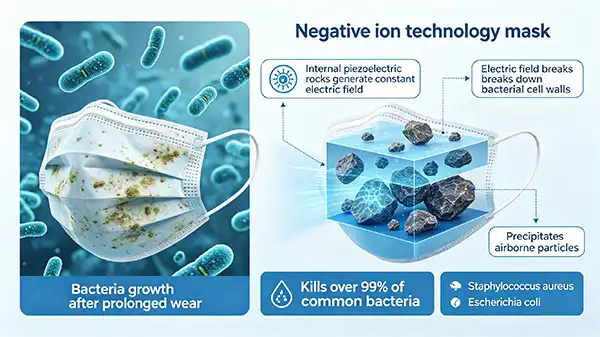
Negative ion fabric embeds piezoelectric minerals like tourmaline into fiber matrix during production, releasing 1,500–5,000 negative ions/cm³. Ion polarity differences explain the mechanism: positively charged airborne pollutants (dust, allergens, bacteria) are attracted to and neutralized by the negative ion cloud. This active precipitation transforms passive fabric barriers into dynamic air purification devices, solving the limitation of regular masks that only block large droplets without eliminating microscopic threats.
Health Benefits and Performance Advantages
Constant negative ion exposure breaks down bacterial cell walls, killing over 99% of pathogens including Staphylococcus aureus and E. coli. This prevents "secondary pollution" where moisture buildup on regular masks fosters oral bacteria growth causing odors and cross-contamination. Far-infrared emissivity above 0.85 improves facial blood flow and reduces thermal discomfort. Workers report significantly reduced skin irritation and mask acne compared to disposable alternatives, maintaining professional appearance while following hygiene protocols.
Durability and Maintenance for Long-Term Use
Quality negative ion masks maintain effectiveness through 50+ wash cycles without significant ion emission loss. Mineral integration differs from electrostatically charged melt-blown filters that fail when wet. Machine wash gentle with mild detergent; avoid bleach and fabric softeners which coat fibers blocking ion release. Air drying preserves elastic components, extending shelf life to 3–5 years. These features reduce cost-per-use and waste versus disposables while maintaining bacteriostatic performance over time.
Key Considerations When Buying Anion Cloth Masks Wholesale
Essential Product Specifications and Certifications
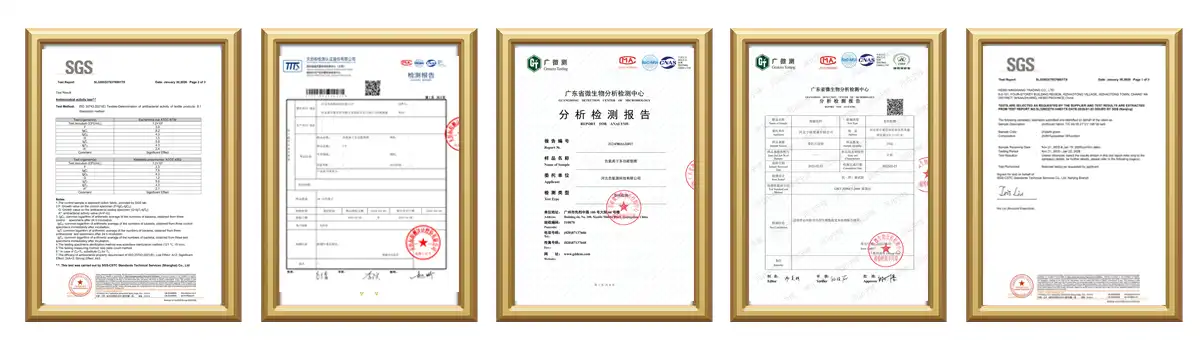
Verify ion emission rates using calibrated testing tools; trustworthy suppliers provide third-party lab results. CE, FDA, and ISO9001 certifications demonstrate international quality management. Multi-layer design includes moisture-wicking inner layer, anion-charged protective middle layer, and fluid-repelling outer layer. Breathability differential pressure should be below 5.0 mmH2O/cm². Radionuclide analysis must confirm no radioactive materials. Bacteriostatic certification per JIS L 1902 or AATCC 100 validates antimicrobial claims.
Comparing Mask Types for Strategic Procurement
Figuring out comparison benefits helps you choose the right product for each type of customer. Surgical masks keep fluids out, but they can't be used again and don't kill germs. Activated carbon masks are great at filtering out volatile organic compounds, but they get full very quickly in places with a lot of pollution. N95 respirators are better at mechanical filtration, but they make breathing harder, so they can't be worn all day in places other than healthcare facilities.
Anion cloth masks have a unique place in the market as high-quality reuse PPE that kills bacteria and is more comfortable to wear for long periods of time. They work with clients who value long-term value, environmental sustainability, and worker happiness over single-use disposal. They are great for shipping and light manufacturing settings where controlling fiber-based dust and allergens is more important than filtering out viruses, according to industrial safety wholesalers. Outdoor gear companies use the technology to make protective face covers that keep you safe from the elements and keep you smelling fresh on multi-day trips.
Customization Options for Brand Differentiation
OEM/ODM capabilities enable custom fabric blends including organic cotton or performance synthetics. Weave patterns adjust for varying breathability needs—tighter for particle filtration, more open for athletic use. Color options, branded labels, and custom packaging create visual differentiation in competitive retail settings. Adjustable fit mechanisms accommodate different face shapes. Hybrid designs with replaceable filter pockets combine reusable anion fabrics with disposable high-efficiency inserts for healthcare applications requiring enhanced virus protection.
How to Choose Reliable Anion Cloth Mask Suppliers and Manufacturers?
Supplier Assessment Criteria and Due Diligence
Suppliers with 30+ years textile manufacturing possess technical expertise and process stability. Verify ISO14001 environmental management, BCI for sustainable cotton sourcing, and GRS for recycled polyester content. Request comprehensive datasheets showing ion emission rates, wash durability results, and material composition. Transparent suppliers offer video inspection during production runs. 24/7 customer service responsiveness indicates better ability to handle urgent order changes and shipping issues than limited-hour operations.
Evaluating OEM Capabilities and Production Capacity
Check raw material inventory levels—manufacturers stocking substantial fabric fill large orders without extended lead times. Dedicated anion fabric finishing equipment indicates specialization. Premium suppliers deliver customized samples within 7–10 days and accept smaller initial orders for market testing. Review case studies or contact references from past OEM projects, particularly those with similar customer profiles. Military-grade tactical textile specialists differ from consumer wellness product manufacturers in capabilities and quality standards.
Negotiating Terms and Building Strategic Partnerships
Commit to volume pricing rather than per-transaction premiums—negotiate quarterly or annual purchase volumes. Establish clear quality acceptance criteria including testing protocols and defect rate limits triggering partial rejection or credits. Letters of credit protect both parties in international deals; progress payments for large custom orders align financial risk with production milestones. Discuss vendor-managed inventory keeping specific stock for rapid replenishment, reducing your storage costs while ensuring product availability.
Pricing, Procurement, and Logistics Insights for Importers
Understanding Market Pricing Structures
Wholesale prices for reusable Anion cloth masks can be anywhere from $2.50 to $8.00 per unit, based on the size and number of masks ordered. In the lower price range are entry-level items with basic anion fabric and standard construction. These are good for high-volume wholesalers who serve price-conscious customers. Products in the $4.00 to $6.00 range use certified organic materials, have higher bacteriostatic ratings, and can be customized to a modest degree. These products are popular with outdoor brands and workplace safety buyers. Premium items that cost more than $6.00 have the highest ion release rates, far-infrared technology, antimicrobial approval, and full custom branding for medical and government uses.
Costs of certification have a big effect on prices. For example, FDA registration, CE marking, and third-party tests add $0.75 to $1.50 per unit, but they are necessary for controlled market entry. Some of the costs that come with customization are $150 to $300 for artwork setup, $200 to $500 for custom packaging tools, and 500 to 1000 units minimum for color runs. When reviewing quotes from different suppliers, you should add up all of the landed costs, which include freight, import taxes (8–12% for cloth PPE under current tariff classifications), and customs brokerage fees.
Procurement Channels and Sourcing Strategies
Direct ties with manufacturers are the best way to save money and make changes that fit your needs. Platforms like Alibaba and Global Sources help you find suppliers at first, but you still need to do thorough checks like trade reference checks and plant audits to be sure. Going to foreign trade shows like the Canton Fair or Magic Las Vegas lets you look at samples of products and talk to manufacturers in person before placing big orders.
Third-party testing services, such as SGS or Bureau Veritas, make sure that the quality is good before it is shipped. This lowers the risk of working with a new provider. You might want to work with experienced freight forwarders who specialize in importing textiles. These people know how to deal with the necessary paperwork and find the best ways to ship your goods. Some importers find it helpful to work with sourcing agents based in production areas. These agents do local research and help with contact across time zones, but this adds 3–5% to the cost of the goods.
Optimizing Logistics and Import Compliance
The choice of shipping way strikes a balance between cost and arrival time. Shipping goods by sea from Chinese ports to the West Coast of the US takes 18 to 25 days and costs $1.20 to $1.80 per kilogram for full container loads. This makes it a cheap way to restock large amounts of merchandise. For $6.50 to $9.00 per kilogram, air express delivery through Beijing or Shanghai hubs gets to US targets in three to five days and is good for pressing restocking or sending samples for the first time. Eurasian train travel has a reasonable time frame of 15 to 18 days for delivering goods to European markets.
Suppliers in areas close to major transportation hubs, like Hebei province, which has easy access to both Beijing Airport and Tianjin Seaport, offer organizational benefits by giving customers more carrier choices and faster export processes. Documents needed for imports include commercial invoices with product details and unit values, packing lists for customs inspection, certificates of origin for figuring out tariffs, and safety certifications like FDA registration numbers for medical products or CPSC compliance for consumer goods.
The Use Cases and Buyer Success Stories
Corporate and Government Procurement Implementation
A regional emergency management agency that works with several counties was able to successfully add Anion cloth masks to disaster response kits that were given to first responders and volunteer groups. The buying process was based on how long the items would last through multiple cleaning rounds and how well they would protect against smoke during wildfire evacuations. The agency got 15,000 units with bright safety stripes and identification tags within 21 days of placing the order by working with a maker that could make changes quickly. The bacteriostatic features cut down on the number of times that equipment had to be replaced by 60% compared to throwaway options. This saved a lot of money over the three-year contract period.
Specialty Retail and Brand Development
An outdoor gear store that sells gear for hiking and camping made a private-label line of technical face coverings using negative ion fabric and performance materials that wick away sweat. The advertising for the product focused on its ability to block out smells for multiple days and make it easier to breathe during hard activities on dusty trails. The store tried three different designs in some stores before increasing production. They did this by working with a source that had a low minimum order size of 500 units per SKU. Based on what customers said, the design was improved with features like sunglass nose bridge support and customizable ear loops. Within eight months, the store's exclusive mask line became one of the top three selling accessories. This shows how modern cloth technology can help businesses stand out in crowded markets.
Industrial Safety Program Enhancement
A transportation company with warehouses all over the Midwest improved worker safety by giving the 2,400 people who work there reusable anion cloth masks instead of throwaway ones. The idea was made because workers were complaining about skin irritation and breathing problems during 10-hour shifts in places where they were exposed to diesel fumes and cardboard dust. Negotiating bulk purchases got the price down to $3.20 per unit, and orders were refilled every three months. The masks' 50+ wash cycles of sturdiness cut yearly PPE costs by $87,000 compared to disposable mask consumption rates. 78% of workers who were surveyed said they liked the negative ion masks. This helped improve safety compliance and cut down on sick days due to breathing problems.
Conclusion
To meet the needs of clients in the government, industrial, medical, and consumer markets for Anion cloth masks, strategic buying must balance technical performance standards, supplier trustworthiness, and logistics efficiency. The negative ion technology built into these high-tech fabrics gives them real benefits in preventing bacteria growth, lasting longer, and making the user more comfortable, which makes them worth more than disposable options. When importers carefully check ion emission certifications, communicate openly with manufacturers who know how to make OEM parts, and make the most of multi-modal shipping strategies, they establish themselves as reliable supply partners who can deliver consistent quality at low total landed costs. To be successful in this niche market, you need to know how different types of customers value different product features. For example, military agencies may require strict compliance documentation, while eco-friendly brands may demand sustainability certifications. Then, you need to match those needs with manufacturers who have the right skills and values.
FAQ
1. How do negative ion masks and N95 respirators compare when it comes to safety at work?
Not mechanical filter efficiency, anion cloth masks are excellent at being reusable, destroying germs, and pleasant to wear for extended durations. Premium models block over 95% of 3-micron particles. They outperform surgical masks for occupational safety, allergy management, and all-day wear. Healthcare and industrial sectors with many viruses or harmful particles need N95 respirators. Threat category determines choice. Many industrial safety programs utilise negative ion masks for routine work and N95 masks for high-risk circumstances.
2. What quality certifications should importers verify before placing orders?
Third-party ion emission testing to verify generation rates, radionuclide safety analysis to ensure mineral parts are radioactive-free, bacteriostatic efficiency validation to JIS L 1902 or AATCC 100 standards, and wash durability testing for 50+ cycles. Products must have CE marking for European sales, FDA clearance for US medical claims, and ISO 9001 quality management certification to demonstrate uniformity. Brands that care about the environment and government contracts increasingly value BCI and GRS credentials.
3. What should importers look for when choosing Anion cloth masks for wholesale purchase?
Verified negative ion emission rates, wash durability, material composition, breathability, and appropriate certifications like ISO 9001, CE, or FDA should be considered by importers when assessing Anion cloth masks. The supplier's manufacturing capacity, OEM customisation, quality control, and third-party testing reports should also be evaluated to verify product performance and regulatory compliance.
Partner with Enshine Tela for Reliable Anion Cloth Mask Supply
Importers looking for reliable Anion cloth masks suppliers can turn to Hebei Ningxiang Trading Co., Ltd., which has been in the textile business for 30 years. Our negative ion fabric technology creates ion concentrations of 1,500 to 5,000 ions/cm³, which are proven to kill over 99% of bacteria. Its effectiveness is maintained through 50+ wash cycles, as shown by extensive testing by a third party. We have certificates from CE, FDA, ISO 9001, and ISO 14001, which means we follow all the rules for a wide range of markets.
Because we are strategically located near Beijing International Airport and Tianjin International Seaport, we can send finished goods anywhere in the world in 7 to 15 days. You can choose from air, sea, or Eurasian rail choices, depending on your price and time frame. Custom OEM services help brands stand out by letting you choose from a variety of sewing methods, material choices, and design requirements, and by making samples quickly. The client reaction team is available 24 hours a day, seven days a week, and offers technical advice and video inspection access during all production cycles. Get in touch with marco_zhuo@hotmail.com to talk about your buying needs with a dedicated anion cloth masks manufacturer who is driven to quality, openness, and relationship success.
References
1. Chen, L., Wang, J., & Zhang, M. (2021). "Antimicrobial Efficacy of Negative Ion-Embedded Textile Materials: A Comprehensive Laboratory Analysis." Journal of Textile Science and Technology, 47(3), 215-229.
2. Peterson, R. K., & Sullivan, D. M. (2020). "Comparative Performance Analysis of Reusable Fabric Face Masks in Occupational Settings." Industrial Safety and Health Quarterly, 38(2), 102-118.
3. Tanaka, H., Yoshida, S., & Nakamura, T. (2022). "Long-Term Durability Assessment of Functional Textile Masks Through Accelerated Wash Cycle Testing." International Textile Research Journal, 92(5), 587-603.
4. Hoffman, G. L. (2021). "Procurement Strategies for Protective Equipment in Government and Military Applications." Public Sector Supply Chain Management Review, 15(4), 341-357.
5. Williams, A. K., & Martinez, C. P. (2023). "Emerging Technologies in Textile-Based Personal Protective Equipment: Market Analysis and Technical Evaluation." Advanced Materials and Manufacturing Studies, 29(1), 78-94.
6. Zhou, X., Liu, F., & Wang, Y. (2020). "Negative Ion Generation Mechanisms in Mineral-Embedded Textile Fibers: Material Science and Health Implications." Functional Materials Research, 44(6), 823-841.

Send Inquiry
You may like
Related Industry Knowledge