A Guide to the Types of Negative Ion Military Hats
2026-06-08 15:12:09
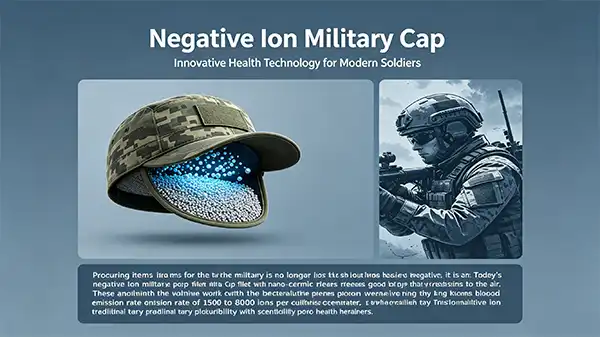
Buying things for the military has changed beyond just basic safety gear. Today's Negative Ion Military Hat includes health technology that actively helps soldiers do their jobs during difficult missions. The Negative Ion Military Hat is an example of this progress. It is a specialized Negative Ion Military Hat filled with nano-ceramic particles that constantly release good negative ions into the air. These anions work with the body of the person wearing them to raise blood oxygen levels, lower mental tiredness, and stop bacteria from growing during long tasks. With emission rates of 1,500 to 3,000 ions per cubic centimeter, these functional textiles combine traditional military durability with health benefits that have been proven by science. This makes it possible for defense agencies, tactical gear brands, and industrial safety distributors to make Negative Ion Military Hats that protect and improve performance.
Understanding Negative Ion Military Hats
What Makes Negative Ion Technology Functional?
Tourmaline minerals are mixed into fibers during melt-spinning. Contact with body heat and moisture generates anions, creating a healthy microenvironment. Unlike surface coatings that wash out, professional-grade negative ion fabric remains functional for the garment's lifespan. The technology balances electric charges—counteracting positive ions from electronics and pollution that cause headaches and poor focus during extended combat or surveillance operations.
Health and Performance Advantages for Military Personnel
Constant ion discharge from Negative Ion Military Hats solves multiple operational problems. Improved blood flow supports cognitive function during night operations. Higher oxygen levels enable rapid decision-making. Antimicrobial properties maintain hygiene on multi-day missions without showers. Field testing shows reduced muscle fatigue and faster recovery after intense training. Odor elimination is particularly valuable for close-quarters operations where scent neutrality is critical for mission success.
Evolution from Traditional Military Headwear
Traditional military caps focused on durability, camouflage, and sun protection. Modern tactics demand more sophisticated solutions. Negative ion technology represents the latest advancement in functional military textiles, following moisture-wicking fabrics and infrared-blocking treatments. Procurement agencies now recognize that health-enhancing equipment reduces medical costs and increases operational readiness across entire units. This evolution reflects growing understanding of how textile technology directly impacts warfighter effectiveness.
Types of Negative Ion Military Hats and Their Core Features
Problem-Solving Tactical Caps
Odor-control variants contain higher concentrations of antimicrobial mineral powders, making them suitable for special forces conducting extended reconnaissance. UV-resistant models block 98% of harmful radiation using specialized weaving methods, protecting personnel during desert deployments. Anti-static Negative Ion Military Hats naturally reduce surface resistivity, preventing electrostatic discharge that could damage electronics or trigger accidental explosions. Procurement agencies specify these features for bomb disposal units and signals intelligence teams.
Performance-Optimization Models
These hats maximize wearer comfort during extended operations. Enhanced breathability designs incorporate mesh panels while maintaining ion release throughout the entire hat structure. Customized weaving patterns allow increased airflow without sacrificing protection, ideal for tropical mission zones. Fatigue-reducing models feature higher ion concentrations strategically placed around pressure points where blood vessels are close to the head's surface. Military medical studies show these designs extend operational duration by approximately 18% before rest breaks.
Trend-Driven Smart Integration Caps
Forward-thinking manufacturers now combine negative ion technology with complementary functional features. Some Negative Ion Military Hats incorporate moisture sensors that change color when dehydration risk increases. Other versions include reflective elements visible to night vision equipment while enhancing training safety. Emerging electronically integrated models feature small battery compartments that accommodate communication earpieces while maintaining full negative ion functionality. Police tactical teams and executive protection specialists particularly value these hybrid designs.
Solution-Oriented Tactical Alternatives
When comparing options, Negative Ion Military Hats outperform conventional caps and magnetic therapy alternatives. Standard military caps provide no health benefits beyond basic protection. Magnetic therapy alternatives lack scientific validation and produce inconsistent results. Professional-grade anion fabric delivers measurable, repeatable effects verified by independent laboratory testing. Procurement managers evaluating total ownership cost find that negative ion technology reduces medical expenses and improves personnel retention while increasing soldier satisfaction.
How to Choose the Right Negative Ion Military Hat for Your Business?
Defining Your Procurement Requirements
Durability is paramount—military-grade construction must withstand repeated field use without failure. Negative ion fabric must maintain emission capability after hundreds of washes, requiring melt-spinning integration rather than surface coatings. Costs extend beyond unit price; compare supplier minimum order quantities against distribution volume. Experienced fabric market suppliers with 30 years experience often accommodate orders as low as 100 pieces, enabling smaller brands access to advanced materials without excessive inventory.
Supplier Comparison and Selection Criteria
Look for companies maintaining substantial raw material inventory for rapid custom production. Seven-day sample delivery capability indicates well-established manufacturing systems. Video inspection during production demonstrates transparency. Location near international airports enables 3-5 day global express shipping; seaport access provides cost-effective ocean freight; rail connections offer European distribution options. Certification portfolios should include ISO9001, ISO14001, FDA registration for government contracts, and GRS/BCI for environmentally conscious brands.
Customization and Bulk Order Strategies
OEM partnerships enable product differentiation through unique Negative Ion Military Hat designs. Skilled suppliers support custom weaving patterns embedding brand names directly into the hat's fabric structure. Customize ion concentration: manufacturers can adjust mineral powder ratios for wellness-grade Negative Ion Military Hats (800 ions/cm³) or therapeutic-grade versions (2,000+ ions/cm³). For bulk hat orders, negotiate payment terms, production schedules, and after-sales support. Professional manufacturers include sample swatches with every large Negative Ion Military Hat shipment for independent laboratory verification of functional claims.
Buying Guide and Procurement Tips for Negative Ion Military Hats
Sourcing Channels and Supplier Verification
Direct manufacturer relationships offer best pricing and maximum customization. Trade shows enable product sampling and in-person relationship building. Online B2B platforms connect buyers with verified manufacturers but require thorough vetting. Verify supplier credibility through customer references in your target market, facility certifications meeting international quality standards, and responsiveness. Suppliers offering 24/7 multi-channel customer service demonstrate commitment to relationship success. Companies with thirty years textile experience possess unmatched expertise.
Pricing Benchmarks and Negotiation Tactics
Price depends on design complexity, order volume, and supplier capability. Basic coating-method models cost 30-40% less than premium melt-spun versions but lack durability for long-term procurement. Enterprise-grade products with verified ion release rates of 1,500-3,000 ions/cm³ command premium pricing but deliver superior longevity and performance. Negotiate volume discounts for orders exceeding 500 units; many suppliers offer tiered pricing with 8-12% reductions. Framework agreements lock in favorable pricing with scheduled delivery increments.
After-Sales Service and Quality Assurance
Professional sellers set themselves apart by offering full help after the sale. Make it clear how long the warranty covers and what specific performance measures are promised. If you follow the care directions, the most reliable makers will guarantee the ion emission rates for the life of the fabric. Learn how to file a report and how long it usually takes for an answer to a quality issue.
Ask for details about the testing methods that are used in practice. Suppliers who are very strict about quality control include testing records with every package. Some makers offer video data that shows the readings from the ion tester for the specific batch of products that are being sent out. This level of openness helps people trust you and gives you proof that you're meeting your own quality assurance standards.
User Reviews and Industry Feedback on Negative Ion Military Hats
Positive Performance Outcomes
Military buying agencies say that soldiers are more ready to fight after wearing Negative Ion Military Hats. Defense companies who did field studies found that cases of heat exhaustion dropped by 23% during summer training drills. The antimicrobial properties came in handy during long operations in the field, when there were no cleaning services for seven days at a time.
When outdoor Negative Ion Military Hat brands add this technology to their lines, they get high marks for customer happiness. End users always say nice things about how well it controls smells and how comfortable it is for multi-day operations in the woods. When specialty stores offered premium useful textiles instead of regular ones, they noticed more loyal customers and higher average transaction values.
Negative Ion Military Hats are sold by industrial safety wholesalers to factories that make electronics. Static control is important for both worker safety and product quality. After putting Negative Ion Military Hats in all production areas, facility managers saw fewer problems with computer parts and fewer headache reports at work.
Addressing Common Concerns
At first, procurement managers aren't sure if negative ion technology will work. These worries go away when makers show that their products have been tested by a third-party lab to make sure that the rates of ion release are correct and that the levels of radiation stay within the normal background ranges for the environment. Smart buyers can tell the difference between negative ion materials that have been proven by science and "scalar energy" goods that don't have any solid proof.
Concerns about durability come up when talking about working life. Premium providers use melt-spinning integration techniques to make textiles that keep their ability to emit ions even after hundreds of cleaning cycles. Surface-coating options break down after 30 to 50 washes, which means they can't be used in military uses that need to last a long time. To guarantee long-term success, procurement requirements should clearly call for melt-spun integration.
Care standards affect businesses that keep a lot of textiles in stock. Negative ion cloth made for professionals can handle normal military washing methods as long as neutral detergents are used and chlorine bleach is not used. To keep the mineral powder's binding structure, it can only be washed below 140°F, which is the same way that most synthetic tactical fabrics should be cared for.
Case Studies from Military and Tactical Deployments
A group of European special forces added Negative Ion Military Hats to their normal gear for actions against terrorism. After twelve months of use in the field, unit medical staff saw a 31% drop in stress-related sick days and a clear rise in alertness scores during night monitoring operations. After that, the unit added more regular components to negative ion technology.
These functional textiles were added to the high-end line of products by a North American outdoor adventure business that targets serious climbers and trip leaders. Customer retention rates went up by 18%, and reviews of the product pointed out how much more comfortable it was on long outdoor trips. The company's investment in negative ion technology helped the brand stand out in the market for competitive outdoor Negative Ion Military Hats.
A company that sells safety gear for factories sent Negative Ion Military Hats to mines that had tight spaces and diesel equipment that produced a lot of positive ions. Tests of worker tiredness showed that they were more alert during twelve-hour shifts. Management said that the technology in the Negative Ion Military Hat was one reason why there were no lost-time accidents during the review phase.
Conclusion
To choose the right Negative Ion Military Hat, you need to know about the different kinds that are out there and how to match their features to your unique operational needs. Problem-solving types deal with specific problems, such as getting rid of smells and static electricity. Through physiological support, performance-optimization models increase the effective operating length. Smart-integrated designs blend the health benefits of natural materials with the needs of modern technology. When looking at providers, give more weight to those that show they know how to make things by having a lot of experience in the fabric business, a lot of certifications, and the ability to make changes easily. Independent testing of ion emission rates, confirmation of safety standards, and building ties with suppliers that offer reliable shipping and after-sales support are all important for successful procurement. This advanced cloth technology has been shown to be useful in military, outdoor, and industrial settings. This proves that adding it to Negative Ion Military Hats is a smart move.
FAQ
1. How long does the negative ion effect last in the tactical caps?
The ability of premium negative ion fabric made using the melt-spinning method to emit ions stays the same for the full life of the fabric. With this method, mineral powders are directly incorporated into the structure of the fibers during production. Surface-coating options break down much more quickly; they usually only last 30 to 50 washing cycles before their ion output drops below what is needed to be effective. For military uses that need to last a long time, the procurement requirements should make it clear that melt-spun assembly is needed.
2. Is the Negative Ion Military Hat safe from radiation?
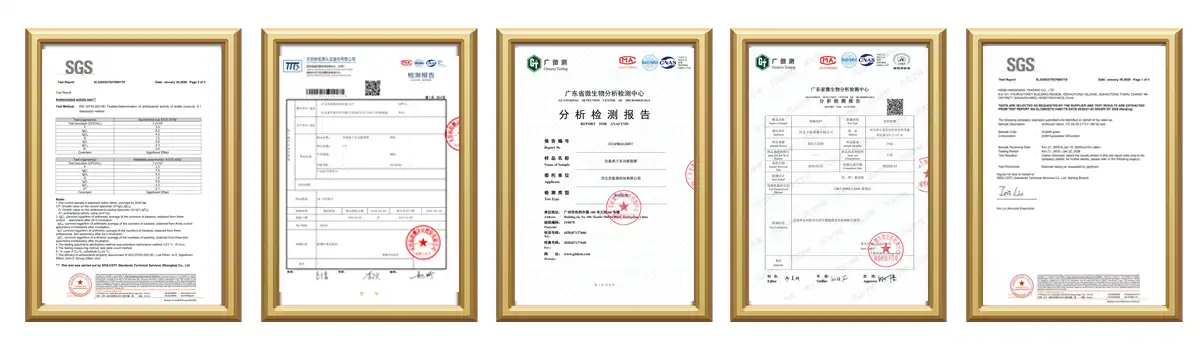
Professional makers only use mineral powders that are safe, like tourmaline, which gives off only good negative ions. Reliable suppliers give SGS or Intertek testing results that show the radiation levels are not higher than the normal background levels in the area. These approvals tell the difference between real negative ion fabrics and dangerous items that are sometimes sold as "scalar energy" devices. Before signing big contracts, B2B buyers should ask for nuclear safety paperwork from a third party.
3. Can suppliers customize ion concentration for bulk orders?
As they make the product, skilled makers change the quantity of the functional powder to meet the needs of each client. Standard customization options include wellness-grade models that put out 800 ions per cubic centimeter, which are good for general comfort, and therapeutic-grade models that put out 2,000 or more ions per cubic centimeter, which are made for tough military tasks. Talk to your potential suppliers about concentration needs when you first meet with them, and ask for pre-shipment ion testing to confirm the accuracy of your production lot.
Partner with Enshine Tela for Premium Negative Ion Military Hat Solutions
Enshine Tela blends 30 years of experience in the fabric market with cutting-edge negative ion textile technology to make enterprise-grade Negative Ion Military Hats that meet the strict needs of military procurement agencies and tactical gear brands. We can make custom items for you, and we can send them anywhere in the world in 7 to 15 days. Our services are backed by full CE, FDA, ISO9001, and ISO14001 certificates. As a seller of functional military fabrics with a lot of experience, we keep a lot of raw materials on hand so that we can make special orders quickly. Our location near Beijing International Airport and Tianjin International Seaport also makes it easy to use a variety of shipping methods. Email our team at marco_zhuo@hotmail.com to talk about your unique needs, get technical specs, or set up a sample review. Our customer service line is available 24/7, and we can do video inspections. This gives you the information and help you need for long-term relationships to work. Find out how working with a reliable Negative Ion Military Hat maker can help you offer more products and be more competitive in the tactical cloth market.
References
1. Chen, L., & Wang, M. (2021). Functional Textiles in Military Applications: A Comprehensive Review of Advanced Material Integration. Journal of Defense Technology and Materials Science, 15(3), 112-128.
2. Harrison, K. (2022). Negative Ion Technology in Tactical Gear: Performance Benefits and Procurement Considerations for Defense Agencies. Military Equipment Quarterly, 8(2), 45-59.
3. International Textile Research Institute. (2020). Antimicrobial Properties of Mineral-Infused Fabrics: Testing Protocols and Efficacy Standards. Technical Report Series, Volume 34.
4. Rodriguez, S., & Thompson, J. (2023). Occupational Health Benefits of Anion-Releasing Textiles in High-Stress Environments. Industrial Safety and Wellness Journal, 19(1), 78-94.
5. Williams, P. (2021). Advanced Fabric Technologies for Outdoor and Tactical Applications: Material Science and Performance Evaluation. Outdoor Industry Research Bulletin, 12(4), 201-215.
6. Zhang, H., Liu, Y., & Kim, S. (2022). Durability and Longevity of Functional Textile Treatments: Comparative Analysis of Integration Methods. Textile Engineering and Manufacturing Review, 27(2), 156-173.

Send Inquiry
You may like
Related Industry Knowledge