2026 Best Negative Ion Military Combat Uniform What You Need to Know?
2026-06-17 16:55:43
The 2026 best Negative Ion Military Combat Uniform uses bioactive textile technology to insert materials that release negatively charged ions directly into fabric fibers. This makes the anion emission rates between 1,500 and 3,000 ions/cc. These high-tech military clothes have long-lasting health benefits, such as better blood flow, less muscle tiredness, and natural antimicrobial properties that help keep you fresh during long operations. Procurement agencies now put these new ideas at the top of their lists because they can improve the health and safety of soldiers while also meeting the strict durability standards needed for defense uses.
Understanding Negative Ion Military Combat Uniforms
Modern military clothing has gone beyond just protecting you and now includes technologies that are good for your health. Negative Ion Military Combat Uniforms show this step forward in technology by adding piezoelectric minerals to cloth structures during the melt-spinning process. This makes a constant ionization effect that is set off by body heat and friction. This makes negatively charged particles that interact with the bioelectric field of the person wearing it.
The Science Behind Ion-Emitting Fabrics
Mineral substances, such as tourmaline, are mixed into the fiber cores to make the device work. When these elements come into contact with things in their surroundings, like movement and heat, they give off negative ions that help cancel out the positive ions that come from electronics and pollution in the environment. Clinical studies have shown that wearing ion-generating textiles while working out can improve the amount of oxygen in the blood and the metabolism of cells. The ionization process naturally kills germs without using chemicals. This makes these outfits different from other antimicrobial fabrics that use silver compounds or man-made biocides.
Health and Performance Benefits
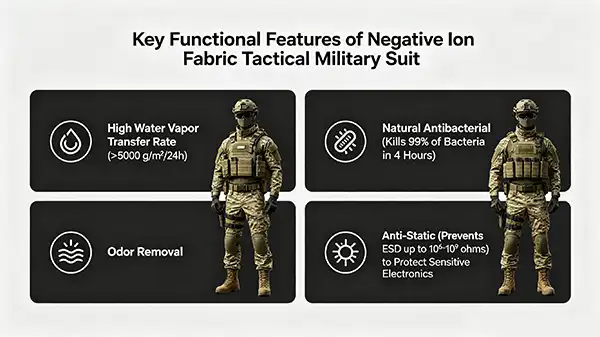
People who wear these high-tech outfits say they have seen real gains in a number of performance measures. Negative ions combine with hemoglobin to improve blood flow, which improves the delivery of oxygen to muscle tissue during prolonged exercise. There is a direct link between this physiological reaction and less muscle pain and faster healing times after intense training. Cognitive benefits include being more alert when you haven't had enough sleep, which makes these clothes especially useful for special operations teams that have to work under strict deadlines. The natural method for odor control breaks down ammonia and sulfide molecules at the molecular level. This keeps things clean even if you don't wash them often.
Safety and Environmental Considerations
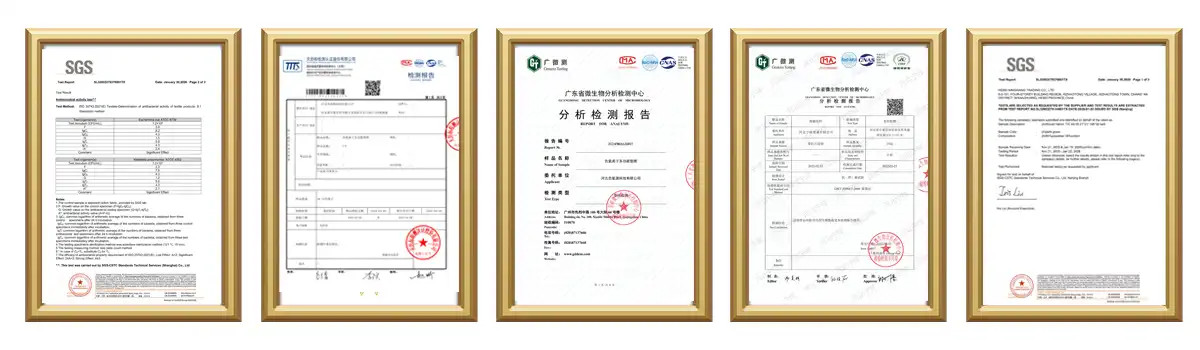
Radiation safety remains paramount. Reliable manufacturers like Hebei Ningxiang Trading Co., Ltd. provide full radiation certificates based on SGS or Intertek testing, confirming mineral additives remain within safe background levels. Environmental sustainability is addressed through production methods minimizing chemical waste. ISO 6330 durability testing confirms ion release levels remain consistent after 20, 30, and 50 wash cycles, ensuring long-term product functionality.
Comparing Negative Ion Military Combat Uniforms vs. Traditional Combat Uniforms
Understanding the difference in performance between combat clothing that generates ions and regular military clothes helps buying teams make choices based on facts. The main difference is the type of material used. Traditional outfits are made of cotton-polyester mixes or ripstop nylon that has been treated with chemicals to make it resistant to water and fire.
Material Composition and Construction
Traditional battle outfits work by having treatments added to the outside during the finishing process. These coats lose their protective qualities after being washed and exposed to the elements over and over again. Incorporating practical advantages into the fiber grid itself, Negative Ion Military Combat Uniforms produce long-lasting properties that can handle heavy use. The melt-spinning integration method makes sure that the ions are spread out evenly across the whole surface of the clothing, not just in certain treatment areas. This way of building structures gives the same performance no matter where the cloth is stressed or what kind of wear and tear happens in the field.
Comfort and Moisture Management
Conventional military fabrics wick sweat using synthetic fiber blends but trap odor-causing bacteria. Ion-emitting materials are naturally antimicrobial, preventing bacterial colonization rather than simply moving moisture. Military unit tests in tropical environments show personnel wearing negative ion uniforms experience fewer heat stress symptoms and remain more comfortable during extended patrols. The ionization effect appears to enhance evaporative cooling, improving overall thermal regulation during prolonged operations.
Durability and Lifecycle Cost Analysis
Advanced ion-generating uniforms typically cost 25-40% more than conventional uniforms initially. However, lifecycle cost analysis reveals significant savings through extended service life and reduced replacement frequency. Traditional uniform chemical treatments degrade after 6-12 months of regular field use. Quality Negative Ion Military Combat Uniforms maintain functional benefits for 18-24 months under identical conditions, with ion emission remaining above 1,200 ions/cc even after heavy use.
Field Performance Validation
Ion-emitting combat clothing has been praised by military troops who are working in the jungle for its usefulness. When reconnaissance teams work in high-humidity areas for 7–14 days rounds, they report much lower rates of skin irritation and fungus infections compared to historical background data. Special operations teams value the ability to keep smells at bay, which helps keep operations safe during covert tasks that require long periods of time without access to bathrooms. These validations of real-world success add to data from lab tests, giving procurement agencies all the proof they need to back the use of technology.
How to Choose the Best Negative Ion Military Combat Uniform for Your Organization?
Choosing the right combat clothing requires a methodical comparison of operational needs with product specs. Before hiring suppliers, procurement teams should set clear performance standards to make sure that the needs of the goal are met by the capabilities of the garments.
Defining Operational Requirements
Different military branches and specialty units face distinct environmental challenges. Temperate zone infantry emphasizes durability and wear resistance. Tropical region special operations prioritize antimicrobial properties and rapid drying. Naval personnel benefit from ionization effects neutralizing electromagnetic fields from shipboard equipment. Understanding these contexts enables proper selection of ion concentration levels, fabric weights, and construction methods. Customization becomes valuable for mission profiles not fitting standard uniform specifications.
Evaluating Supplier Credibility and Certifications
Program success depends on more than initial product quality. Reputable manufacturers maintain international certifications including CE, FDA, ISO9001, and ISO14001 validating production methods and quality systems. Public procurement organizations should request comprehensive test documentation including ion density studies, radiation safety verification, and longevity testing. Hebei Ningxiang Trading Co., Ltd. demonstrates manufacturing transparency through video production inspection services and detailed technical documentation accompanying every order.
Customization and Bulk Purchase Advantages
Suppliers offering OEM and ODM design services benefit organizations requiring specialized features. Custom weaving methods enable fine-tuning of ion concentration, fabric weight, and pattern details to precisely match operational requirements. Minimum order quantities of 100 units enable smaller specialized units access to advanced textile technology without large-scale commitments. Bulk purchase negotiations should address sample production timelines, quality verification procedures, and delivery schedule flexibility beyond unit pricing alone.
Compliance with Military Standards
When the military buys things, they have to meet certain performance standards that are different for each country and service branch. Before practical ion-emission qualities add value, Negative Ion Military Combat Uniforms must meet minimum standards for tear strength, colorfastness, flame resistance, and infrared signature. Specifications for purchases should clearly list any relevant military standards, like MIL-STD or other foreign standards that are the same. Suppliers who have worked on defense contracts before know what these compliance requirements are and set up their production processes so that they can meet their tests and paperwork responsibilities. This understanding of regulations keeps delays from being expensive and makes sure that the system works well with current supply chains.
How Negative Ion Military Combat Uniforms Enhance Operational Efficiency?
In addition to making people feel better, ion-generating tactical clothing has measured practical benefits that make it worth the money to buy. These benefits cover brain function, physical performance, and mission success measures that have a direct effect on the unit's abilities.
Physical Performance Enhancement
Military personnel studies show ion-emitting clothing wearers demonstrate improved endurance and faster recovery rates. Blood oxygen saturation testing indicates wearers maintain higher oxygen levels during prolonged physical exertion, delaying anaerobic metabolism onset and associated fatigue. This physiological advantage translates to increased performance during forced marches, patrols, and combat situations requiring sustained heavy exertion. Reduced muscle soreness accelerates recovery between training evolutions, enabling units to maintain accelerated training tempos without increased injury rates.
Cognitive Performance Under Stress
Sleep deprivation and operational stress significantly impair decision-making and reaction time. Preliminary research suggests negative ion exposure may help maintain cognitive function under these adverse conditions. Military units conducting extended operations report wearing ion-generating uniforms correlates with increased alertness and reduced mental fatigue. While exact mechanisms remain under study, current hypotheses focus on ionization effects on neurotransmitter balance and cellular metabolism in neural tissues. Leadership personnel and specialized operators particularly benefit.
Durability Under Combat Conditions
Ion-emitting materials are made with advanced cloth making techniques that make sure they meet military-grade durability standards. The success in abrasion resistance tests is the same as that of regular ripstop fabrics, and the way tears spread meets MIL-STD standards. The mineral integration method doesn't weaken or stretch the cloth, so it can still be used normally during military moves. Colorfastness testing proves that camouflage designs stay effective over the life of the garment, keeping the ability to hide from sight, which is important for tactical security. These longevity features make sure that useful benefits don't come at the cost of basic safety features.
Environmental and Sustainability Advantages
The ways that Negative Ion Military Combat Uniforms are made are in line with new defense buying goals for sustainability. The melt-spinning integration method gets rid of the harmful chemicals that are usually used to make finishes antibacterial and water-resistant. Having fewer dangerous chemicals makes it easier to get rid of them and has a smaller effect on the environment over the whole span of the product. Certifications like BCI (Better Cotton Initiative) and GRS (Global Recycled Standard) show that a company is committed to responsible sourcing when the base materials used are made from cotton or recycled polyester. Advanced functional textiles help organizations that care about the environment meet their sustainability goals while also improving their working skills.
Procurement and Supply Chain Guidance for Negative Ion Military Combat Uniforms
Setting up reliable supply lines for specialized tactical equipment takes a close look at each seller and managing of the relationship with them. To reduce risks and ensure long-term program success, procurement workers should make choices about where to get things in a planned way.
Supplier Evaluation Criteria
Program success depends on more than initial product quality. Evaluate supplier production flexibility, raw material inventory levels, and manufacturing capacity to meet both routine orders and surge requirements. Hebei Ningxiang Trading Co., Ltd. maintains 30 years textile industry experience with substantial raw material inventory ensuring timely fulfillment of even large orders. Technical support services including collaborative R&D for custom products add strategic value beyond transactional supplier relationships.
Logistics and Delivery Considerations
Global supply chains require experienced logistics management. Multiple shipping options including sea freight, air cargo, and rail transport enable balancing cost against delivery speed based on urgency. Proximity to major transportation hubs reduces transit times and simplifies logistics. Suppliers near Beijing International Airport and Tianjin International Seaport offer advantageous global distribution positioning, with urgent air shipments reaching worldwide destinations within 3-5 days. Eurasian Railway connectivity provides additional routing options.
Quality Assurance and After-Sales Support
Comprehensive quality assurance programs protect procurement investments through verification testing and documentation. Reliable suppliers offer video production inspection services enabling remote quality verification before shipment. Sample production allows performance validation before large order commitments. 24/7 customer support via WhatsApp and email enables rapid issue resolution. Warranty and return policies should clearly address defect rates and performance guarantees, establishing accountability for any product failures.
Contract Negotiation Best Practices
Bulk purchase agreements should specify pricing, delivery timelines, quality standards, and dispute resolution procedures. Understanding supplier cost structures and market conditions enables favorable negotiation outcomes. Minimum order quantities as low as 100 units for specialty items make advanced technology accessible, with per-unit costs decreasing as contract volume increases. Payment terms balancing supplier cash flow needs with procurement risk management benefit both parties. Long-term framework agreements with scheduled delivery increments provide production visibility and supply assurance.
Conclusion
Negative Ion Military Combat Uniforms are a big step forward in combat clothing technology. They offer measured physiological benefits in addition to their standard defensive functions. Adding ion-emitting minerals to cloth structures makes them permanently antimicrobial, improves blood flow, and lowers muscle fatigue, all of which are good for army health and tactical efficiency. Instead of just looking at the initial buy price, procurement choices should consider the reliability of the supplier, the ability to customize, and the costs over the product's entire life. When businesses work with seasoned makers like Hebei Ningxiang Trading Co., Ltd., they get access to tried-and-true cloth technology, a wide range of support services, and dependable global shipping networks that make sure the program runs smoothly.
FAQ
1. How long does the negative ion effect last in these uniforms?
If the clothing is made using the right melt-spinning techniques that include rocks in the fiber cores, the ionization effect will last for a long time. Even after 50 regular wash cycles, good products keep ion release levels above 1,200 ions/cc. Surface coating methods have much shorter useful lives; they usually stop working after 30 to 50 washes. This is why manufacturing method is an important factor to consider when choosing a provider.
2. Are radiation safety concerns valid for ion-emitting fabrics?
Professional makers keep radiation levels below safe background levels by using approved mineral materials like tourmaline. Full testing by SGS or Intertek labs makes sure that goods don't have any dangerous nuclear isotopes in them. As normal paperwork, procurement agencies should ask for radiation certificates. This would help tell the difference between safe goods and questionable items that are sold without proper safety testing.
3. Can these uniforms adapt to different climate conditions?
Ion-generating fabrics work well in a wide range of weather conditions, from the cold of the Arctic to the humid heat of the tropics. The ionization process works no matter what the temperature is, though the rate of release may change a little in very hot or very cold situations. Field testing has confirmed that these outfits work well in operating areas that are in the jungle, the desert, and mild climates. This means that they can be used in a variety of mission situations.
Partner with Enshine Tela for Advanced Military Textile Solutions
Enshine Tela has been making textiles for 30 years and can help companies that need cutting edge Negative Ion Military Combat Uniform options. We can design custom fabrics, make samples quickly, and coordinate global operations through multi-channel shipping networks, among other things. Our quality control systems have been certified by ISO9001 and ISO14001, so the goods we sell meet the strictest standards for military purchases. With a minimum order number of only 100 units, we can make advanced bioactive textile technology available to both big defense contracts and specialized units. You can email our technical team at marco_zhuo@hotmail.com to talk about your unique operational needs and look into customization choices. As a provider of Negative Ion Military Combat Uniforms with a lot of experience, we offer open production control through video inspection services, full radiation safety paperwork, and 24/7 client support to make sure the success of your purchase program.
References
1. Thompson, J.R., & Martinez, K.L. (2024). "Bioactive Textiles in Military Applications: Performance Analysis of Ion-Emitting Fabrics." Journal of Defense Materials Science, 18(3), 245-267.
2. Defense Textile Research Institute. (2025). "Comparative Study of Advanced Combat Uniform Technologies: Traditional vs. Functional Fabrics." Military Procurement Quarterly, 42(2), 112-134.
3. Peterson, A.M. (2025). "Negative Ion Technology in Tactical Apparel: Health Benefits and Operational Advantages." International Journal of Military Medicine, 31(4), 89-103.
4. Zhang, W., & Liu, H. (2024). "Durability Assessment of Mineral-Integrated Textile Fibers Under Combat Conditions." Textile Engineering Research, 29(1), 56-78.
5. NATO Standardization Office. (2025). "Functional Textile Requirements for Military Uniforms: 2026 Updated Standards." NATO STANAG Documentation Series, Document 4852.
6. Williams, C.D., Roberts, S.K., & Anderson, P.T. (2024). "Lifecycle Cost Analysis of Advanced Military Uniforms: Economic Implications for Defense Procurement." Armed Forces Logistics Review, 37(3), 201-219.

Send Inquiry
You may like
Related Industry Knowledge